Why Do AI Projects Fail to Deliver the Results Businesses Expect?
Summary: The Short Answer
AI projects rarely fail because the technology is weak. They fail because the business problem was never defined tightly enough, the data feeding the model was never fit for the job, and nobody was assigned to watch the thing once it went live. The model is usually the healthiest part of the project.
What you will take away from this blog post:
- The failure rate is real: roughly 95% of enterprise generative AI pilots produced no measurable profit-and-loss impact, according to MIT's NANDA research.
- Scaling is the bottleneck: only 22% of organisations have taken AI beyond a single corner of the business, while 85% of leaders are still raising their AI budgets.
- Data quality management decides the outcome: not model choice and not vendor selection.
- AI model accuracy is widely misread: a lab benchmark tells you almost nothing about value in production and says nothing at all about LLM hallucination risk.
- Machine learning model monitoring is not optional: a working model degrades within months, and nobody notices until a customer complains.
- There is a checklist at the end: eight items to run through before you approve any AI spend.
The Spend Is Up. The Results Are Not.
Ask ten Australian business owners about AI at the moment and you tend to get two answers in the same breath. Everyone is spending on it. Almost nobody can point to the line in the accounts where it paid for itself. That contradiction is not just dinner-party talk, either. It turns up in the research with uncomfortable consistency, and the reason has surprisingly little to do with the quality of the models on offer.
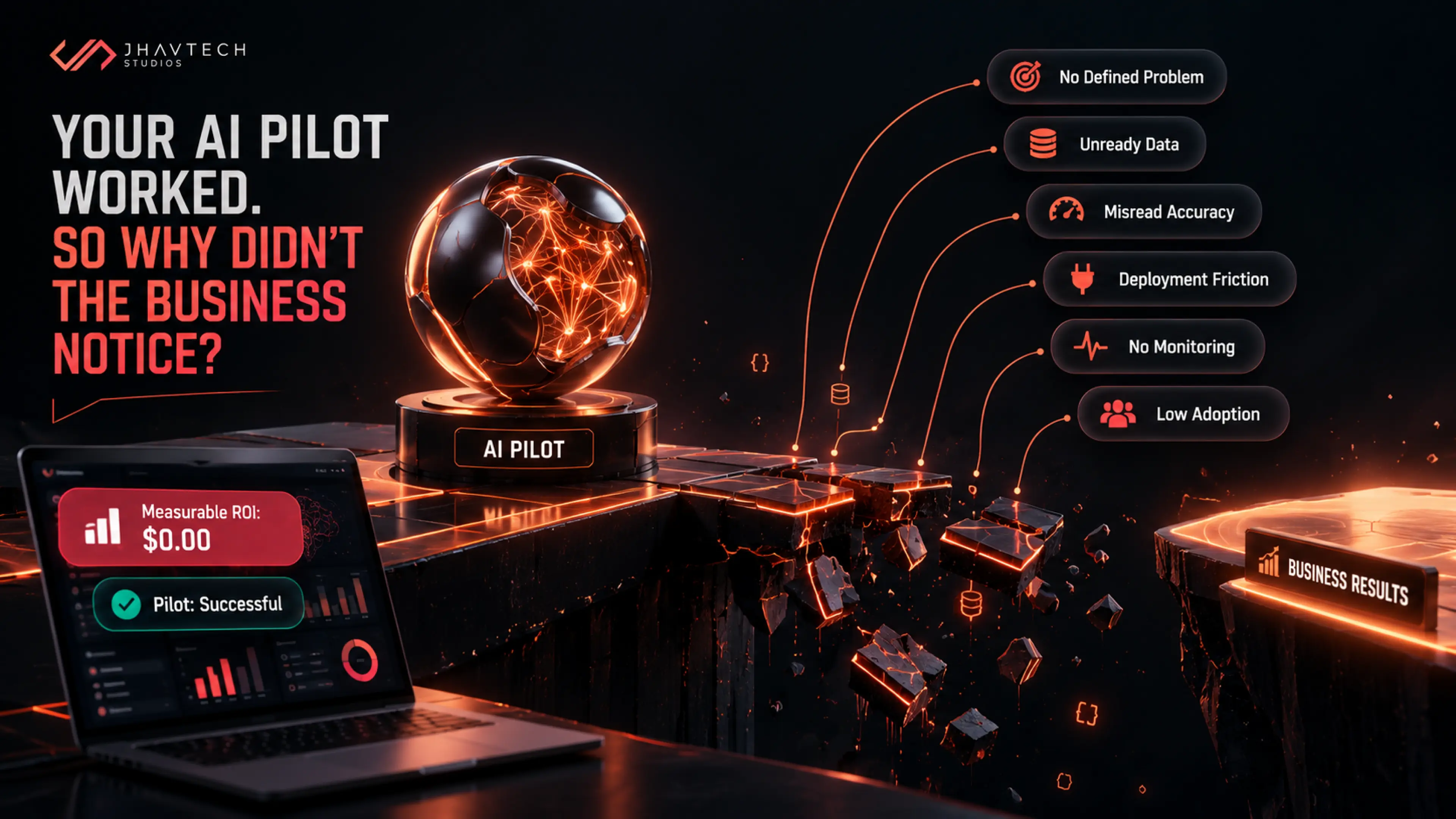
MIT's NANDA initiative looked at more than 300 public AI deployments, ran 52 structured interviews with executives and surveyed 153 leaders. It found that about 95% of enterprise generative AI pilots delivered no measurable return on the profit-and-loss statement. The researchers were careful about the reason. Models were not the problem. Integration was.
Gartner's numbers from September 2026 tell a similar story from a different angle. Only 22% of organisations surveyed had scaled AI across multiple business units or built an AI-first operating model. Yet 85% of functional leaders said they would spend more in 2026 than they did the year before, after putting an average of 12% of their budgets into AI. Around 11% had no idea what their function had spent on AI at all.
Australia sits further back on the curve. The Australian Bureau of Statistics found that 12% of Australian businesses used AI in the workplace during 2024 to 2025, up from 1% in the years before tools like ChatGPT existed. Adoption climbs with headcount, but the sharper split is behaviour rather than size: among small businesses already active in innovation, 19% had adopted AI, almost five times the rate of small businesses doing no innovation at all. The gap is not appetite or budget. It is whether a business has any habit of putting new things into production.
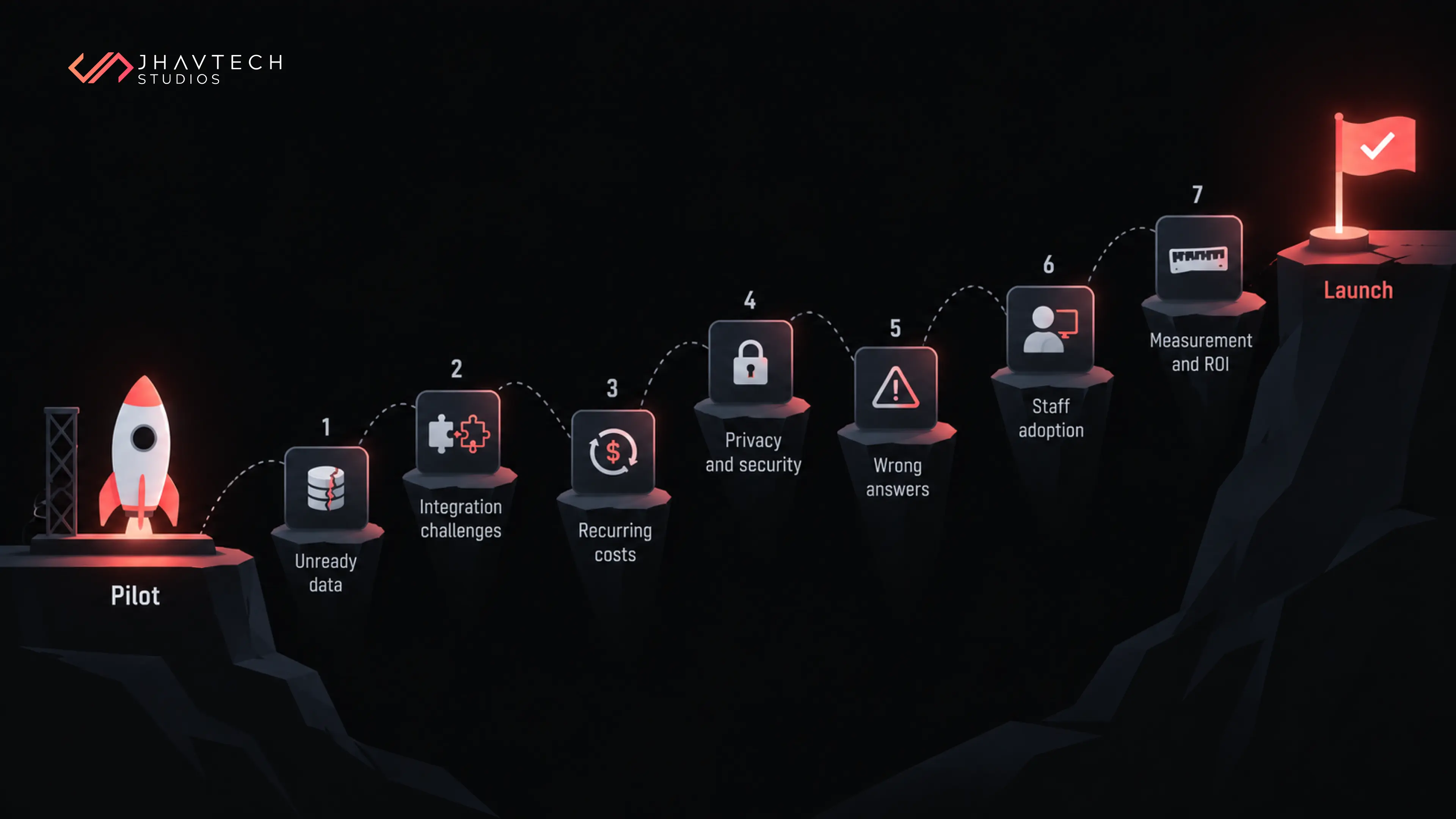
Which brings us to the question that matters: what happens in the space between the proof of concept that impressed everyone in the boardroom and the system nobody logs into six months later? In our experience there are six culprits, and most struggling projects are carrying at least three of them at once.
1. The Project Started with the Technology, Not the Problem
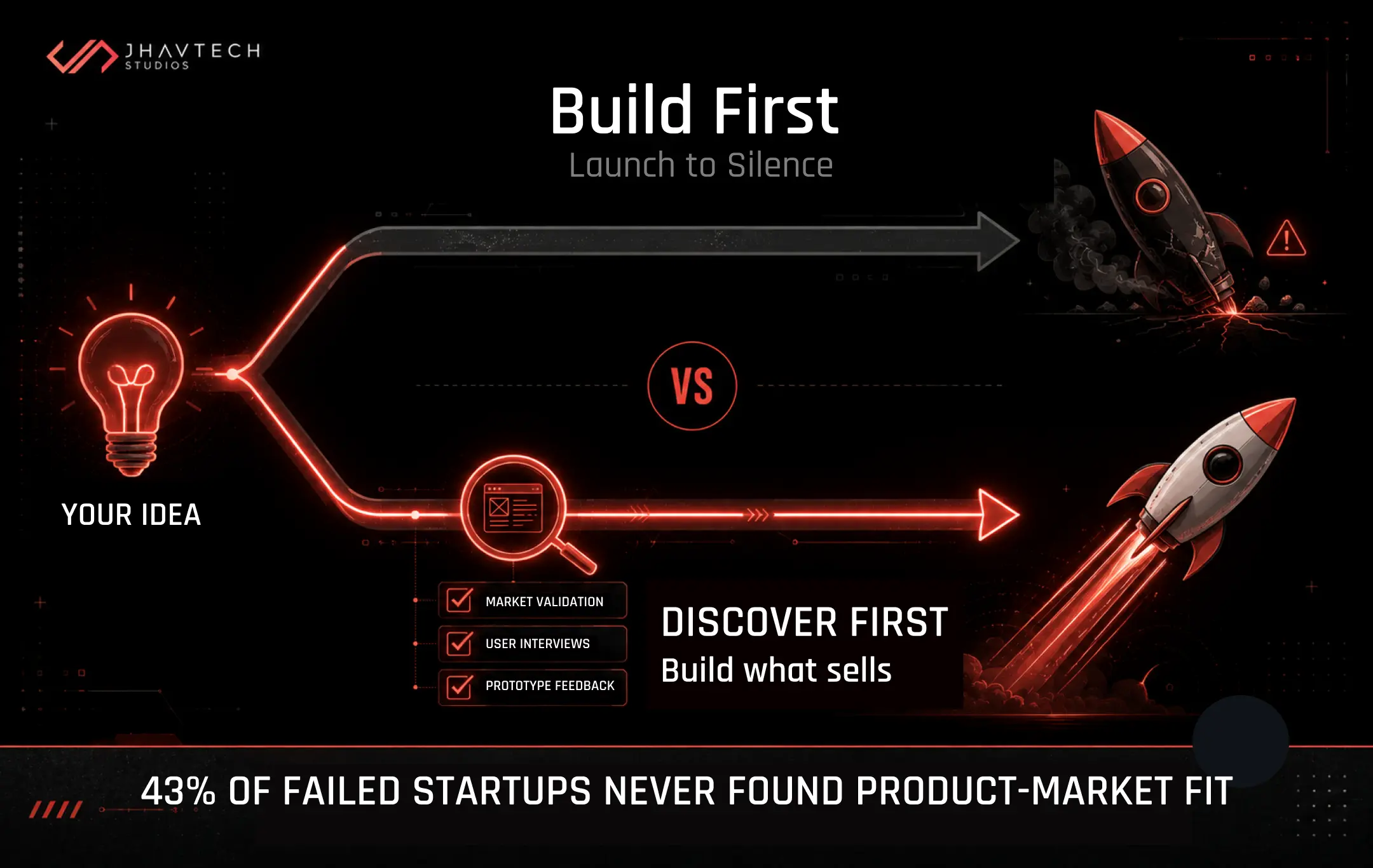
Ask a team why they are building an AI feature and listen to the shape of the answer. If it starts with "we want to use AI for...", the project is already on shaky ground.
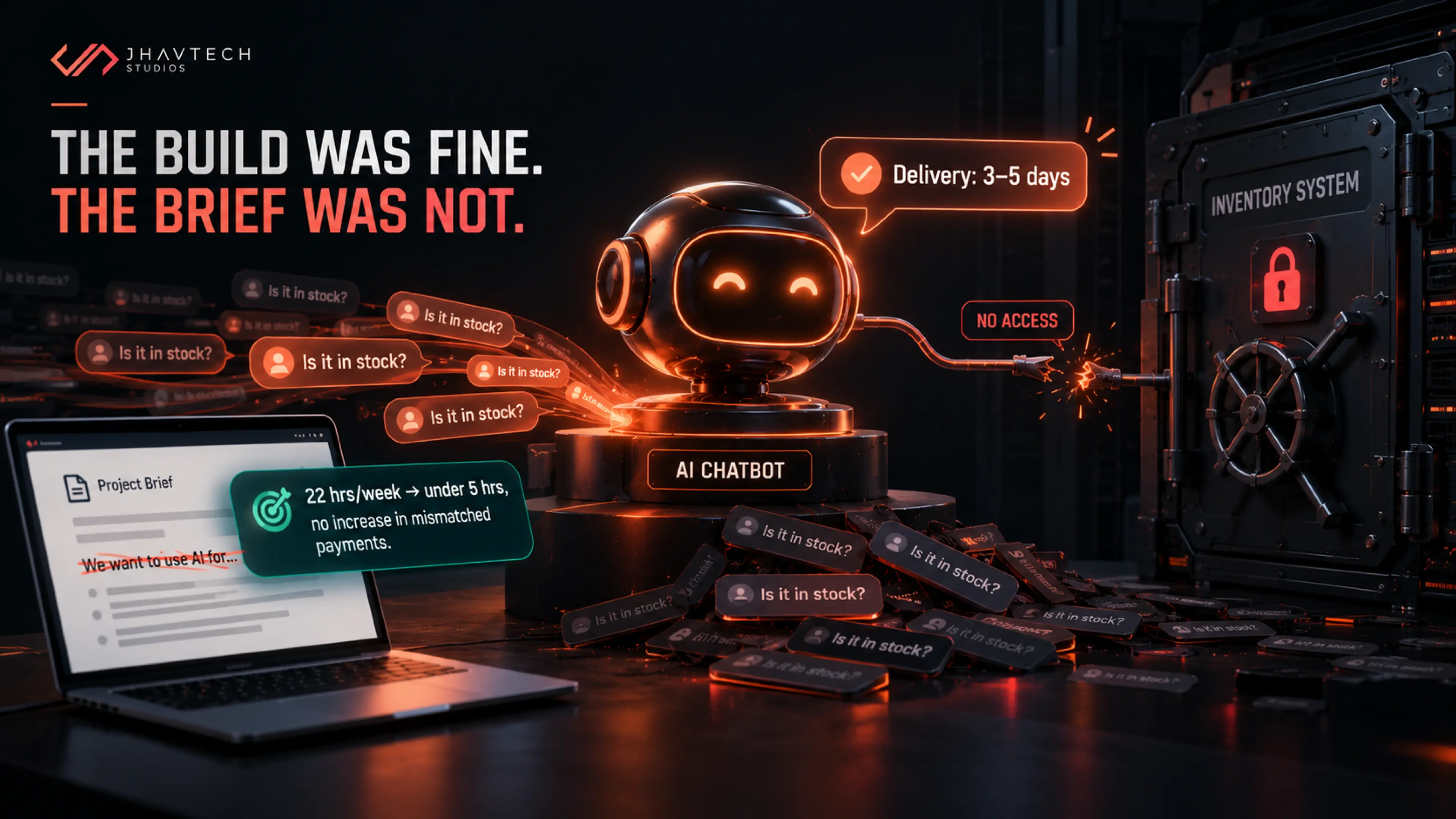
The common version runs like this. A business buys a customer service chatbot because a competitor launched one. The build is competent, it answers questions about delivery windows quickly and in plain English, and the proof of concept goes down well with the board. Six weeks after launch, the support queue has not moved because the calls were never about delivery windows. They were about stock availability, which sits in an inventory system the bot has no connection to and no permission to query.
Compare that with how SoulConnect came to us. The brief was not "put AI in a dating app". The problem was named first: users were matching, chatting, and then stalling before they ever met in person. The AI date planner our team built, which suggests places, timings and activities, came out of that definition rather than arriving before it. Define the gap properly and the technology choice tends to make itself.
A good AI implementation brief sounds boring and specific. Something closer to: "Our accounts team spends 22 hours a week manually matching supplier invoices to purchase orders. We want to cut that to under five hours without increasing mismatched payments." That version carries a baseline, a target and a constraint. You can tell within a month whether it worked.
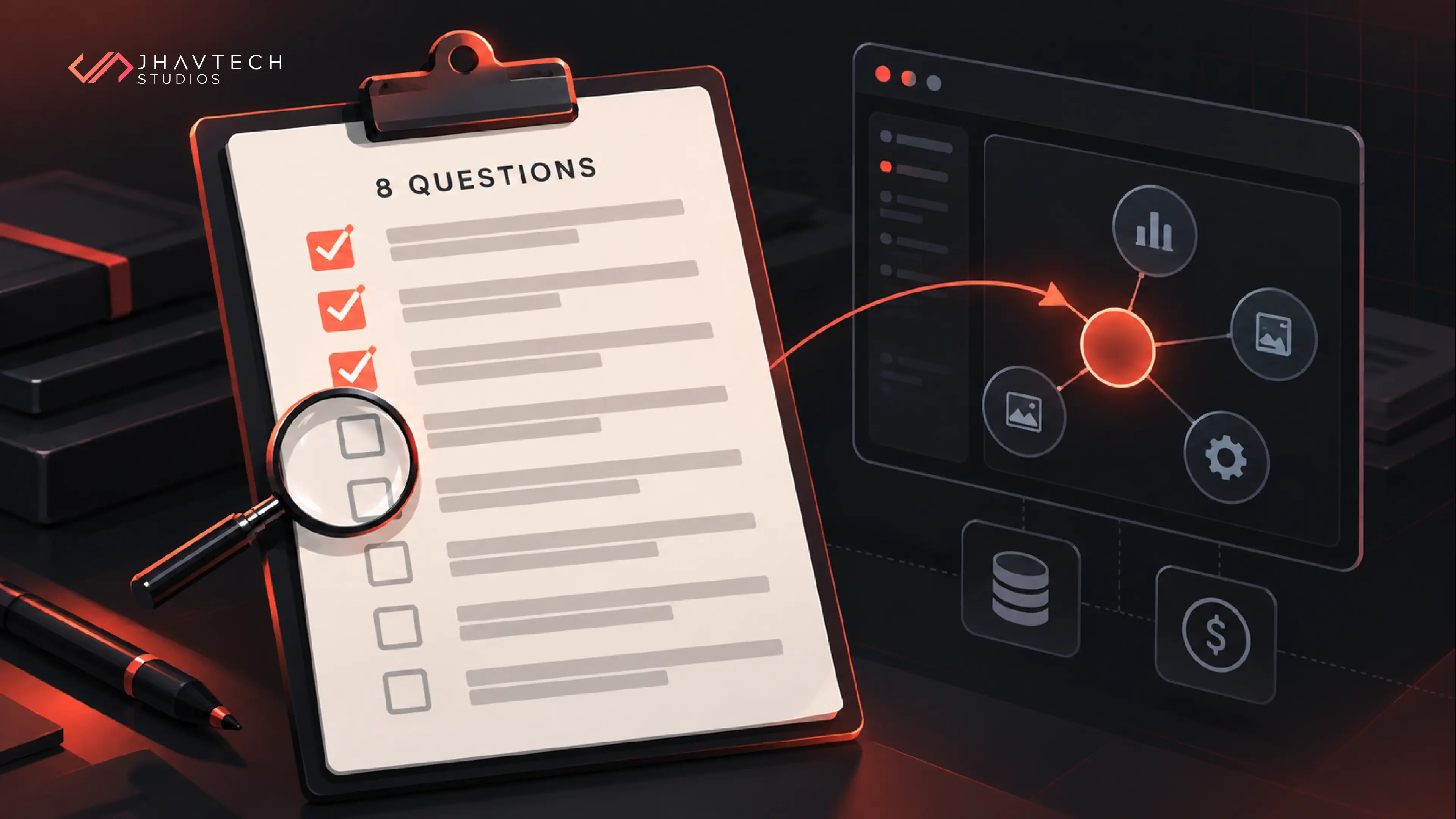
If you cannot write that sentence about your own project, stop and write it before anyone opens a code editor. Our guide to the eight questions worth asking before your first AI build covers how to pressure test it.
2. The Data Was Never Ready, and Nobody Wanted to Say So
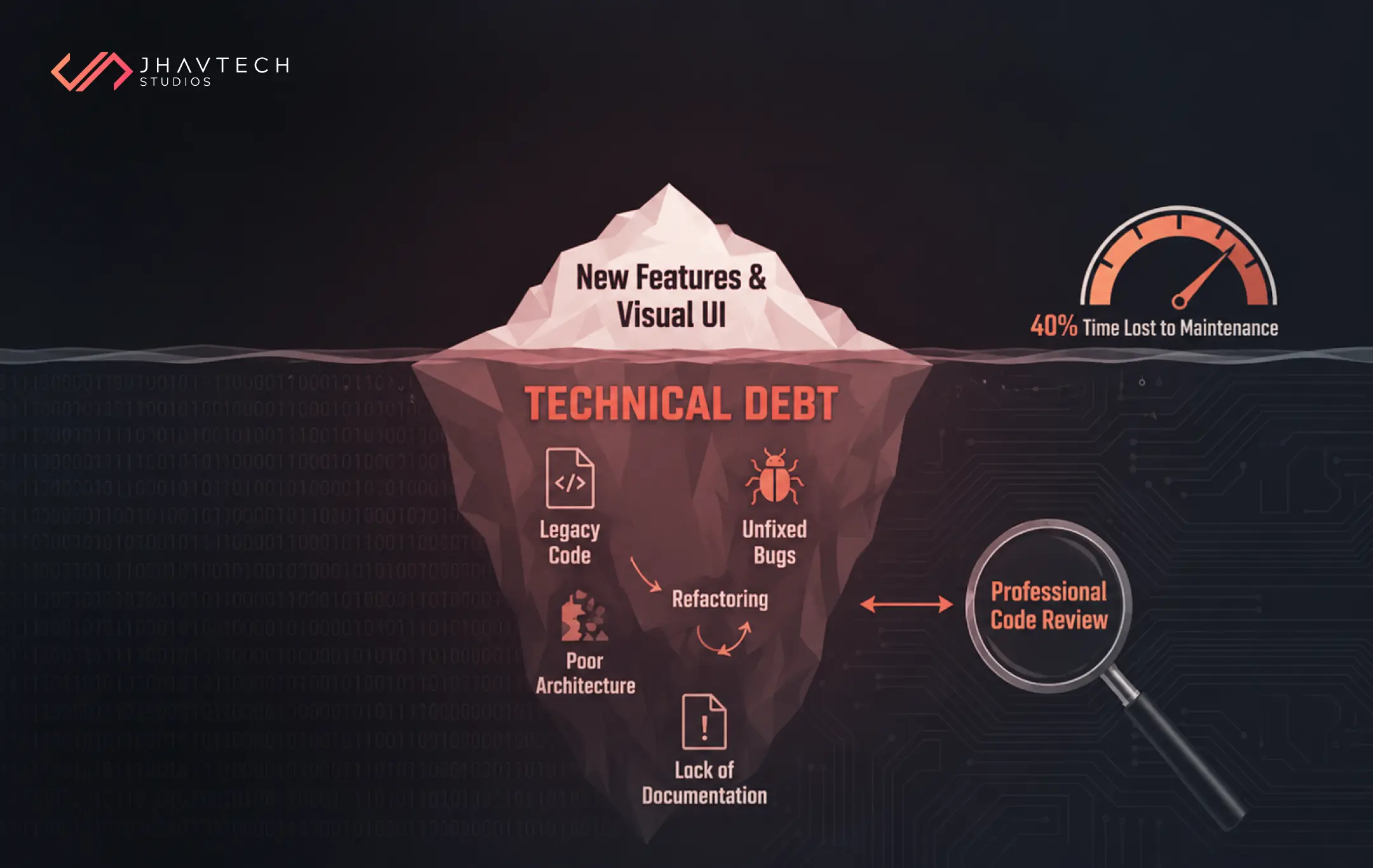
If there is one place where AI implementation efforts quietly go to die, this is it, and it rarely gets named out loud in the post-mortem because naming it means admitting the data was never in shape to begin with. Gartner predicts that through 2026, organisations will abandon 60% of AI projects that are not supported by AI-ready data. The same research found that 63% of organisations either lack the right data management practices for AI or are unsure whether they have them, which is a polite way of saying most teams have not looked.
Data quality management is unglamorous work. It also decides the outcome before a single line of model code is written.
The failure usually hides in plain sight. Your CRM has four slightly different spellings of the same client name. Half the records from 2022 are missing a product category because the field was optional back then. Two systems disagree about what counts as a "completed" order. A human reading those records shrugs and works it out. A model cannot. It learns the mess and repeats it back to you with a confidence score attached.
Three checks worth running before you commit:
- Coverage. Do you have enough examples of the thing you want predicted, including the rare cases that cost the most money?
- Consistency. Does the same event get recorded the same way across systems, teams and years?
- Access. Can the model reach this data in production, or does it live in a spreadsheet on someone's laptop?
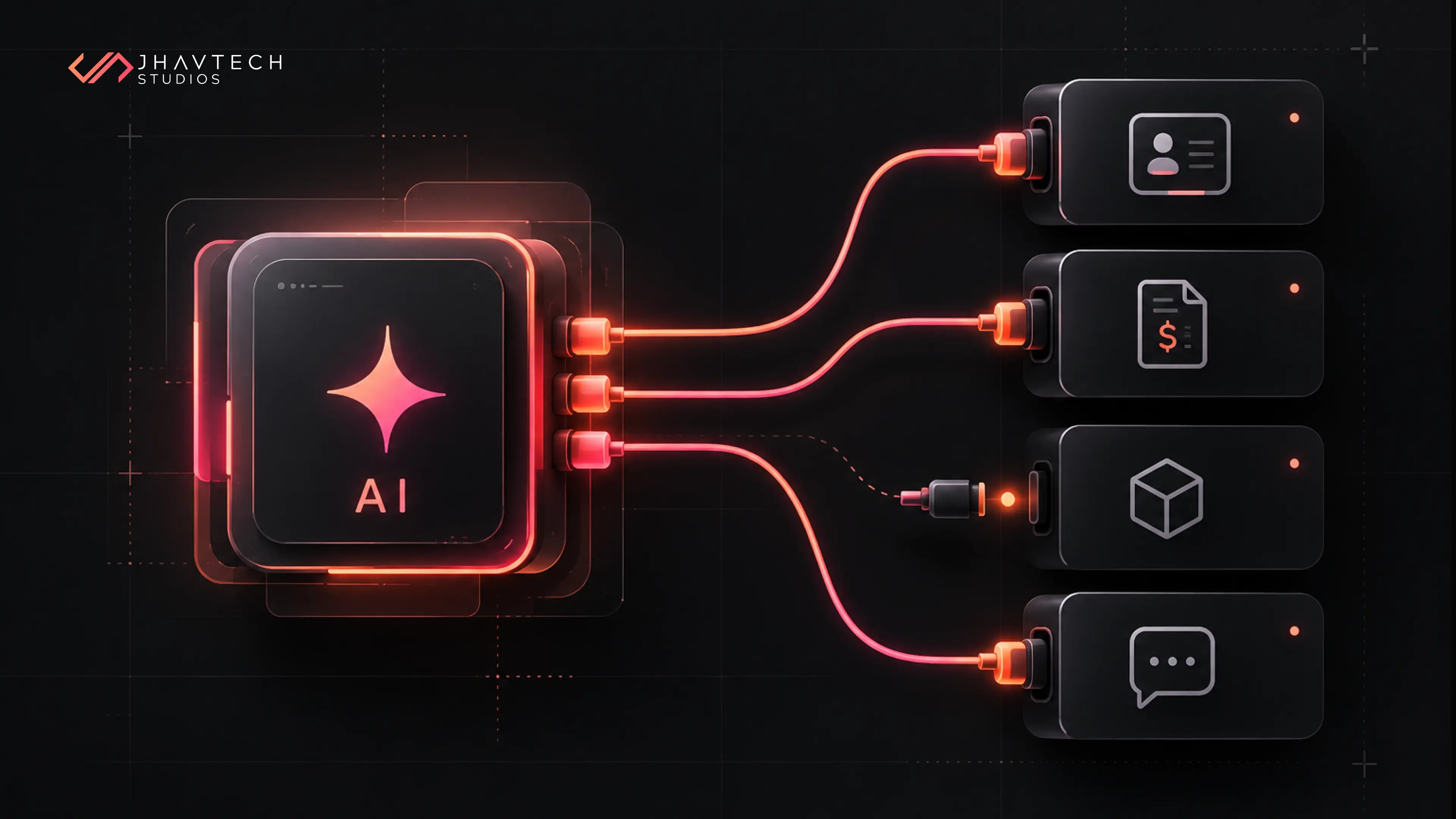
That third one sinks more projects than people expect. A model trained on a clean historical export has no path to live data once it ships. We wrote about the plumbing side of this in our piece on connecting AI tools to the systems you already run.
3. AI Model Accuracy Was Measured Against the Wrong Thing
A vendor tells you the model is 94% accurate. Everyone nods. The number sounds strong, so nobody asks the follow-up question, which is: accurate at what, and compared to what?
Consider a model that flags fraudulent transactions. If 2% of transactions are fraudulent, a model that flags nothing at all is 98% accurate. It is also worthless.
AI model accuracy only means something when you know three things. First, the base rate, which is how often the thing you care about happens anyway. Second, which kind of mistake hurts more: a false positive that annoys a good customer, or a false negative that lets a bad one through. Third, what the humans doing this job today get right, because that is the bar you are clearing.
This is where small and medium businesses have an advantage over large ones. You can sit with the two people who do the task now, watch them for an afternoon, and write down what good looks like. That afternoon is worth more than a month of model tuning.
Generative systems stack a second problem on top of this one. An LLM hallucination does not show up anywhere in a confusion matrix. The model returns an answer that is fluent, well formatted and correctly punctuated. It is also wrong, and a staff member working through a queue has no particular reason to doubt it. Grounding the system in your own material through retrieval-augmented generation (RAG), so that it answers from your pricing sheets, policies and product data rather than from whatever it absorbed during training, narrows that gap a long way. It does not close it. And a model that is right 94% of the time but cannot show its working will be quietly worked around by the people who have to justify decisions to customers, which is a cost that never appears in the accuracy metric.
4. The Model Worked. The Deployment Did Not.
AI deployment challenges are where a promising pilot meets the rest of your business, and the rest of your business usually wins.
A pilot runs on a laptop with a curated sample of 500 records and no deadline. Production runs on your infrastructure, against live data, while 40 staff wait for a response, inside an app that was built four years ago by a team who have since left.
The usual sticking points:
- API latency. A model that takes nine seconds to answer is impressive in a demo and unusable at a service counter, and when the call goes out to a third-party provider, the response time is not yours to control.
- Cost at volume. Per-call pricing that looks trivial across 500 pilot records becomes a line item finance queries once you are running 50,000 a month.
- Legacy integration. The system holding your data has no API or has one that was never documented and is now maintained by nobody.
- Permissions and privacy. Which staff should see which outputs, and where customer data travels, often goes unresolved until the week before launch.
- The interface. The prediction is correct, arrives on time, and sits in a dashboard nobody opens.
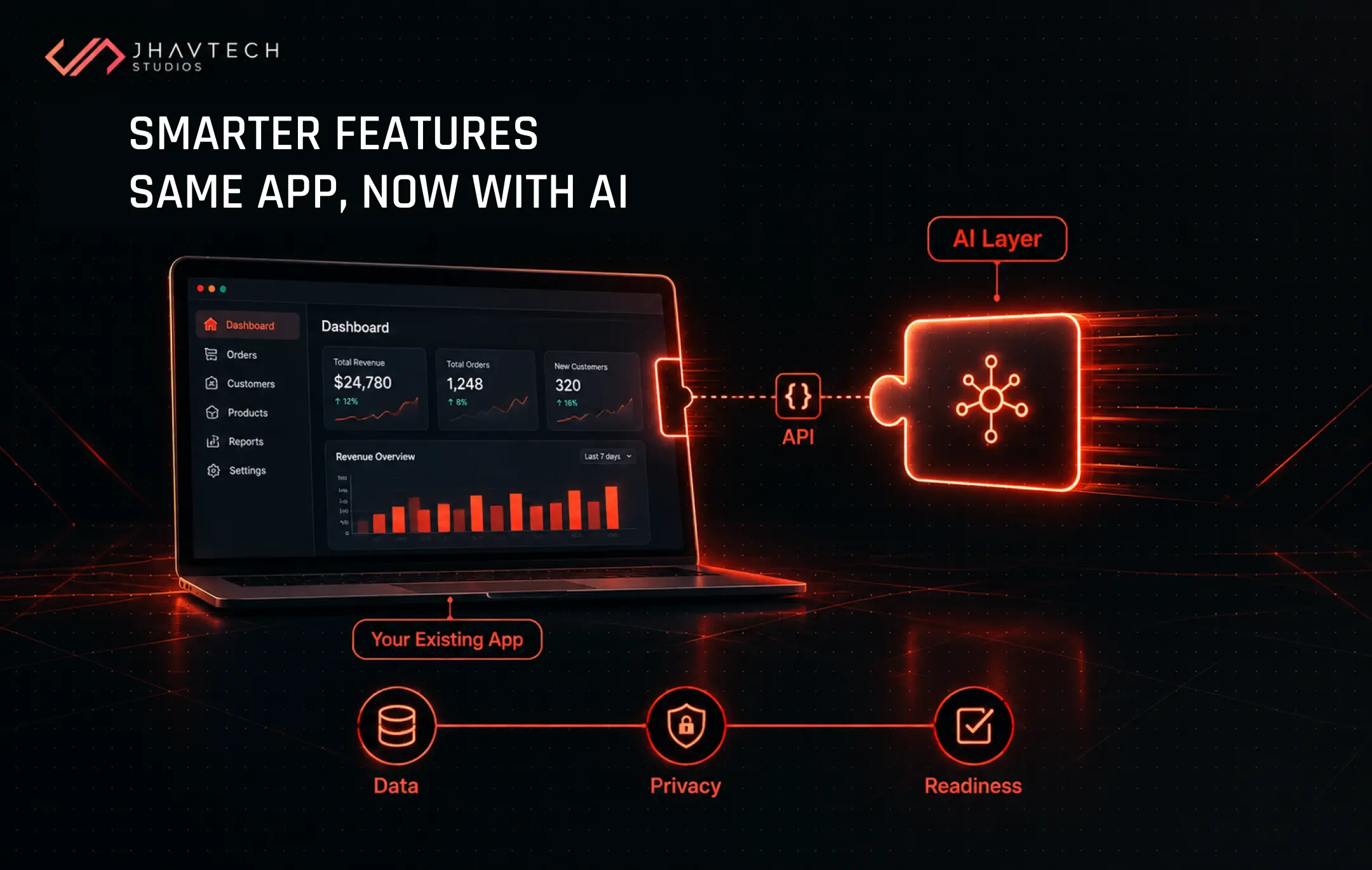
That last point deserves attention. AI delivers value at the moment of a decision, which means it has to appear inside the tool the person already has open. For field teams, trades and customer-facing staff, that tool is usually a phone, which is why so many AI features end up needing a properly built app around them rather than another web portal.
We covered the operational side of this in more detail in our rundown of the challenges worth preparing for before launch.
5. Nobody Was Watching After Launch
Software mostly behaves the same way on day 400 as it did on day one. Machine learning does not. The model stays still while the world moves around it, and the gap between the two widens quietly.
A demand forecasting model trained on 2024 buying patterns will slowly lose its grip as supplier lead times shift; a competitor exits the market or your own pricing changes. This is model drift, and it does not announce itself. Output stays plausible. It simply becomes wrong by degrees.
Machine learning model monitoring is the practice that catches this. At a minimum it means tracking:
- Prediction distribution over time, so you notice when the mix of outputs shifts
- Input data quality, including fields that start arriving empty or in a new format
- Accuracy against real outcomes once they are known, not just at training time
- Cost and response time per call
- How often staff override the model, which is the earliest warning sign you will get
That last metric is underrated. When the people using the system stop trusting it, they route around it long before anyone files a ticket. If override rates climb from 8% to 30% over a quarter, you have a problem, regardless of what the dashboard says about accuracy.
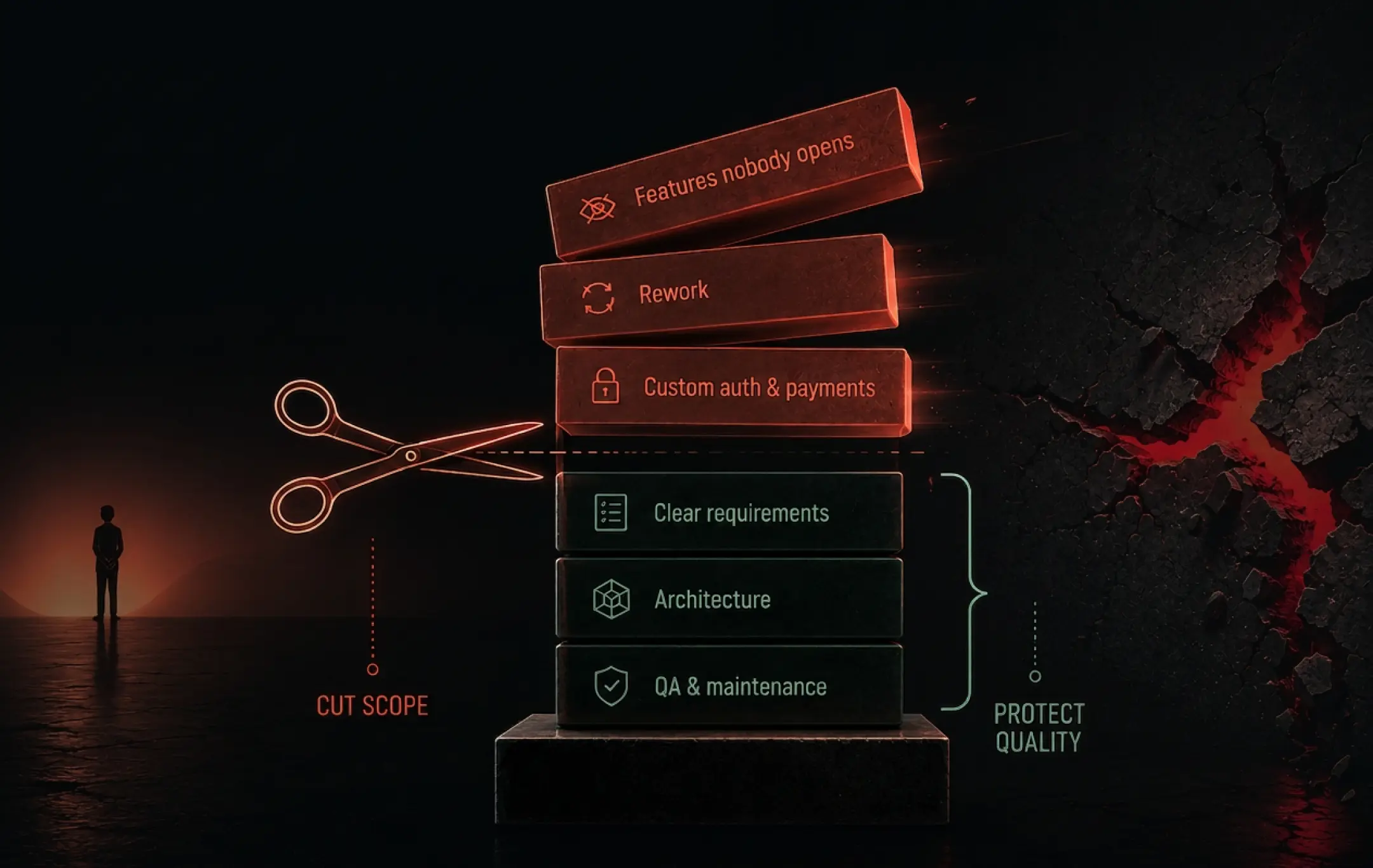
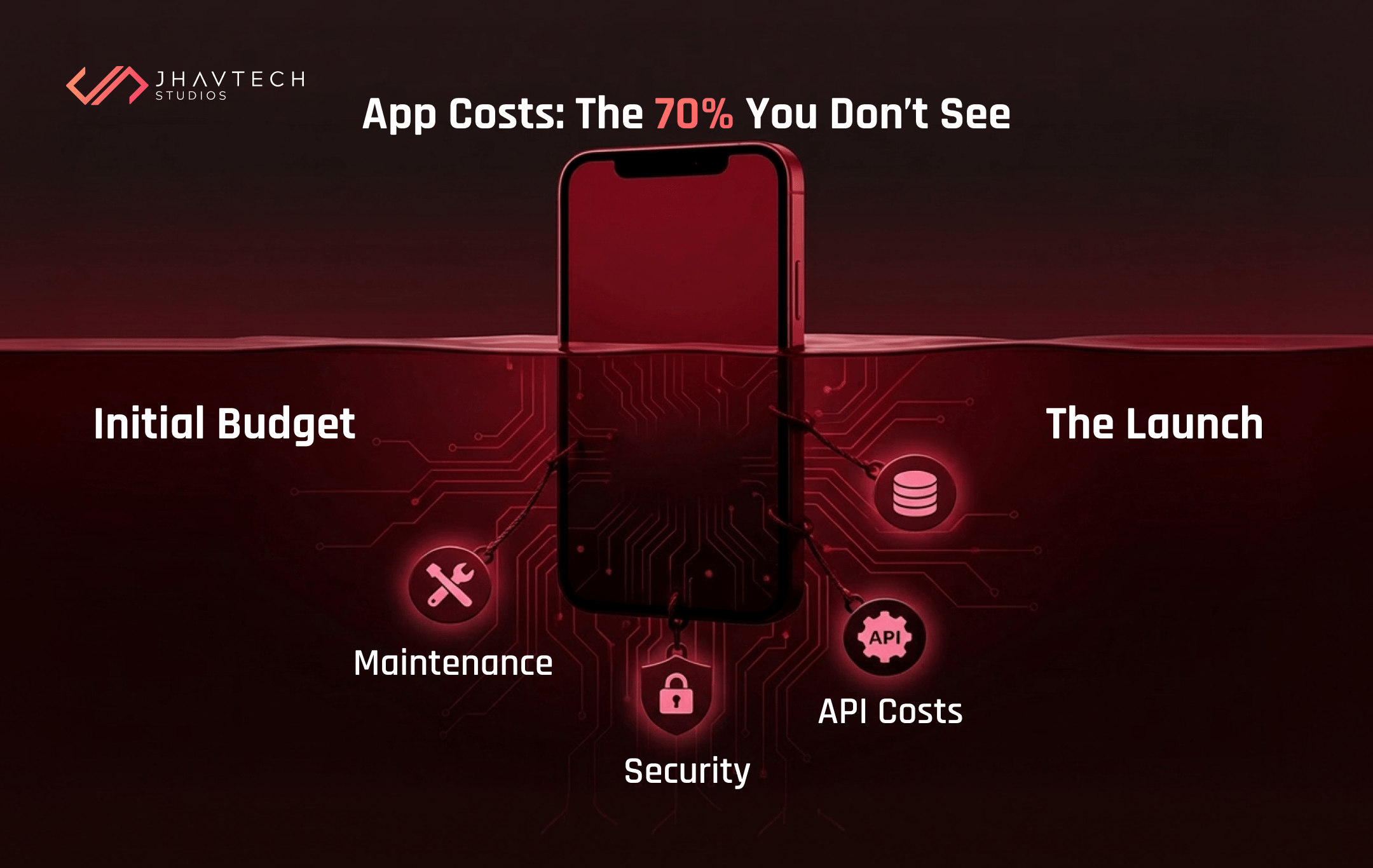
Budget for this from the start. A fair planning assumption is that ongoing monitoring, retraining and data upkeep cost somewhere between 15% and 25% of the original build each year. Projects that skip this line item are the ones that get written off 18 months later.
6. The People Who Had to Use It Were Never Asked
AI changes how someone does their job. Treat that as a technical detail and the rollout will stall no matter how good the engineering was.
Gartner found that the organisations getting positive returns were not the ones with the best models. They were the ones managing AI as a portfolio: tracking returns continuously, reallocating budget and stopping initiatives that were not working. Those high performers reported positive returns on 81% of their AI efforts. The discipline sat in the management, not the maths.
For a smaller business, that discipline looks like three habits.
One person owns the outcome, not the technology. Not "the AI project owner" but the operations manager whose invoice backlog is meant to shrink.
The staff doing the work see the prototype in week two, not week twelve. They will tell you within ten minutes about the edge case that breaks everything, and they will tell you for free.
Someone has permission to kill it. A project with no stopping rule does not fail cleanly. It lingers, absorbs budget and becomes the reason the next proposal gets rejected.
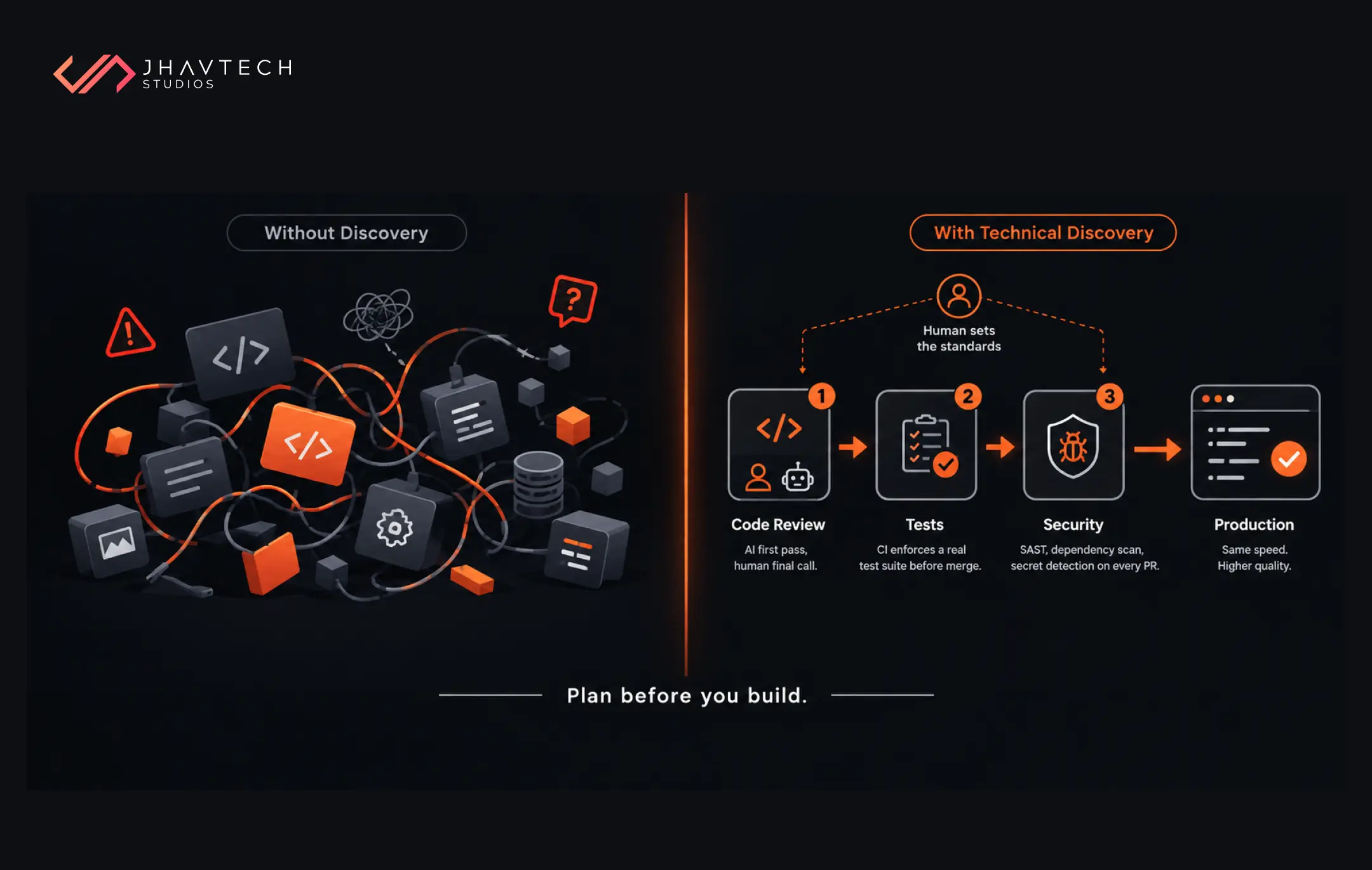
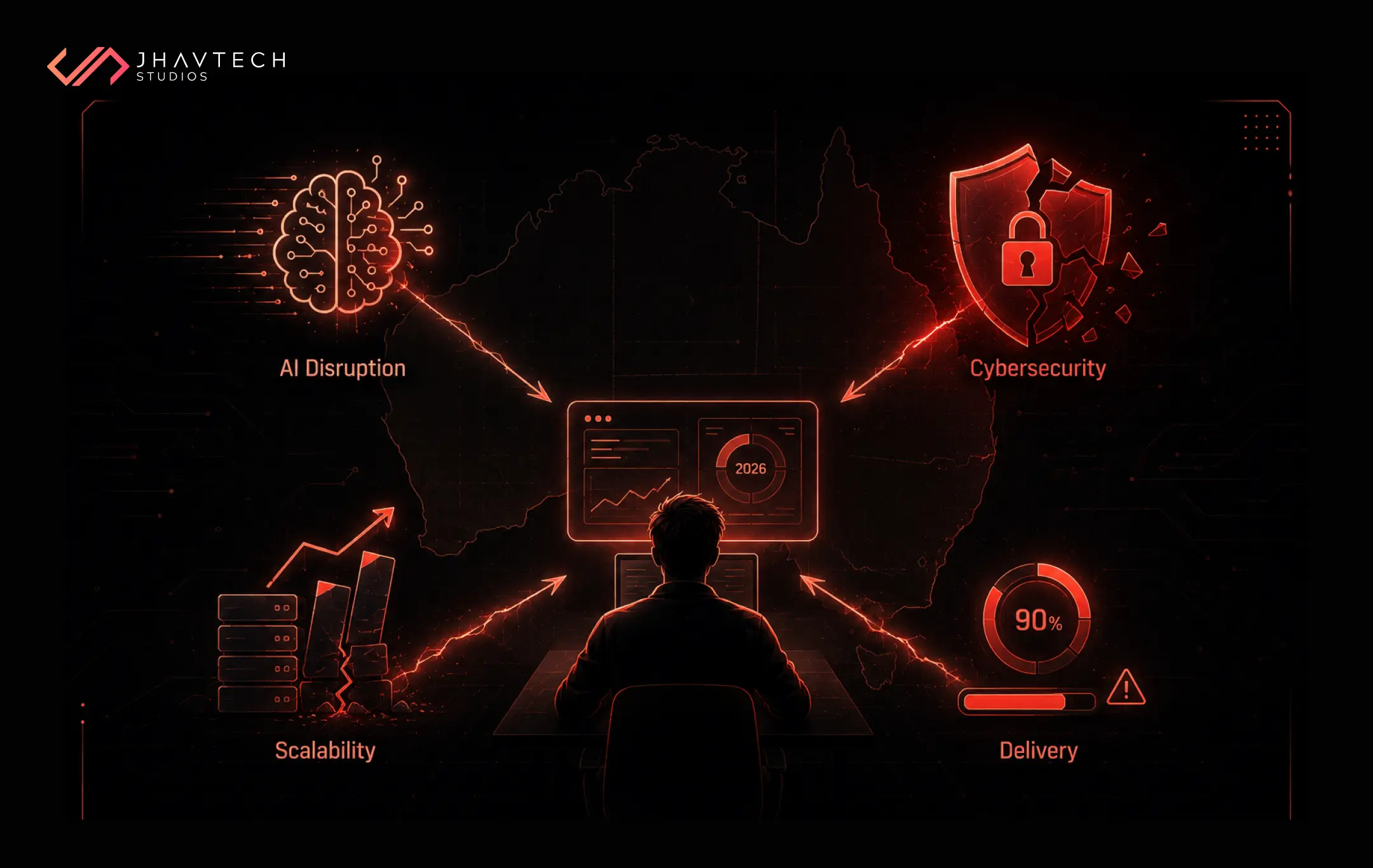
Where AI Projects Break, and What It Looks Like from the Inside
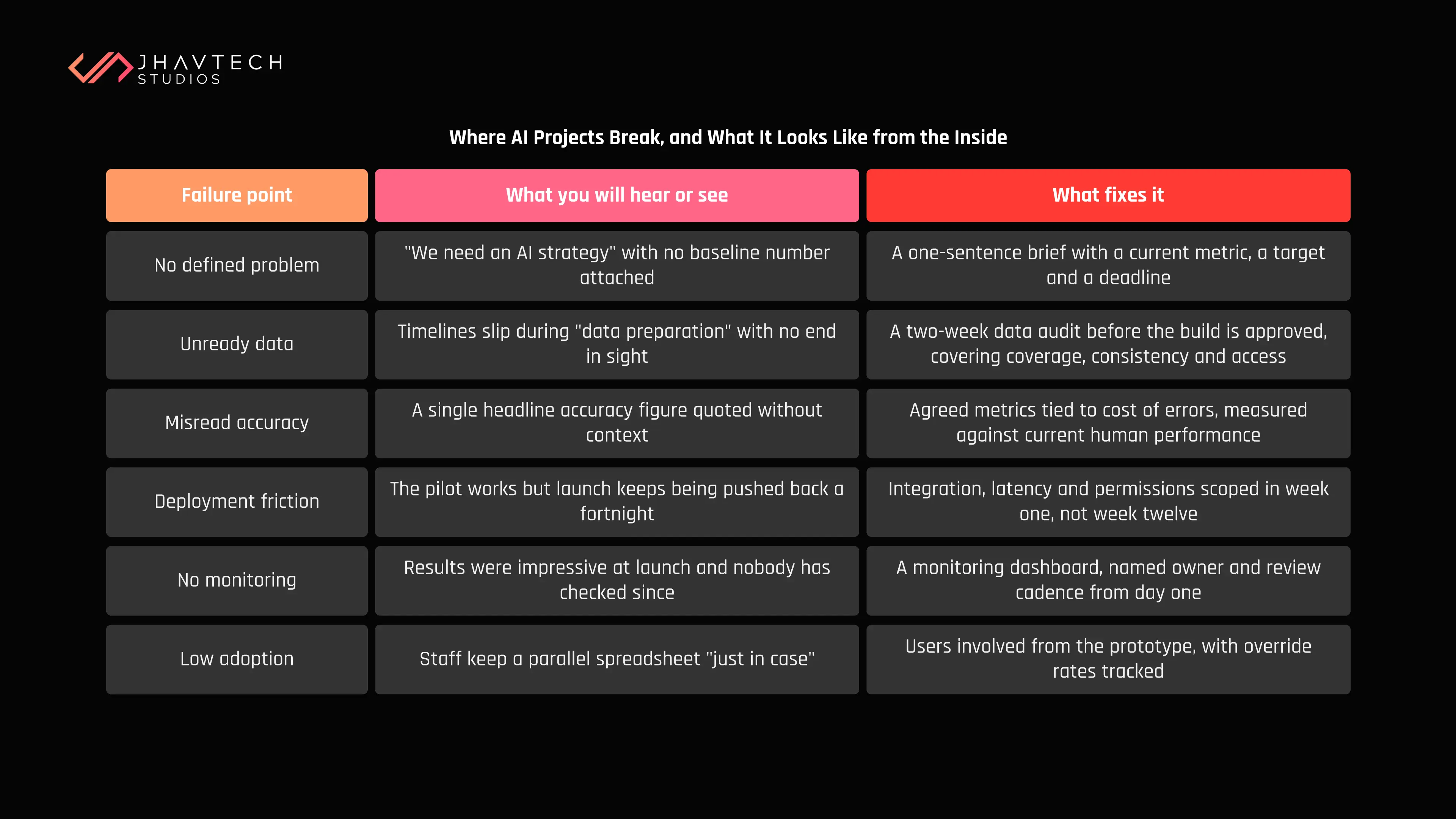
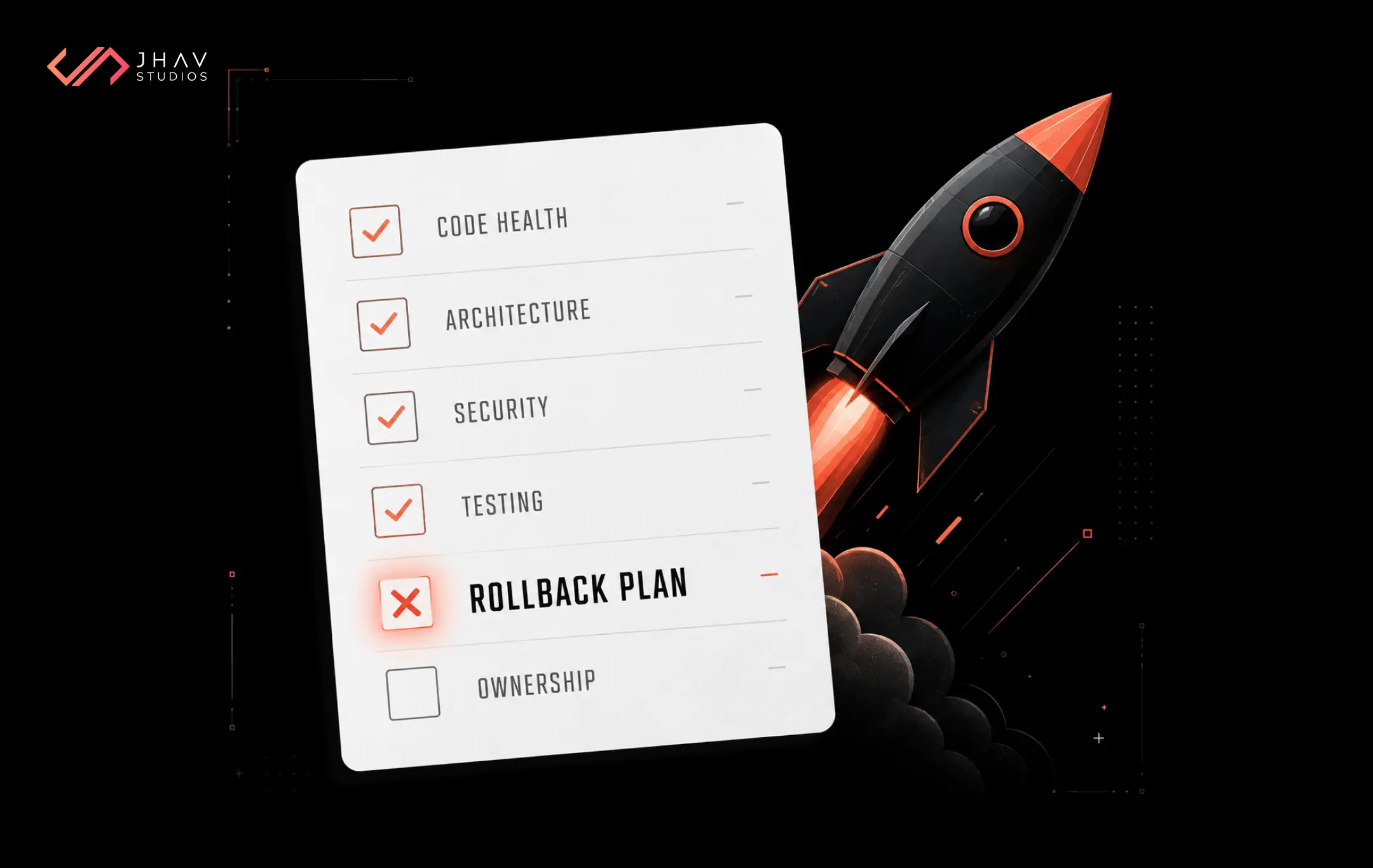
The Pre-Approval Checklist
Run through this before you sign off on any AI implementation. If you cannot tick six of eight, the project is not ready to start.
❑ I can state the problem in one sentence, with the current number and the target number
❑ I know what this process costs today, in hours or dollars, so I can measure the change
❑ A data audit has confirmed the records exist, are consistent and can be reached in production
❑ We have agreed which type of error is more expensive and set the metric accordingly
❑ A named person inside the business owns the business outcome, not just the delivery
❑ The staff who will use it have seen a prototype and given feedback
❑ Monitoring, retraining and data upkeep are funded for at least 12 months after launch
❑ We have written down the conditions under which we stop the project
What the Projects That Work Have in Common
The successful ones look modest on paper. That is the point.
They pick a narrow task with a measurable cost attached. Invoice matching. Triaging support tickets. Flagging quotes that are likely to go stale. Not "transform customer experience".
They run against real data in the first fortnight, not the fourth month, because that is when you find out whether the data can carry the idea.
They ship to a small group first. Ten users, four weeks, a weekly conversation about what is annoying.
They keep a human in the loop where errors are costly and remove that human only once the numbers earn it.
MIT's researchers noted one more pattern worth sitting with. Projects run with external specialists succeeded at roughly twice the rate of those built entirely in-house. Not because internal teams are weaker, but because an experienced partner has already made these mistakes somewhere else and stops you repeating them. For a startup or SME without a standing data team, that difference is the whole ballgame. And when a build has already passed the point where another status meeting helps, the useful move is bringing in a team that takes over stalled projects and gets them shipping again while the business keeps trading.
Frequently Asked Questions