.svg)
.svg)


The Hidden Risk of Letting AI Write Your Startup’s Codebase
.png)
"Just tell the AI what you want, and watch it build."
It sounds like a dream for any startup founder. In the rapid-fire world of tech, getting an MVP (Minimum Viable Product) out the door yesterday can feel like the ultimate goal. Thanks to advanced AI coding assistants, this dream is now a reality for many. The practice, affectionately dubbed "vibe coding" by industry thought leaders like Andrej Karpathy of OpenAI, has swept through the startup ecosystem. It’s seductive, efficient, and, let’s be honest, incredibly cool. But beneath the surface of this innovation lies a hidden danger, a ticking time bomb that many fast-moving startups are unknowingly installing at the heart of their operations.
The Allure of Vibe Coding: Speed, Savings, and Siren Songs
In 2026, vibe coding has become the go-to for founders looking to translate a concept into a working application faster than ever before. Picture this: you have an idea for a groundbreaking app. Instead of spending weeks whiteboarding with developers or sifting through endless GitHub repositories, you open your AI coding assistant. You describe your vision in natural language: "Build a social media feed for dog owners. Users can upload photos, comment, and like. It needs user authentication and a simple PostgreSQL database."
Within minutes, the AI spits out functional code. You iterate, "Add a search bar to find other users," and it complies. This iterative, conversational approach feels less like traditional programming and more like designing with an incredibly responsive assistant. For cash-strapped startups, the appeal is obvious: reduce initial development costs, accelerate time to market, and democratise app development. It allows non-technical founders to participate directly in the creation process, giving them a level of control and immediacy previously unimaginable.
Unmasking the Risks: Beyond the MVP Mirage
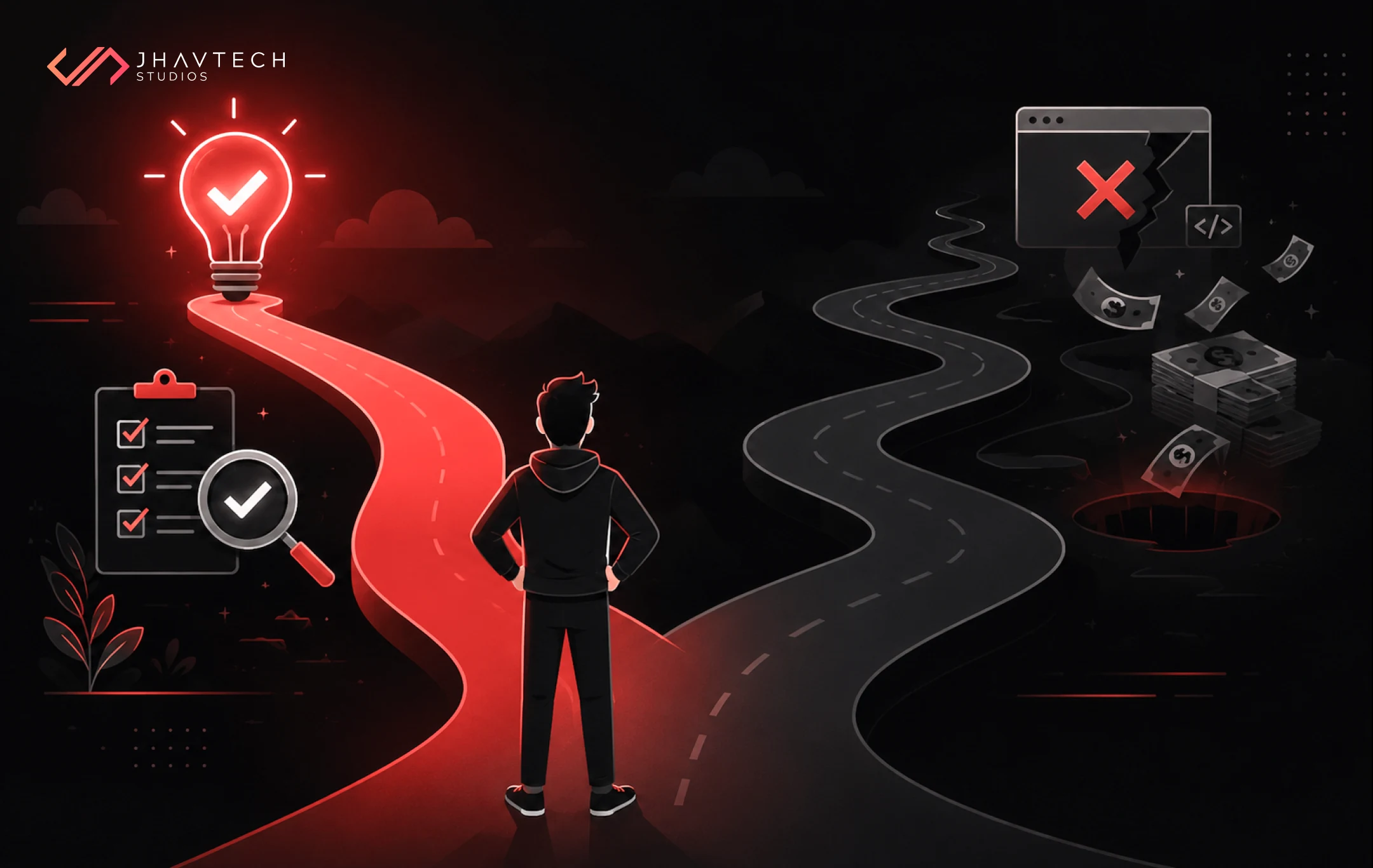
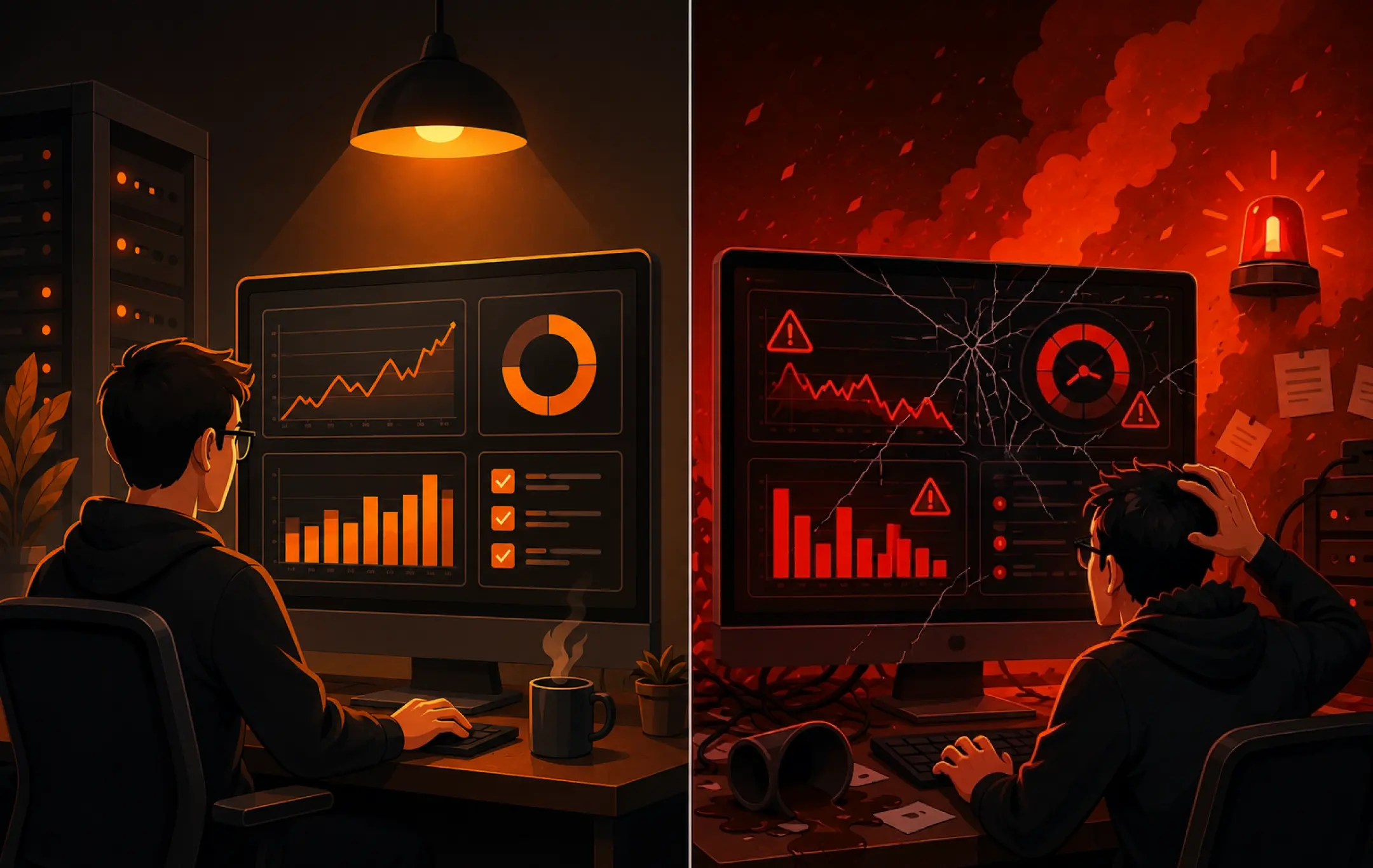
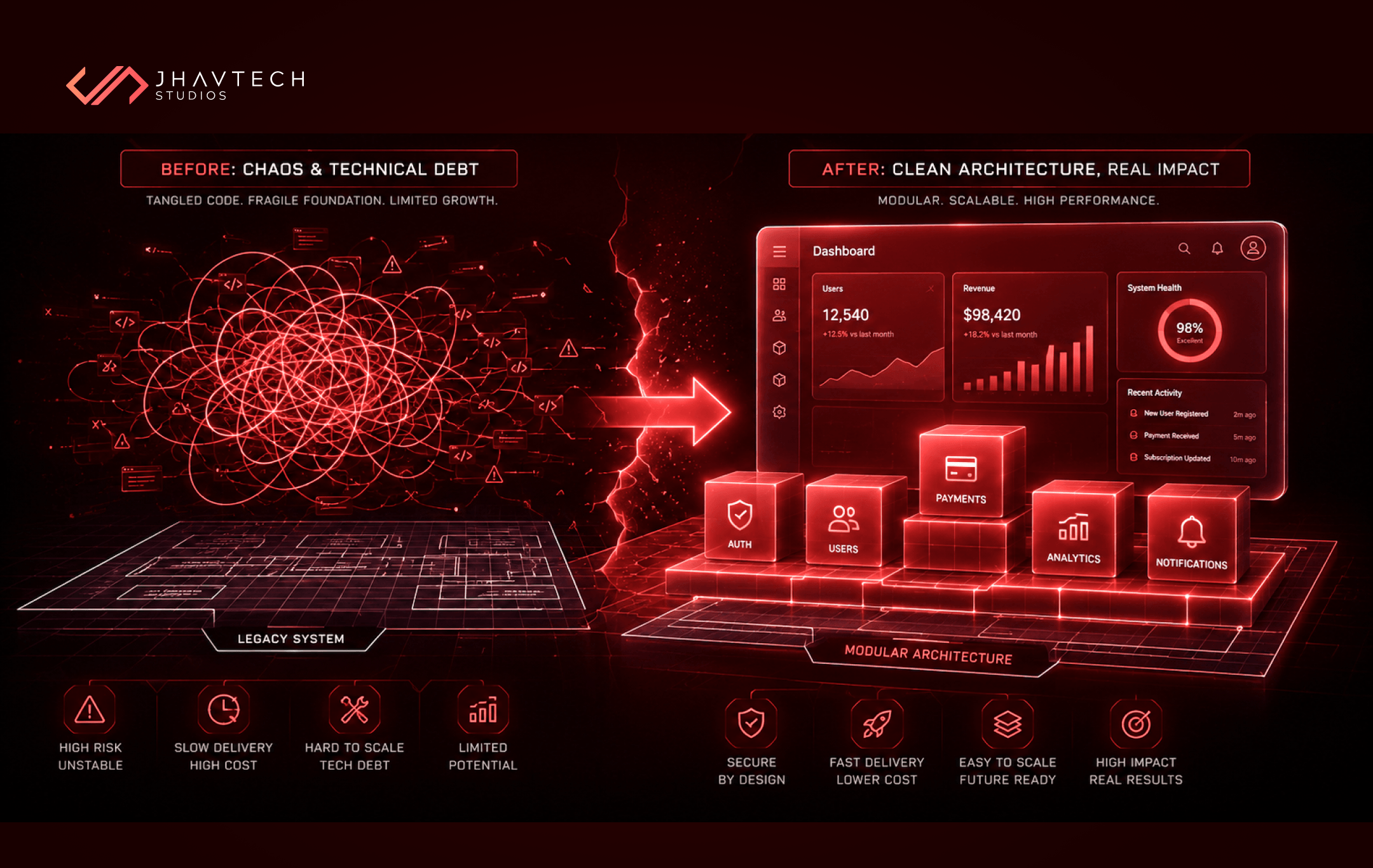
While the speed of vibe coding is undeniable, the long-term implications are only just beginning to surface. Early adopters are now discovering that what looked like a shortcut often leads to a convoluted path of technical debt, security vulnerabilities, and maintenance nightmares. The promise of rapid iteration can quickly turn into a quagmire of unmanageable code.
The "Black Box" Problem: When Code Becomes Unreadable
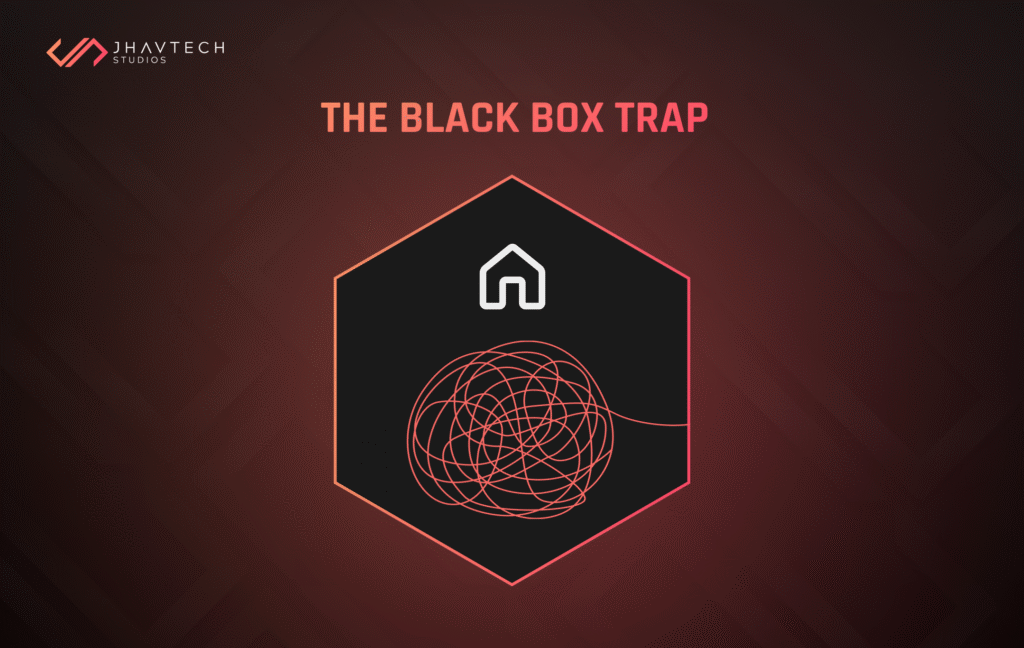
One of the most significant dangers of relying heavily on AI for your core codebase is the creation of a "black box" system. The AI generates code based on patterns and vast datasets, but it doesn't necessarily optimise for human readability or maintainability. Imagine inheriting a house built by a brilliant but quirky architect who used a design language only they understood. That's often what happens with heavily AI-generated code.
A 2025 study from the University of California, Berkeley, and leading researchers highlighted this issue, finding that AI-co-authored code, while functional, often contained what developers call "code smells." These are indicators of deeper problems like excessive complexity, redundant logic, or poor structure. While the AI understands its output, a human developer brought in to scale or debug the system might struggle immensely. This challenge directly impacts maintaining AI-written codebases for long-term scaling, a critical concern for any startup hoping to grow beyond its initial launch. When your original AI prompt is the only "design document," you're in for a tough ride.
Security Blind Spots: The AI's Achilles' Heel
Perhaps the most alarming "hidden risk" is in AI-generated code security. While AI is excellent at pattern recognition and synthesising boilerplate, it lacks the nuanced understanding of security best practices that a seasoned human developer possesses. A recent report by Snyk revealed that AI-generated code often misses crucial security considerations. For example, AI might forget to properly sanitise user inputs, leading to SQL injection vulnerabilities, or it might hardcode API keys directly into the codebase, opening the door to devastating data breaches.
In fact, the 2025 study mentioned earlier found that AI-co-authored code contained an astonishing 2.74 times more security vulnerabilities than human-written code. These aren't always glaring errors; they're often subtle oversights that an experienced security auditor would immediately flag. For a startup, a security breach can be catastrophic, eroding user trust and attracting regulatory scrutiny. The convenience of vibe coding with AI can quickly become a liability if security isn't given paramount importance.
Technical Debt: The Invisible Cost of Speed
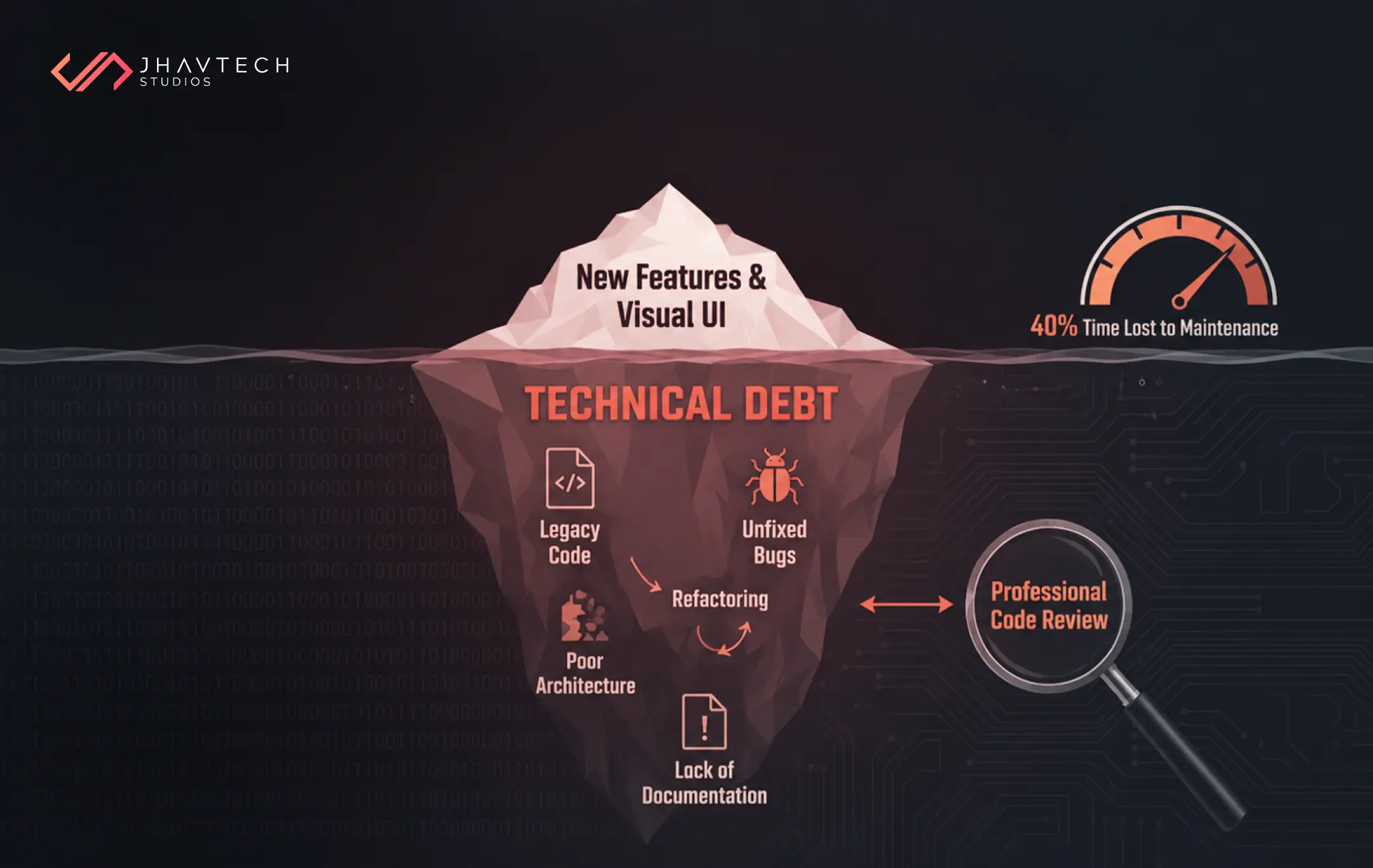
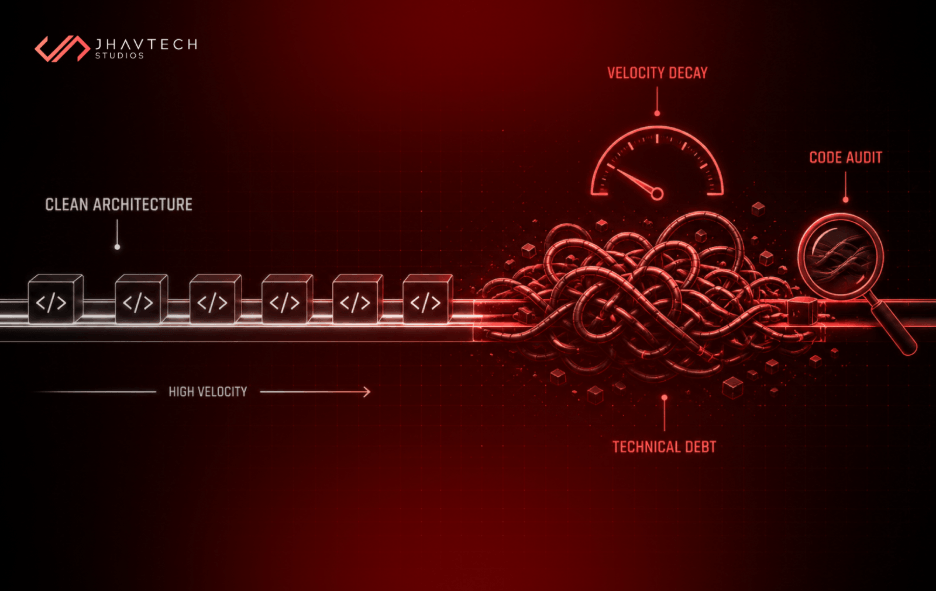
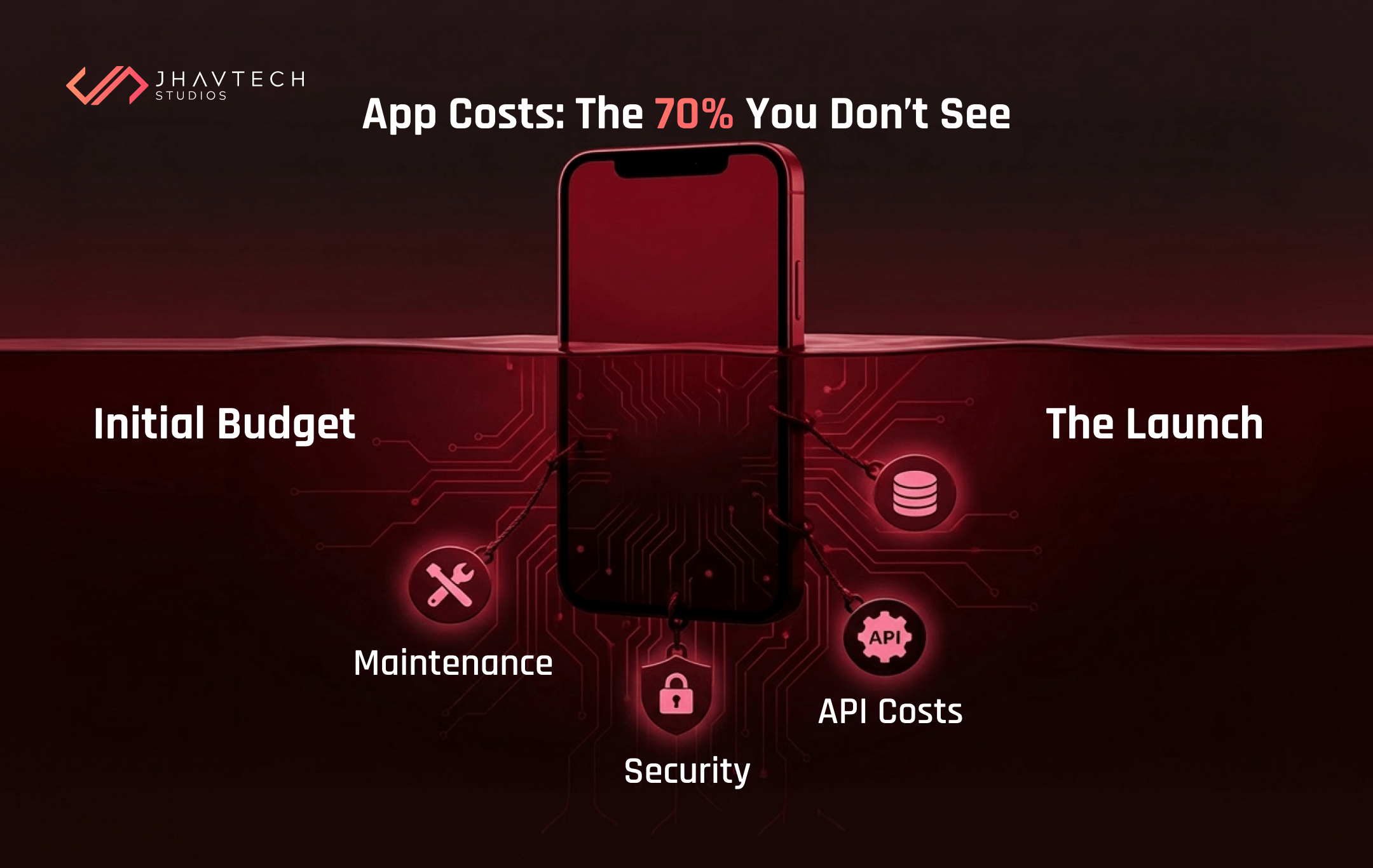
The pursuit of speed through vibe coding often comes at the cost of accumulating technical debt. Think of technical debt like financial debt: it allows you to move faster in the short term, but you pay interest on it down the line. In software, this "interest" comes in the form of increased bug fixes, slower feature development, and higher maintenance costs.
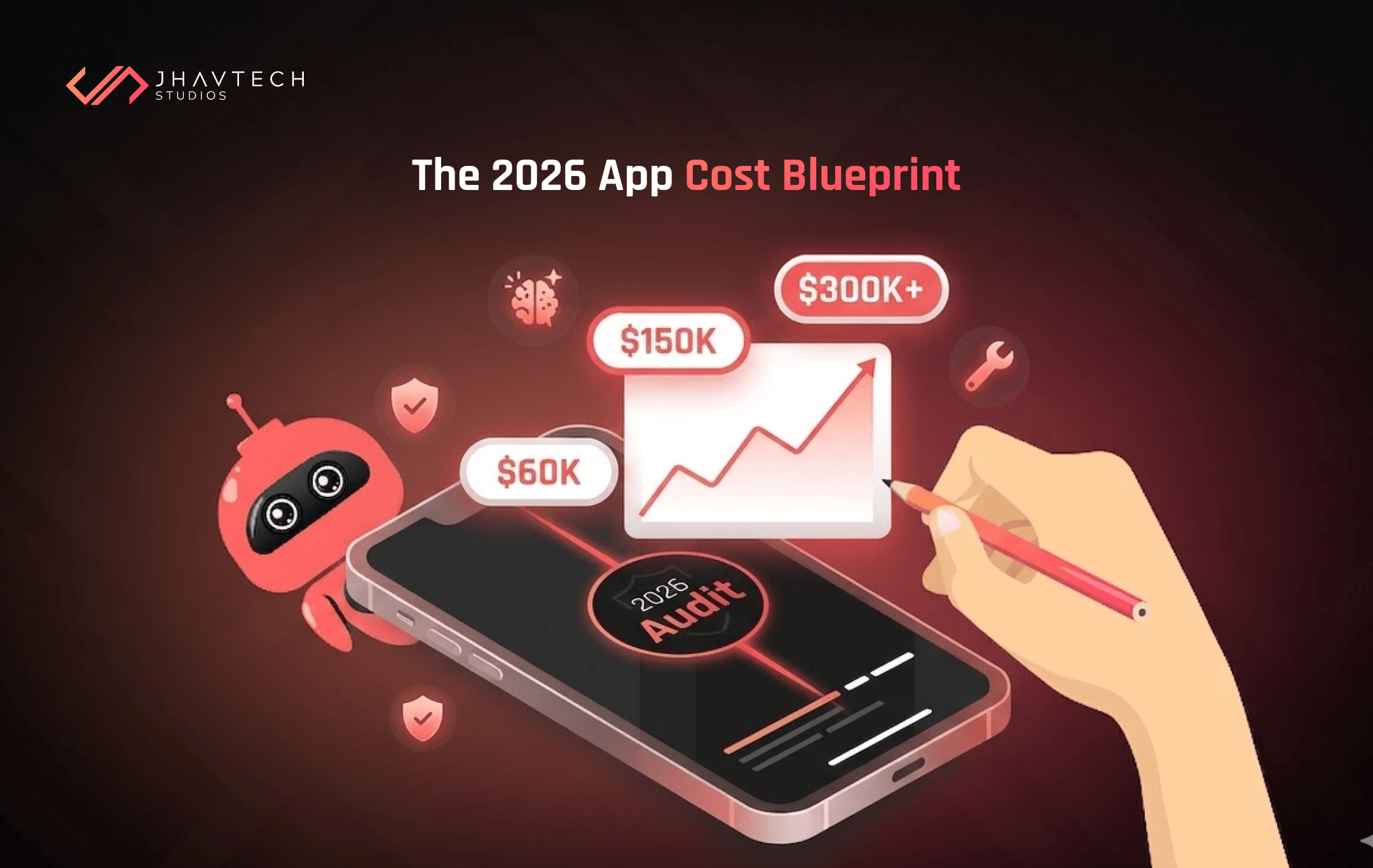
When an AI generates code, it prioritises functionality over elegance or futureproofing. It might create redundant modules, use inefficient algorithms, or fail to adhere to established architectural patterns. A report by Stripe in late 2025 estimated that fixing technical debt accumulated from early-stage AI development could cost startups anywhere from $50,000 to $500,000 within their first three years, depending on the complexity of the application. This puts a significant strain on already tight startup budgets and diverts resources from innovation to remediation.
The Looming Question: AI vs Human Developers
This isn't a debate about replacing human developers entirely. Instead, it's about understanding where AI excels and where human expertise remains indispensable. While vibe coding offers incredible productivity gains for initial scaffolding and repetitive tasks, the strategic oversight, architectural design, and deep security expertise of human developers are irreplaceable.
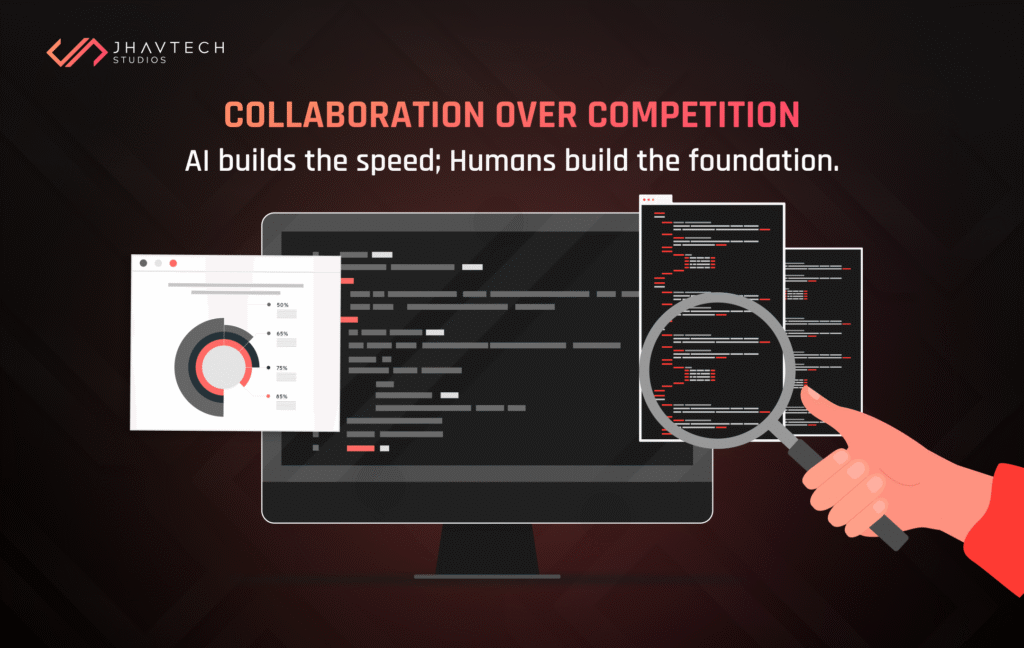
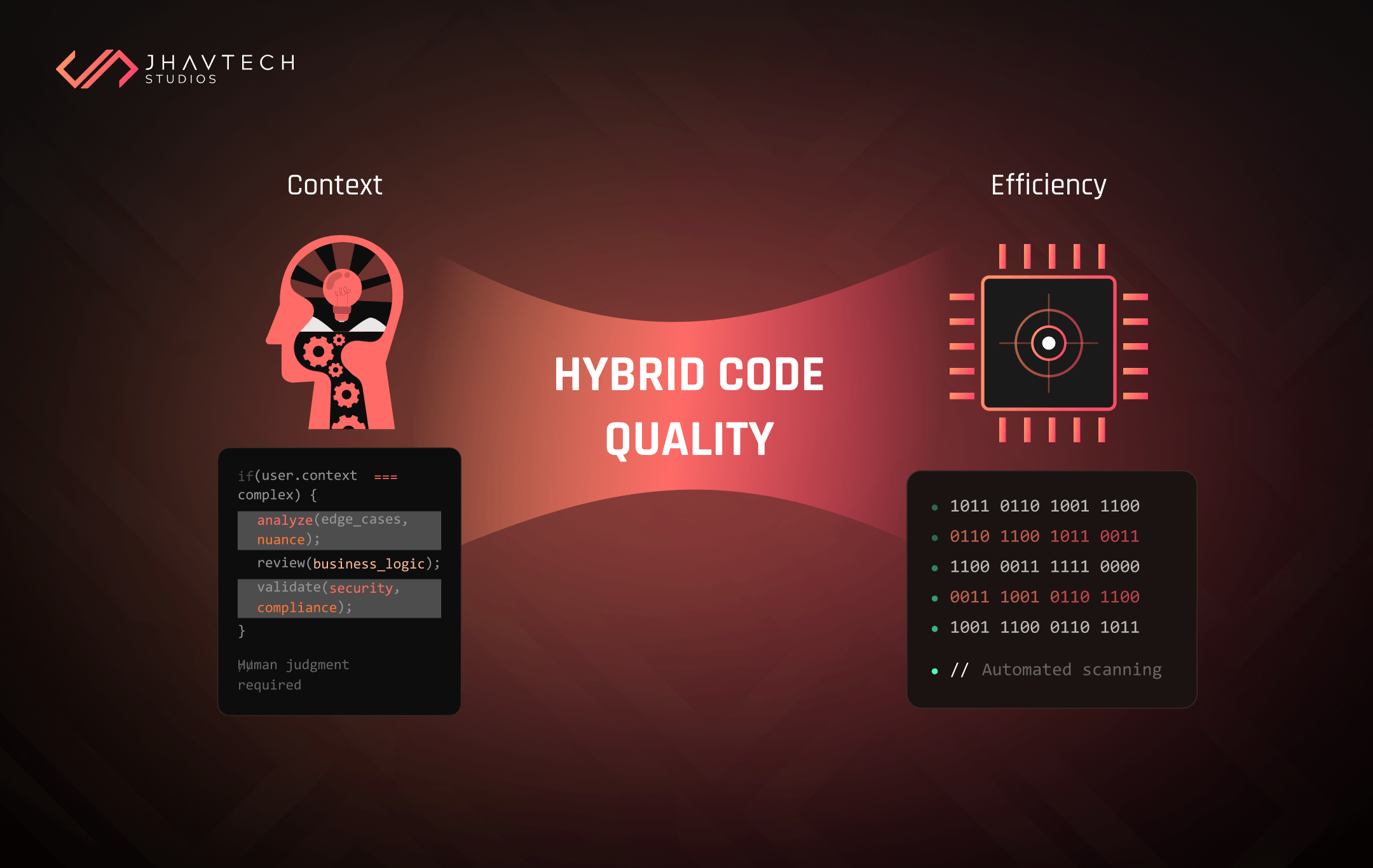
A human developer doesn't just write code; they understand context, anticipate future problems, and apply years of experience to design robust, scalable, and secure systems. They can identify the subtle code smells that an AI might overlook, ensuring that the foundation of your application is solid. The future isn't AI vs Human Developers; it's AI with Human Developers.
Striking the Balance: A Strategic Approach to AI in Development
So, how can Jhavtech Studios clients harness the power of AI without falling prey to its hidden risks? The key lies in a balanced, strategic approach.
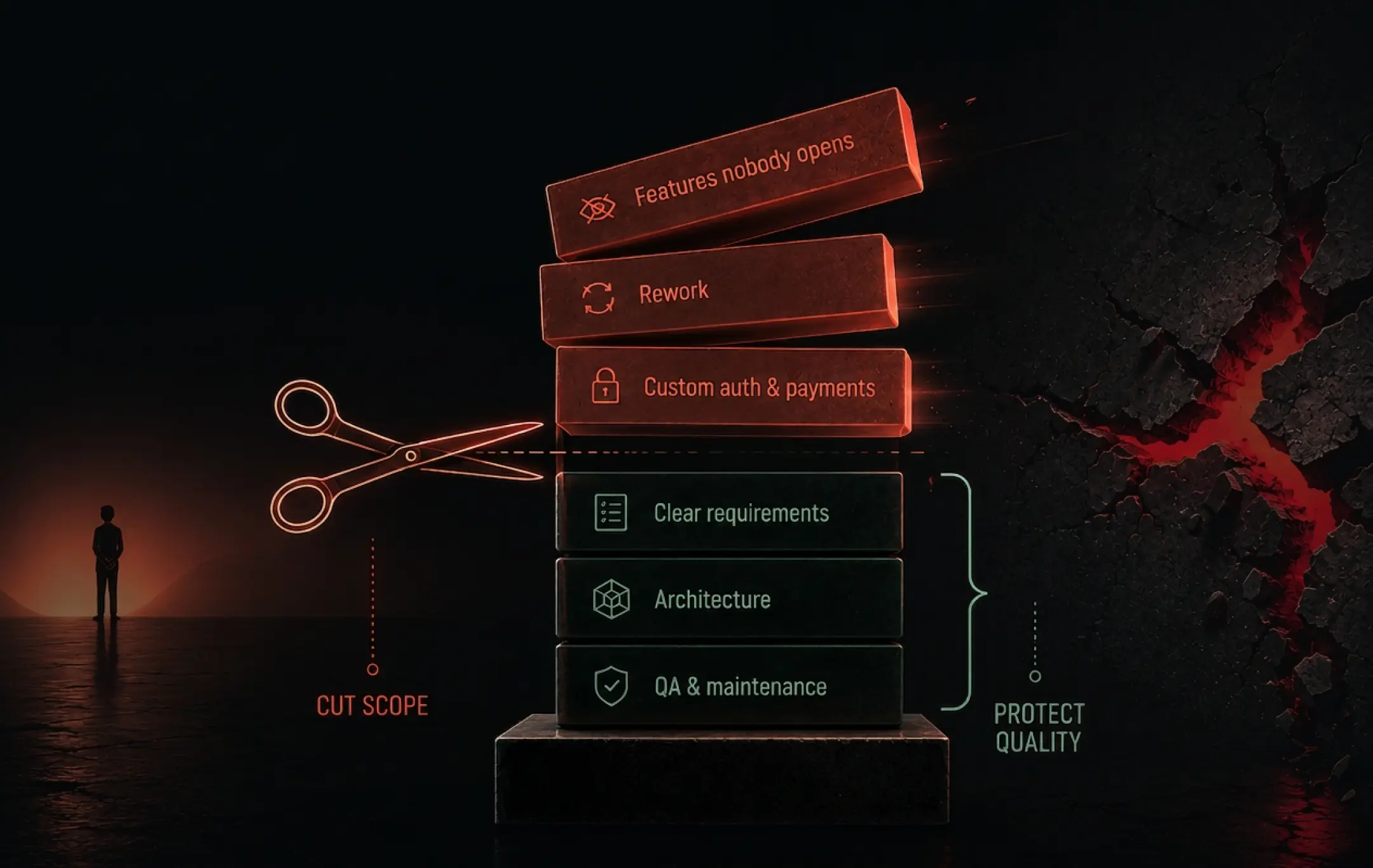
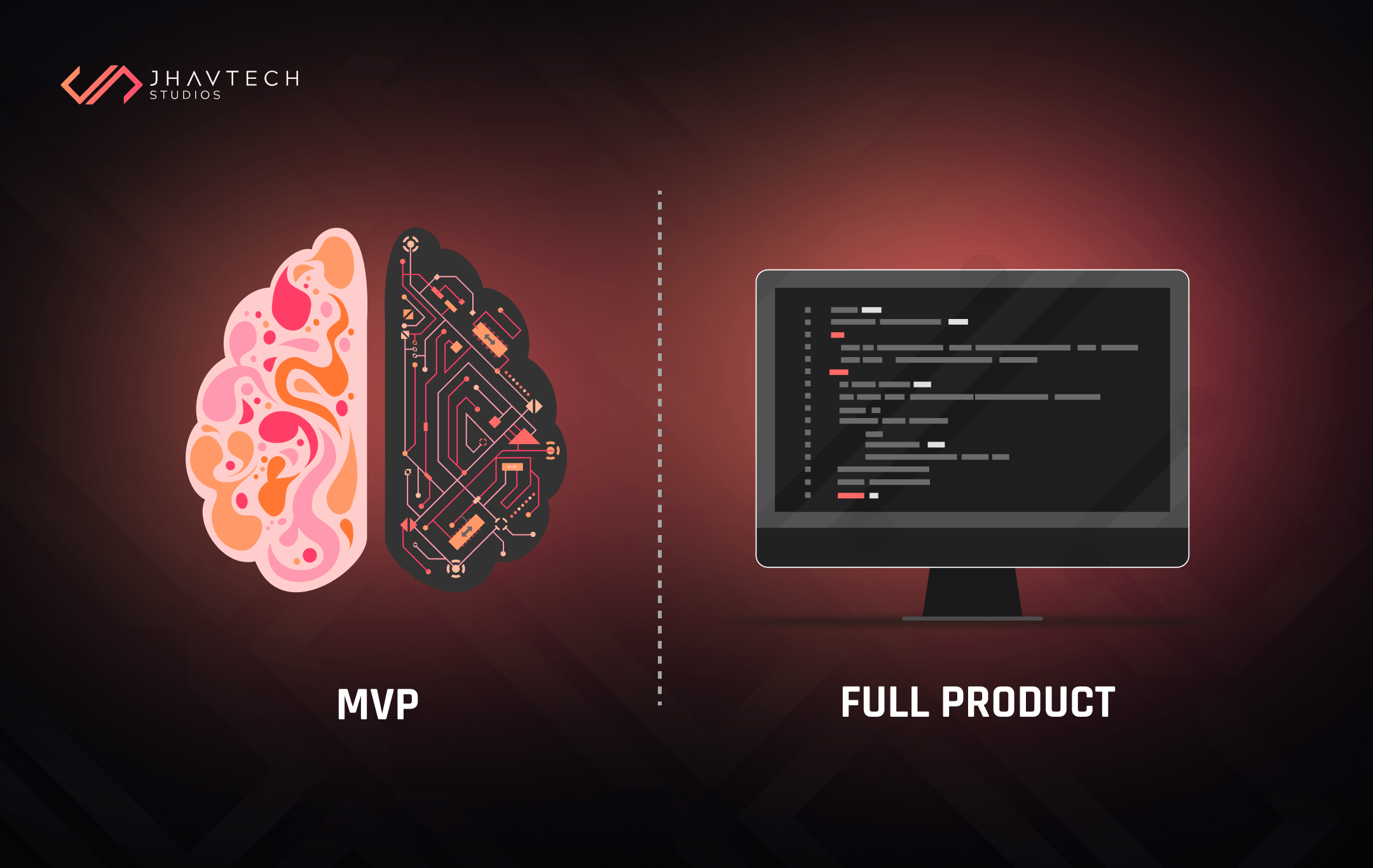
Use AI for Ideation and Prototyping, Not Core Logic: Let AI accelerate your initial ideas and build rapid prototypes. It’s fantastic for generating initial UI components, basic functions, or boilerplate code. However, when it comes to core business logic, critical security features, or complex architectural decisions, human oversight is paramount.
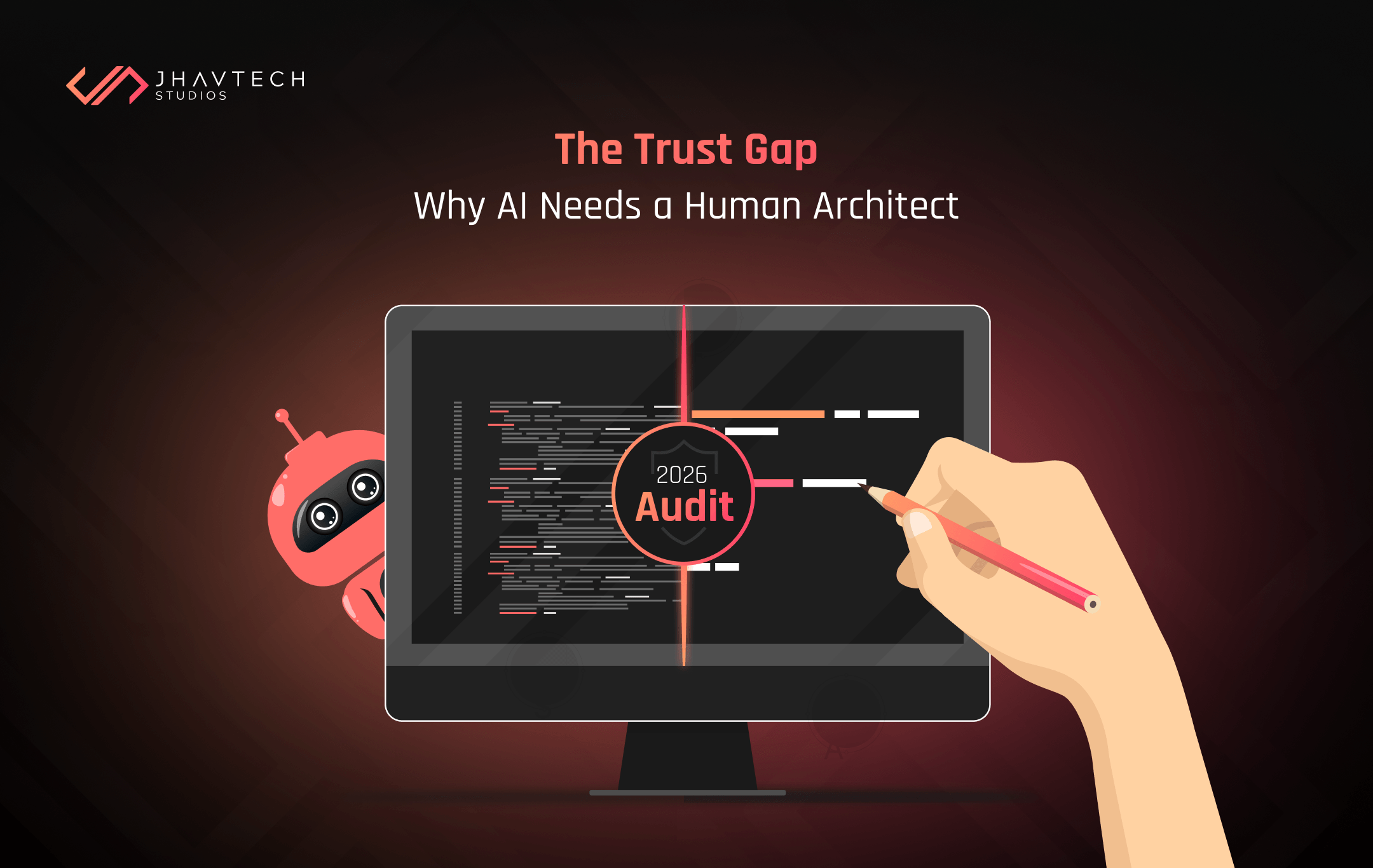
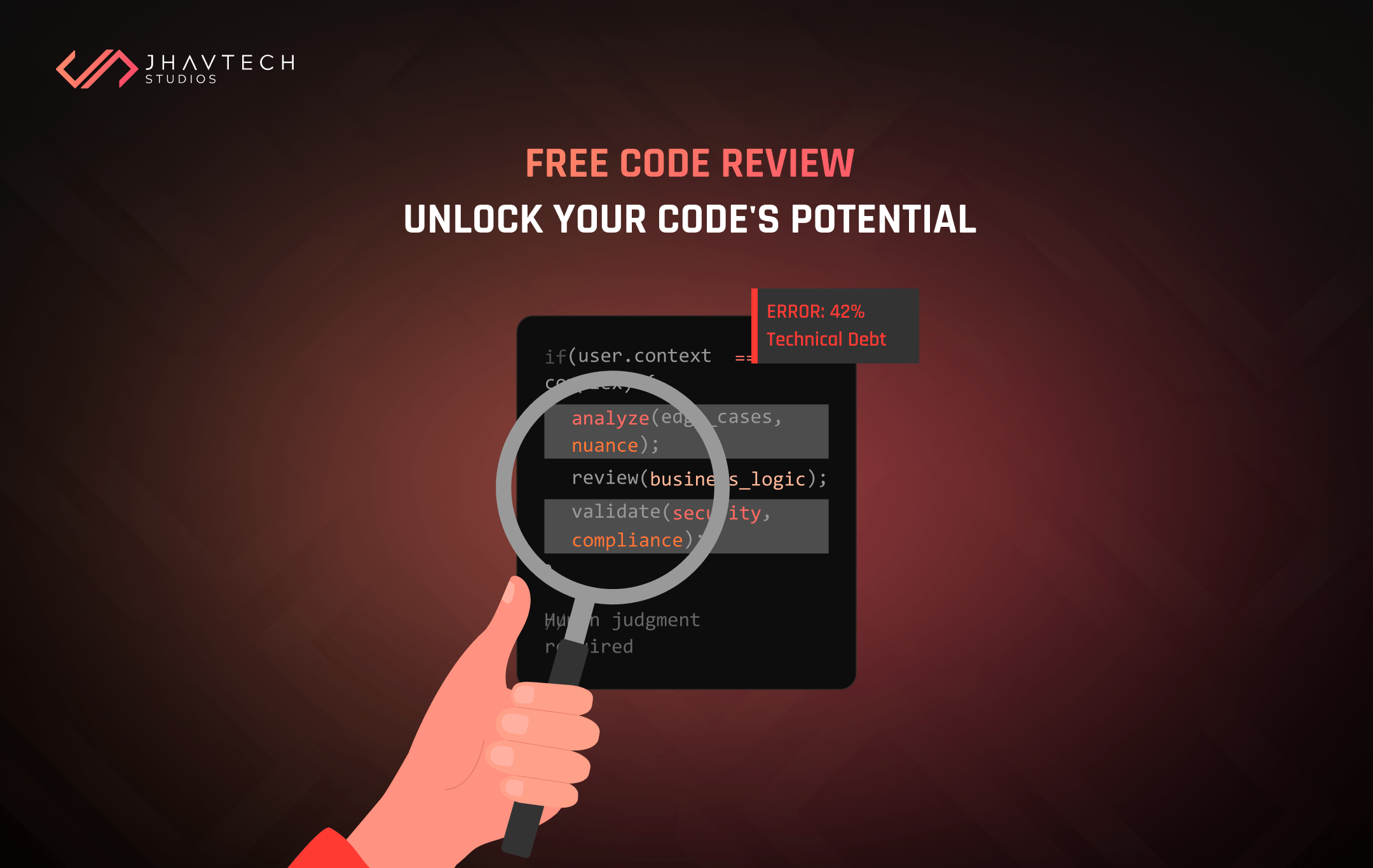
Regular Code Audits: Implement a rigorous process of code reviews, even for AI-generated sections. Experienced human developers should regularly audit the codebase to identify vulnerabilities, refactor complex sections, and ensure adherence to best practices. This is crucial for addressing the risks of building a startup MVP with vibe coding.
Invest in Skilled Developers: Don't view AI as a replacement for talent. Instead, see it as a tool that empowers your developers to be more productive. Having a strong, experienced team can leverage AI tools effectively while mitigating their inherent risks. They can guide the AI, correct its mistakes, and ensure the resulting codebase is clean, secure, and scalable.
Embrace DevOps Solutions: Implementing robust DevOps solutions from the outset can help catch issues early. Continuous Integration/Continuous Deployment (CI/CD) pipelines with automated testing, linting, and security scans can act as an early warning system for problems introduced by rapid vibe coding.
Plan for the Future: When you're dreaming of scaling, consider the long-term maintainability of your code. Will new developers be able to jump in and understand the system? Will the existing architecture support future features and increased user load? Proactive planning can save significant costs and headaches down the road.
Your Codebase: A Foundation, Not a Flimsy Facade
At Jhavtech Studios, we understand the allure of rapid development, and we embrace AI as a powerful tool. However, we also believe that your startup's codebase is its most critical asset. It's the foundation upon which your entire business is built. Just as you wouldn't build a skyscraper on a shaky foundation, you shouldn't launch your dream product on a codebase riddled with hidden flaws.
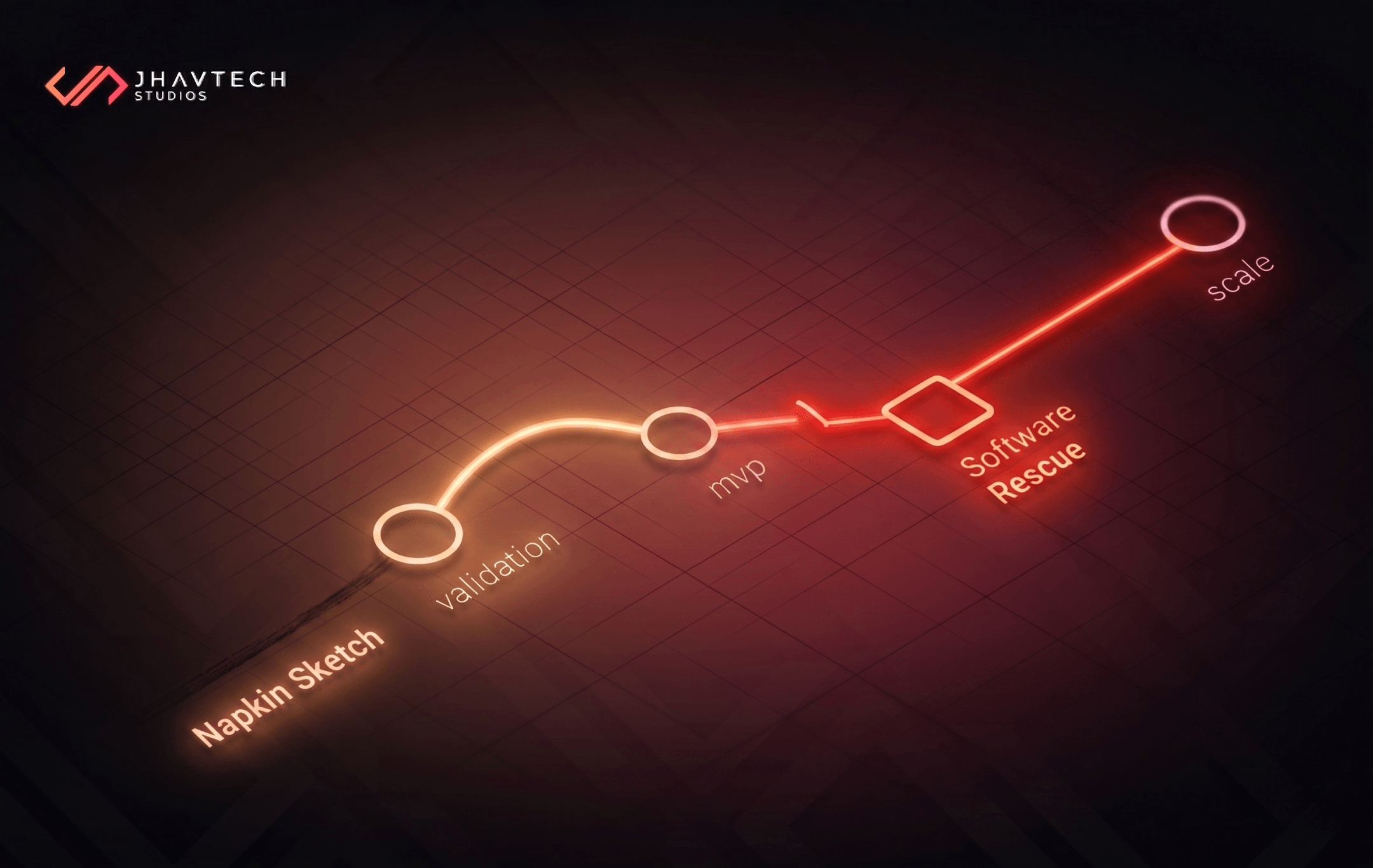
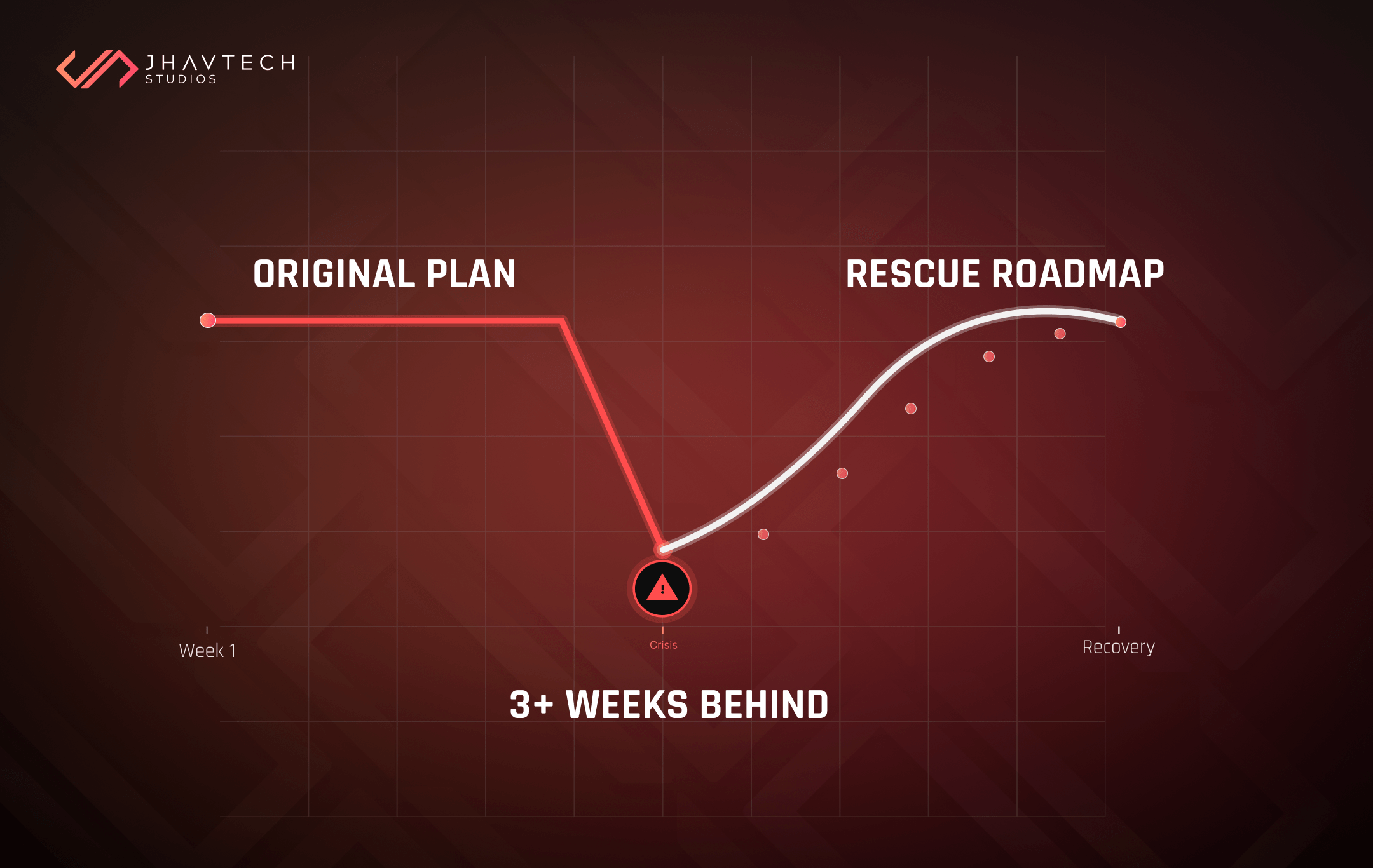
If you've already dived headfirst into AI-driven development and are now facing the challenges of an unwieldy or insecure codebase, remember that it's not too late. Services like software project rescue can help you untangle complex AI-generated systems, refactor crucial components, and put your startup back on a stable, scalable path.
The future of software development is undoubtedly intertwined with AI. But the smartest founders will understand that while AI can generate code, human intelligence, experience, and strategic foresight are what truly build sustainable, secure, and successful products. Don't let the immediate gratification of vibe coding overshadow the long-term health and viability of your startup.
.webp)
.png)

.webp)
.webp)
.webp)
.webp)
.webp)
.webp)

.webp)
.webp)
.png)
.png)
.png)
.png)
.png)
.png)
.png)
.png)
.png)
.png)
.png)
.png)
.png)
.png)
.png)
.png)
.png)
.png)
.png)
.png)
.png)
.png)
.png)
.png)
.png)
.png)
.png)
.png)
.png)
.png)
.png)
.png)
.png)
.png)
.png)
.png)
.png)
.png)
.png)
.png)
.png)
.png)
.png)
.png)

.png)
.png)
.png)

.png)