.svg)
.svg)


CTO Red Flags: 8 Warning Signs Your Software Is Becoming Unmanageable
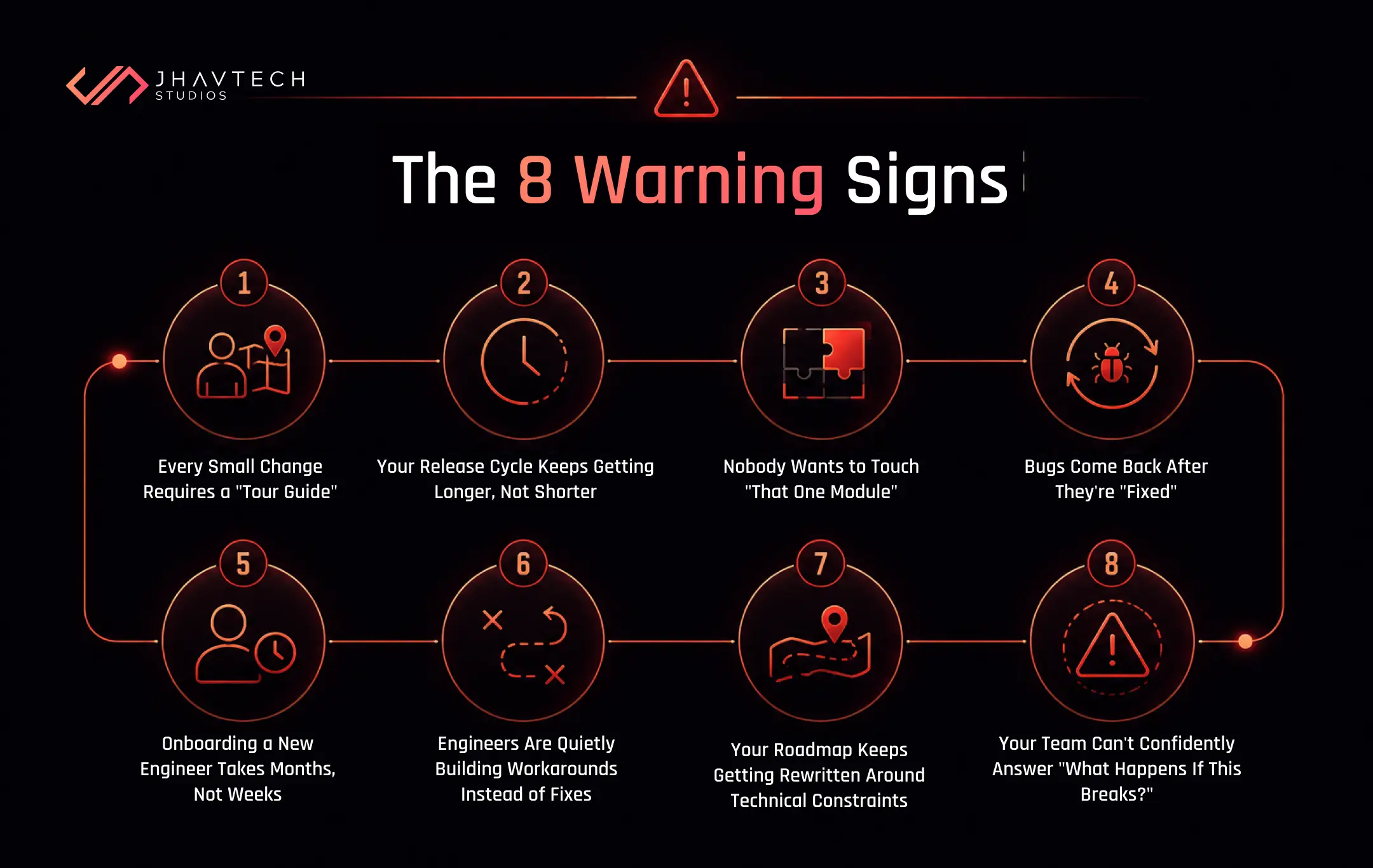
Software management issues rarely announce themselves. They show up as small delays, a bug that keeps coming back, or a deploy that takes three people and a Friday-night prayer. This guide breaks down the 8 clearest warning signs that your codebase is sliding into unmanageable territory, why they happen, and what to do before the rebuild bill lands on your desk.
If you're a founder or CTO reading this on your phone between meetings, here's the short version: software management issues don't start as crises. They start as a slightly annoying pattern that everyone learns to work around. Then one day, the pattern is the whole system, and nobody can tell you with a straight face when the next feature will ship.
We've sat across the table from enough startups and SMEs to know the moment a leadership team realises their software has become unmanageable. It's rarely a dramatic outage. It's usually a quieter moment... a sprint planning session where every estimate gets doubled "to be safe," or an investor asking a technical question nobody on the team can answer confidently.
This isn't a knock on your engineers. Most of these red flags are the natural result of moving fast, hiring quickly, and making decisions under pressure. That's normal. What's not normal is ignoring the signs once they show up. So let's walk through the eight warning signs, what's actually happening under the hood, and how to catch software complexity before it catches you.
Why Software Management Issues Sneak Up on Growing Companies
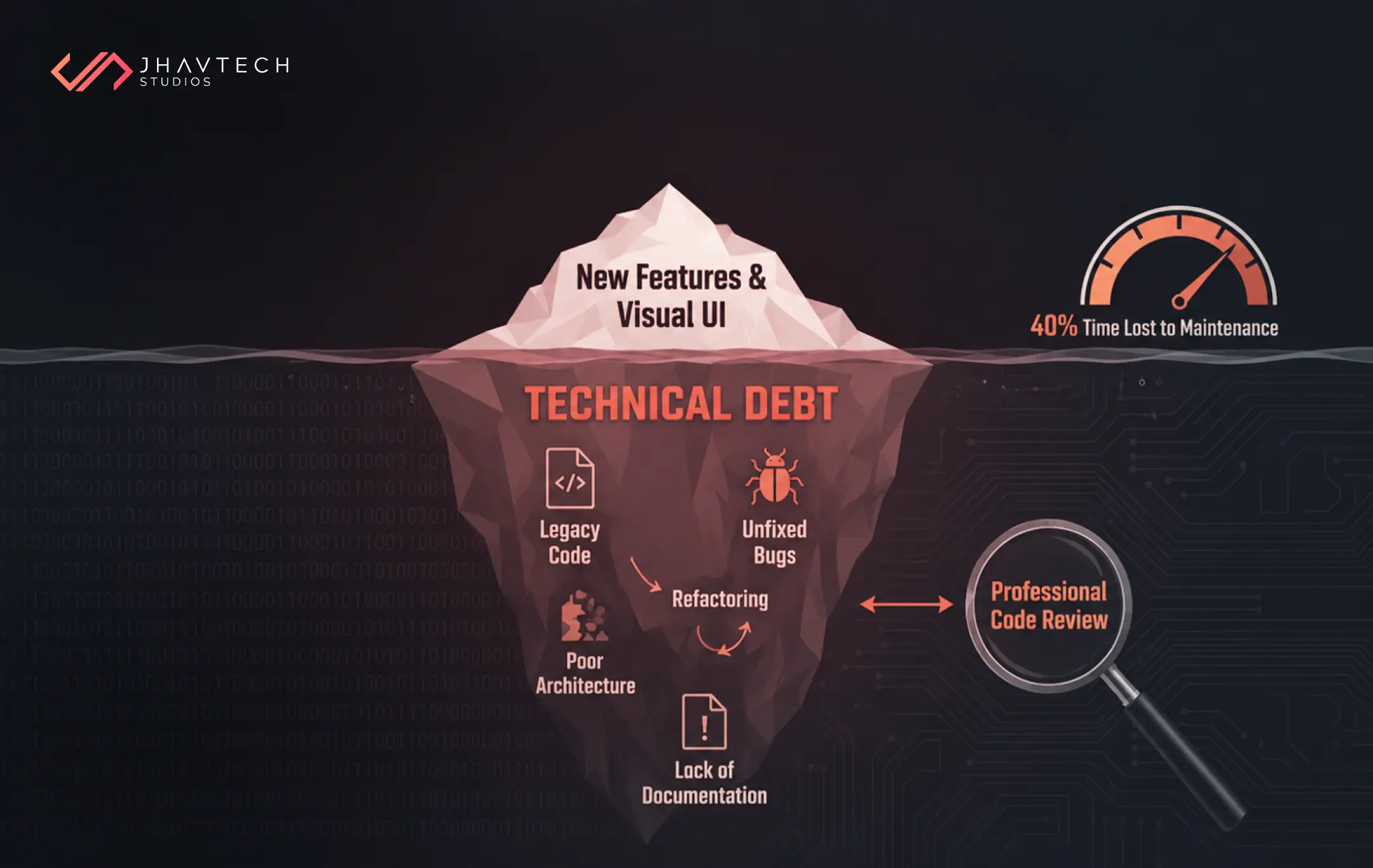
Here's the uncomfortable truth: the technology decisions that get a startup to product-market fit are rarely the same decisions that let it scale. Shortcuts that saved you three weeks pre-Series A can cost you three months post-Series B. And the compounding is brutal: Deloitte's 2026 Global Technology Leadership Study estimates that technical debt now eats up 21% to 40% of an organisation's total IT spend. That's not a rounding error. That's nearly half your engineering budget going toward keeping the lights on instead of building what's next.
It gets more specific. Gartner projects that by 2026, 80% of technical debt will be architectural rather than simple code-level messiness, meaning the problems aren't sloppy variable names anymore, they're structural decisions baked into how the whole system talks to itself. And according to a report cited by OutSystems, 69% of IT leaders say technical debt actively limits their ability to innovate. In other words, this isn't a developer complaint. It's a business constraint.
The good news: every one of these warning signs is observable, well before it becomes a five-alarm fire. Here's what to watch for.
The 8 Warning Signs Your Software Is Becoming Unmanageable
1. Every Small Change Requires a "Tour Guide"
If a junior developer can't touch a feature without pulling in someone who's been there three years, you've got a knowledge bottleneck disguised as a technical one. This is one of the earliest and most telling technical leadership problems, not because the code is necessarily bad, but because understanding it lives in one or two people's heads instead of in documentation, tests, or a sane architecture.
Quick Fix: Immediately implement a Knowledge Sharing Hour where engineers document their most recent feature work, even if it’s just a rough architectural sketch.
What it costs you: Bus factor risk. If your "tour guide" takes two weeks off, your roadmap takes two weeks off with them.
2. Your Release Cycle Keeps Getting Longer, Not Shorter
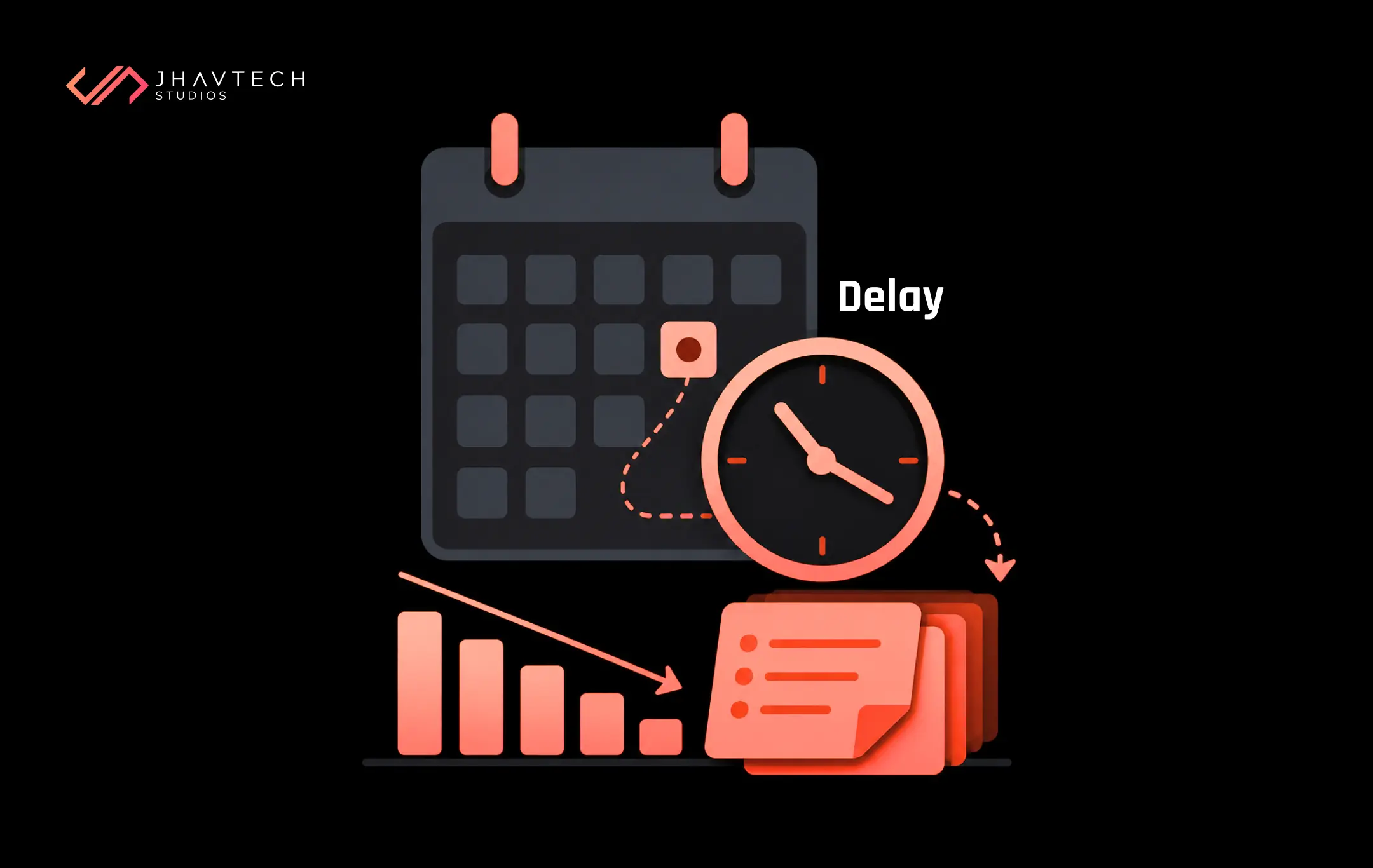
Teams should get faster as a codebase matures. This entails more tests, more tooling, more shared understanding. If your releases are slowing down instead, that's a strong sign engineering debt has quietly taken over. Every new feature now has to route around three other features that were never meant to interact.
This is exactly the pattern we unpack in our breakdown of why development teams keep missing delivery deadlines. It's almost never about developer effort. It's about the system fighting back.
Pro-Tip: Don't confuse more code with more progress; if velocity is dropping, you are likely hitting an architectural ceiling.
3. Nobody Wants to Touch "That One Module"
Every unmanageable codebase has one. The payments module. The onboarding flow. The reporting engine nobody dares refactor because "it just works, don't ask how." This is a textbook symptom of poor architecture decisions made early and never revisited, usually because there was never a natural pause to go back and fix them.
Quick Fix: Isolate the module behind a clean API; stop adding features directly to the mess and build new logic around it while gradually weaning the system off the legacy code.

4. Bugs Come Back After They're "Fixed"
If the same class of bug reappears in slightly different clothing every few sprints, you're not fixing bugs, you're treating symptoms. The root cause is almost always structural: tightly coupled components, missing test coverage, or logic duplicated across the codebase instead of centralised in one place.
Pro-Tip: A common misconception is that more testing will fix this; if the architecture is tightly coupled, testing just becomes a way to document the chaos rather than solving it.
5. Onboarding a New Engineer Takes Months, Not Weeks
Recent research on comprehension debt highlights something worth sitting with: as more code gets written with AI assistance, teams are shipping faster than they're understanding what they've shipped. New engineers inherit code nobody can fully explain. If ramp-up time keeps stretching, your system's complexity has outpaced your team's shared understanding of it.
Quick Fix: Start a Code Archeology initiative where senior team members take 30 minutes a week to explain why specific complex patterns exist to the rest of the team.
6. Engineers Are Quietly Building Workarounds Instead of Fixes
When your team starts routinely saying "let's just wrap it" or "we'll patch around it for now," pay attention. Workarounds aren't inherently bad; sometimes they're the right call under deadline pressure. But when they become the default response instead of the exception, you're accumulating exactly the kind of software complexity that's cheap today and expensive in eighteen months.
Quick Fix: Create a Debt Tracker in your project management tool that treats a workaround as a temporary ticket. If it’s not cleaned up within two sprints, it’s a liability.
7. Your Roadmap Keeps Getting Rewritten Around Technical Constraints
If product ideas keep getting shelved not because they're bad ideas but because the current architecture can't support it, that's your system setting the agenda instead of your business strategy. This is one of the more damaging technical leadership problems because it's invisible to non-technical stakeholders. The roadmap just quietly shrinks, feature by feature, with a vague explanation attached.
Investors notice this too. In fact, it's one of the first things due diligence teams probe for; something we cover in more depth in what investors actually look for in a startup's technology stack.
Pro-Tip: Pay close attention during due diligence; investors often spot this "roadmap erosion" before you do, as it signals a lack of technical scalability.
8. Your Team Can't Confidently Answer "What Happens If This Breaks?"
This is the big one. If a production incident would send your team scrambling to figure out what's connected to what, rather than following a known process, your software has crossed from complex but manageable into genuinely unmanageable territory. Complexity itself isn't the enemy; every real system has some. Complexity nobody understands is the enemy.
Quick Fix: Run a Failure Mode workshop where you pick one core service, ask "what if this goes down?", and map the impact until you have a clear recovery plan.
Red Flags at a Glance
To help you quickly identify if your software is heading toward unmanageable territory, the table below maps each of the eight common warning signs to their underlying root causes and the specific business impacts they generate.

A Quick Self-Audit Checklist
Before your next leadership meeting, run through this list honestly:
[ ] Can at least two engineers explain how your core system works, end to end?
[ ] Has your average release cycle gotten shorter or longer over the last two quarters?
[ ] Is there a module or service your team actively avoids touching
[ ] Have you had the same bug reappear in a different form more than once?
[ ] Does onboarding a new engineer take longer than 30 days to reach independent contribution?
[ ] Are workarounds becoming the default instead of the exception?
[ ] Has a product idea been shelved in the last six months purely for technical reasons?
[ ] Could your team explain, right now, what breaks if your primary database goes down?
If you checked three or more boxes, it's worth a closer look, ideally from someone outside the day-to-day pressure of your own roadmap.
What to Do Once You've Spotted the Red Flags
Recognising software management issues is step one. Step two is resisting two common overreactions: panicking into a full rewrite or shrugging it off as "just how software is." Neither serves you well.
The more useful path is a structured audit, someone independent looking at your codebase, your architecture, and your delivery process, and telling you plainly what's fixable in weeks versus what needs a longer runway. For teams past the point of a light audit, bringing in a dedicated team to stabilise and rebuild what's broken is often faster and cheaper than starting from scratch. That's a very different conversation from a generic "let's modernise everything" pitch. Sometimes the fix is targeted: better test coverage around your riskiest module, documentation for your most fragile integration, or a phased refactor of the one system holding your roadmap hostage. If your product has a customer-facing layer that's compounding the pain, say a mobile experience that's become just as tangled as your backend, it's worth having that assessed alongside everything else, since our team also works hands-on building and untangling customer-facing mobile products that need to scale without breaking.
We've written before about the specific tipping point where a project moves from needs attention to needs intervention. It’s worth a read if you want a more granular gut-check: how to know if your software project needs a rescue team. And if legacy systems specifically are the drag on your growth, we've mapped that out separately in why legacy software is slowing down your business growth.
One more thing worth saying plainly: none of this requires a massive budget to start. Sometimes the first move is simply getting a second set of technical eyes on your existing codebase before committing to any direction, which is exactly why an outside, no-obligation look at your code is often the fastest way to separate real risk from normal growing pains.

The Bottom Line
Unmanageable software isn't a verdict on your team's talent. It's usually a byproduct of growing faster than your architecture was built to handle. The companies that stay ahead of it aren't the ones with zero technical debt (nobody has zero technical debt). They're the ones who catch the warning signs early, ask for outside perspective before the cracks widen, and treat software health as a leadership responsibility, not just an engineering one.
If any of the eight signs above sounded familiar, that's not a bad sign. It's an early one, and early is exactly when it's cheapest to act.
Frequently Asked Questions














.webp)
.webp)
.webp)
.webp)
.webp)

.webp)
.webp)

.webp)
.webp)





.png)
.png)
.png)
.png)
.png)
.png)


.png)
.png)
.png)
.png)
.png)
.png)
.png)



.png)

.png)


.png)




.png)
.png)
.png)
.png)
.png)
.png)
.png)
.png)
.png)
.png)
.png)

.png)

.png)

.png)
.png)
.png)
.png)
.png)
.png)
.png)



.png)
.png)
.png)
.png)
.png)
.png)
.png)