.svg)
.svg)


The Biggest Technology Risks Facing Australian Startups in 2026
.webp)
Why 2026 Is a Different Kind of Year for Aussie Founders
Let's be honest. Every year gets called "the year everything changed" for startups. Most of the time that's marketing noise. But 2026 actually feels different, and the data backs it up.
Roughly one in three Australian startups fail in their first year, and three out of four are gone by year five, according to research from the University of Technology Sydney. That figure hasn't shifted much in a decade. What has changed is why startups fail. In Wilbur Labs' 2026 founder survey, the share of founders blaming "running out of money" dropped from 38% in 2023 to 25%, while technology and product issues jumped to become the second most-cited cause of failure at 44%, close behind competition and shifting market dynamics.
Read that again. Technology problems are now nearly as deadly to a startup as market forces. For a country like Australia, where small businesses employ over 5.1 million people and form the backbone of the economy, that shift matters enormously.
So if you're a founder or a decision-maker at an SME, the question isn't whether technology risk applies to you. It's which risks are most likely to sink you, and what you can do about them before they do. Let's walk through the four that should be keeping you up at night, and a few practical ways to sleep better.
Risk #1 - AI Disruption Is Rewriting Your Roadmap Faster Than You Can Ship
The double-edged sword nobody warned you about
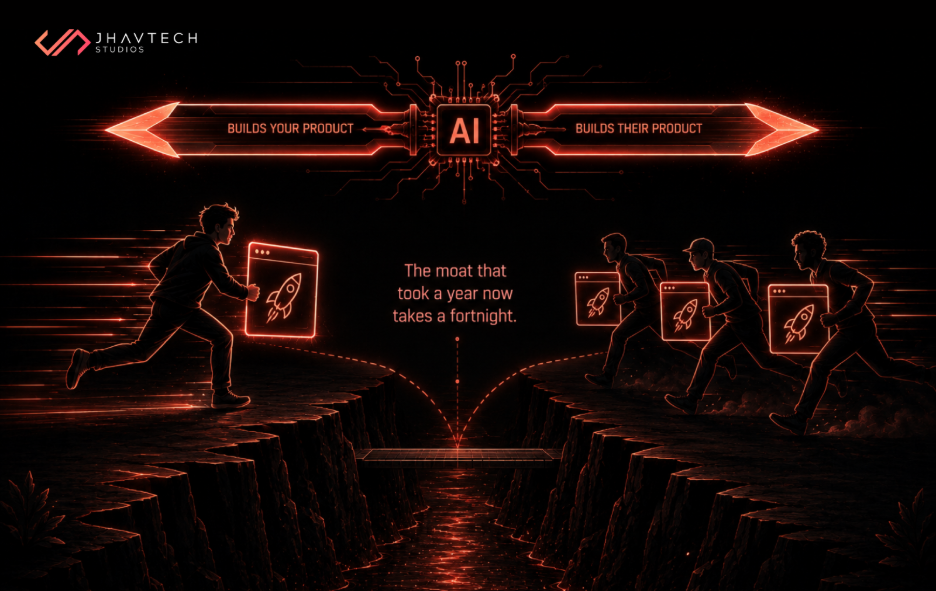
AI is the best and worst thing to happen to startups in a generation. It's never been cheaper or faster to build a product. The flip side? It's never been cheaper or faster for someone else to build your product.
This is the uncomfortable reality of AI disruption in 2026. When you can spin up an MVP in a weekend using AI-assisted development, so can the three other founders who had the same idea. The moat that used to take competitors a year to cross now takes them a fortnight. That Wilbur Labs survey found 81% of founders said their company pivoted from its original idea, with 57% making a major pivot or multiple pivots. Pivoting isn't a sign of failure anymore. It's survival.
What this means for your business
The danger here is subtle. It's not that AI will replace you overnight. It's that AI compresses your window to find product-market fit. If your differentiation lives entirely in a feature that a large language model can replicate, you're building on sand.
The founders getting this right are doing two things. First, they're using AI to move faster on the boring stuff, freeing up their team to focus on the genuinely hard problems that create defensibility, such as proprietary data, network effects, and deep customer relationships. Second, they're validating relentlessly before committing engineering months to a bet. If you want a practical framework for that, our guide on the fastest way to validate a SaaS idea without wasting money breaks down how to test demand before you write a single line of production code.
The startups that treat AI as a magic "build" button tend to ship fast and die faster. The ones that treat it as an accelerant for a validated idea are the ones pulling ahead.
Risk #2 - Cybersecurity Risks Have Become a Survival Issue, Not an IT Line Item
The numbers are genuinely frightening
If you take one section of this blog seriously, make it this one. Cybersecurity risks have quietly become the single most expensive mistake an Australian startup can make.
The average cost of a data breach in Australia has risen to AUD $4.22 million, up 38% since 2019, according to IBM's 2026 Cost of a Data Breach Report. The technology sector specifically averages AUD $5.51 million per incident, second only to financial services. And here's the kicker for 2026: IBM found that 32% of malicious attacks in Australia now involve AI-generated elements, meaning attackers are using the same tools you are, just pointed in the opposite direction.
It gets worse for smaller players. The Australian Signals Directorate's 2024-25 Annual Cyber Threat Report recorded more than 84,700 reports of cybercrime, with the average self-reported cost for businesses rising to around A$80,850, up 50% in a single year. Globally, various studies suggest that 60% of small businesses that suffer a serious cyberattack close within six months.
Why startups are such juicy targets
Attackers love startups for the same reason investors do: you move fast and you're growing. But moving fast usually means security gets deferred. "We'll harden it after the launch" becomes "we'll harden it after the raise" becomes a breach notification email to your entire customer base.
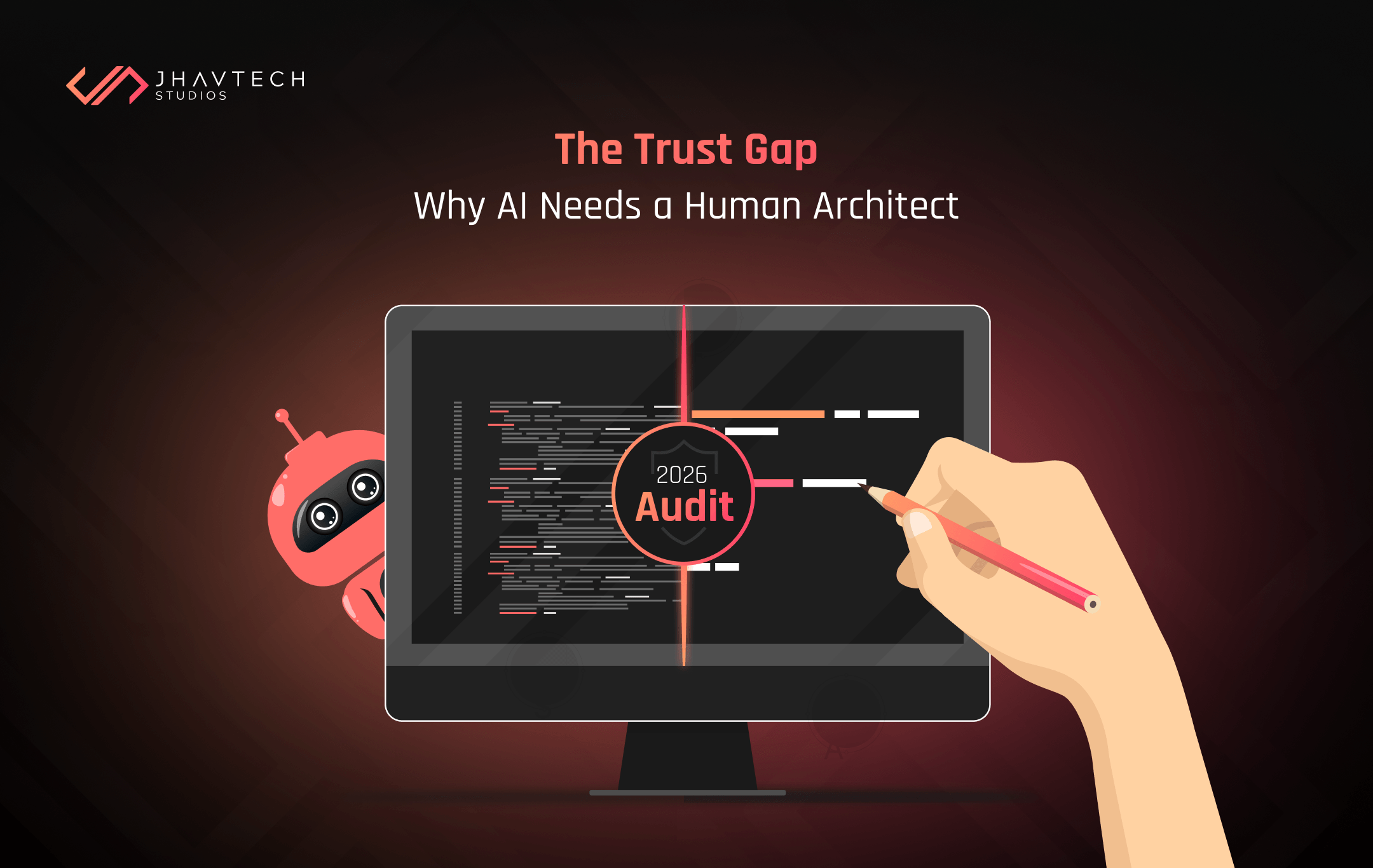
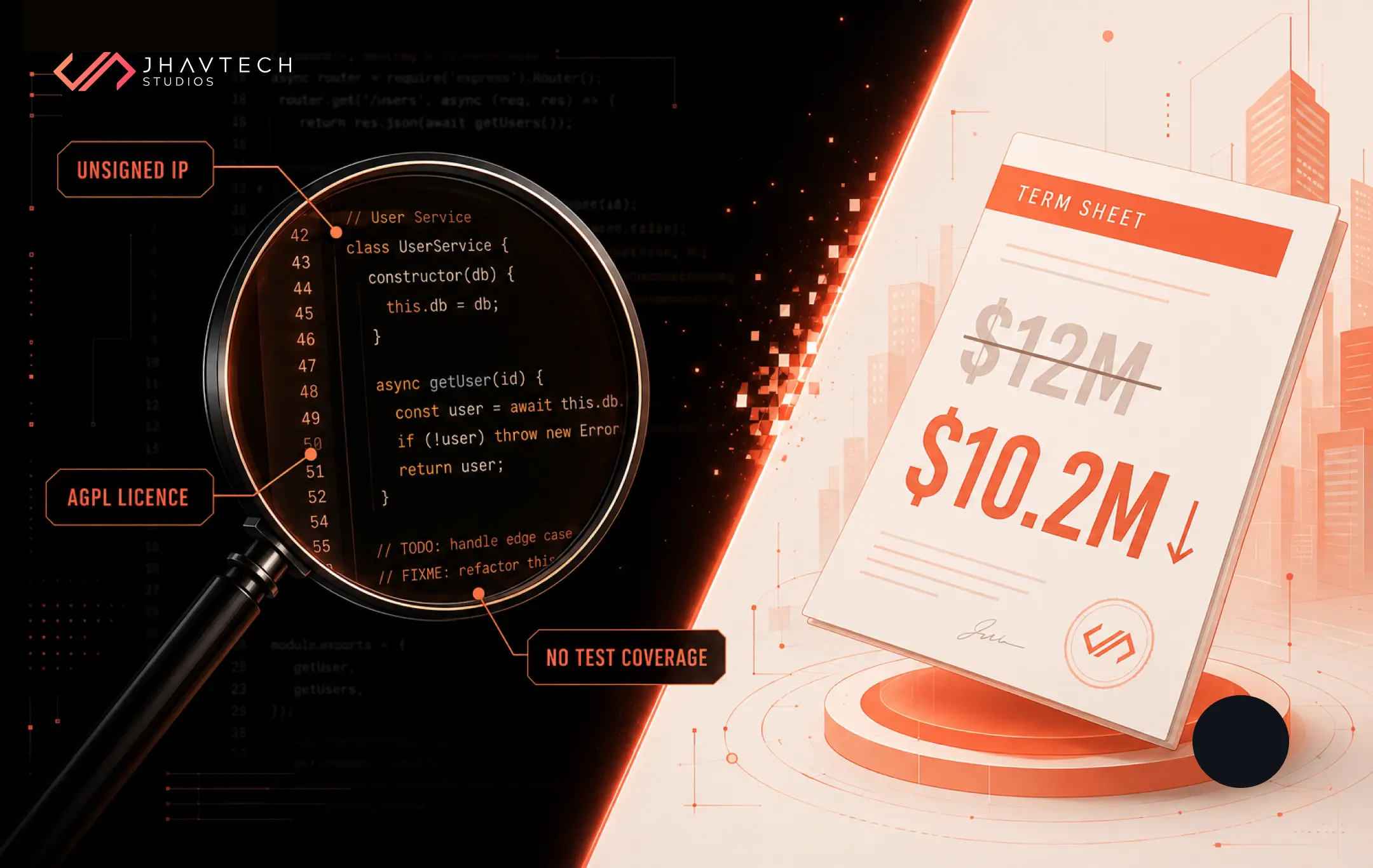
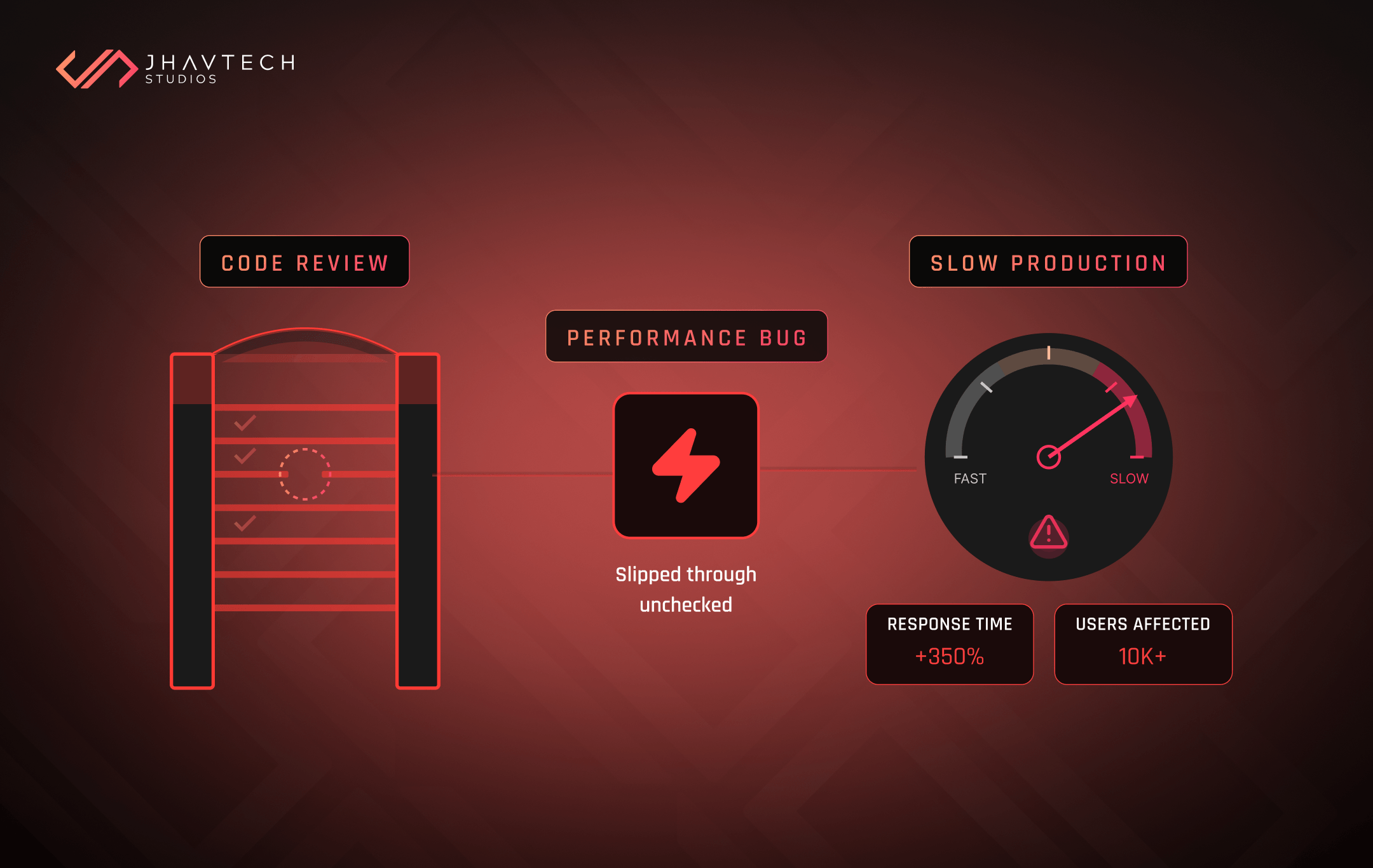
The human element is still the way in. Phishing and stolen credentials remain the most common initial attack vectors, which means your risk isn't just about firewalls. It's about people, process, and the code underneath. A surprising number of vulnerabilities trace back to messy, undocumented, or rushed code that nobody has reviewed with fresh eyes. That's exactly why a no-cost review of your codebase is one of the cheapest insurance policies a founder can buy before problems compound.
Risk #3 - Software Scalability Problems That Only Show Up When You Win
The problem you want, that becomes the problem that kills you
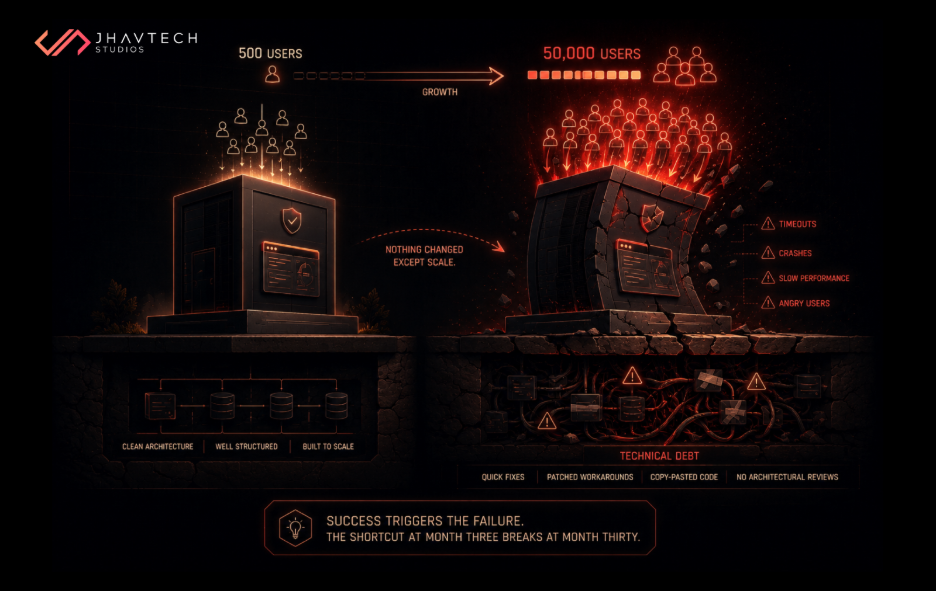
Here's a cruel irony. Software scalability problems only bite you when things are going well. Your app works beautifully with 500 users. Then a feature goes semi-viral, you land an enterprise client, or a marketing campaign actually works, and suddenly 50,000 people hit your servers. That's when the cracks appear.
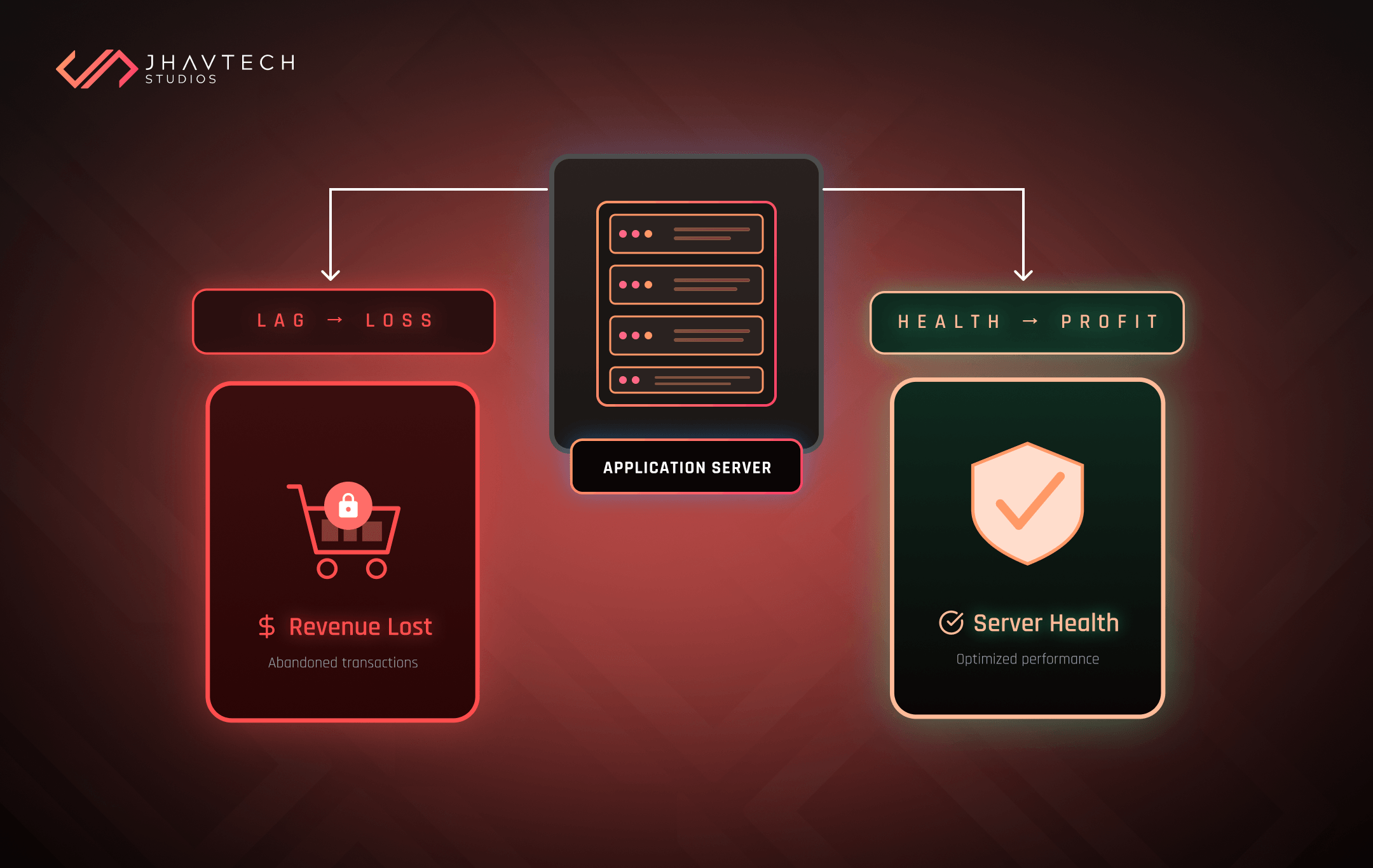
Poor architecture decisions made early, often to save time or money, tend to surface at the worst possible moment. Slow load times, crashes during traffic spikes, database bottlenecks, and spiralling infrastructure costs are all symptoms of the same disease: a system designed to launch, not to grow. We've written before about how poor software architecture creates long-term business risks, and the pattern is almost always the same. The shortcut that felt smart at month three becomes the emergency at month eighteen.
The hidden cost of technical debt
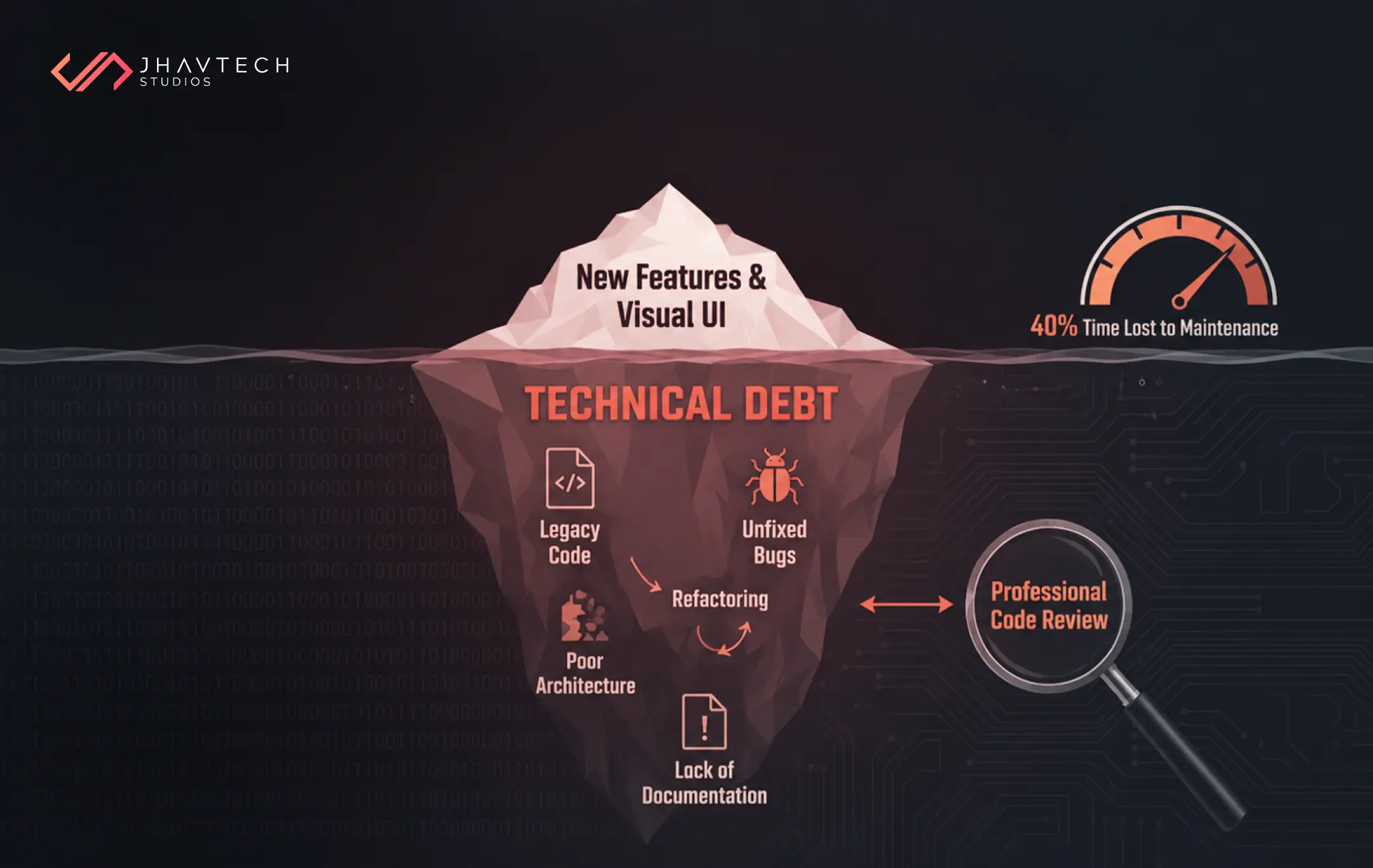
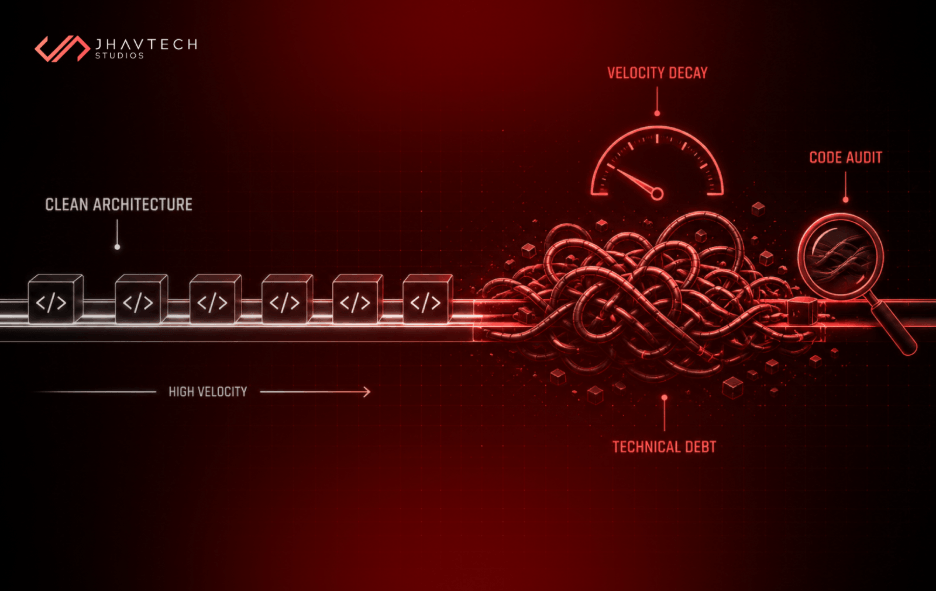
Scalability problems are really technical debt wearing a different hat. Every rushed decision, every "we'll fix it later," every copy-pasted workaround adds interest to a loan you'll eventually have to repay, usually with your runway.
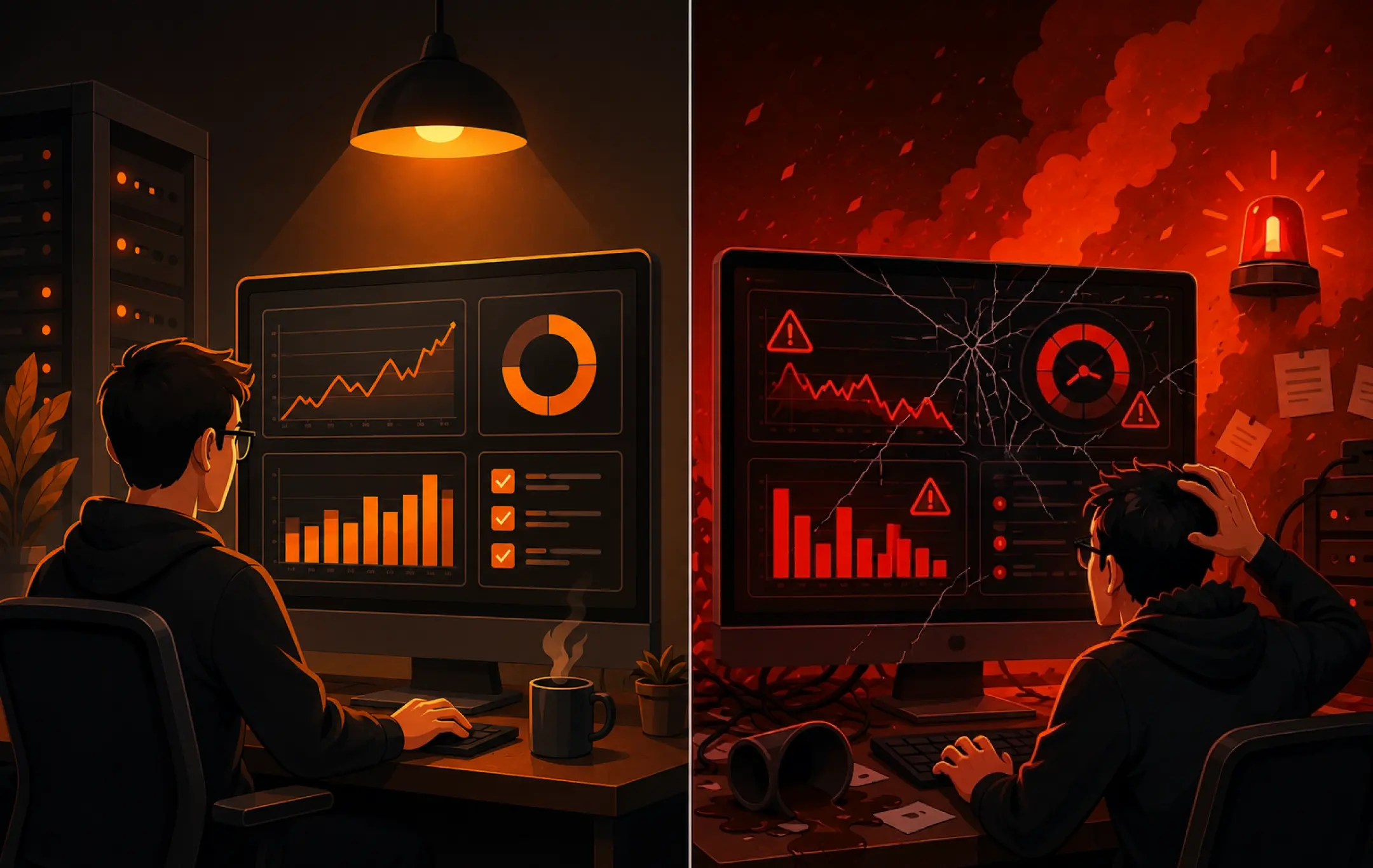
The tricky part is that this debt is invisible to non-technical founders until it's catastrophic. Your product looks fine on the surface. Users are happy. Then growth arrives and the whole thing groans under load. By then you're not refactoring calmly. You're firefighting while customers churn and your engineering team burns out.
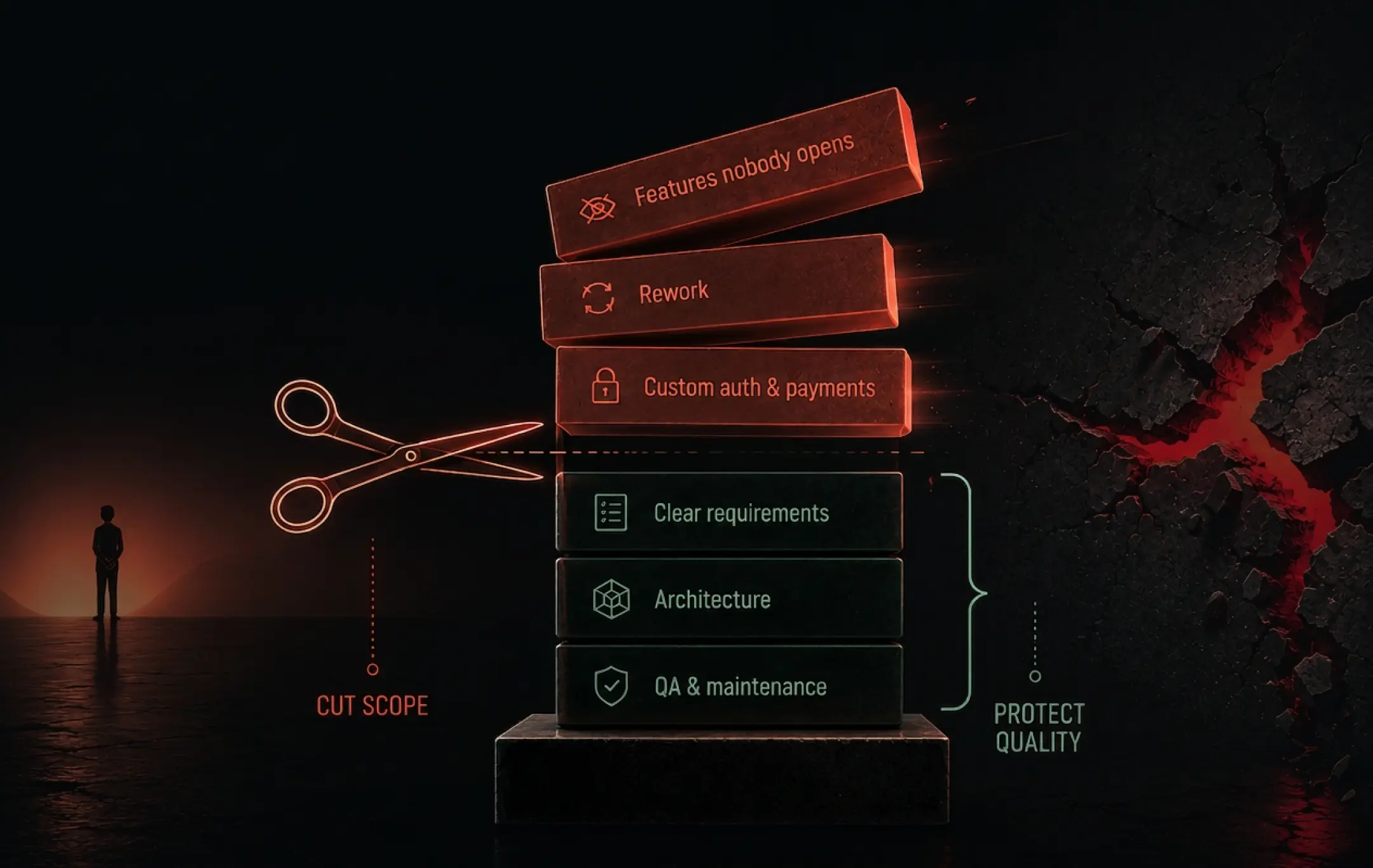
The fix isn't to over-engineer everything from day one. That's its own trap, and a great way to run out of cash building for scale you never reach. The fix is deliberate architecture choices, honest technical debt tracking, and periodic reviews that catch structural problems while they're still cheap to solve.
Risk #4 - Product Delivery Challenges: The Silent Runway Killer
When "almost done" becomes a way of life
Ask any founder who has been through it, and they'll tell you the same thing: the project that's perpetually "90% done" is where startups quietly bleed out.
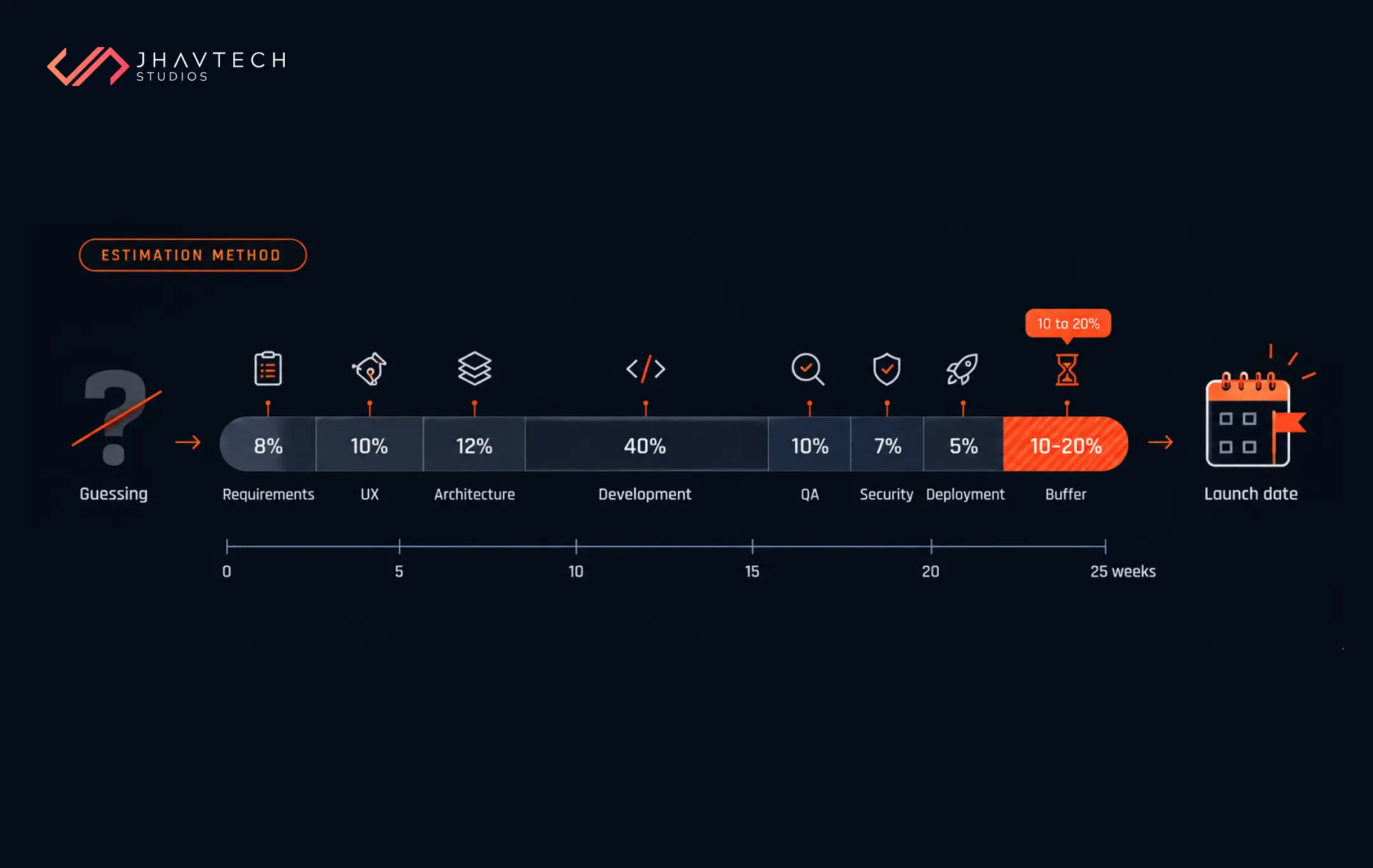
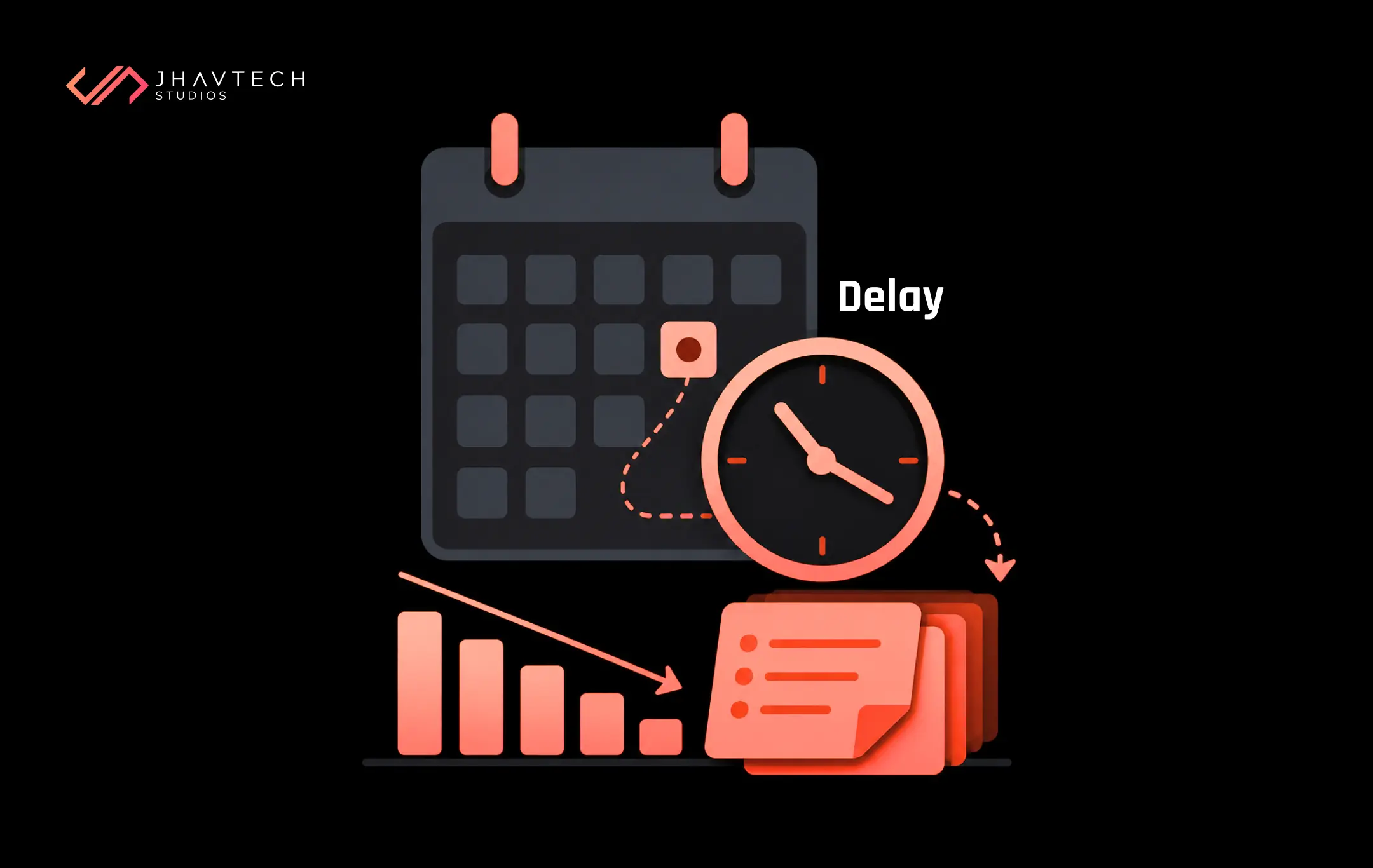
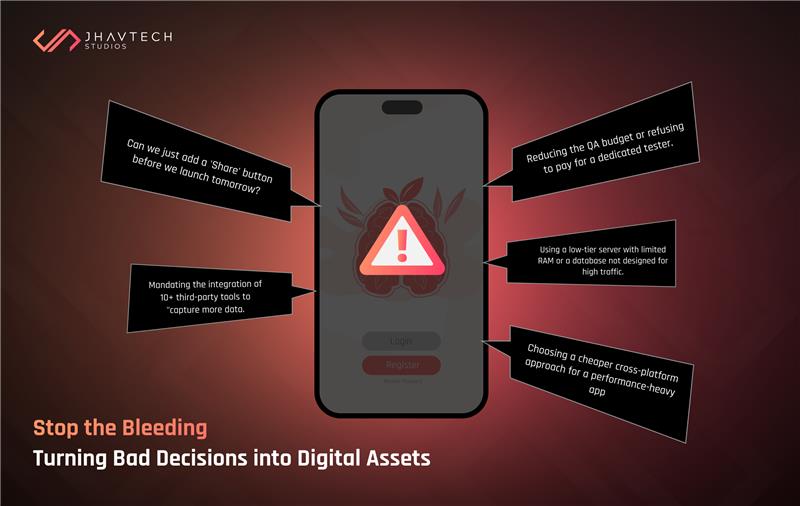
Product delivery challenges are the least glamorous risk on this list and arguably the most common. Missed deadlines, scope creep, a development partner who goes quiet, a rewrite that was supposed to take six weeks and is now in month four. None of it makes headlines. All of it drains cash and morale.
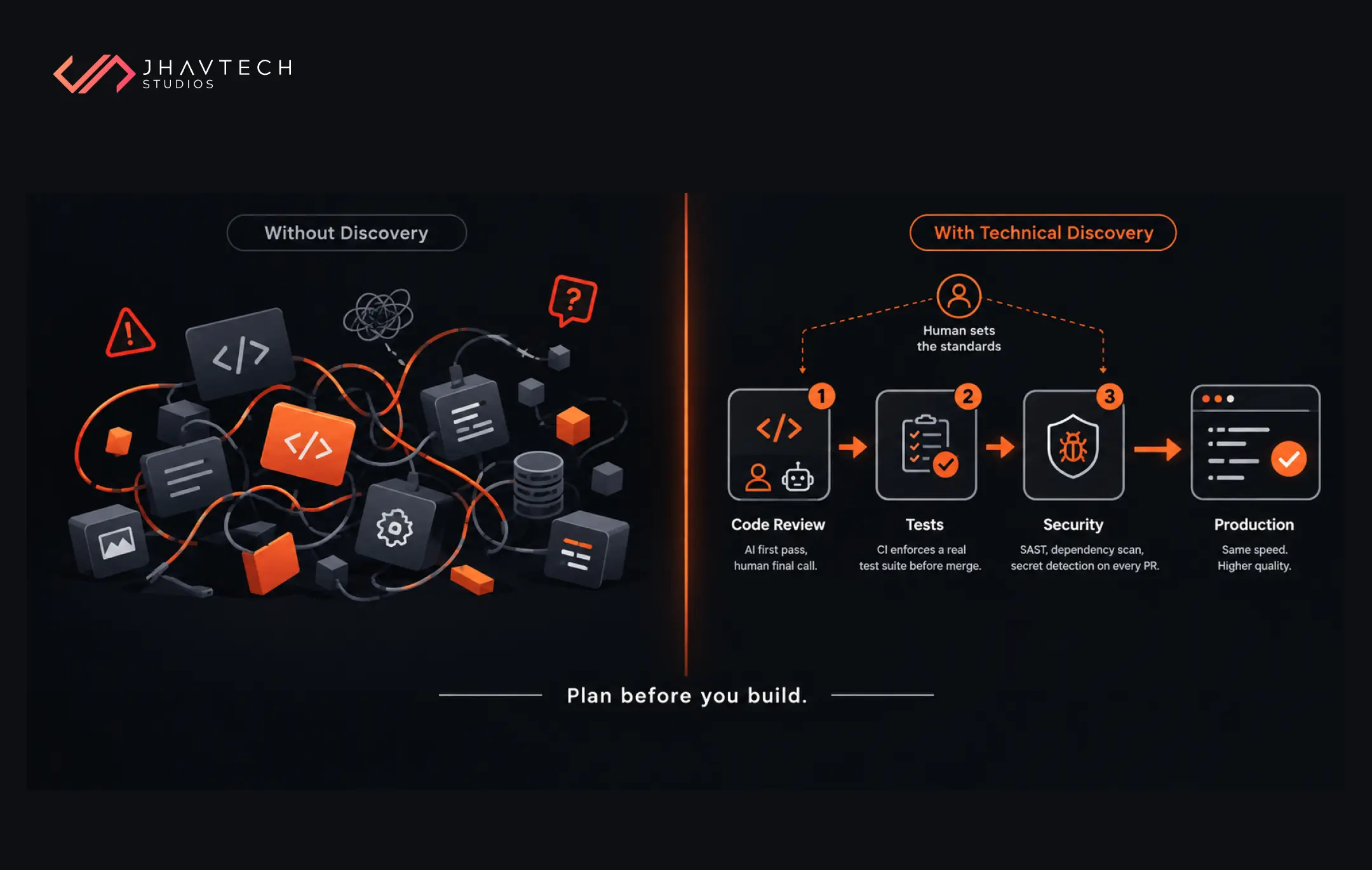
This connects directly to one of the biggest strategic mistakes we see. Skipping proper discovery. When teams rush into building without validating what they're building or how they'll deliver it, they set themselves up for exactly these delays. Our piece on what happens when startups skip product discovery digs into how a few weeks of upfront clarity can save months of expensive drift.
The rescue scenario nobody plans for
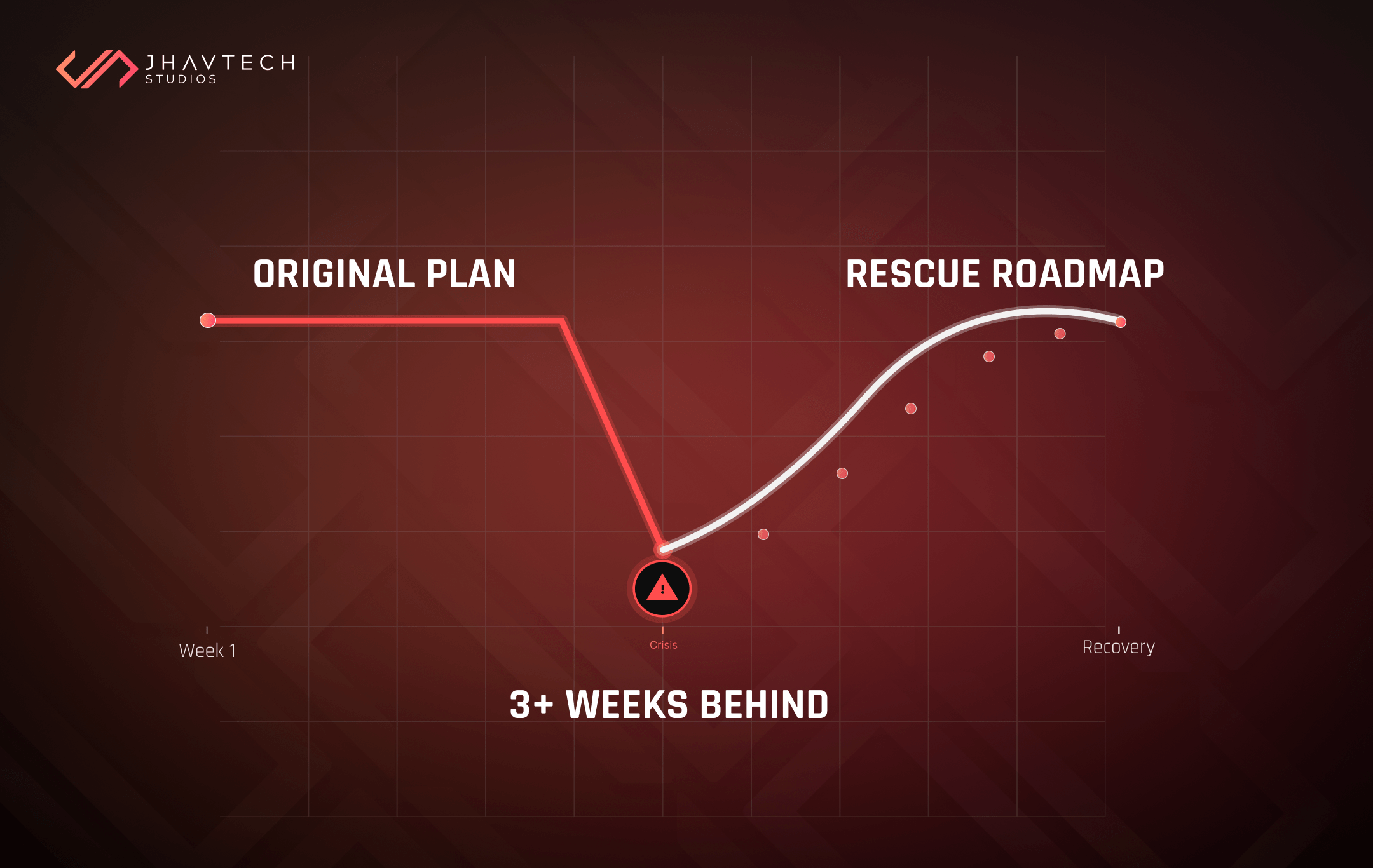
Sometimes the delivery problem has already happened. The build has stalled, the original developers are gone, the code is a mystery, and the launch date has slipped three times. This is more common than founders admit, and it's rarely fatal if caught in time. Getting an experienced team to step in and revive a stalled or troubled build is often the difference between a launch and a write-off. The mistake isn't hitting trouble. Every startup does. The mistake is waiting too long to ask for help.
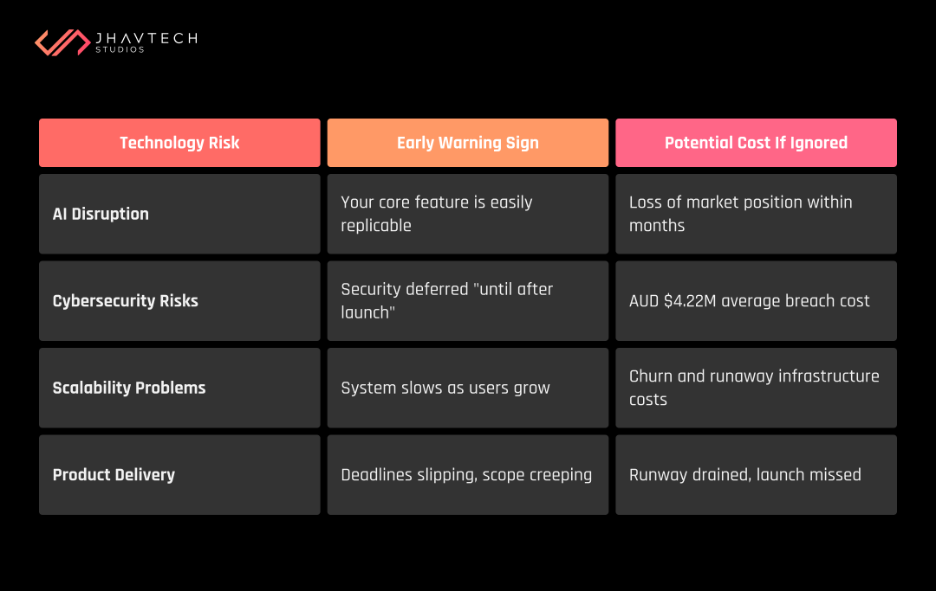
A Quick Reference: The Four Risks at a Glance
Here's how the four risks stack up, so you can gauge where your own startup is most exposed.
Your 2026 Startup Technology Risk Checklist
Print this out. Stick it on the wall. Run through it every quarter. Managing startup technology risks isn't a one-time event; it's a habit.
- We've validated demand before committing serious engineering time to any major feature.
- Our differentiation doesn't rely on something an AI tool can replicate in a weekend.
- We've had our codebase reviewed by an independent set of eyes in the last six months.
- Multi-factor authentication and basic security hygiene are enforced across the team, not optional.
- We know our architecture can handle 10x our current load, or we have a clear plan to get there.
- We track technical debt deliberately rather than discovering it during a crisis.
- Our development process has clear milestones and we act fast when deadlines slip.
- We have a plan for what happens if a build stalls or a key developer leaves.
- Someone owns risk as an ongoing responsibility, not an afterthought before the next raise.
If you ticked fewer than six of these, you're carrying more risk than you probably realise. That's not a reason to panic. It's a reason to act.
The Bottom Line for Australian Founders
Here's the thing about startup technology risks in 2026. None of them are new, exactly. Founders have always dealt with competition, security, scale, and delivery. What's changed is the speed. AI has compressed every timeline, attackers have sharpened every tool, and the margin for error has shrunk.
The good news? The startups that survive aren't the ones with the biggest teams or the most funding. They're the ones that treat these risks as engineering disciplines to be managed continuously, not fires to be fought reactively. Validate before you build. Secure before you launch. Architect for the growth you want. Deliver with discipline. Ask for help before the situation becomes a rescue.
Do that, and you're already ahead of most of the field. Australia's startup ecosystem is genuinely one of the most vibrant in the world. The founders who make it through are simply the ones who respected the risks enough to get ahead of them.
Frequently Asked Questions





.webp)
.webp)
.webp)
.webp)
.webp)
.webp)

.webp)
.webp)


.png)
.png)
.png)
.png)
.png)
.png)

.png)
.png)
.png)
.png)
.png)
.png)
.png)


.png)

.png)

.png)


.png)
.png)
.png)
.png)
.png)
.png)
.png)
.png)
.png)
.png)
.png)

.png)

.png)

.png)
.png)
.png)
.png)
.png)
.png)
.png)


.png)
.png)
.png)
.png)
.png)
.png)
.png)
.png)
.png)
.png)