.svg)
.svg)


API Integration Costs in Australia: What Businesses Should Budget in 2026
Key Takeaways
- API integration costs in Australia in 2026 typically range from around $1,000 to $10,000 for a simple third-party connection, $15,000 to $40,000 for mid-sized projects, and well past $100,000 for enterprise builds.
- The single biggest cost driver is not the API itself. It is the number of systems that need to talk to each other and how tightly the data has to sync.
- Senior integration engineers in Australia sit at the top of the global pay range, which is why local scoping decisions matter so much.
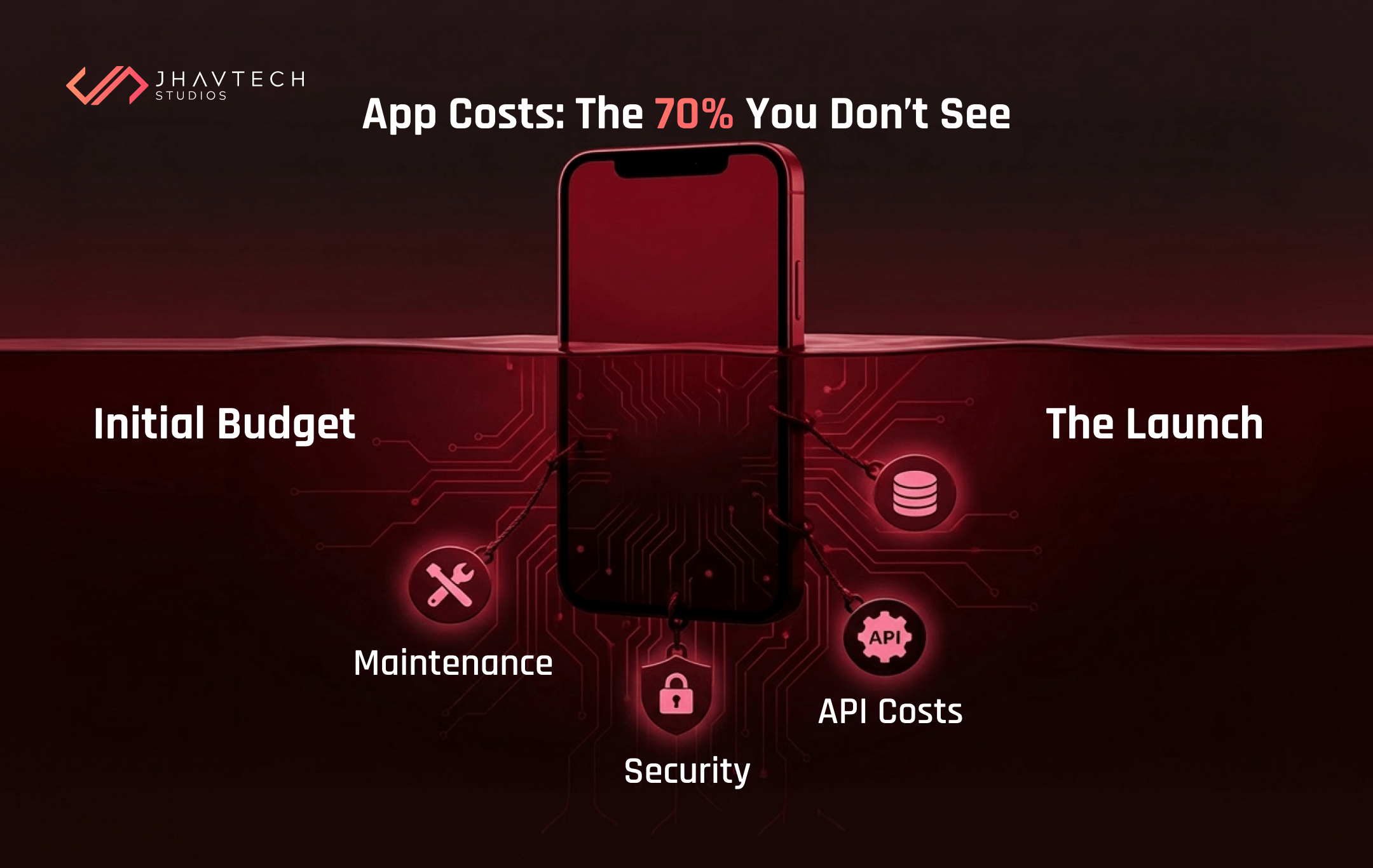
- Ongoing maintenance is the cost most businesses forget. Budget one to two weeks of engineering time per integration, per year, just to keep things running.
- Platform pricing is shifting. Xero moved to usage-based API pricing in March 2026, a reminder that third-party API fees are now a moving target you need to plan around.
Why API Integration Became a Line Item You Can't Ignore
A few years ago, connecting your software to a payment gateway or an accounting platform felt like a small technical chore. You plugged in a key, tested a few transactions, and moved on. That era is over.
In 2026, API integration sits at the centre of how Australian businesses run. Your online store talks to Stripe. Your invoices flow into Xero. Your leads land in HubSpot or Salesforce. Your support tickets sync with your CRM. And increasingly, an AI model somewhere is reading, summarising, or routing all of it. Each of those connections is a small engineering project with its own authentication, its own data mapping, and its own ways of quietly breaking.
That is exactly why budgeting for API integration has become a serious planning exercise rather than an afterthought. Most integrations live inside a larger web application development project, so scoping the two together keeps costs predictable. Get the scoping right and integration pays for itself through automation and fewer manual errors. Get it wrong and you end up with a bloated estimate, a half-finished sync, and a team firefighting broken data flows.
This guide breaks down what you should realistically budget in 2026, where the hidden costs hide, and how to think about the whole thing like a decision maker rather than a developer.
How Much Does API Integration Cost in Australia in 2026?
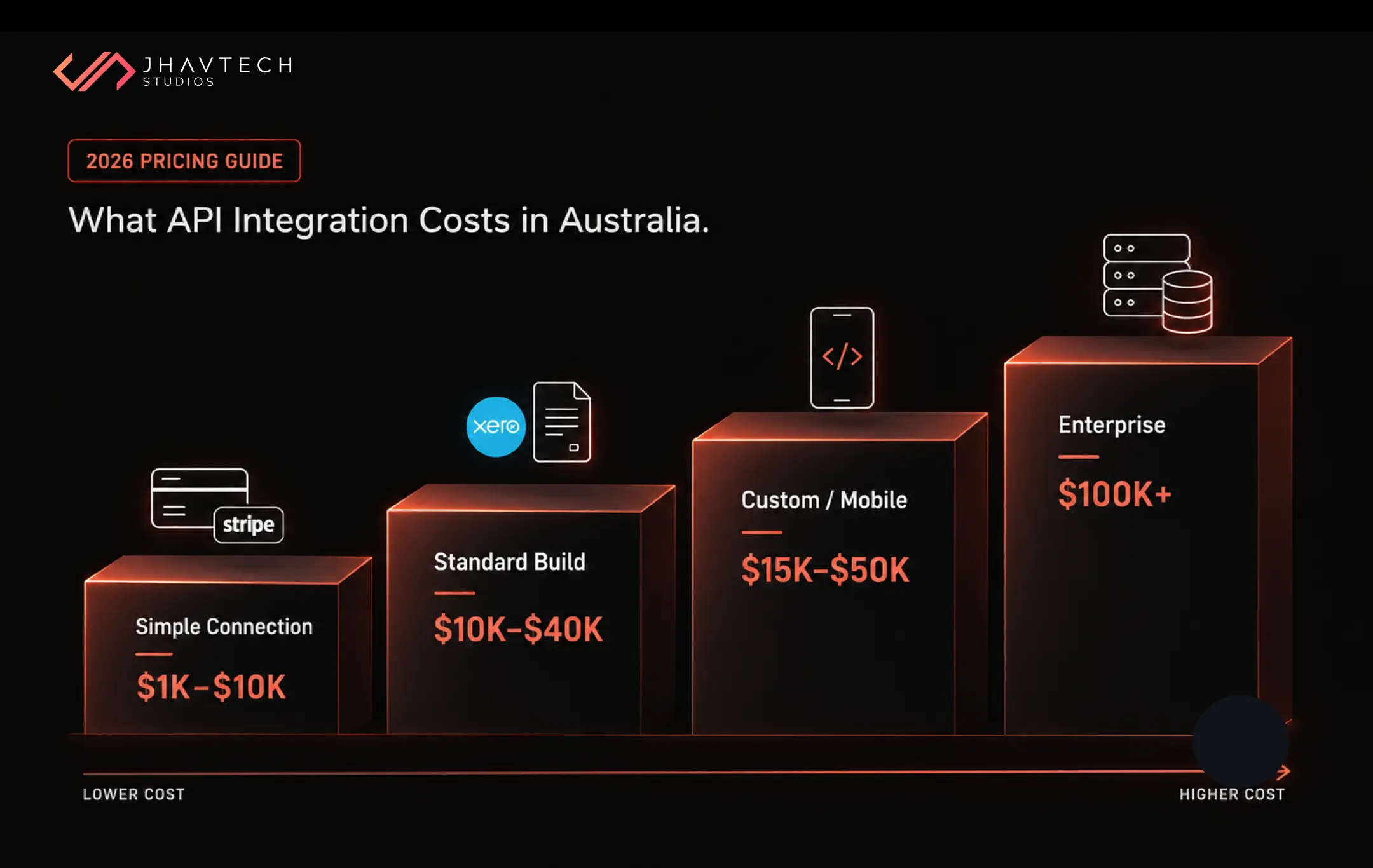
Pricing depends on complexity, the number of systems involved, and how much custom work sits between them. Industry pricing guides in 2026 put a basic API connection in the range of $1,000 to $10,000, mid-size projects at $15,000 to $40,000, and enterprise integrations in regulated sectors anywhere from $100,000 to well over $1M depending on complexity and compliance.
Australia carries a specific cost consideration on top of that. Local engineering talent is among the most expensive in the world. PayScale's Australian integration engineer salary data puts the average base salary at around AU$116,000, climbing toward AU$159,000 at the senior end. Because Australian software engineering standards command premium rates, tight scoping is not optional here. Every unnecessary hour costs more than it would almost anywhere else.
Here is a practical view of where most Australian projects land in 2026.
2026 API Integration Cost Ranges (Australia)
Treat these as planning ranges, not quotes. The right number for your business depends entirely on how many systems are involved and how clean your existing data is.
The Cost Driver Nobody Warns You About: Integration Breadth
If you take one idea away from this blog, make it this one. The API itself rarely breaks the budget. What breaks it is the number of systems you're asking to coordinate.
A 2026 analysis of Australian AI and automation implementations found the pattern clearly. A workflow that touches four systems, such as an inbox, a CRM, a document store, and a calendar, costs four to six times more than a single-system build, because each integration carries its own authentication, permissions, and failure modes. The same report noted that the single biggest cost driver is integration breadth, not the choice of AI model or platform.
This is why two businesses can ask for a Salesforce integration and receive wildly different quotes. One wants to push new leads into Salesforce. The other wants Salesforce, their accounting system, their payment gateway, and their internal database to stay in perfect sync in real time. Same platform name, completely different projects.
When you plan your budget, count the connections, not the logos.
What Popular Platform Integrations Cost
Most Australian SMEs end up integrating a familiar set of platforms. Here is what to expect from each.
How Much Does a Payment Gateway Integration Cost? (Stripe, PayPal)
Payment integrations are often the first one businesses tackle, and pricing splits cleanly by where the integration lives:
- Standard web setup (native SDK): $5,000 to $15,000 for early-stage builds using providers like Stripe or PayPal.
- Custom web API development: $10,000 to $30,000 for non-standard architectures.
- Mobile app integration: $15,000 to $50,000, because native SDKs and platform-specific handling add complexity.
- Multi-currency and multi-region: higher again, driven by extra compliance and banking-network requirements.
How Much Does a Xero API Integration Cost?
Accounting integration deserves special attention in 2026 because the ground moved:
- The model changed. On 2 March 2026, Xero moved to a new tiered API pricing model based on active connections and data egress volume, replacing the old revenue-share model.
- Platform fees now apply. Monthly fees range from $0 for Starter users up to $895 for Advanced users, with Enterprise pricing negotiated individually, plus a per-gigabyte charge for data egress.
- The build itself still sits in the standard business integration band, roughly $10,000 to $30,000 depending on how much syncs.
The lesson is bigger than Xero. Third-party API access is no longer reliably free or flat. Budget both the build and the ongoing platform fees and architect the integration to avoid unnecessary data pulls.
Salesforce and HubSpot Integration Pricing in Australia
CRM integrations are where simple quietly becomes complex. Pushing a contact form into HubSpot is cheap. Keeping deal stages, invoices, support tickets, and marketing activity synchronised across Salesforce and your other tools is a multi-system project that belongs in the $15,000 to $40,000 band. Data mapping is the hidden effort. Making sure fields, formats, and flows match between systems is where the engineering hours actually go.
How Much Does AI API Integration Cost for Australian SMEs?
AI is the fastest-growing integration category and the one most likely to surprise your budget. Most single-workflow AI implementations for Australian SMBs cost between $5,000 and $40,000, depending on integration complexity and the software stack involved. The cost is driven less by the AI model and more by how many systems it needs to read from and act on. If you are exploring this, the Jhavtech Studios AI software development team can scope a realistic build rather than an open-ended experiment.
ERP and Internal System Integration Costs
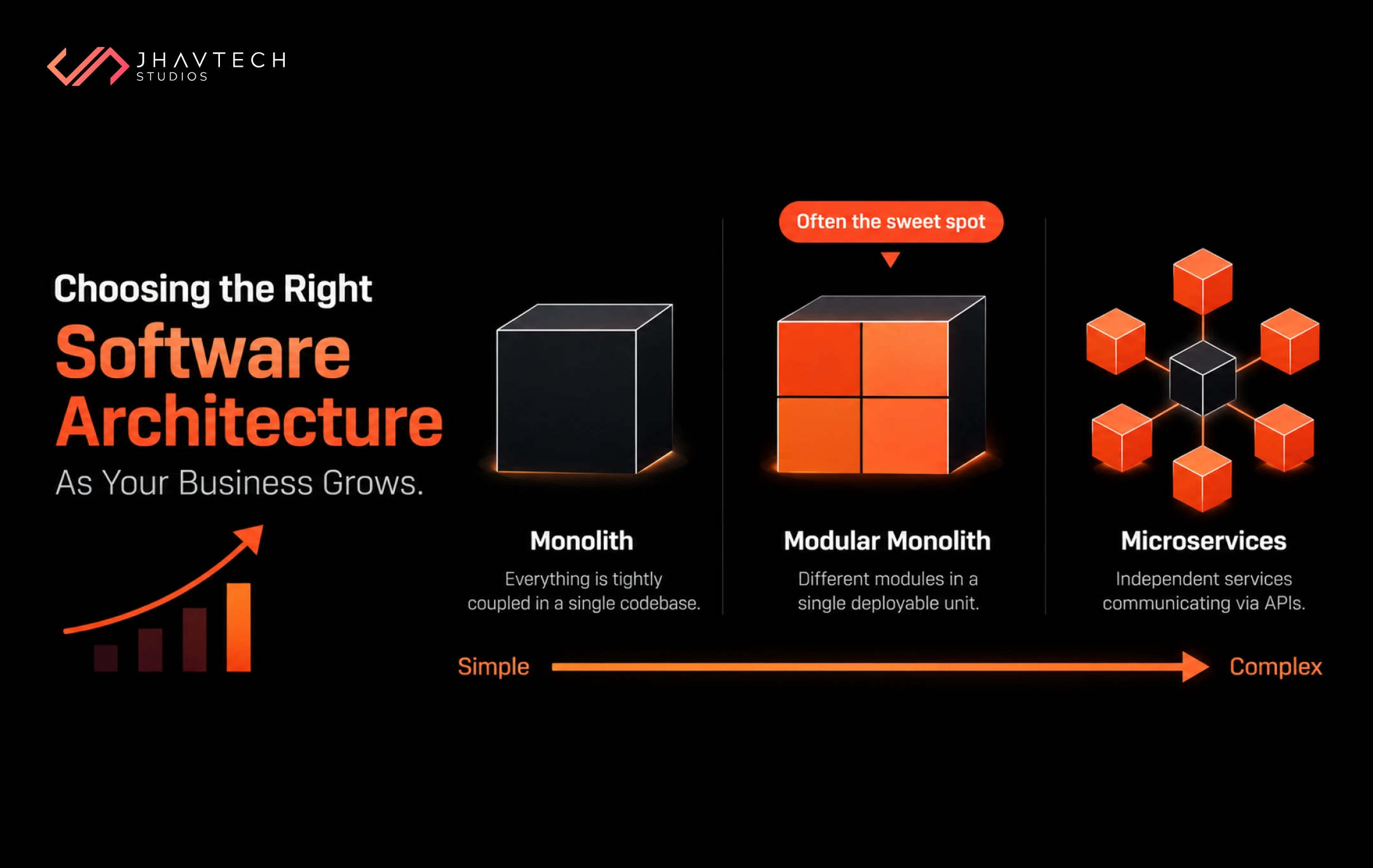
ERP and legacy internal systems are the deep end. Enterprise system integration involves custom API architecture, strict compliance, and often brittle older software that resists modern connections. This is firmly enterprise territory, frequently $100,000 and up. If you are connecting anything mission-critical, the way you structure the whole system underneath matters enormously, which is why it pays to think through your foundations first. The Jhavtech Studios guide on choosing the right software architecture for a growing business is a useful companion read before you commit budget here.
The Cost Everyone Forgets: Ongoing API Maintenance
Shipping the integration is where the real commitment starts, not where it ends.
APIs change constantly. Vendors update schemas, deprecate endpoints, and release new versions, and every one of those changes can break your sync. A 2026 engineering analysis put it plainly: for every active integration, expect one to two weeks of engineering time per year just to keep it working. Across a stack of fifteen integrations, that adds up to fifteen to thirty weeks annually, nearly a full engineering year.
There is a quieter cost buried in there too. Integrations fail silently, and without proper monitoring you find out about broken syncs from customers rather than from a dashboard. Building that monitoring is part of doing integration properly, and it is part of the budget.
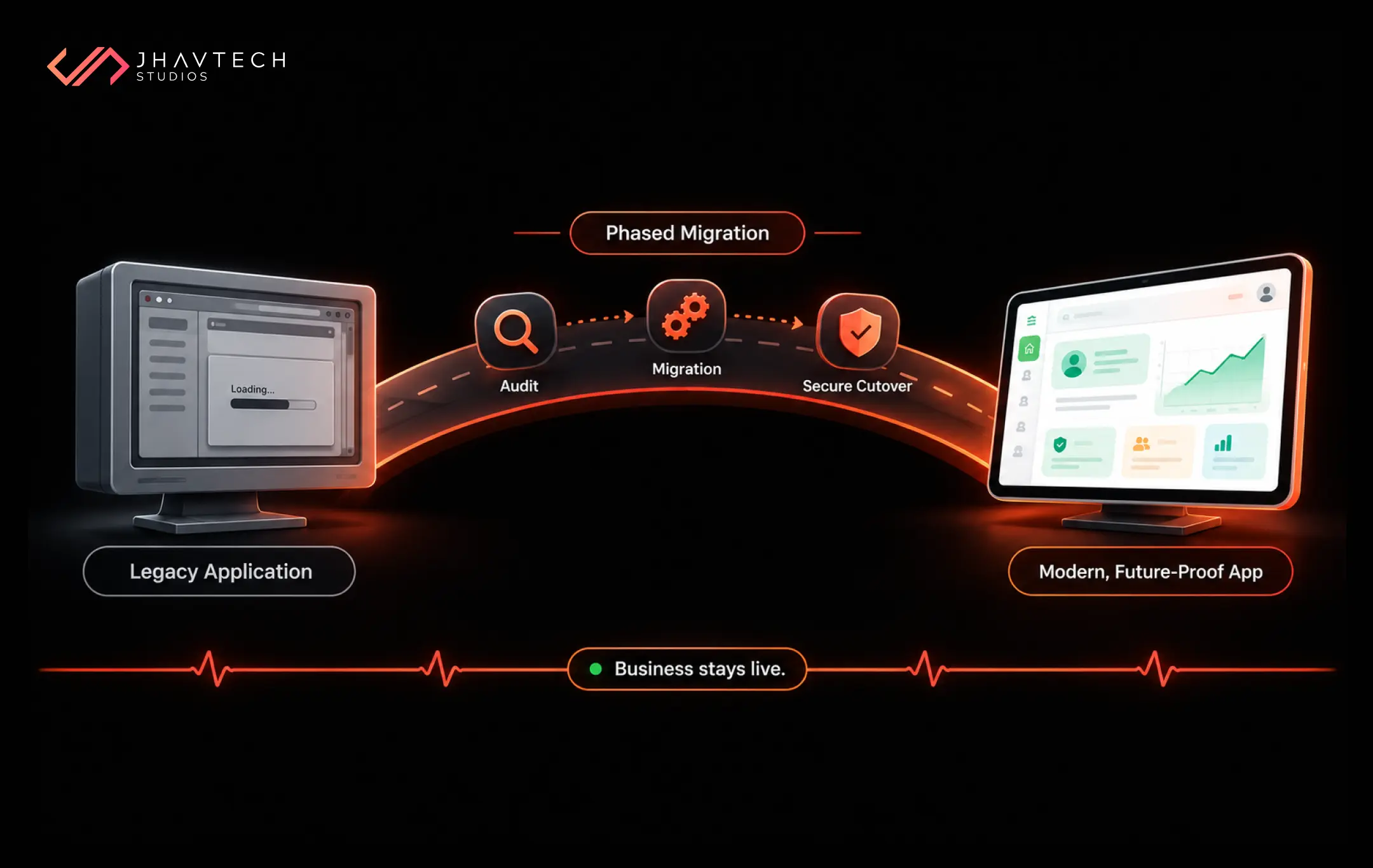
When something already built starts falling apart, fixing it is usually cheaper than starting over. If you have inherited a tangle of half-working connections, the Jhavtech Studios software recovery and stabilisation service exists precisely for that situation.
Build vs Buy: The Question Behind the Budget
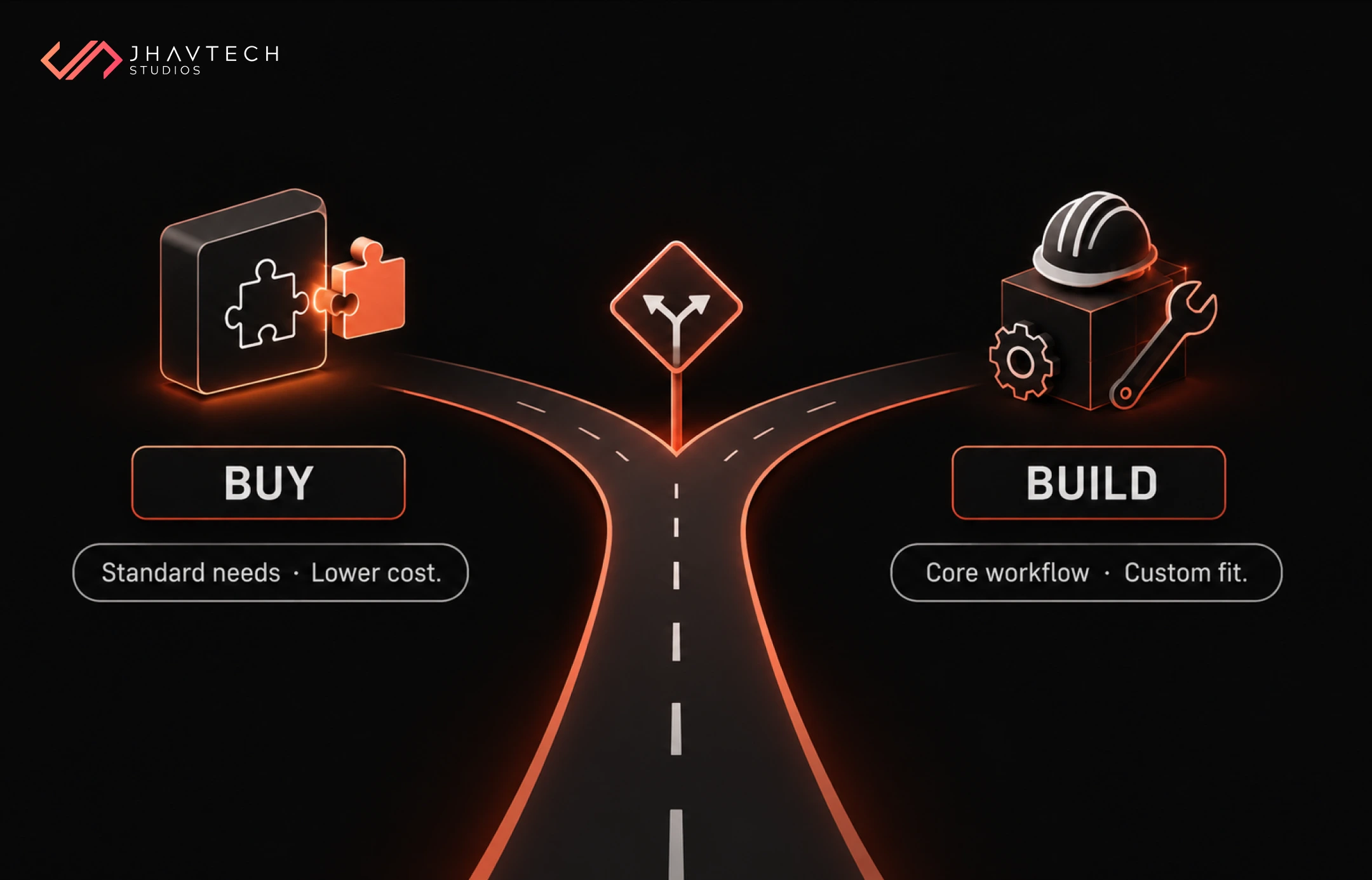
Before you approve any integration spend, ask whether you should build it at all. Sometimes an off-the-shelf connector or integration platform solves the problem for a fraction of custom development. Sometimes your requirements are specific enough that only a custom API architecture will do.
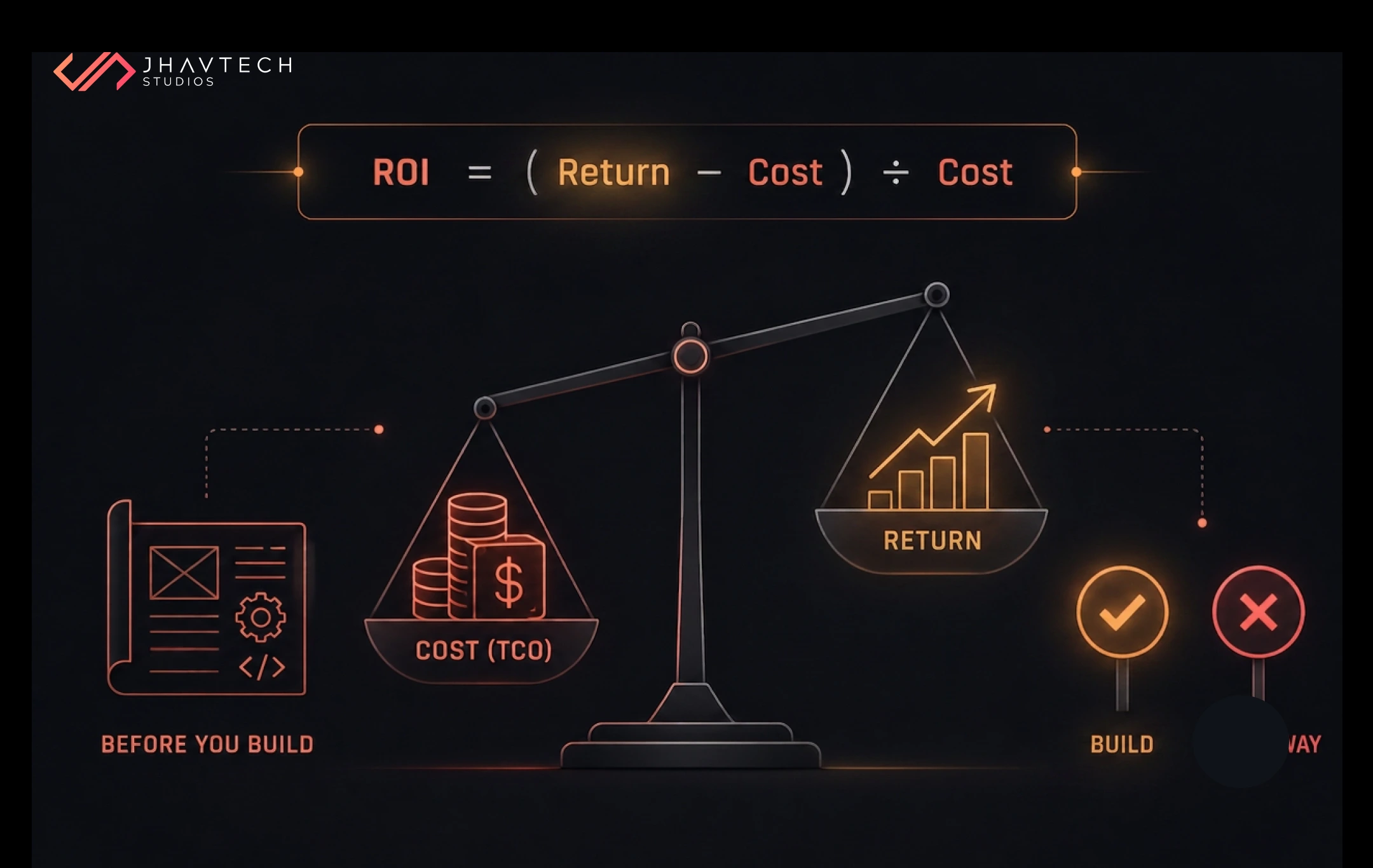
The build-versus-buy decision is one of the most consequential budget calls an SME makes, and it deserves a proper framework rather than a gut feeling. The full framework is here: Build vs Buy Software in 2026: A Decision Framework for Australian Businesses. Read it before you sign off on anything.
💡 As a rough rule: buy when the integration is standard and the platform is stable, build when the workflow is core to how your business makes money and no existing tool fits.
Your API Integration Budget Checklist
Before you request a quote or approve a spend, run through this list. It will save you from the most common budget blowouts.
☐ Count the systems, not the platforms. List every system that needs to exchange data. That number drives your cost more than anything else.
☐ Confirm third-party API fees. Check current pricing for each platform. Fees change, as Xero's 2026 shift proved.
☐ Budget for data mapping. Mismatched fields and formats are where hours disappear. Plan for it upfront.
☐ Include authentication and security. Tokens, encryption, and user roles are not optional line items.
☐ Allocate an annual maintenance budget. One to two weeks of engineering time per integration, per year, minimum.
☐ Plan monitoring from day one. You want to hear about broken syncs from a dashboard, not a customer.
☐ Decide build vs buy deliberately. Don’t default to custom because it feels more capable.
☐ Scope for growth. An integration that works at 100 records may collapse at 100,000. Ask how it scales.
How to Keep API Integration Costs Predictable
Predictable integration budgets come down to three habits.
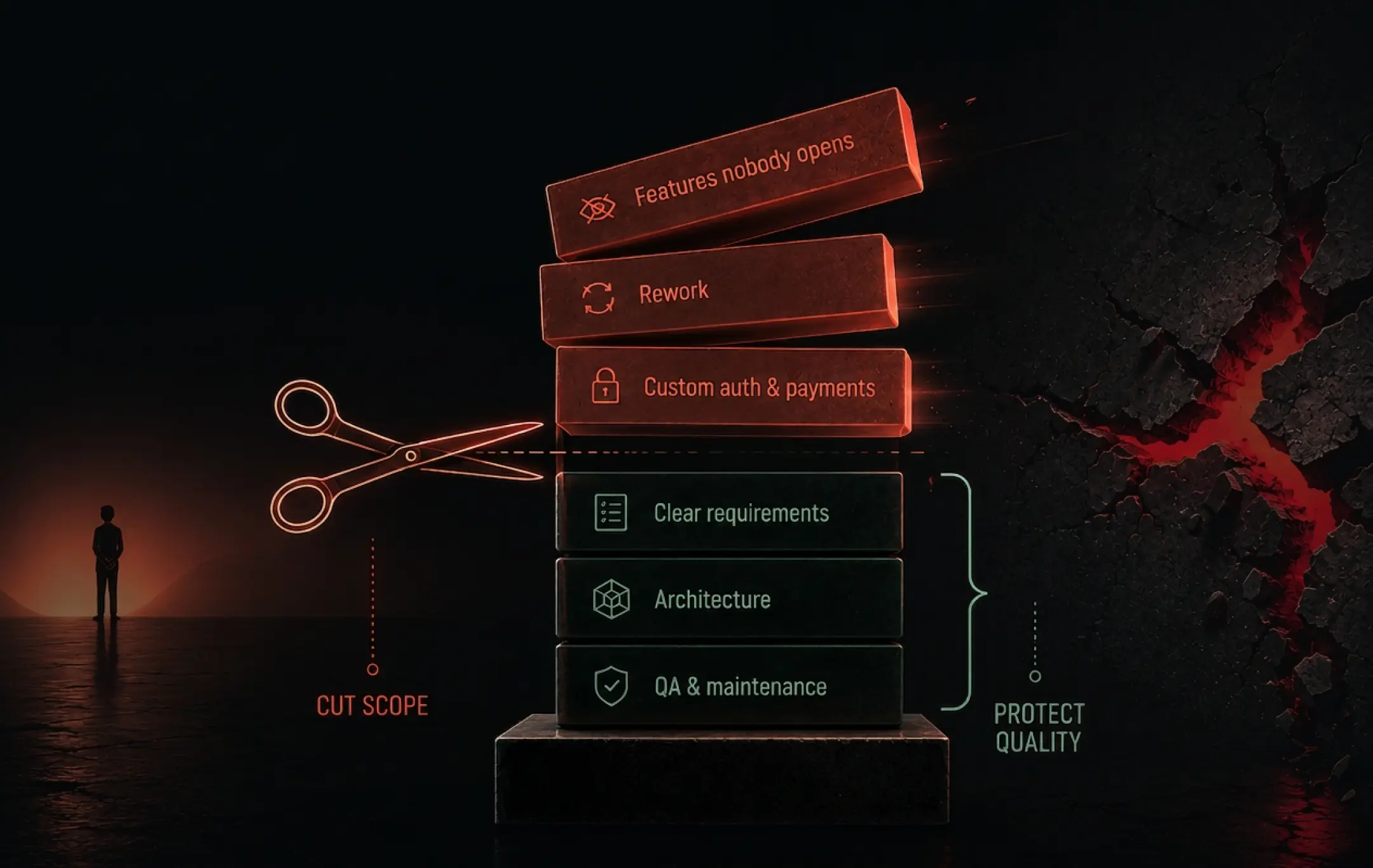
First, scope tightly before anyone writes code. Vague requirements are the number one cause of ballooning quotes. The clearer your list of systems and data flows, the tighter the estimate.
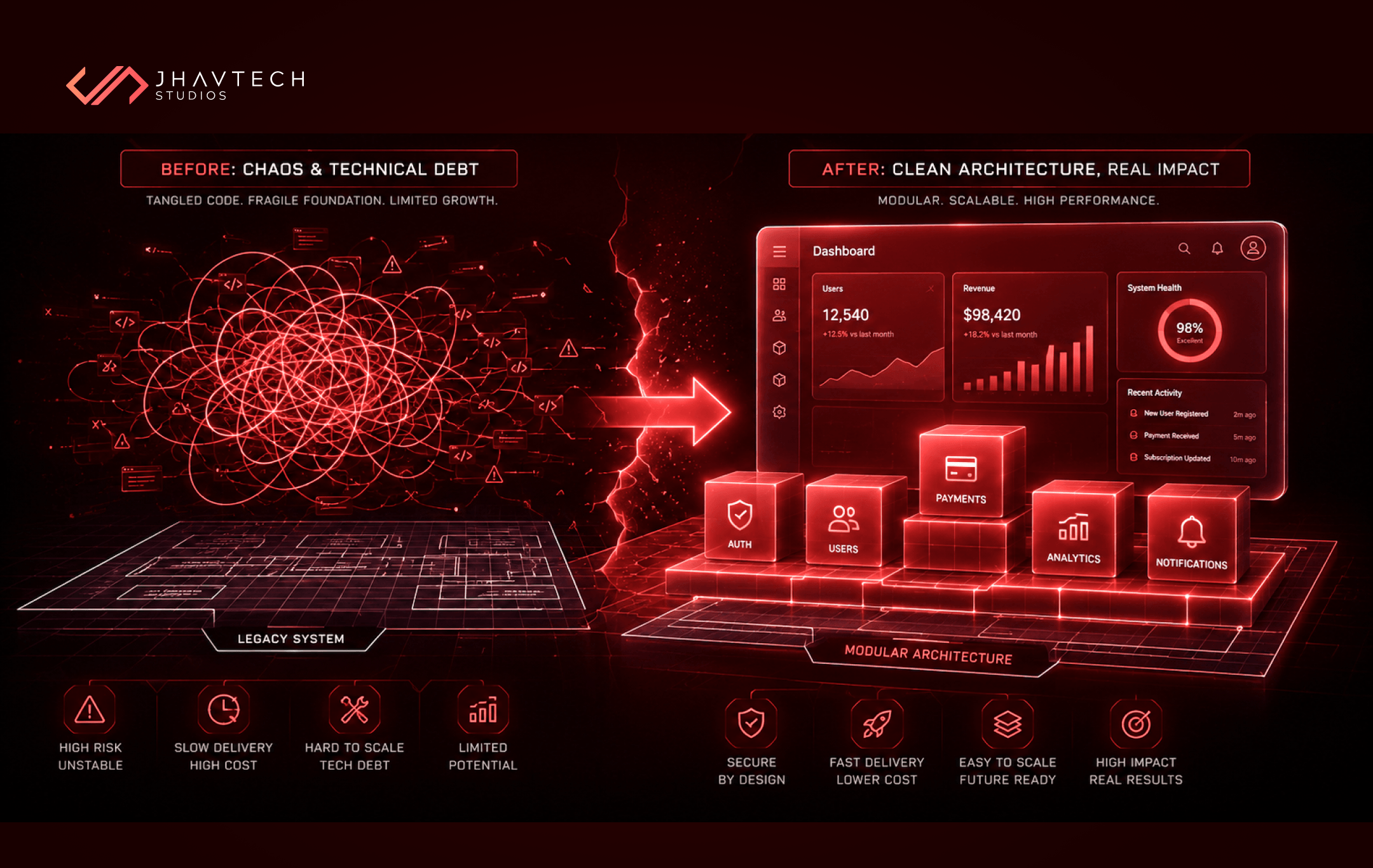
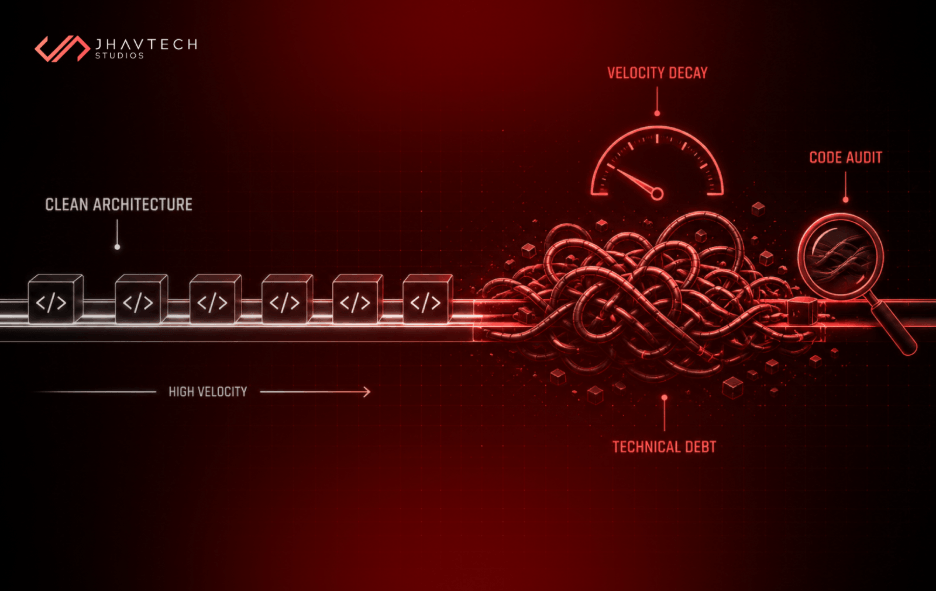
Second, favour clean architecture over quick fixes. A cheap integration bolted on badly becomes an expensive one later, because every future change fights the mess. Spending a little more on a well-structured build usually costs less across a two-year horizon than a series of patches.
Third, plan for the whole lifecycle. The businesses that get surprised by integration costs are the ones who budgeted only for the build. The businesses that stay in control budgeted for build, maintenance, monitoring, and platform fees from the start.
Frequently Asked Questions
.webp)

.webp)
.webp)
.webp)
.webp)

.webp)
.webp)

.webp)
.webp)




.png)
.png)
.png)
.png)
.png)
.png)
.png)
.png)
.png)
.png)
.png)
.png)
.png)


.png)
.png)
.png)


.png)
.png)
.png)
.png)
.png)
.png)
.png)
.png)
.png)
.png)
.png)

.png)
.png)
.png)
.png)
.png)
.png)
.png)
.png)
.png)
.png)
.png)
.png)
.png)
.png)
.png)
.png)
.png)
.png)
.png)

.png)
.png)
.png)

.png)
.png)
.png)