.svg)
.svg)


Why Most Apps Struggle After Launch: The Definitive Guide to Post-Launch App Maintenance

Most apps don't fail because the idea was bad. They fail because nobody planned for what happens after launch day. This blog breaks down the real, recurring causes of post-launch app problems (performance issues, retention drop-off, scalability failures, and maintenance debt), backs it up with current data, and gives you a practical checklist to audit your own app before small cracks become expensive ones. If you're a startup founder or SME decision-maker trying to figure out why your app's momentum stalled after a strong launch, this is for you.
Launch day feels like the finish line. The build is live, the App Store listing is approved, the team is exhausted but proud, and for about 48 hours everyone genuinely believes the hard part is over. It isn't.
The hard part is what happens in week three, when the initial spike of curious downloads fades and you're left staring at a retention chart that's dropping faster than anyone expected. Or in month four, when a feature that worked fine for 500 users starts timing out for 5,000. Or a year in, when the original developer has moved on and nobody on the current team can confidently explain why a specific module exists.
This is the part nobody puts in the investor deck: post-launch app problems are rarely about one big mistake. They're about a dozen small ones that were "fine for now" and never got revisited.
If you're a founder or a product owner at an SME, this matters more than almost anything else in your roadmap. Let's get into why.
Launch Is a Milestone, Not a Finish Line
There's a persistent myth in app development that the riskiest phase is the build. In reality, the data tells a different story. Over 95% of consumer apps fail to gain traction within three months of launch, and a lack of market demand is only part of that picture. A huge share of that failure happens to apps that were technically sound at launch but quietly degraded afterwards.
Think about your own behaviour as a user. You download an app, open it, and if something feels slow, confusing, or broken, you don't file a support ticket. You just leave. Industry research from USamp found that 62% of users will uninstall an app after experiencing a crash or error, and that number climbs even higher when crashes happen repeatedly or during a critical moment like checkout.
That's the uncomfortable truth at the centre of this article: the app doesn't fail at launch. It fails in the weeks and months after, when nobody is watching it as closely as they did on day one.
The Four Horsemen of Post-Launch App Problems
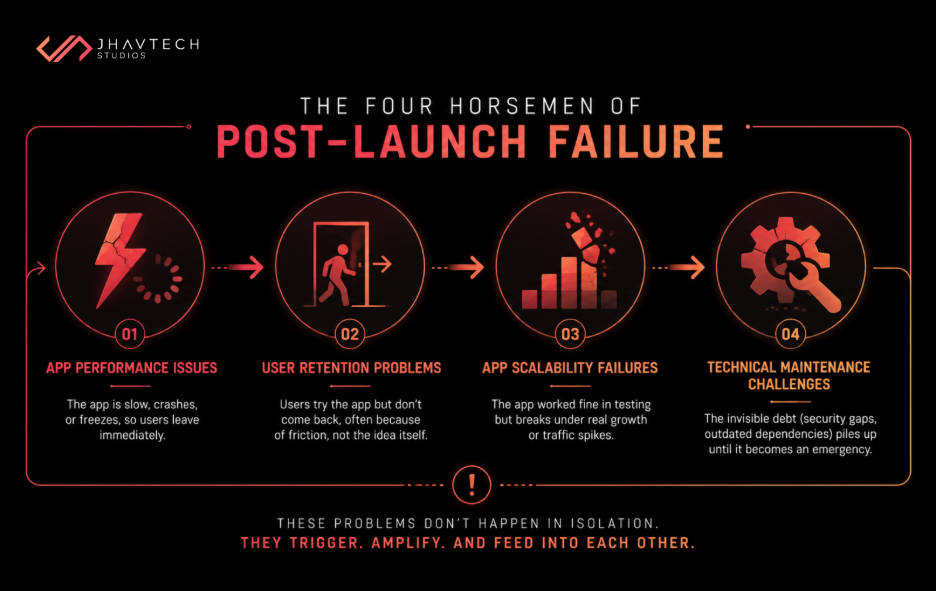
After working with founders who come to us mid-crisis, we've noticed the same four issues showing up again and again, sometimes alone, usually in combination. They rarely show up on day one. They show up the moment real users, real data volume, and real time pressure enter the picture.
1. App Performance Issues
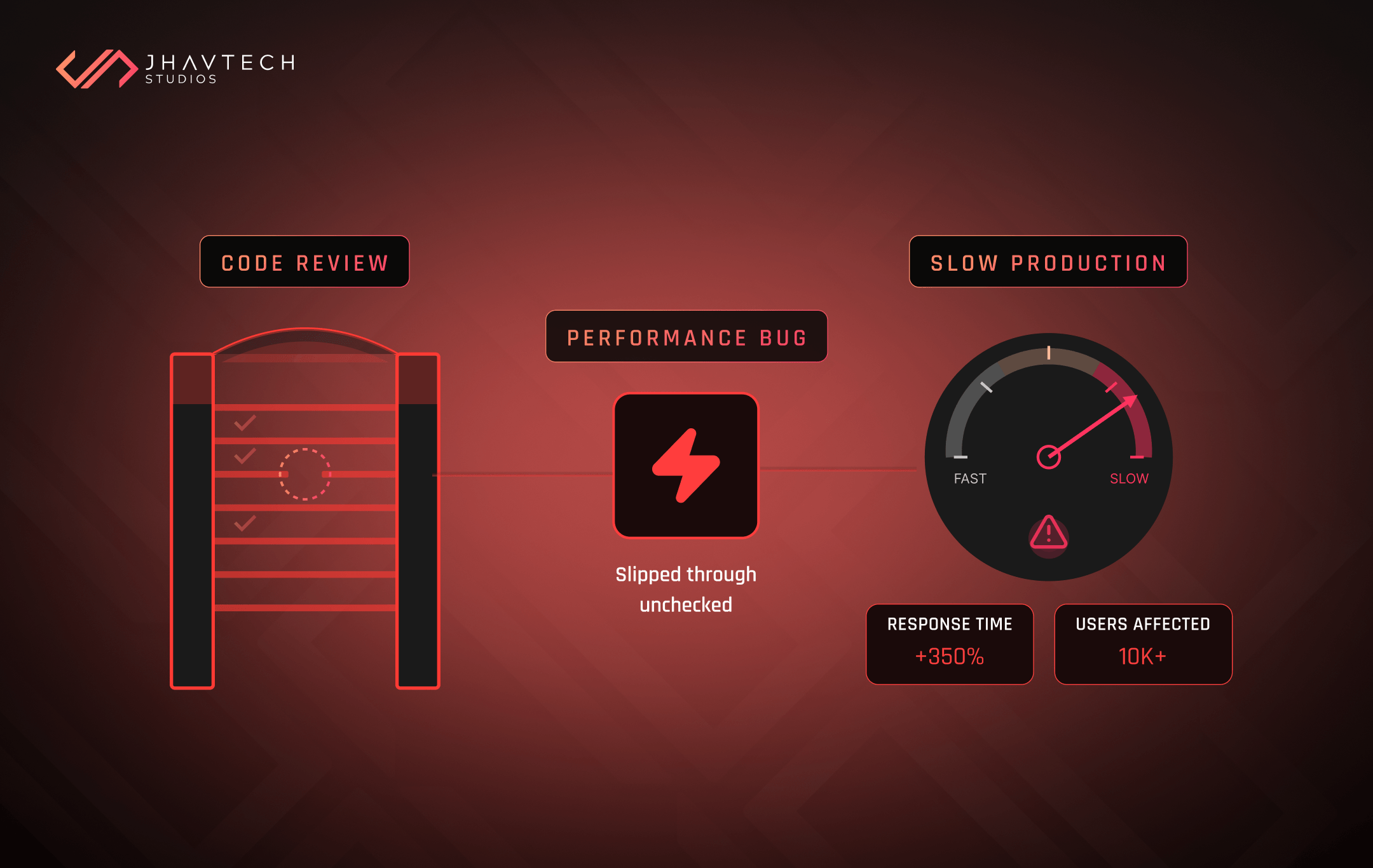
Performance problems are the most visible and the most damaging, because users don't rationalise them. They just leave. A 3-second load delay, a laggy scroll, a screen that freezes during a payment flow: these aren't minor bugs. They're trust-destroying moments.
Today's baseline for stability is higher than most teams realise. The industry benchmark has shifted so that 99.95% crash-free sessions are now considered the baseline for app stability, not an aspirational goal. This isn't just a vanity metric either: Google's Android Developers documentation confirms that crash and ANR rates directly affect an app's visibility and discoverability on the Play Store, with poorly performing apps actively steered away from users. Falling even slightly below the benchmark has measurable consequences. A dip of just 0.01% in crash-free sessions can cascade into mass uninstalls and negative reviews if testing isn't proactive.
Performance issues typically come from the same root causes, regardless of whether the app is built in React Native, Flutter, or fully native Swift/Kotlin:
- Database queries that were never optimised for scale
- Third-party SDKs that weren't audited before integration
- Memory leaks that only surface under sustained, real-world usage
- Architecture decisions made for an MVP that were never revisited, especially around cloud infrastructure choices like AWS or Azure
2. User Retention Problems
Retention is where the slow bleed happens: quiet, gradual, and easy to misread as "normal" early churn. Industry statistics show that average app retention can decline to less than 25% within 30 days, and a meaningful share of that drop-off has nothing to do with the core idea. It's friction: confusing onboarding, features that never got iterated on, and a product that stopped listening to how people actually use it.
Founders often respond to a retention dip by pouring more money into acquisition. That's usually the wrong move. If your product can't hold the users you already have, paid growth just speeds up how fast you burn through your budget, and your reputation.
3. App Scalability Failures
Scalability failures are the ones that blindside teams, because everything looks fine until it suddenly doesn't. The architecture that comfortably handled your beta testers buckles the moment you get featured somewhere, run a promotion, or simply grow organically.
This is a pattern we see constantly in our software project rescue work: a cross-platform framework chosen for speed-to-market that can't handle platform-specific demands at scale, or a shared code approach pushed so far that it created more complexity than it saved. The technology choice wasn't wrong on day one. It just wasn't built with growth in mind. This is also where solid DevOps practices (automated CI/CD pipelines, infrastructure-as-code, proper load balancing) separate apps that scale gracefully from apps that buckle under their first real traffic spike.
4. Technical Maintenance Challenges
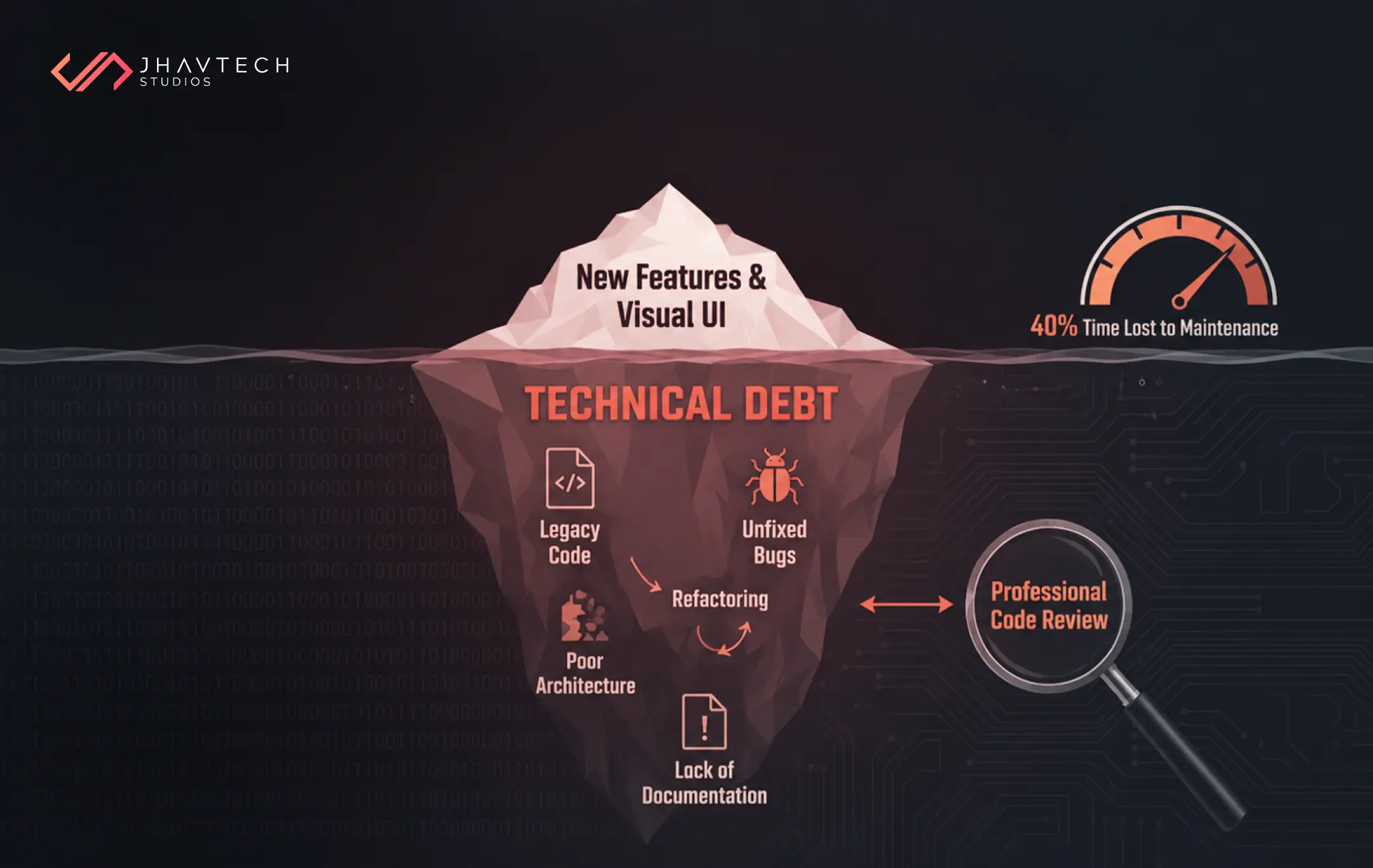
This is the quietest problem on the list and arguably the most expensive. Maintenance gets deprioritised because it doesn't ship anything new, until the day it becomes the only thing that matters. Regular code audits and technical debt reduction are the unglamorous work that keeps an app maintainable years after launch, but they're usually the first line item cut from a tight budget. Skipping this work doesn't just slow things down. It opens the door to security gaps too: the OWASP Foundation's Mobile Top 10 is the industry-standard reference for the vulnerabilities that creep into apps when reviews and dependency updates fall behind.
The cost of skipping it is well documented at the enterprise level, and the same dynamics scale down to SMEs. Gartner's 2026 CIO and Technology Executive Survey of more than 3,100 CIOs found that only 48% of digital initiatives meet or exceed their business outcome targets, and a significant driver of that gap is what happens (or doesn't happen) after go-live. A Forrester Consulting study commissioned by Whatfix, surveying 335 senior decision-makers, found that a mid-sized organisation of roughly 1,000 employees could lose an estimated $10.9 million annually due to poor post-launch adoption and support.
You don't need to be a 1,000-person enterprise to feel a version of this. Outdated dependencies, undocumented code, and a backlog of "we'll fix it later" tickets compound quietly until a routine update becomes a multi-week emergency.
How the Four Problems Reinforce Each Other
These issues rarely travel alone. That's what makes post-launch app problems so hard to diagnose from the outside. Here's how they typically connect:
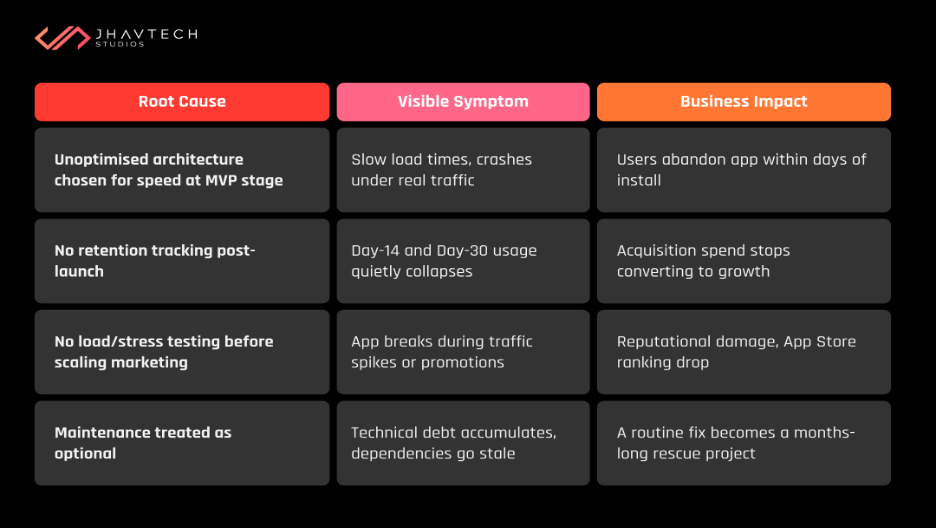
Notice the pattern: each box in the "root cause" column was a decision made before anyone saw the symptom. That's the core argument of this piece. Post-launch app problems are not new problems. They're pre-launch decisions that finally came due.
Quick Self-Audit: Is Your App Heading for Trouble?
Run through this checklist honestly. If you check three or more boxes, it's worth getting a second set of eyes on your codebase before the issue compounds.
[ ] We haven't load-tested the app under realistic peak traffic
[ ] Our crash-free session rate is below 99.9%
[ ] We don't have a clear view of Day-7 or Day-30 retention
[ ] Nobody on the current team can fully explain parts of the original codebase
[ ] Our last dependency/security update was more than 6 months ago
[ ] We're considering a marketing push without first fixing known bugs
[ ] We've never had a formal code review since the original build
Why This Matters More for Startups and SMEs
Enterprise teams can usually absorb a bad quarter of app performance. Startups and SMEs often can't. You don't have the runway to lose a cohort of early adopters to a slow checkout flow, and you don't have a 20-person DevOps team quietly keeping the lights on in the background.
This isn't just a global trend. It plays out locally too. Around 20–30% of Australian startups don't survive their first year, and the Australian Bureau of Statistics' own Counts of Australian Businesses data confirms that employing businesses survive at notably higher rates than non-employing solo operators over a three-year horizon, a gap that often comes down to whether proper systems and processes were built in early. For Australian startups and SMEs investing in a mobile or web app, that same discipline applies: the businesses that survive are usually the ones treating post-launch support as infrastructure, not an afterthought.
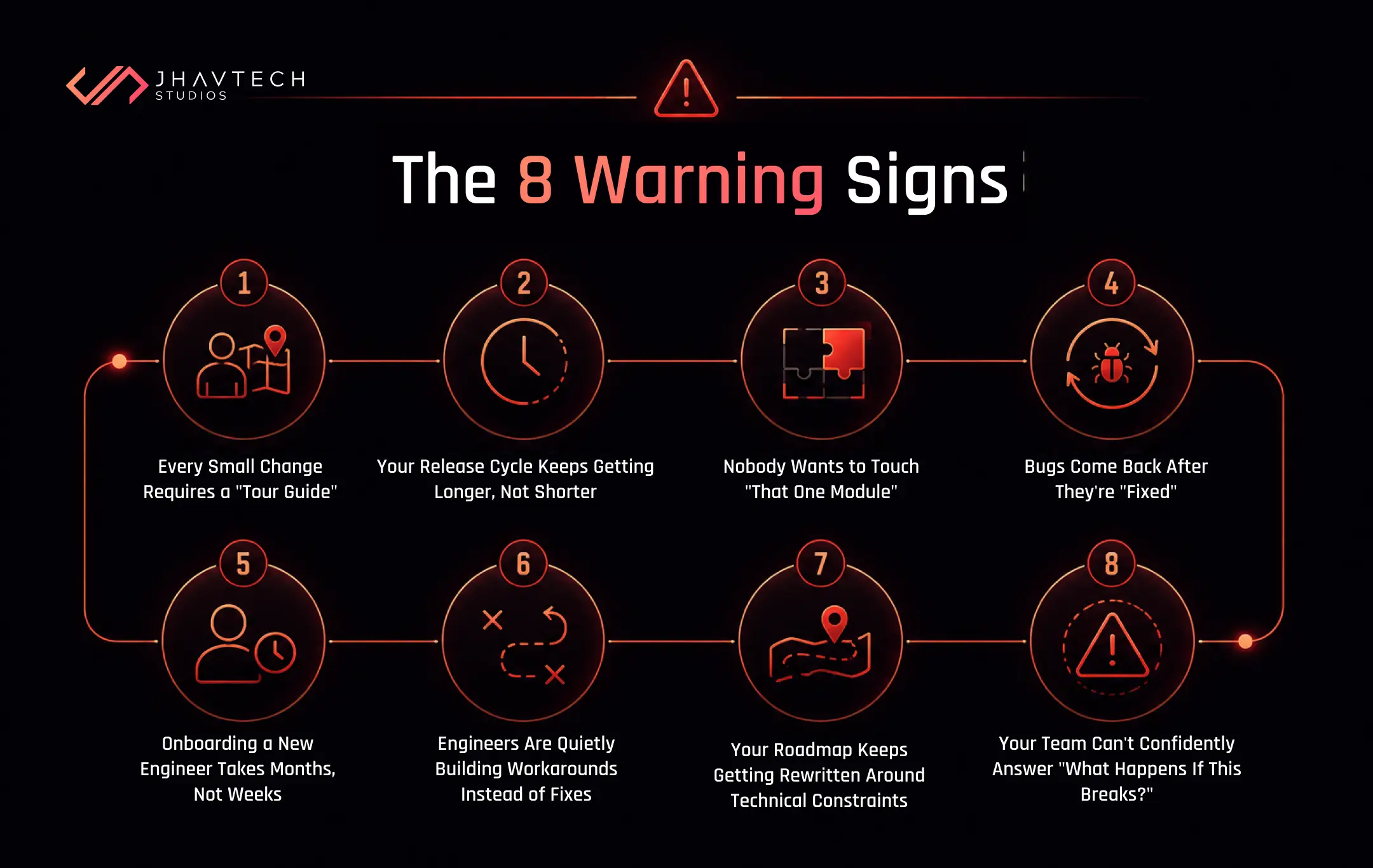
That's exactly why the smartest founders treat post-launch monitoring as a core function, not an afterthought. We've written before about how to spot the early warning signs before an app project spirals into a full rescue situation, and the pattern is almost always the same: small, ignorable issues that were left alone because the team was focused on the next feature instead of the foundation underneath it.
If crashing is already your reality, it's worth understanding exactly why mobile apps crash and what actually fixes it, because the fix is rarely "rewrite everything." More often, it's a targeted, prioritised intervention.
And if you're earlier in the process (pre-launch or just after), a structured code review before things go live is the cheapest insurance you'll ever buy for your product. Catching architectural issues before users do costs a fraction of catching them after.
Building (or Rebuilding) With Post-Launch Reality in Mind
If you're earlier in your journey and haven't built yet, the single highest-leverage decision you can make is choosing a development partner who designs for what happens after launch, not just for the demo. That means:
- Architecture decisions made with growth in mind, whether that's React Native or Flutter for cross-platform speed, or native Swift and Kotlin when performance demands it, not just MVP speed
- Cloud infrastructure on AWS or Azure that's built to scale, with DevOps pipelines and monitoring in place before you need them, not after something breaks
- A maintenance cadence, including scheduled code audits and technical debt reduction, built into the budget from day one, not treated as a surprise cost later
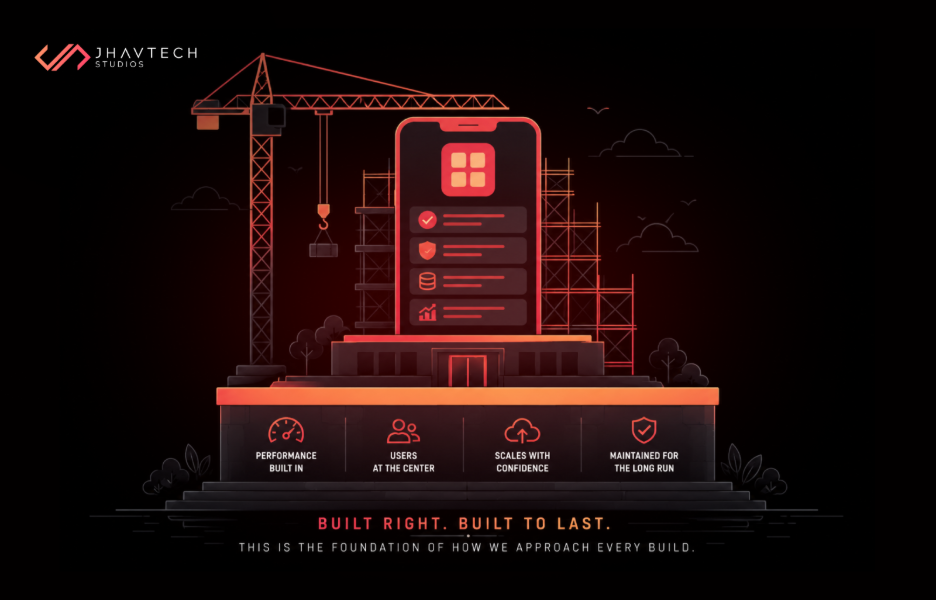
This is the foundation of how we approach every mobile application development engagement: building something that's expected to still be standing, and still performing, a year after launch.
The Bottom Line
Post-launch app problems aren't random bad luck, and they're not usually a sign that the underlying idea was wrong. They're the predictable result of decisions made under deadline pressure that never got revisited once real users showed up.
The good news, if there is one: because the patterns are predictable, they're also fixable. App performance issues, user retention problems, scalability failures, and maintenance debt all leave a trail, and that trail is visible to anyone willing to look closely enough, early enough.
The teams that win in year two aren't the ones who never hit these problems. They're the ones who caught them early and treated the post-launch phase with the same seriousness they gave the launch itself.
Frequently Asked Questions

.png)



.webp)
.webp)
.webp)
.webp)
.webp)

.webp)
.webp)

.webp)
.webp)



.png)
.png)
.png)
.png)
.png)
.png)


.png)
.png)
.png)
.png)
.png)
.png)
.png)


.png)

.png)

.png)


.png)
.png)
.png)
.png)
.png)
.png)
.png)
.png)
.png)
.png)
.png)
.png)

.png)
.png)
.png)
.png)
.png)
.png)
.png)


.png)
.png)
.png)
.png)
.png)
.png)
.png)
.png)
.png)
.png)

.png)
.png)