.svg)
.svg)


Software Maintenance: Why It's Your Best Investment (Not an Afterthought)
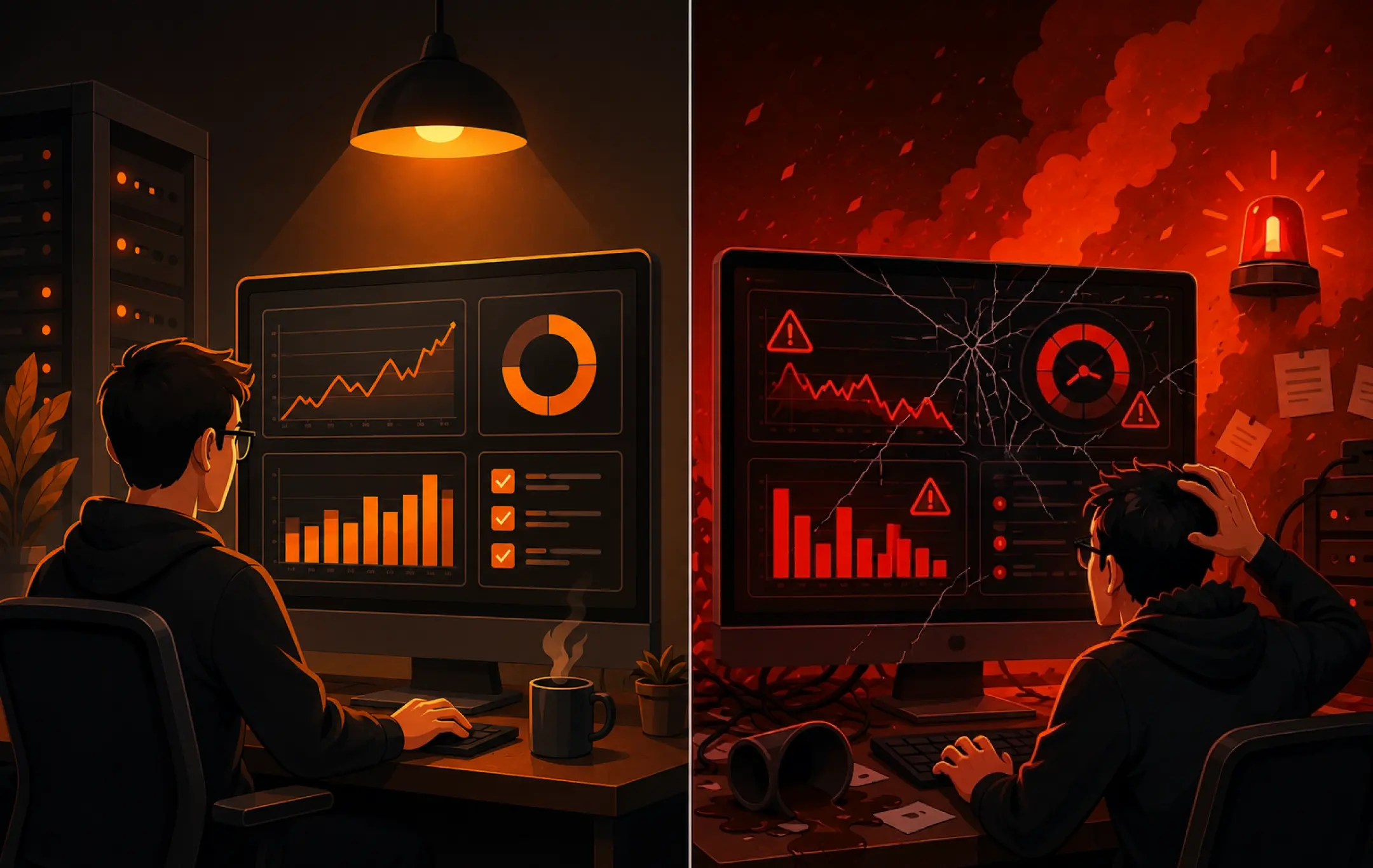
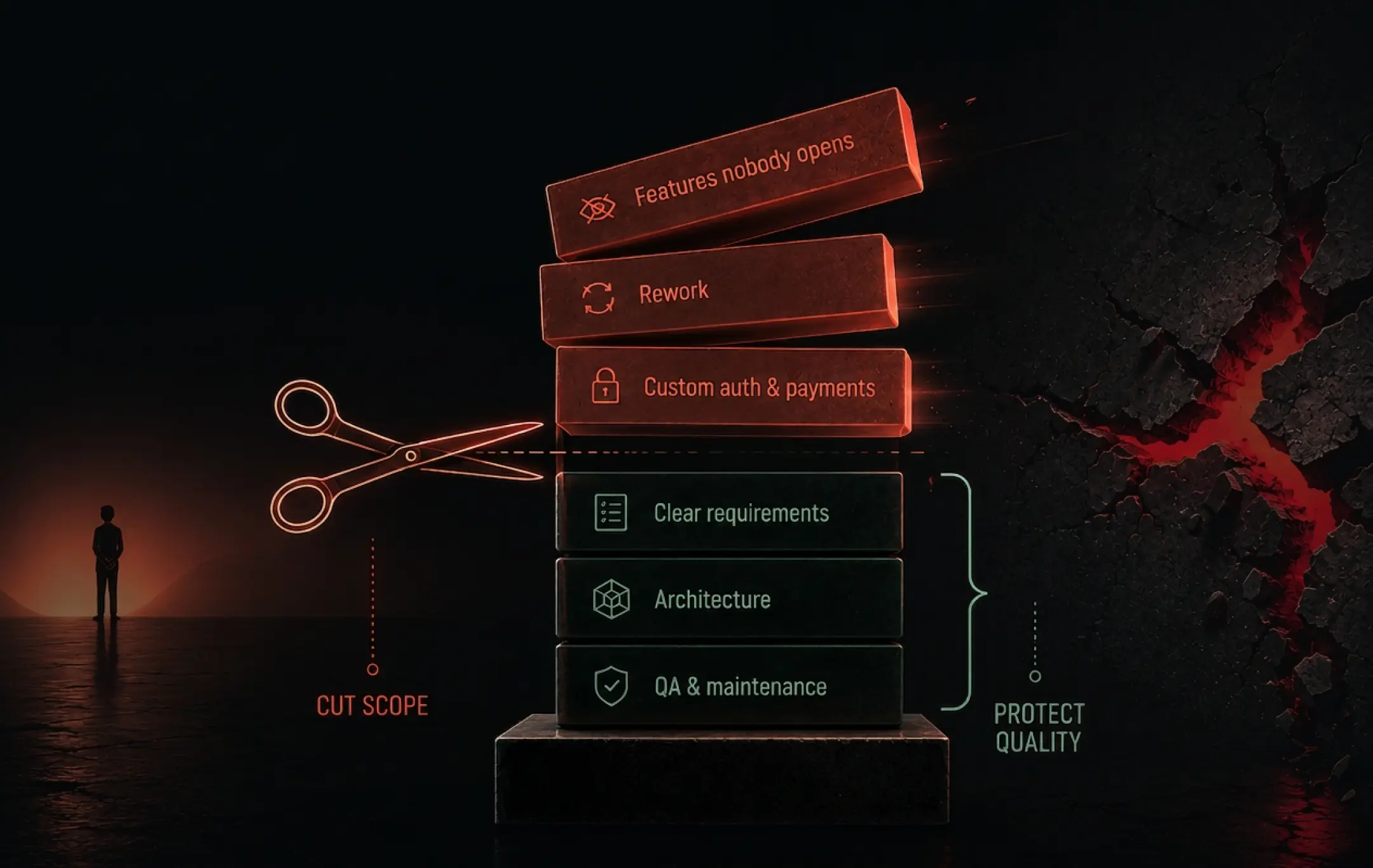
Software maintenance is the ongoing work of fixing, updating, securing, and optimising a system after launch, and it typically costs 15 to 25% of the original build budget annually. Skip it, and the bill does not disappear. It just shows up later as downtime, security breaches, and a codebase that costs a fortune to rescue. This blog breaks down what software maintenance actually covers, what happens when businesses treat it as optional, and how a proactive maintenance strategy protects both your product and your budget.
What is the typical cost of software maintenance? Industry benchmarks suggest setting aside 15 percent to 25 percent of your initial development budget annually for software maintenance services. Neglecting this often means app maintenance costs resurface later as downtime, ranging anywhere from $8,000 to over $100,000 per hour for small and mid-sized businesses.
Most founders and operations leads do not lie awake worrying about software maintenance. They worry about the launch. The funding round. The next feature that will supposedly change everything. Maintenance sits somewhere at the bottom of the list, filed under "we'll deal with it later."
Here is the problem: later always arrives faster than planned, and it arrives with a much bigger invoice.
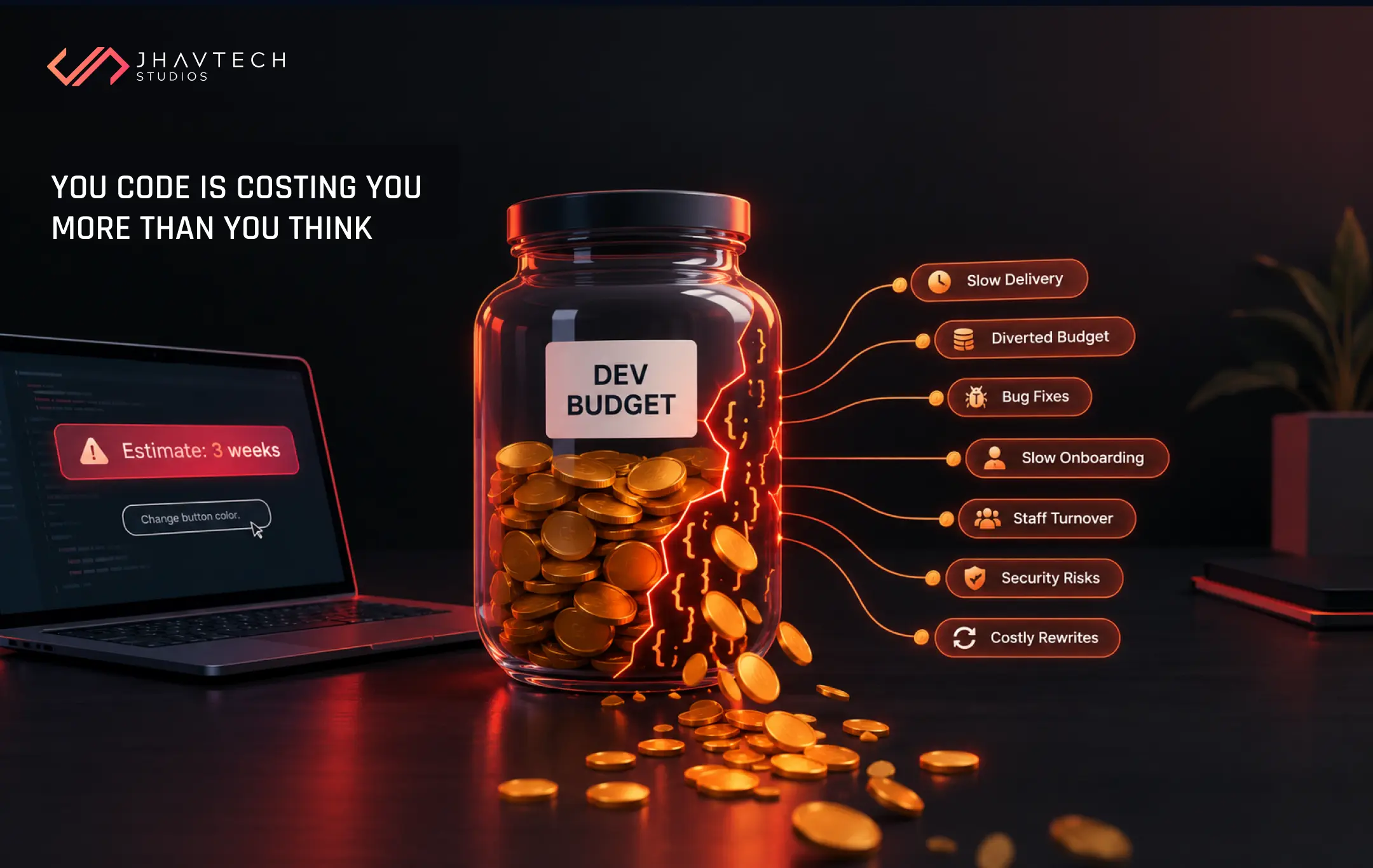
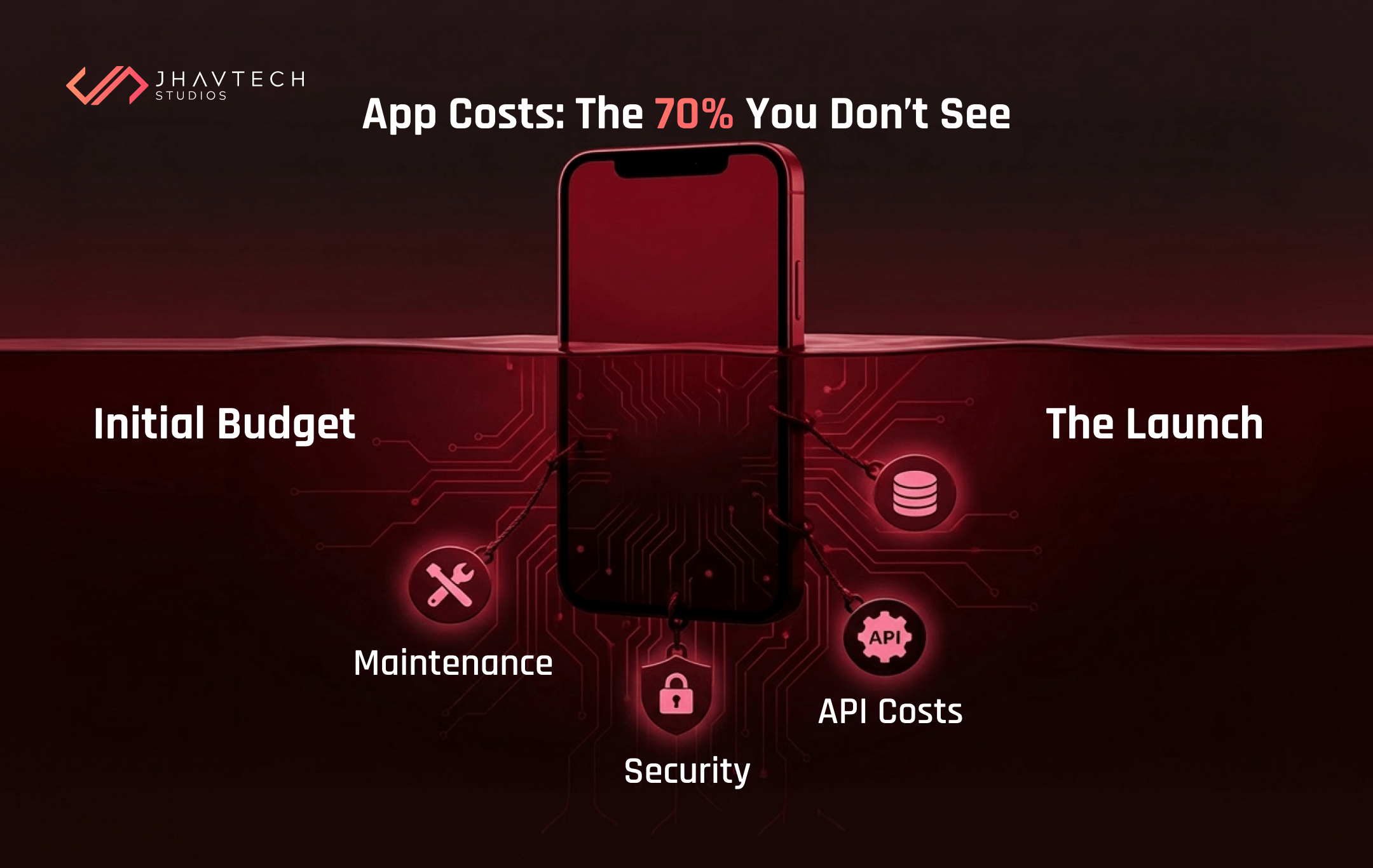
The Silent Budget Killer Nobody Plans For
Ask most early-stage teams what their software costs, and they will quote the build. What they usually will not mention is what happens after go-live, because nobody budgeted for it in the first place.
According to industry benchmarks compiled from decades of enterprise software data, annual software maintenance services typically cost 15 to 25 percent of the original development budget, and that is just the predictable, planned portion. Zoom out to the full lifecycle of a product, and the picture gets more sobering. According to IEEE Computer Society research and Gartner's IT spending analysis, 60 to 80 percent of total software lifecycle cost goes toward keeping existing systems running, not building new ones.
In other words: the app you build is only the down payment. Maintenance is the mortgage, and it runs for as long as the product stays in use. This is exactly why software maintenance deserves a line item, a strategy, and an owner from day one, not a scramble the first time something breaks.
What Software Maintenance Actually Covers
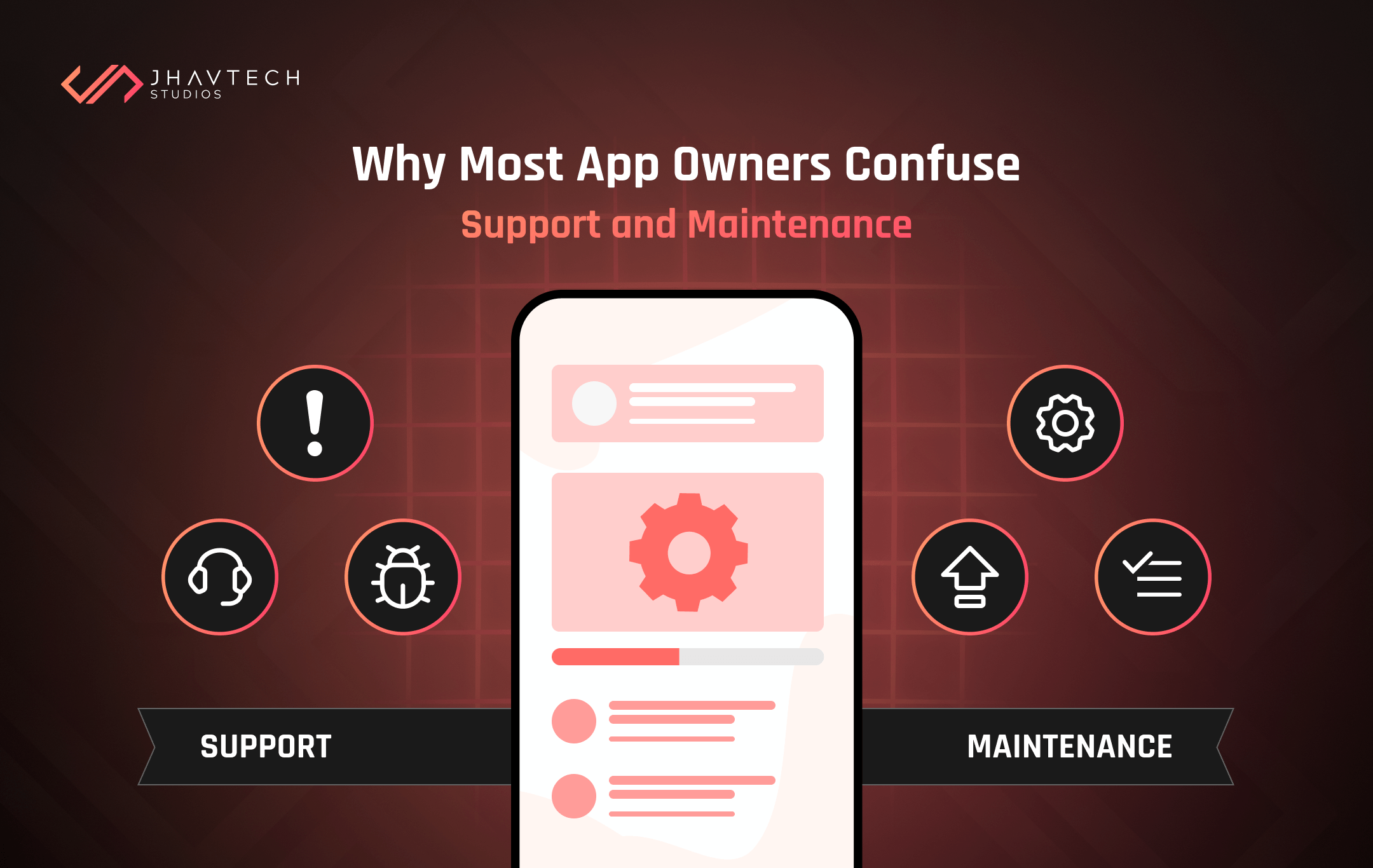
Maintenance sounds like a vague catch-all, but it breaks down into four well-defined categories. Understanding them helps you budget accurately and spot where your own spending is skewed. It also changes how you talk to developers and vendors, because "we need maintenance" is not a brief, and a proposal built around it is guesswork dressed up as a plan.
Once you can name which category a piece of work falls into, you can ask sharper questions: is this fixing something broken, adapting to something that changed, improving something that already works, or preventing something that has not happened yet? That single distinction is often the difference between a maintenance budget that holds and one that quietly balloons every quarter.
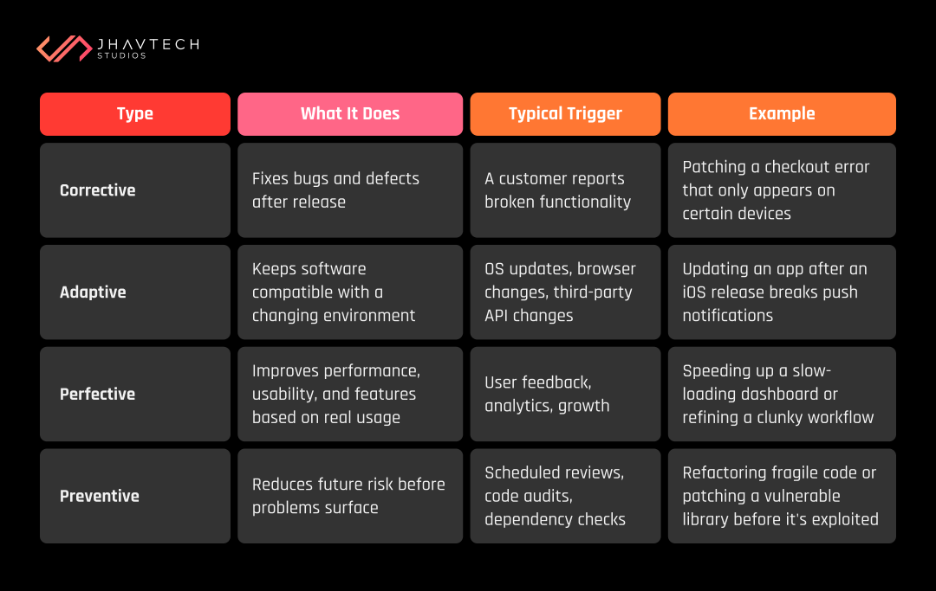
Most businesses only notice the first category, corrective maintenance, because it is the loudest. Something breaks, someone complains, and a developer scrambles to fix it. The teams that spend the least over time are the ones who invest early in the fourth category: preventive work that stops the fire before it starts.
The Real Cost of Treating Maintenance as Optional
Skipping maintenance does not save money. It defers cost and adds interest.
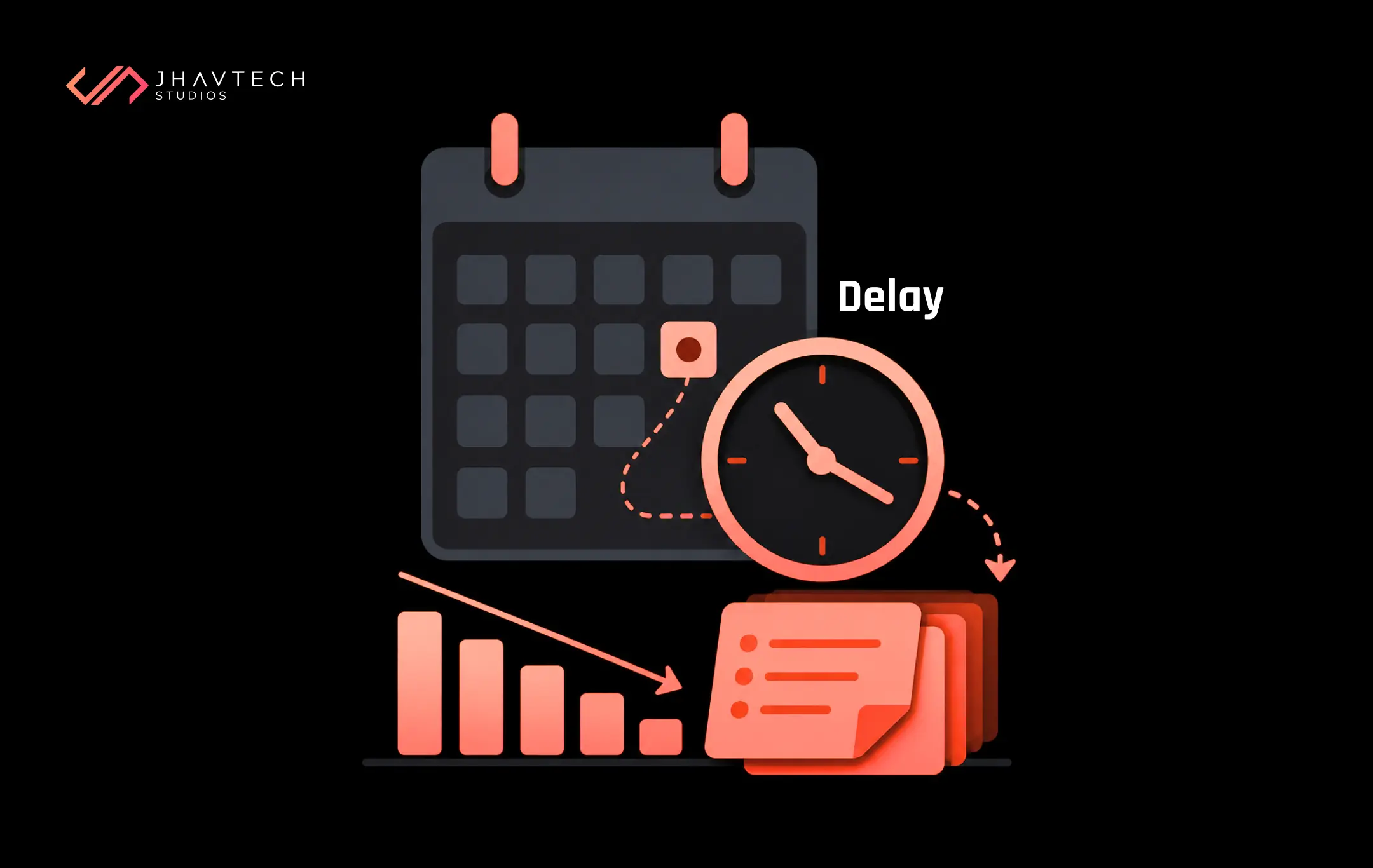
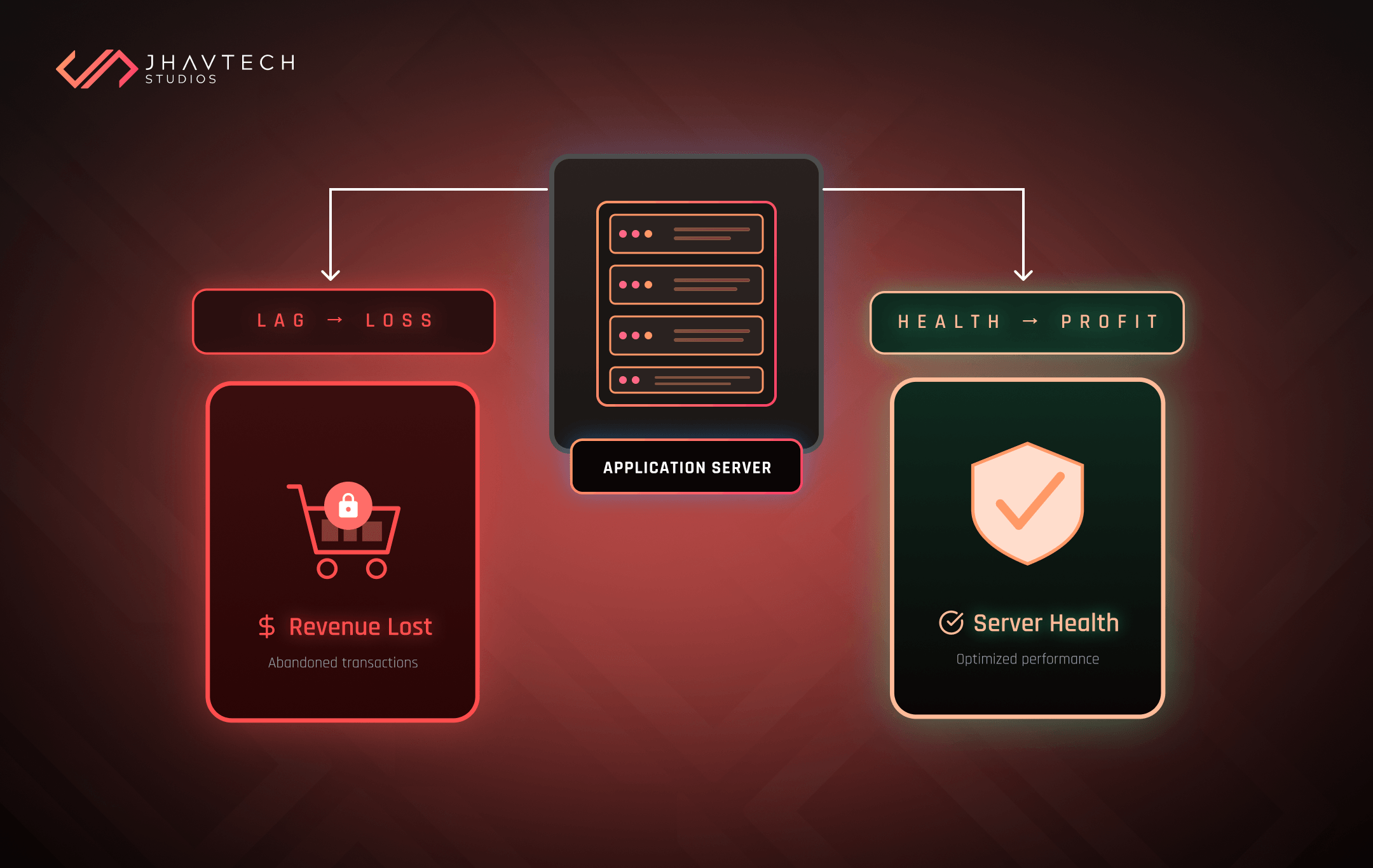
Start with downtime. According to ITIC's 2024 Hourly Cost of Downtime Survey, an independent research poll of over 1,000 firms worldwide, the average cost of a single hour of downtime now exceeds $300,000 for more than 90 percent of mid-size and large enterprises, and only a small minority of very small businesses report costs staying under $100,000 an hour. A single unpatched vulnerability or an untested deployment is often all it takes to trigger that outage.
There is also a quieter, more revealing statistic. According to the 2025 New Relic Observability Forecast, based on a survey of more than 1,700 IT and engineering professionals across 23 countries, organisations with full-stack monitoring experienced high-impact outages costing roughly half as much as those without it, because problems were caught and resolved faster. That is the entire argument for proactive maintenance in one data point: visibility and prevention are not nice-to-haves. They directly cut financial exposure.
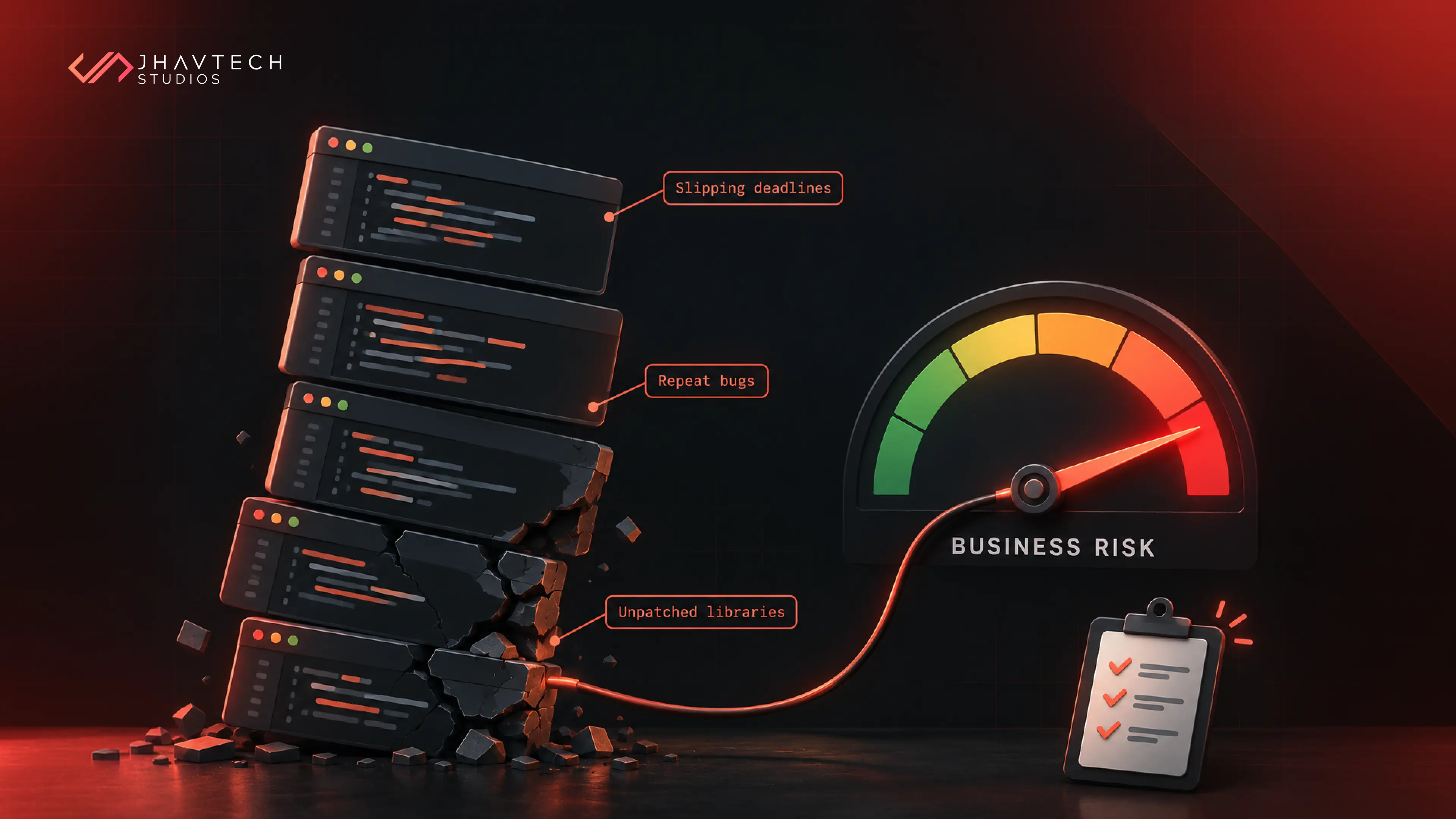
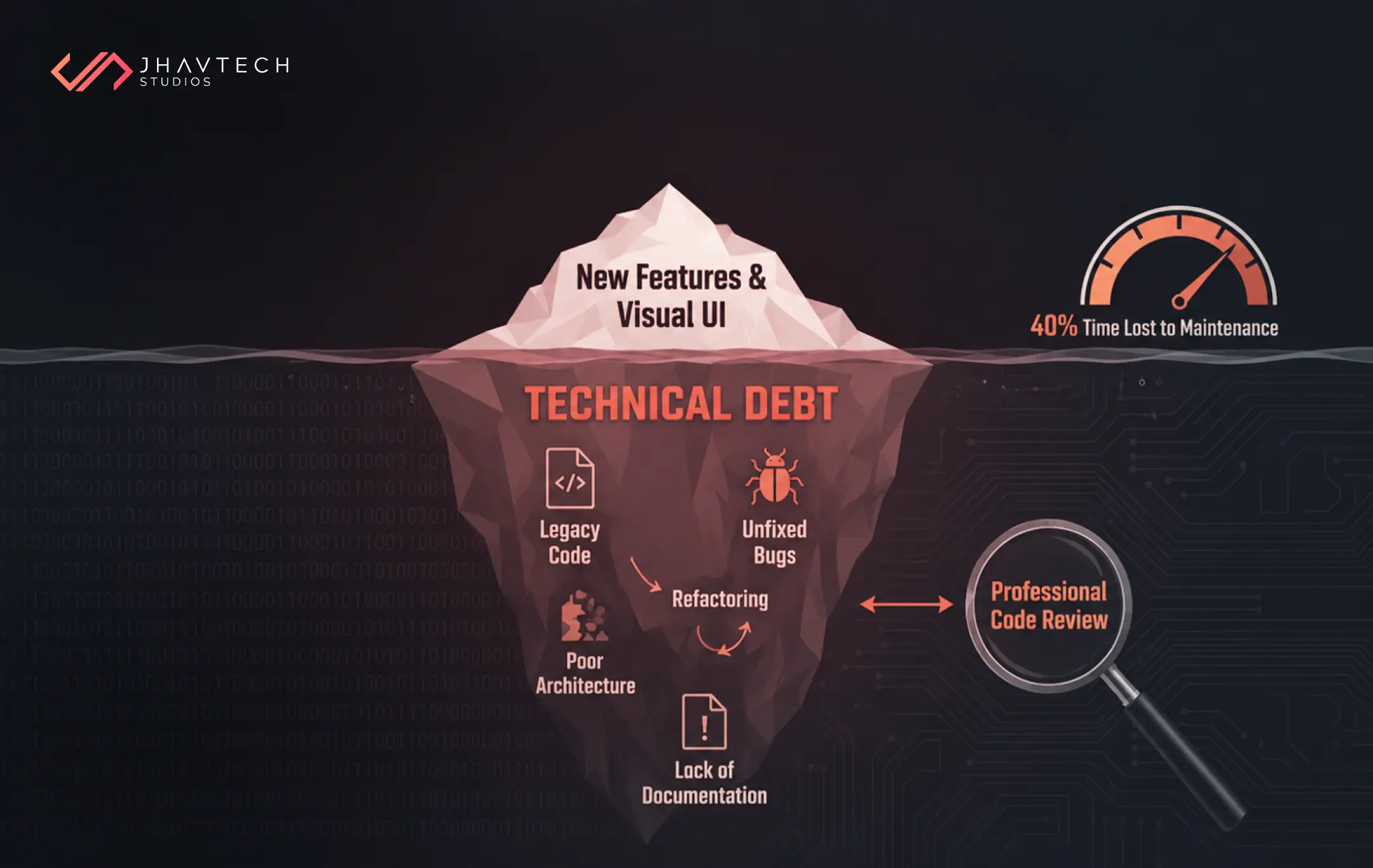
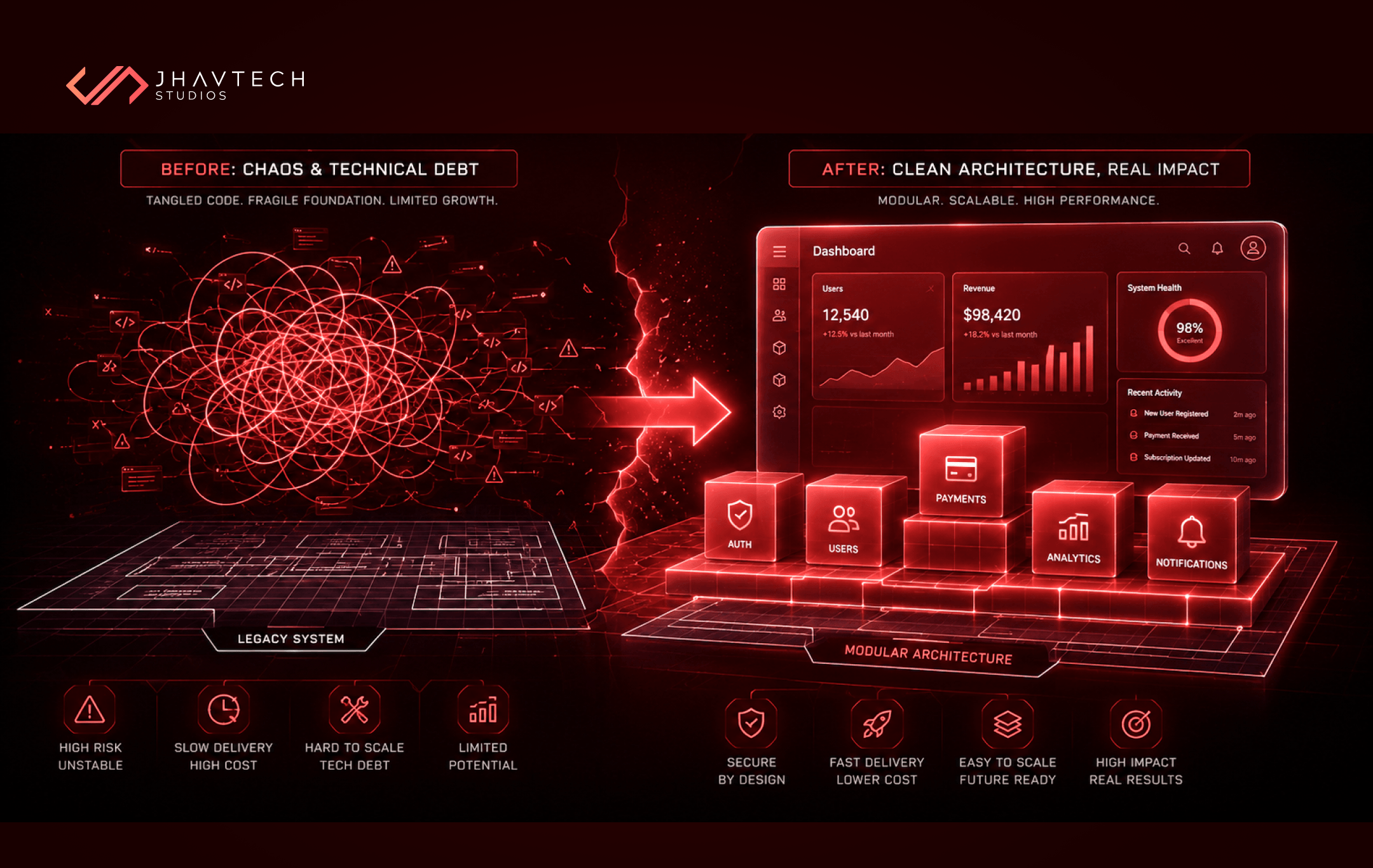
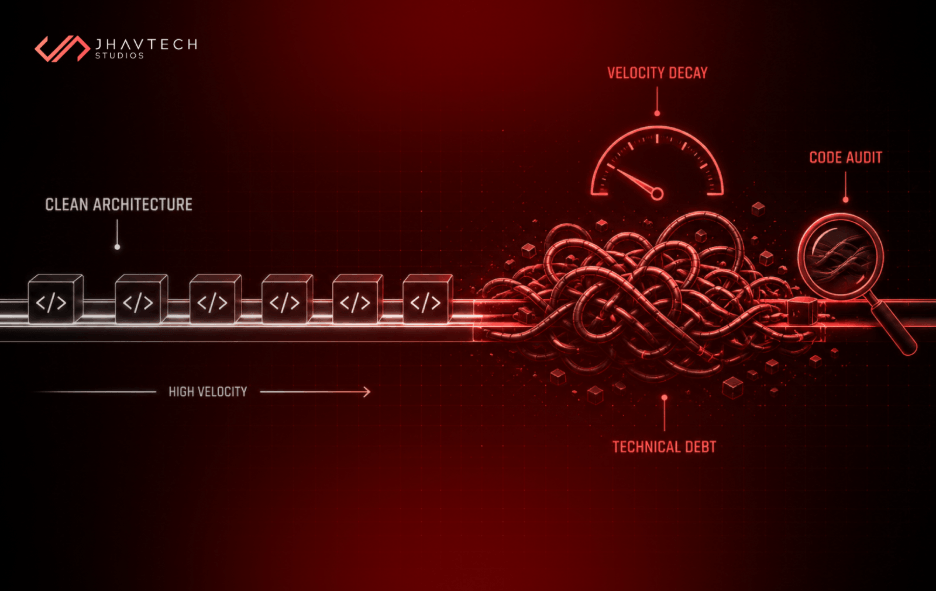
And then there is technical debt, the slow accumulation of shortcuts, outdated dependencies, and undocumented code that quietly makes every future change more expensive. Left unaddressed, it does not stay flat. It compounds, the same way we broke down in our piece on why legacy software slows business growth. By the time leadership notices, the fix is no longer a quick patch. It is a full rescue project.
From Reactive Firefighting to a Proactive Maintenance Strategy
Reactive maintenance means fixing things after they break. Proactive maintenance means catching the conditions that lead to breakage before customers ever notice. The difference shows up directly in cost, stability, and how much sleep your team gets.
A genuinely proactive maintenance strategy usually includes:
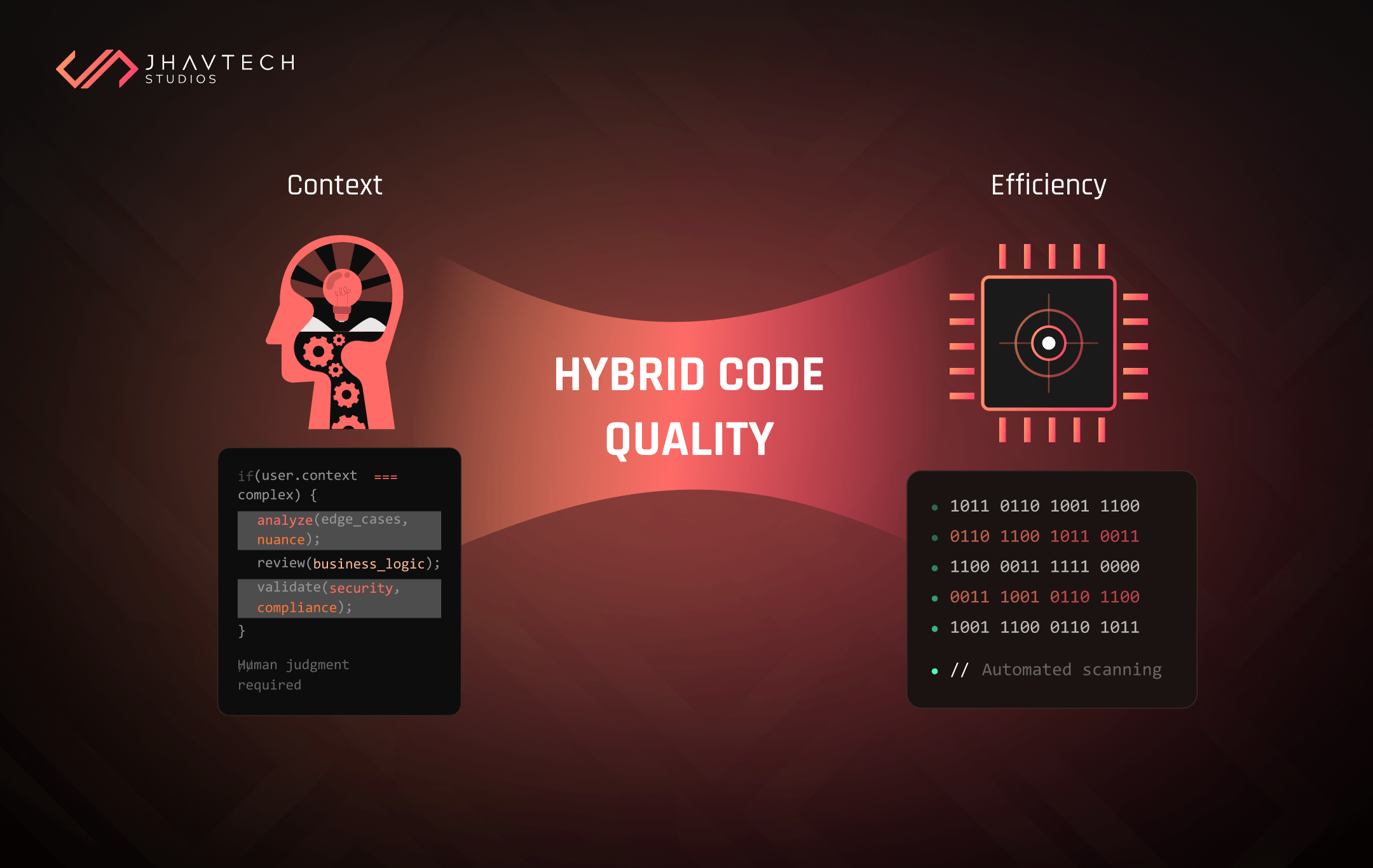
- Scheduled code and security reviews, not just when something feels off
- Automated monitoring and alerting so issues surface in minutes, not when a customer complains
- A patching cadence for dependencies, frameworks, and third-party libraries
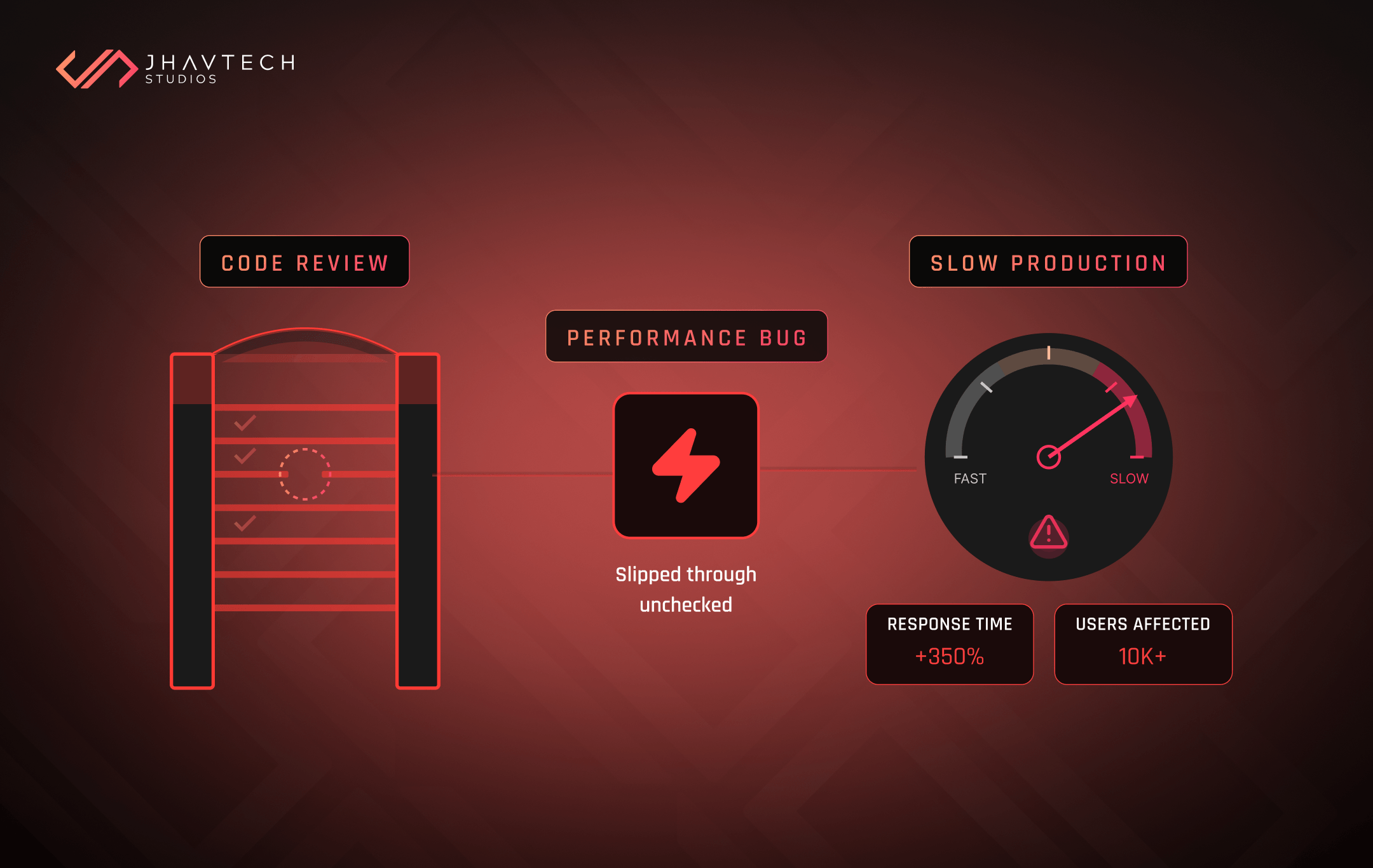
- Performance benchmarking to catch slowdowns before they affect conversion or retention
- Documentation upkeep, since poor documentation alone can double the effort needed for future maintenance
- A technical debt budget, a set percentage of engineering time set aside specifically to pay down shortcuts
- Clear ownership, whether that is an in-house engineer or an external app support services partner
- Defined SLAs, so response times and resolution expectations are agreed before there is an incident, not during one
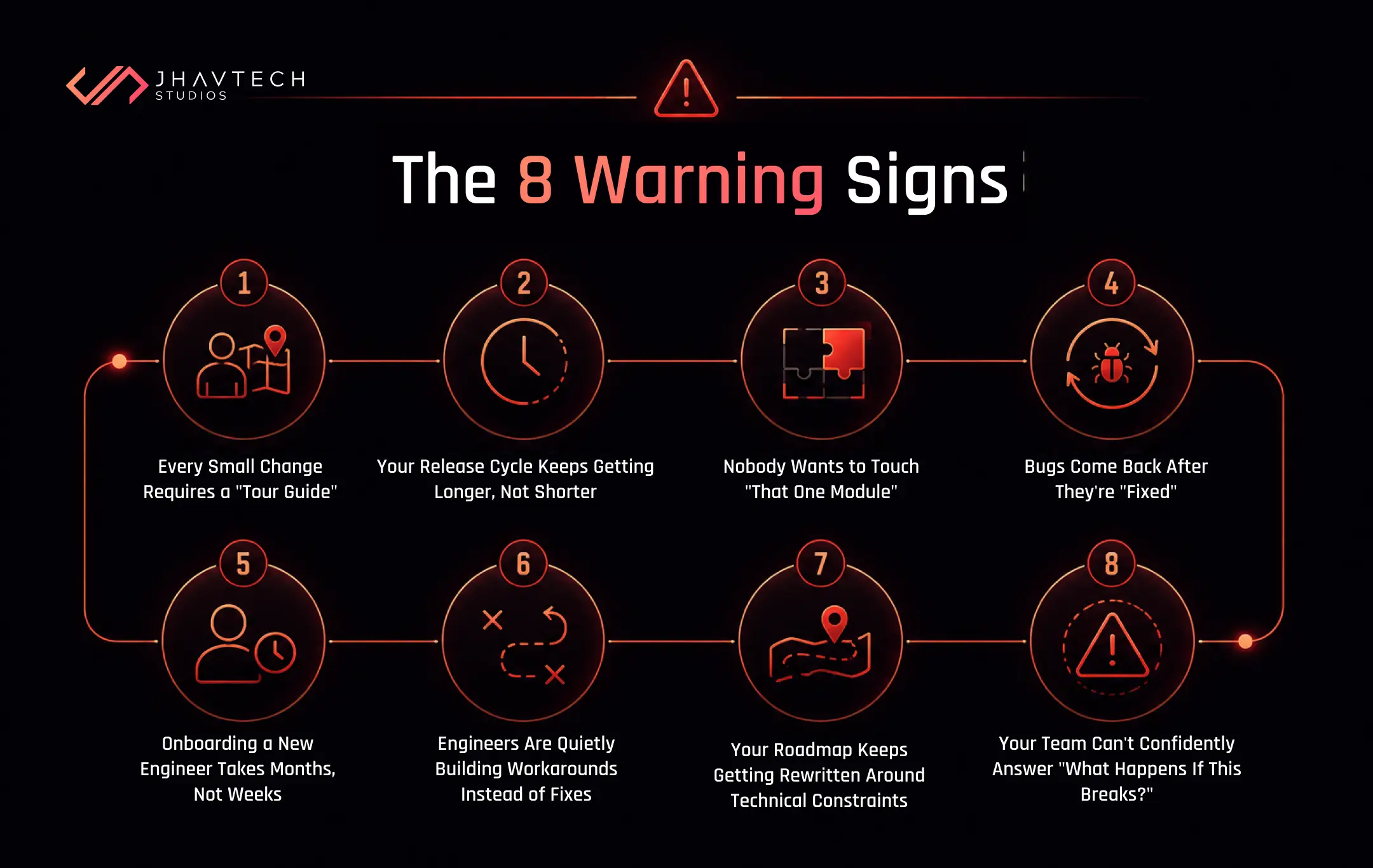
If half of that list feels unfamiliar, that is a signal worth paying attention to, and it lines up closely with the pattern we mapped out in our guide to the warning signs that a system is becoming unmanageable.
A Quick Self-Check
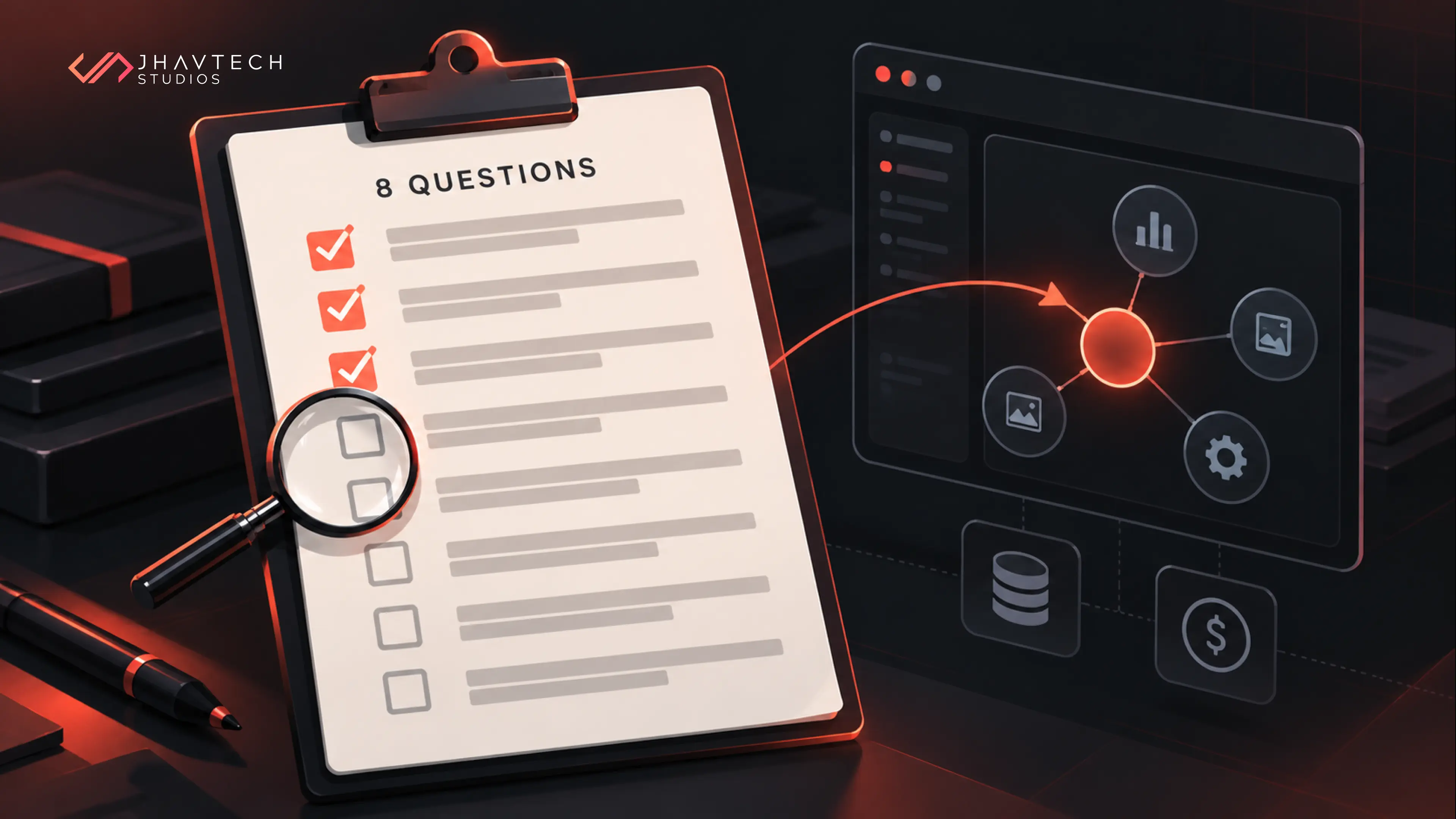
Run through this checklist. If you are answering "no" to more than two or three, maintenance has likely slipped further down your priority list than it should be.
Software Lifecycle Management: Building Maintenance in From Day One
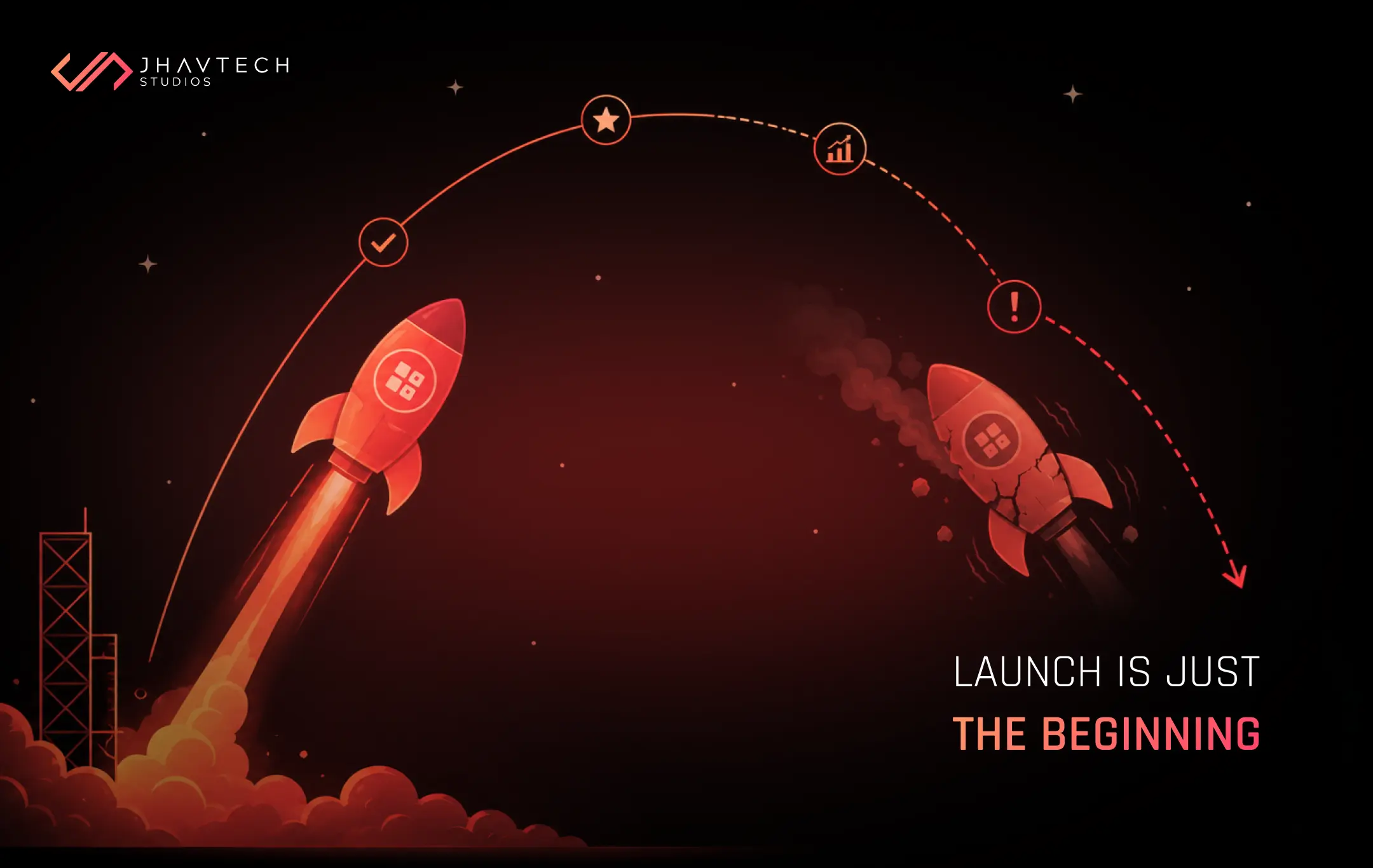
Software lifecycle management is the practice of planning for a system's entire life, from the first line of code to the day it is eventually retired, rather than treating launch as the finish line. Done well, it turns maintenance from an unplanned scramble into a predictable, budgeted part of doing business.
This starts earlier than most teams expect. A product built with clean architecture, sensible documentation, and realistic test coverage is dramatically cheaper to maintain than one rushed to market with shortcuts baked in. That is one reason experienced teams weigh long-term maintainability just as heavily as time-to-launch when scoping new mobile and web builds: a fast launch that creates years of expensive patchwork is rarely the win it looks like on day one.
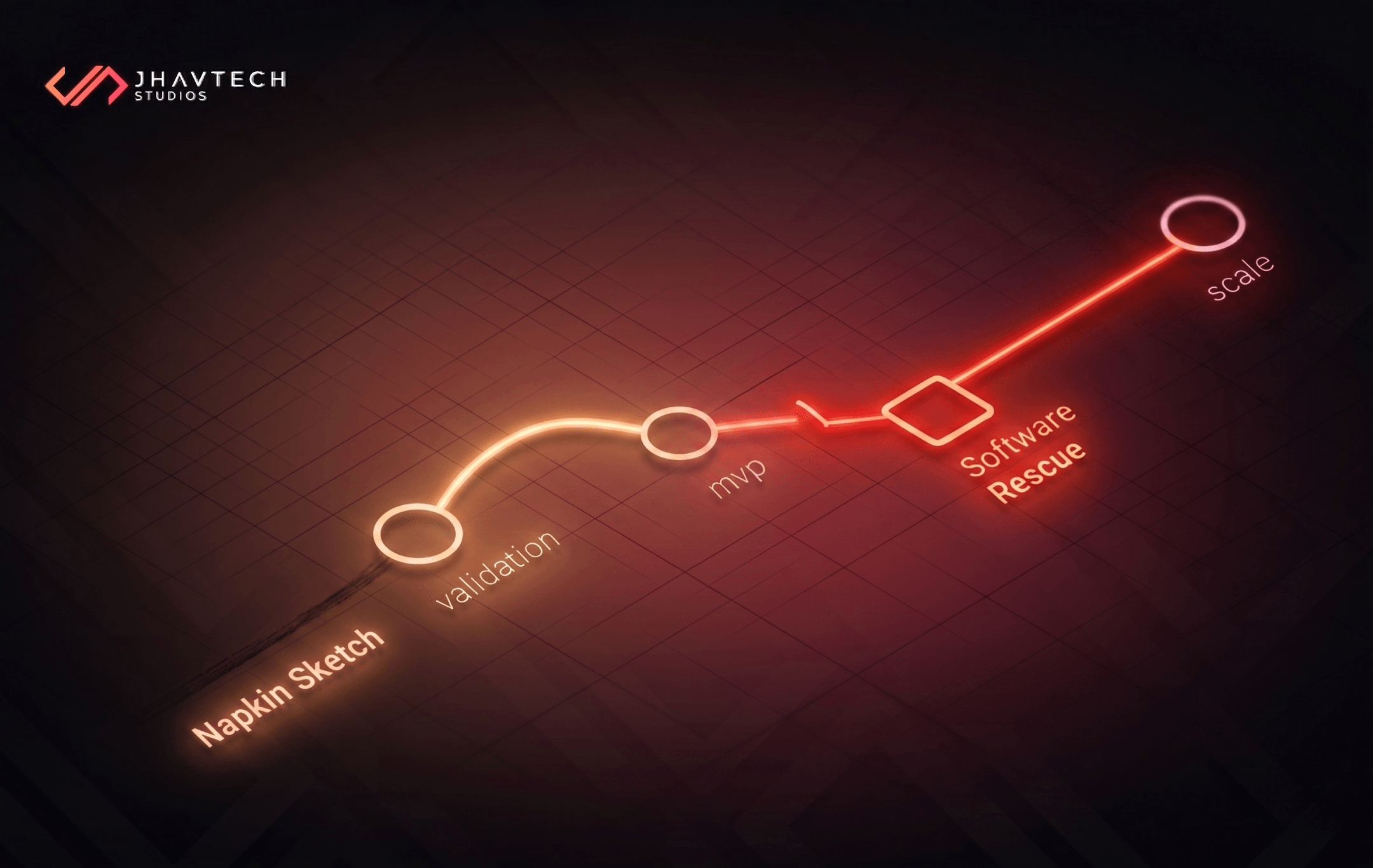
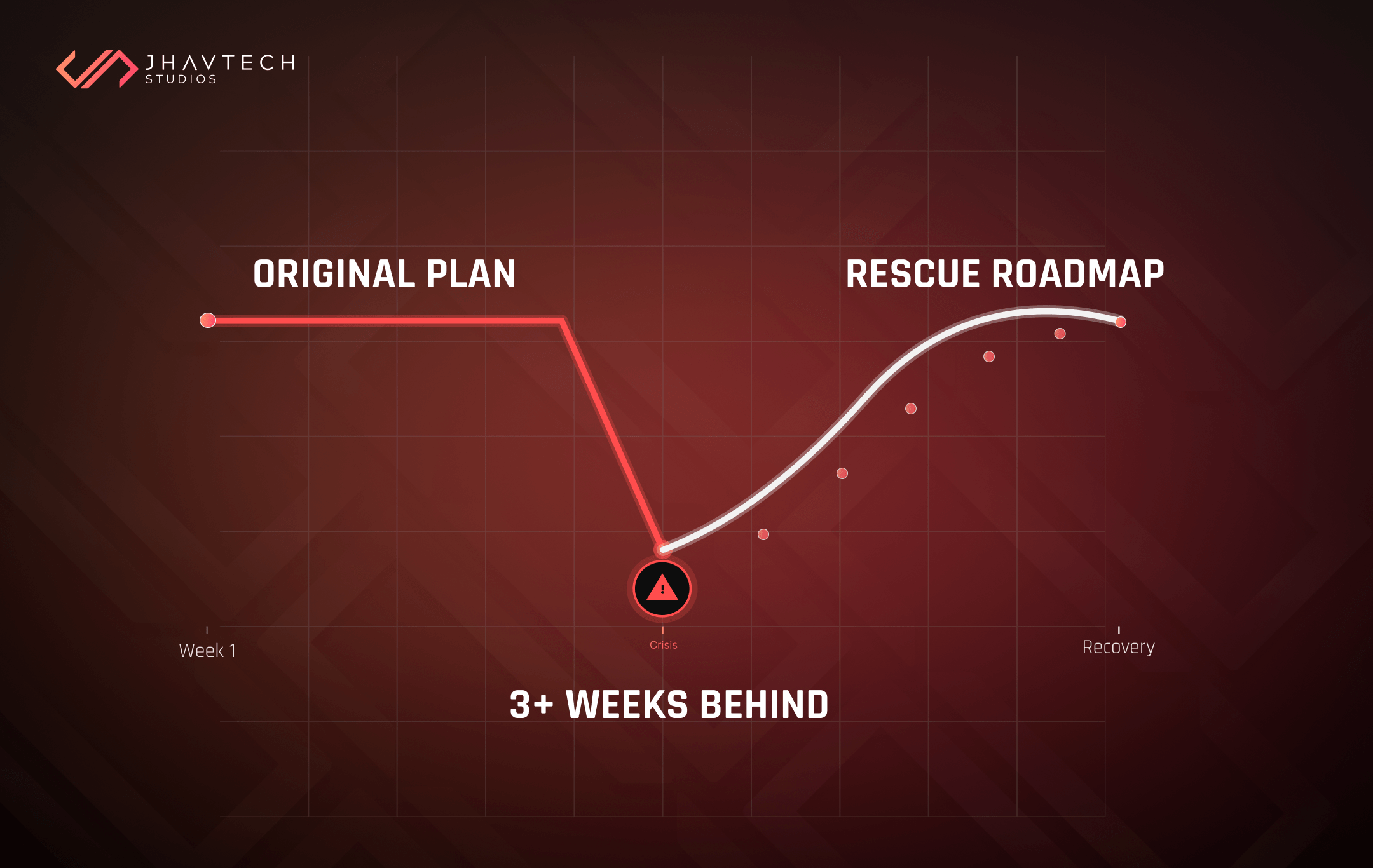
If your product has already grown past that stage and the technical debt has piled up regardless, that does not mean starting over. It often means a structured intervention, the kind of work covered by pulling a struggling codebase back from the brink, built specifically to stabilise, clean up, and modernise software that has drifted out of control.
App Support Services: What Good Software Maintenance Services Look Like
Not every business needs or can justify a full-time in-house maintenance team. This is where dedicated app support services come in, and the quality gap between providers offering software maintenance services is wide.
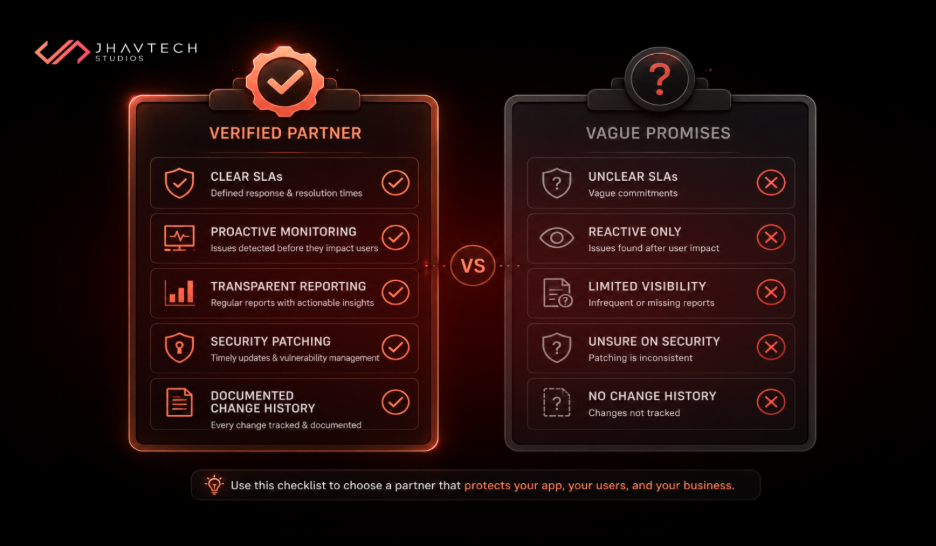
A partner worth keeping should offer:
- Transparent SLAs with defined response and resolution times, not vague "we'll get to it" promises
- Proactive monitoring, not just a support ticket inbox
- Regular reporting on uptime, performance, and outstanding technical debt
- Security-first patching, especially for anything handling customer data
- A documented, versioned change history, so nothing is a mystery six months from now
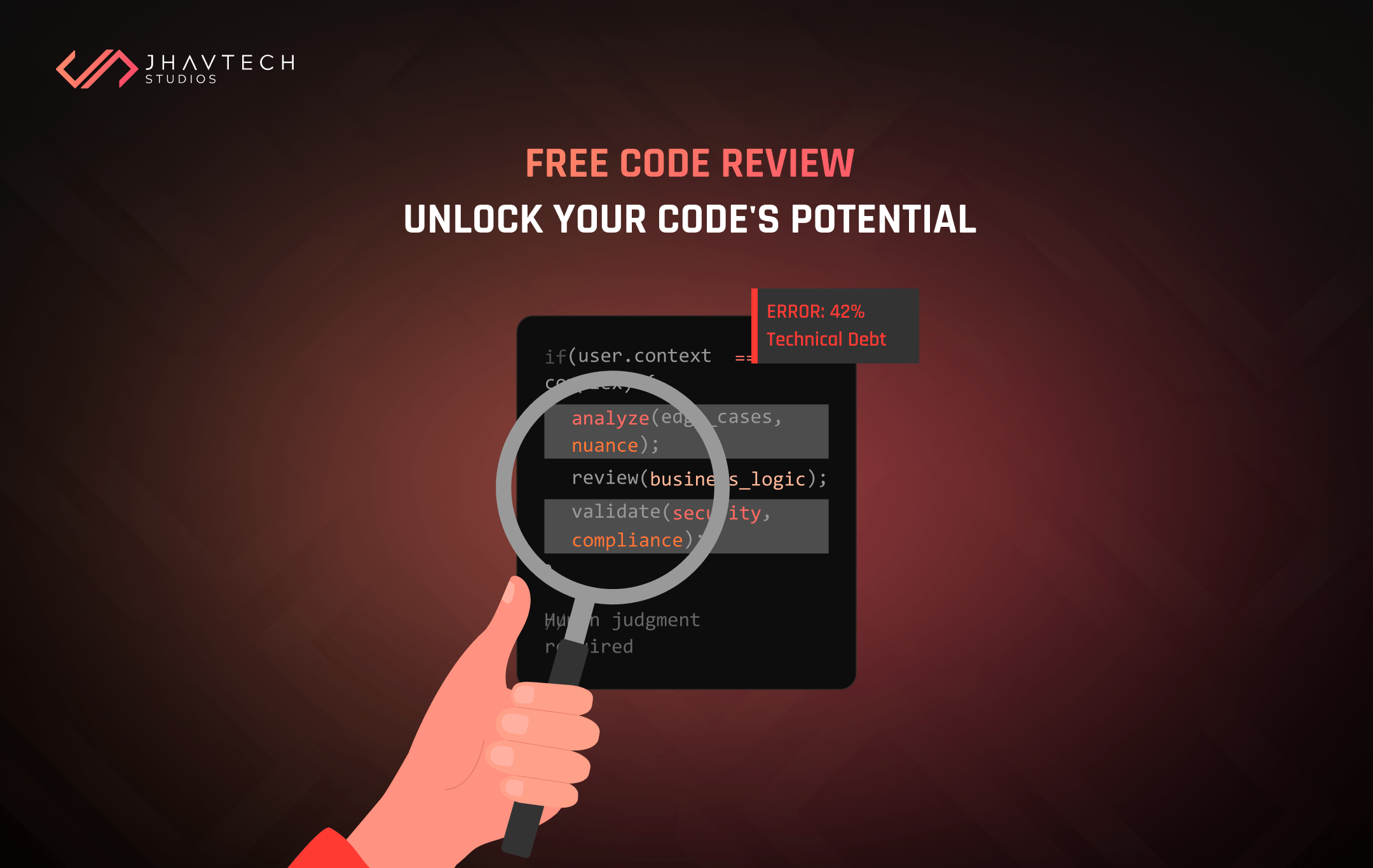
If you are unsure where your current codebase stands, an independent code review is a low-risk way to get an outside, objective read on code quality, security gaps, and technical debt before committing to a longer engagement.
Software Optimisation as a Growth Lever, Not Just Upkeep
It is easy to think of maintenance purely as defense: patch the bug, close the vulnerability, keep the lights on. But software optimisation, one of the four maintenance categories, is where ongoing investment starts paying for itself, and the "why" behind that is worth spelling out rather than taking on faith.
Why it moves customer acquisition cost (CAC). A slow, buggy first impression wastes the ad spend and content investment that got someone to your product in the first place. If a checkout or onboarding flow drops even a few seconds in load time, a meaningful share of that hard-won traffic bounces before converting, which means CAC quietly climbs even though your marketing spend has not changed.
Why it moves lifetime value (LTV) and retention. Every crash, glitch, or sluggish screen chips away at trust. Customers rarely file a complaint before they leave; they just stop coming back. Consistent performance and fewer bugs keep users inside the product long enough to form the habit that drives repeat usage, upsells, and renewals, which is the entire foundation of LTV. Regular optimisation is also what keeps a product usable as user numbers grow, exactly the scenario we walked through in our breakdown of preparing a startup for rapid product scaling. A system that was fine at 500 users can buckle at 50,000 if nobody has been tuning it along the way, and that kind of failure tends to happen right when growth momentum matters most.
Why it moves margin. Cleaner, well-maintained code reduces the hours needed for every new feature, and fewer bugs mean less support overhead, fewer refunds, and less engineering time spent firefighting instead of building. That time gets redirected into the roadmap instead of the backlog.
Treated this way, maintenance stops being a cost centre and starts functioning as a quiet, compounding competitive advantage, one that shows up directly in the metrics leadership already tracks.
Frequently Asked Questions
.png)


.webp)
.webp)
.webp)
.webp)
.webp)
.webp)
.webp)

.webp)
.webp)



.png)
.png)
.png)
.png)
.png)
.png)
.png)
.png)
.png)
.png)
.png)
.png)
.png)

.png)
.png)

.png)

.png)
.png)
.png)
.png)
.png)
.png)
.png)
.png)
.png)
.png)

.png)
.png)

.png)
.png)
.png)
.png)
.png)
.png)
.png)
.png)
.png)
.png)
.png)
.png)
.png)
.png)