.svg)
.svg)


What Is a Technical Discovery Phase and Why Should It Happen Before Development?
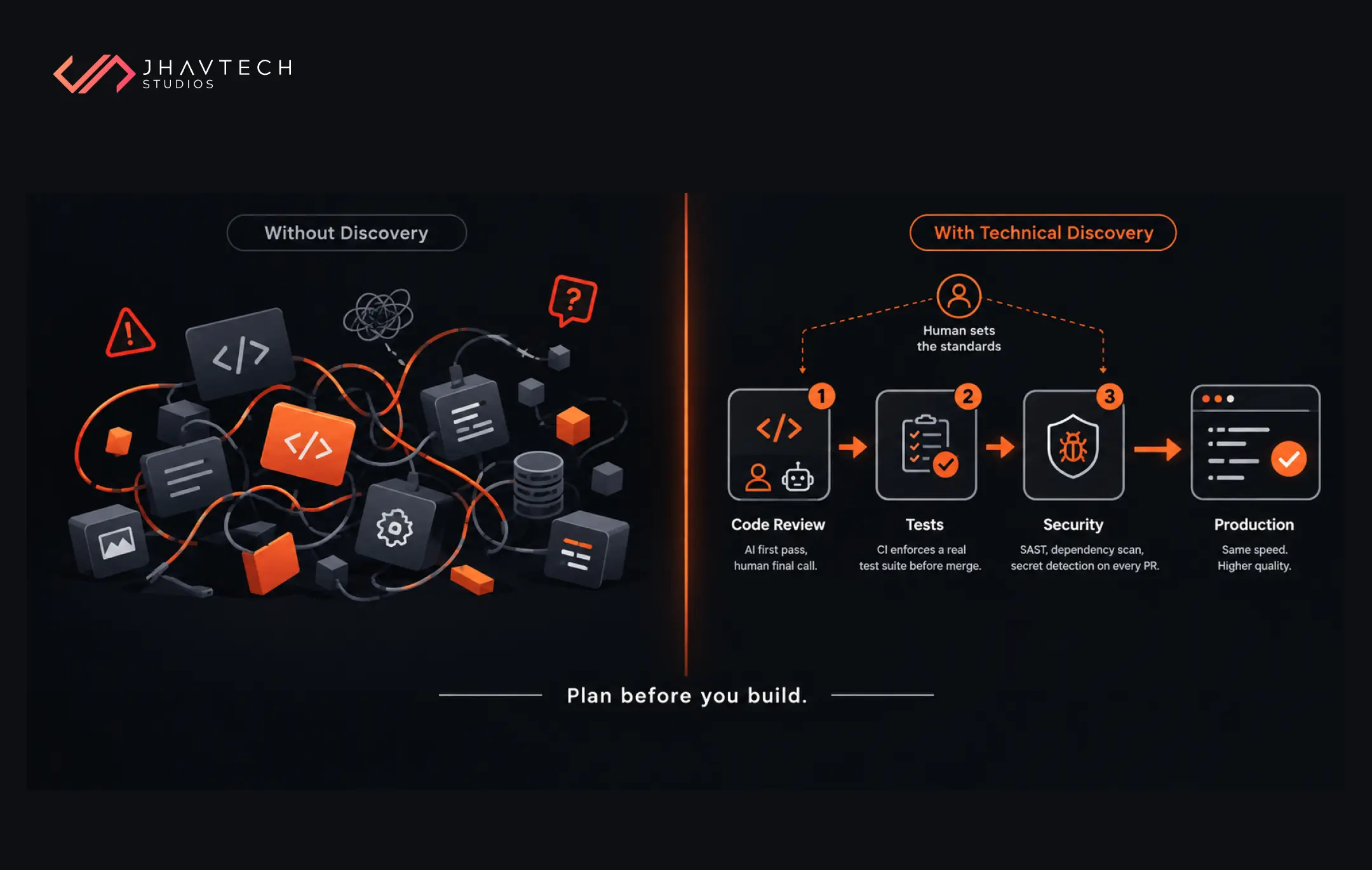
A technical discovery phase is the structured investigation that happens before a line of production code gets written. It maps out requirements, technical constraints, architecture options, risks, and a realistic budget so your team builds the right thing the right way. Skipping it is one of the most expensive mistakes a startup or SME can make. This blog explains what technical discovery involves, how it differs from product discovery, what a software discovery workshop looks like, and why the smartest founders treat it as insurance rather than overhead.
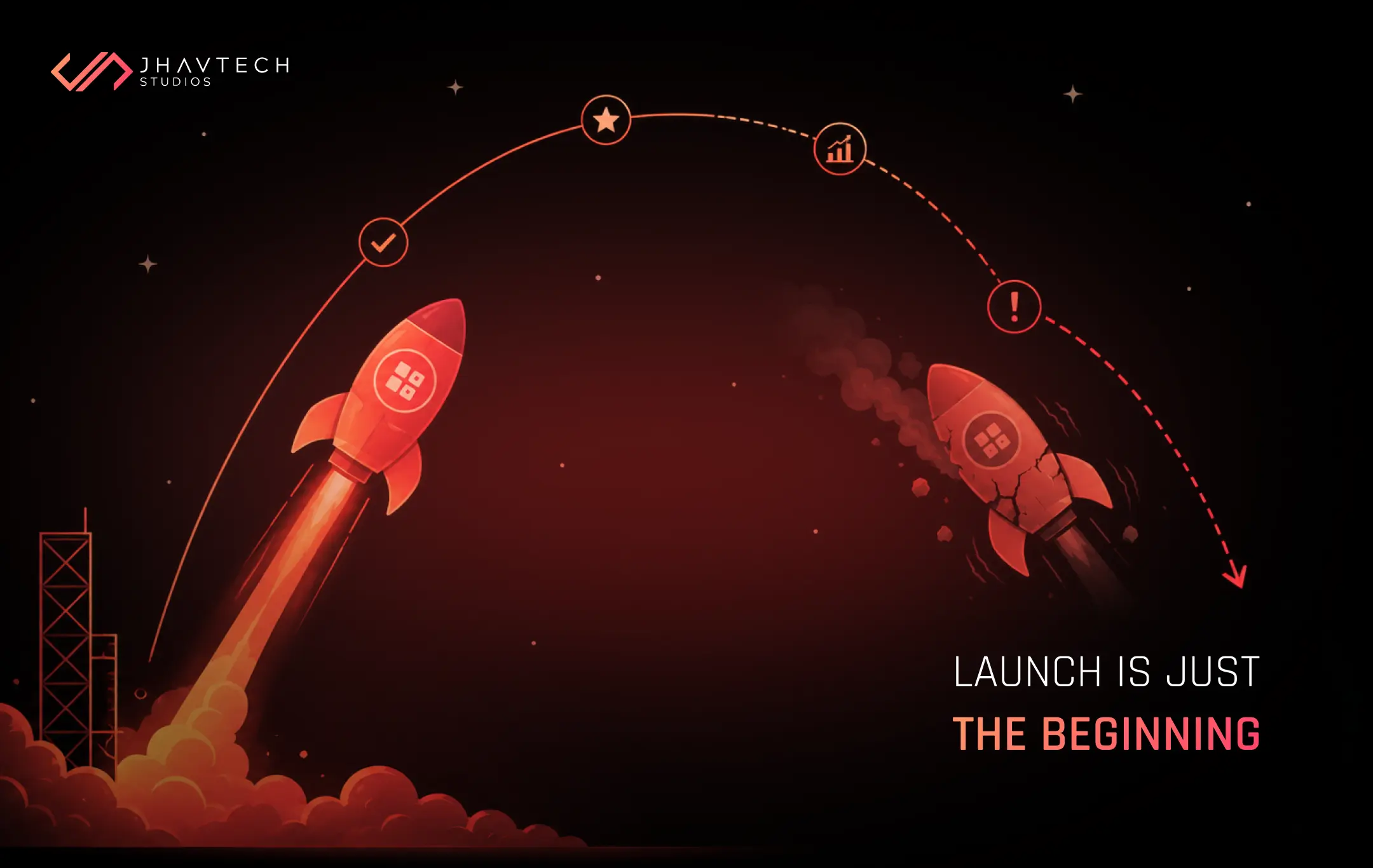
Picture this. You have signed off on a build, the developers are three months in, and someone asks a simple question: "Wait, does the payment provider we picked even support the currencies we need?" The room goes quiet. That silence is the sound of money leaving the building.
It happens more often than anyone likes to admit. And nearly every time, the root cause traces back to the same thing: the team started building before they finished thinking. A technical discovery phase is how you stop that from happening to you.
Let's get into what it is, why it matters, and how to run one properly.
So, What Exactly Is a Technical Discovery Phase?
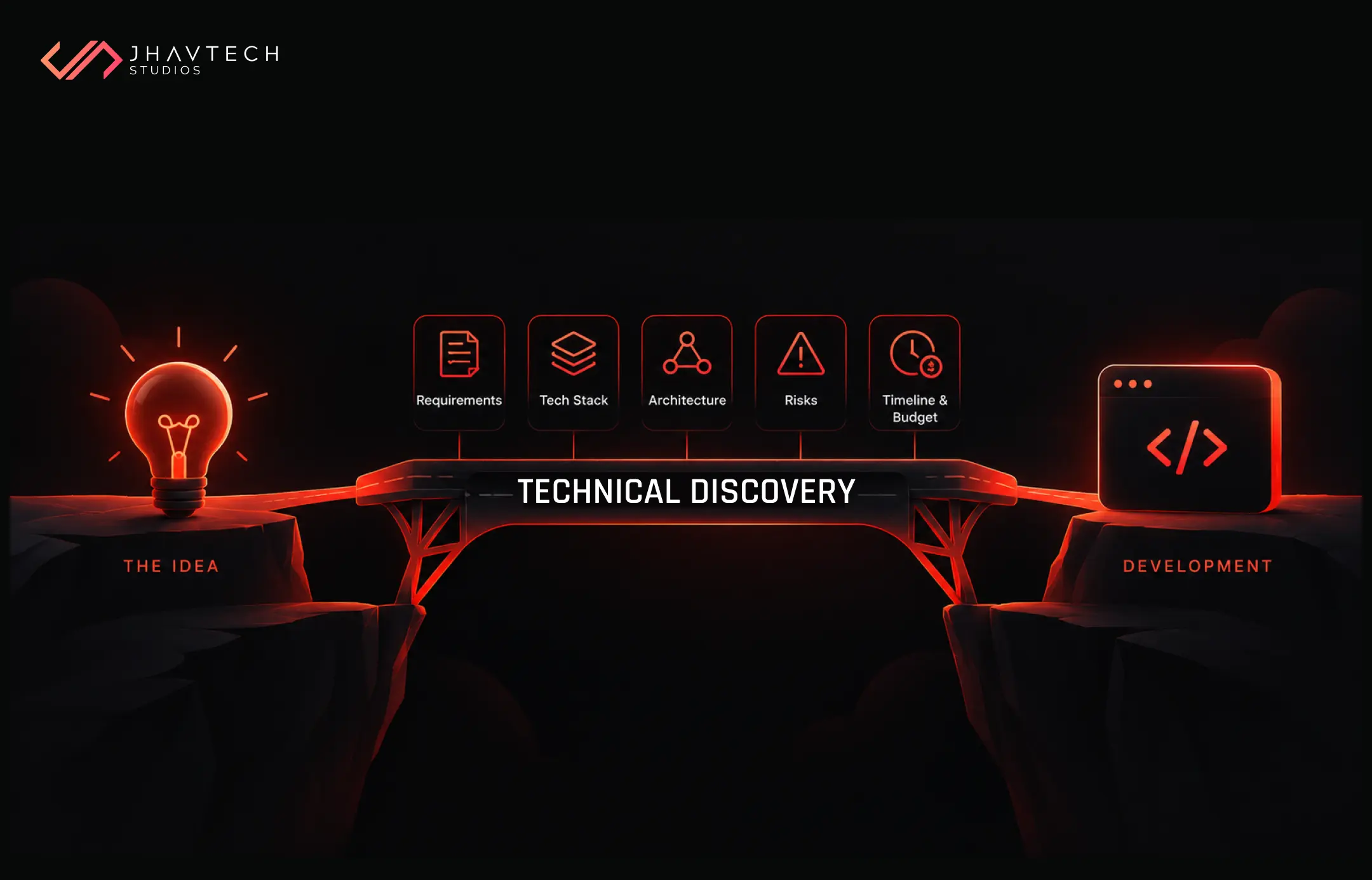
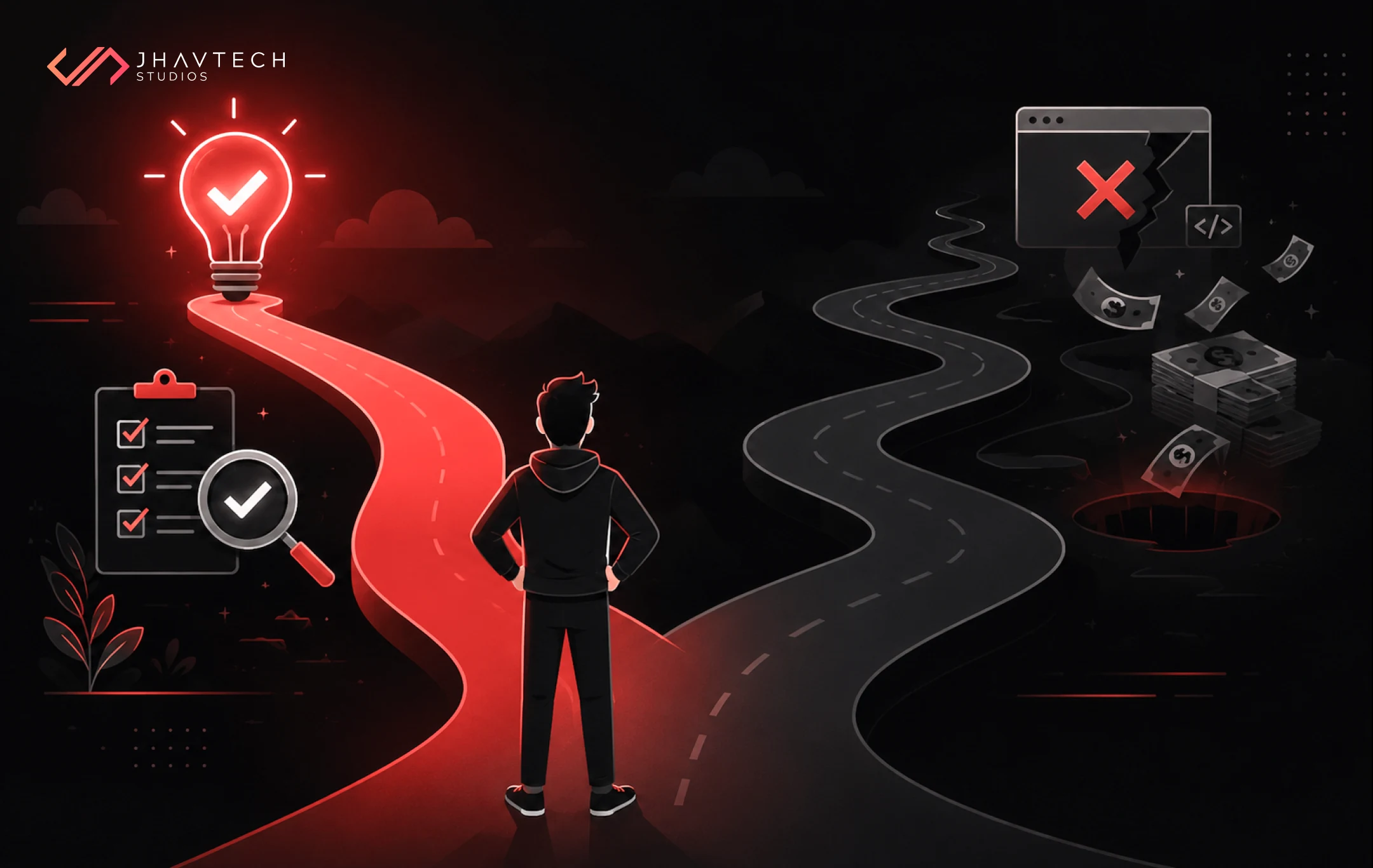
The technical discovery phase is a focused period of research and planning that sits between "we have an idea" and "we are writing code." Its job is to answer the hard questions early, while they are still cheap to answer.
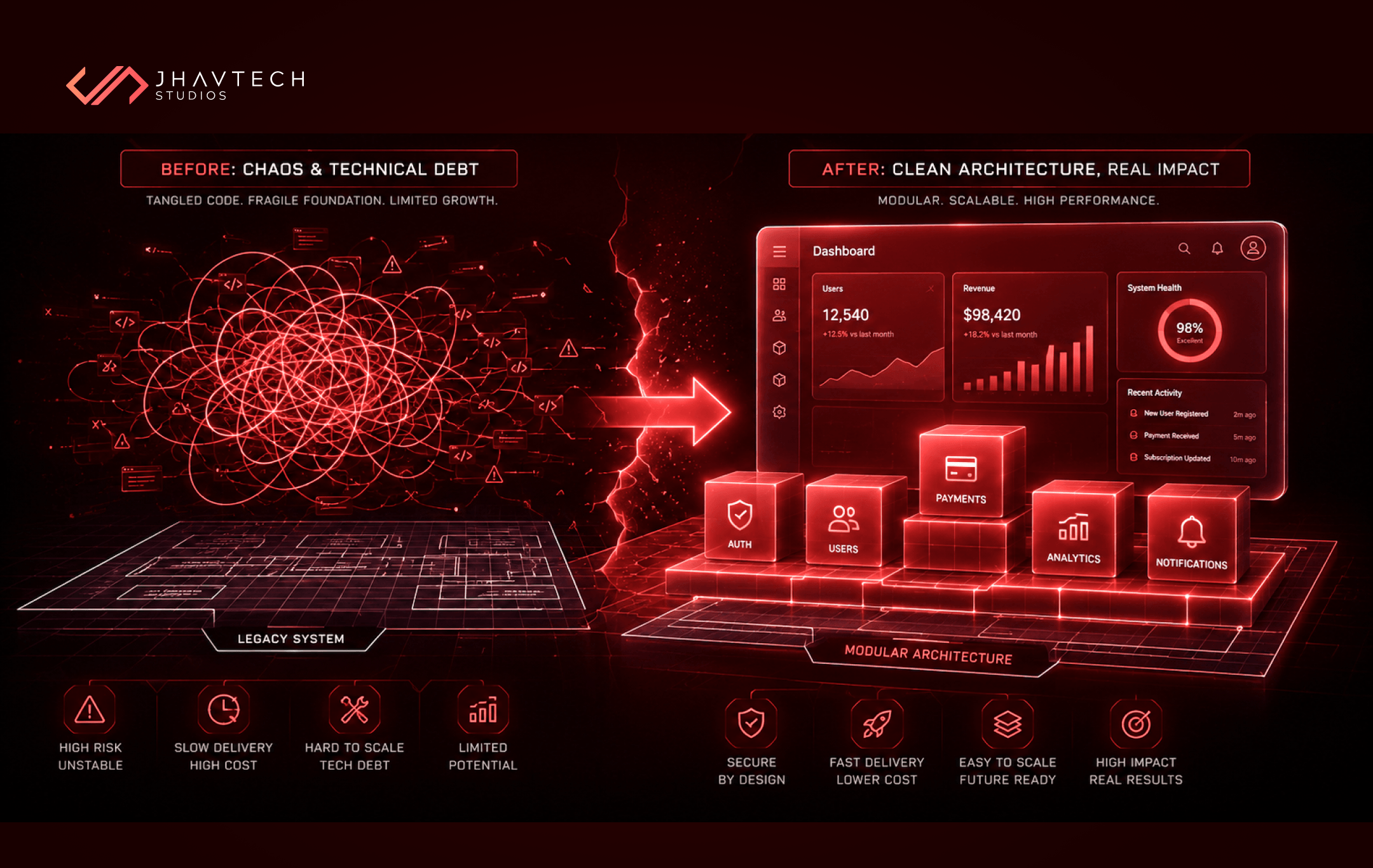
During this phase, a team of engineers, architects, and product people dig into the specifics of your project. They pin down what the software needs to do, how it should be built, what could go wrong, and roughly what it will cost. Think of it as the difference between a builder who surveys the land, checks the soil, and drafts blueprints versus one who just starts pouring concrete and hopes for the best.
A proper software discovery phase usually produces a few concrete things:
- A clear, prioritised list of requirements everyone agrees on
- A recommended technology stack with the reasoning behind each choice
- A high-level system architecture
- A risk register that names the scary stuff before it bites
- A realistic timeline and budget estimate
- A prototype or wireframes, in many cases
The point is not to plan every detail to death. Agile teams still leave room to adapt. The point is to remove the big, expensive unknowns so that when development begins, the team is building with confidence instead of guessing.
Why This Matters More Than You Think
Here is where the numbers get uncomfortable. The Standish Group's long-running CHAOS research found that only 16.2% of software projects were delivered on time and on budget, while 31.1% were cancelled before they ever shipped. Their focus groups pointed to the same top culprits again-and-again: incomplete requirements, lack of user involvement, and changing requirements mid-flight. You can read the primary findings in the original CHAOS report.
Those are exactly the problems technical discovery is designed to catch.
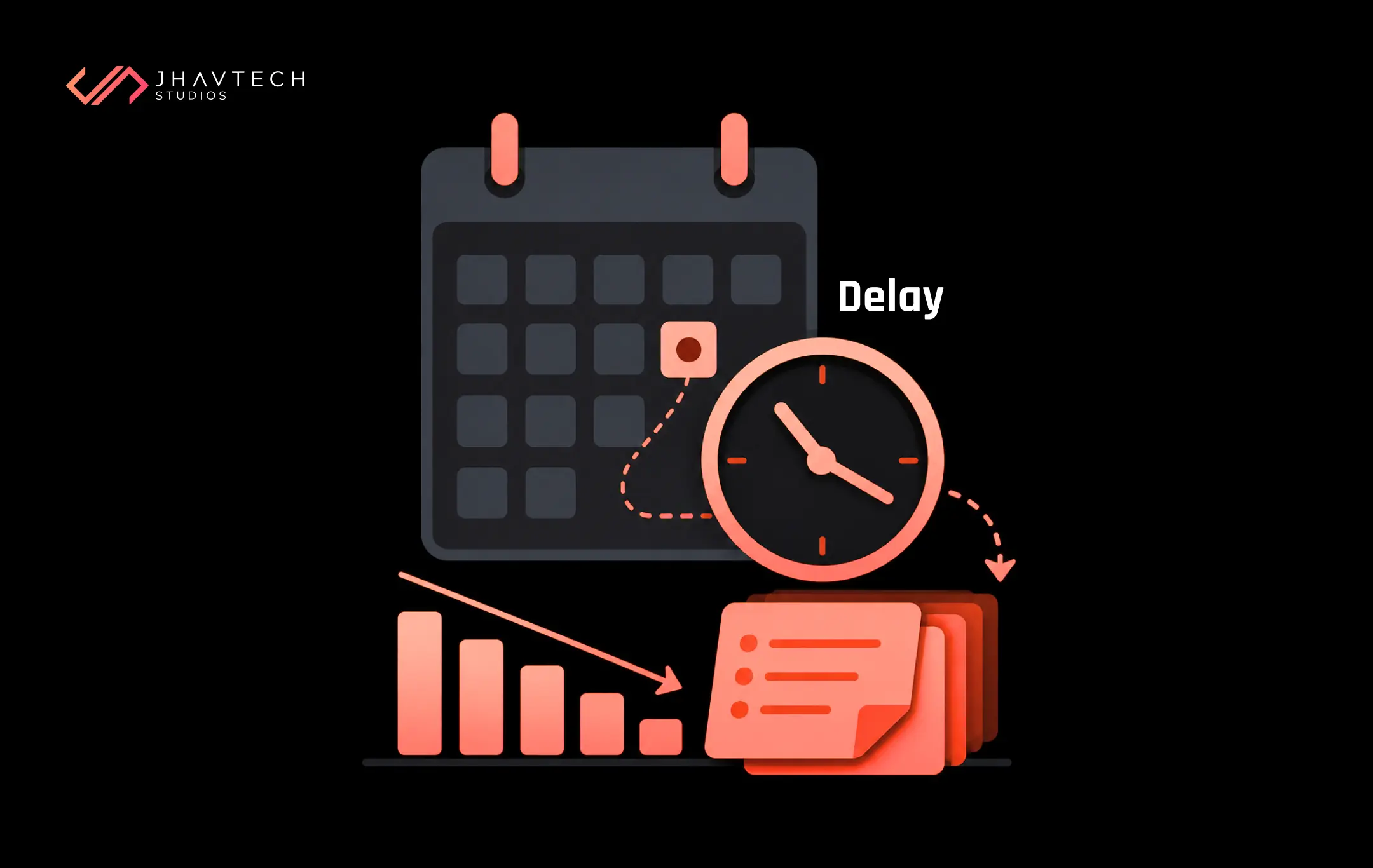
Then there is the cost of fixing mistakes late. Data referenced by the US National Institute of Standards and Technology shows that a defect caught during requirements or design is dramatically cheaper to fix than the same defect caught after release, with later-stage fixes running many times more expensive. The NIST report on the economic impact of software defects is available directly from the NIST website. A problem you spot in a discovery workshop might cost an hour of conversation. The same problem spotted in production could cost weeks of rework, a delayed launch, and a very awkward board meeting.
Zoom out further and the scale becomes almost hard to believe. The Consortium for Information and Software Quality estimated the cost of poor software quality in the United States alone at roughly $2.41 trillion, including hundreds of billions tied to unsuccessful projects. That is not a rounding error. That is the compounded cost of a lot of teams skipping the thinking step.
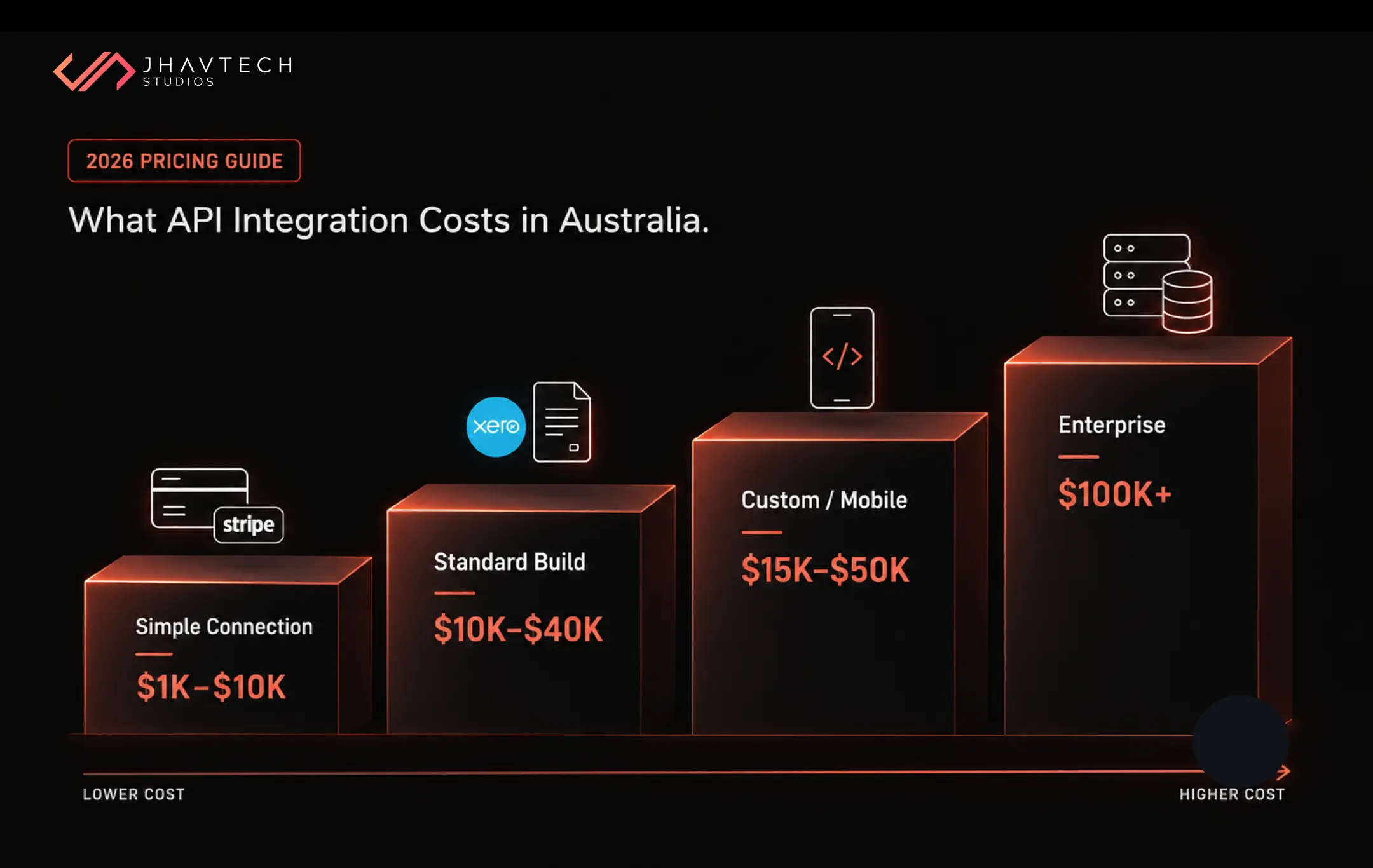
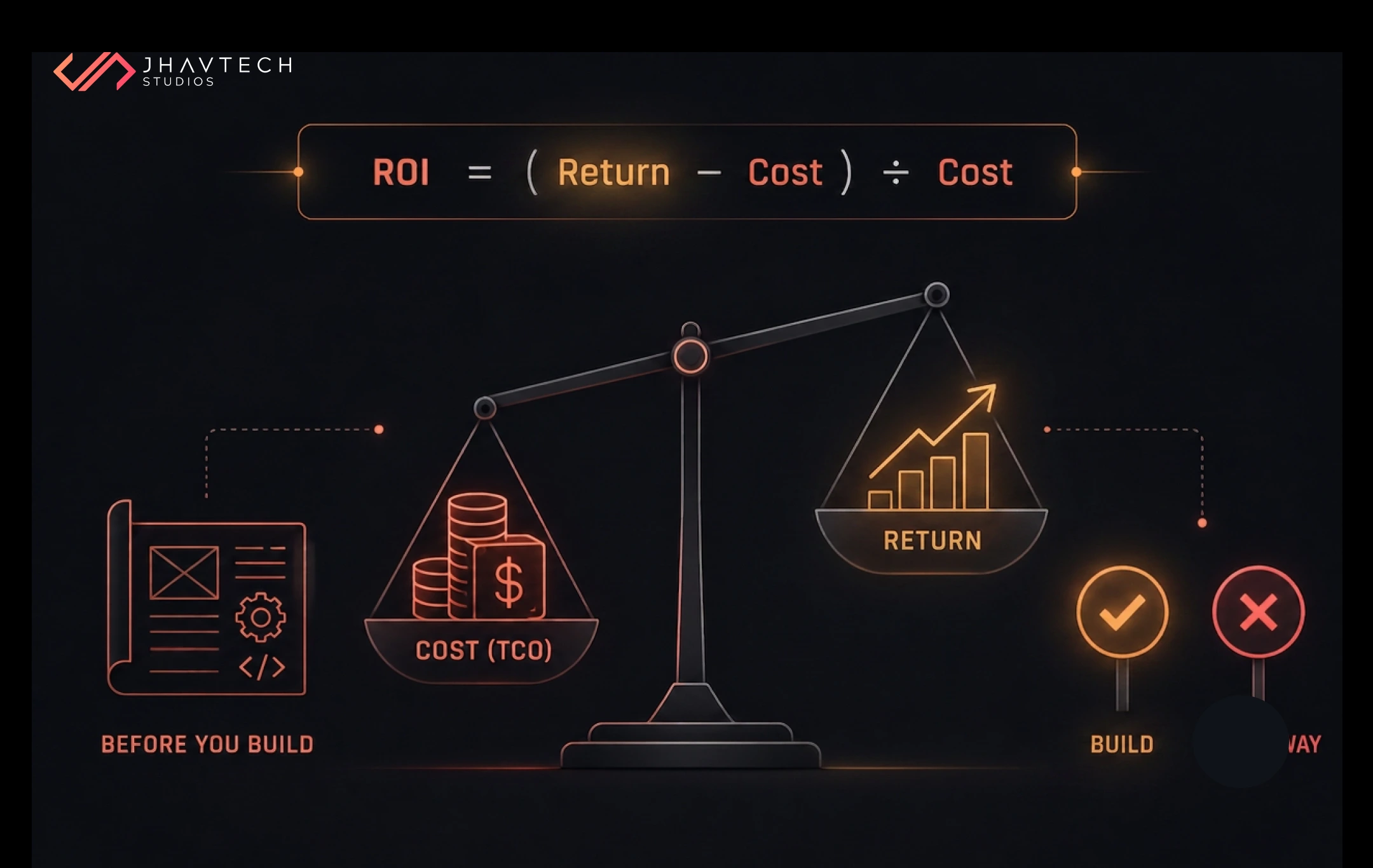
For a startup or SME, the stakes are sharper still. You don’t have a giant enterprise budget to absorb a failed build. A wasted six months can be the difference between raising your next round and shutting the doors. If you want to put real numbers against your own project, our guide on calculating the ROI of custom software before you build it walks through the math.
Product Discovery vs Technical Discovery: What's the Difference?
People mix these two up constantly, and the confusion causes real problems. They are related, they often overlap, but they answer different questions.
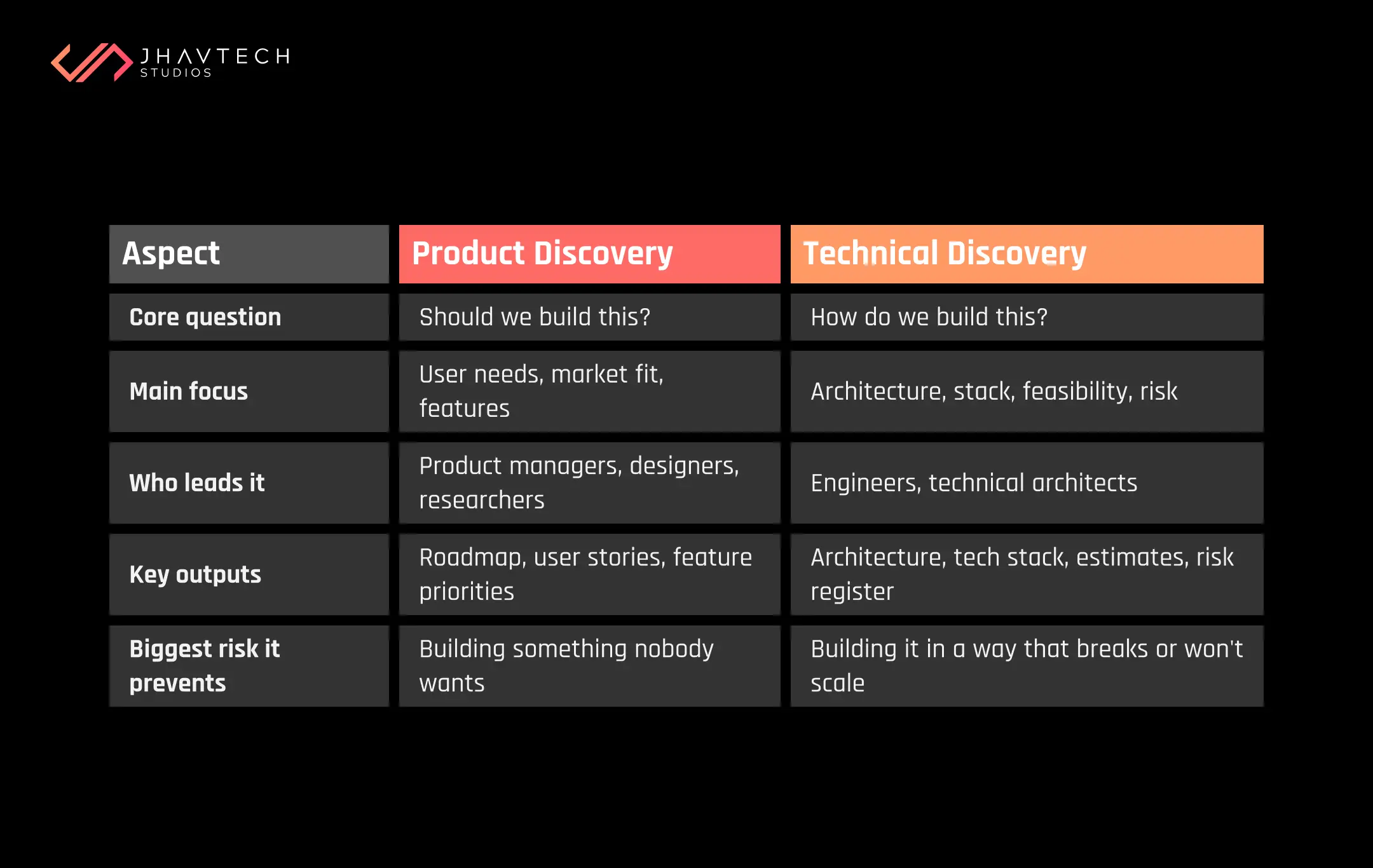
Product discovery is about the what and the why. Are we solving a real problem? Do users really want this? What features matter most? It is led by product managers, designers, and user researchers, and it lives close to the market.
Technical discovery is about the how. Given what we want to build, how do we build it well? What stack, what architecture, what integrations, what risks? It is led by engineers and technical architects, and it lives close to the code.
Here is a simple way to see them side by side.
Product Discovery vs Technical Discovery at a Glance
The best projects run both. Product discovery makes sure you are building the right thing. Technical discovery makes sure you build it in a way that survives contact with real users, real data, and real growth. One without the other leaves a gap, and gaps are where projects fall over.
What Happens in a Software Discovery Workshop
A software discovery workshop is where a lot of this thinking gets done. It is a set of working sessions, usually run over days or a couple of weeks depending on complexity, that brings your stakeholders together with the technical team.
These are not vague talking-shops. A good workshop is structured, and it moves fast. Here is the shape it usually takes.
Requirements Deep-Dive
The team pulls apart your idea and rebuilds it as a concrete list of requirements. What must the software do on day one? What can wait? Who are the users and what do they need from each screen? This is where fuzzy ambitions become specific, testable statements.
Technical Feasibility and Architecture
Engineers assess what it takes to deliver those requirements. They evaluate technology options, sketch the system architecture, and flag anything that looks difficult, from third-party integrations to data volumes to compliance obligations. If something is going to be hard, this is where you find out.
Risk Identification
Every project has landmines. The workshop surfaces them on purpose. Maybe a key integration has a shaky API. Maybe the timeline assumes a team you have not hired yet. Naming these risks early means you can plan around them instead of tripping over them later.
Estimation and Roadmap
Finally, the team turns all of that into a realistic plan: what gets built, in what order, by when, and for roughly how much. Because the estimate is grounded in real analysis rather than optimism, it tends to hold up far better than a number pulled out of a kickoff meeting.
A Simple Checklist: Is Your Project Ready to Skip Discovery?
Short answer, it probably is not. But this checklist will tell you quickly. If you cannot confidently tick most of these boxes, you need a discovery phase before you build.
Pre-Development Readiness Checklist
☐ We have a written, prioritised list of requirements everyone agrees on
☐ We know exactly who our users are and what they need
☐ We have chosen a technology stack and can explain why
☐ We understand how the system will be structured at a high level
☐ We have identified our third-party integrations and confirmed they work for us
☐ We know our biggest technical risks and have a plan for each
☐ We have a budget and timeline based on analysis, not guesswork
☐ We know how the product will scale as usage grows
☐ Our compliance and security obligations are documented
☐ Stakeholders and the technical team share the same understanding of success
Every unchecked box is an unknown. And in software, unknowns have a habit of turning into invoices.
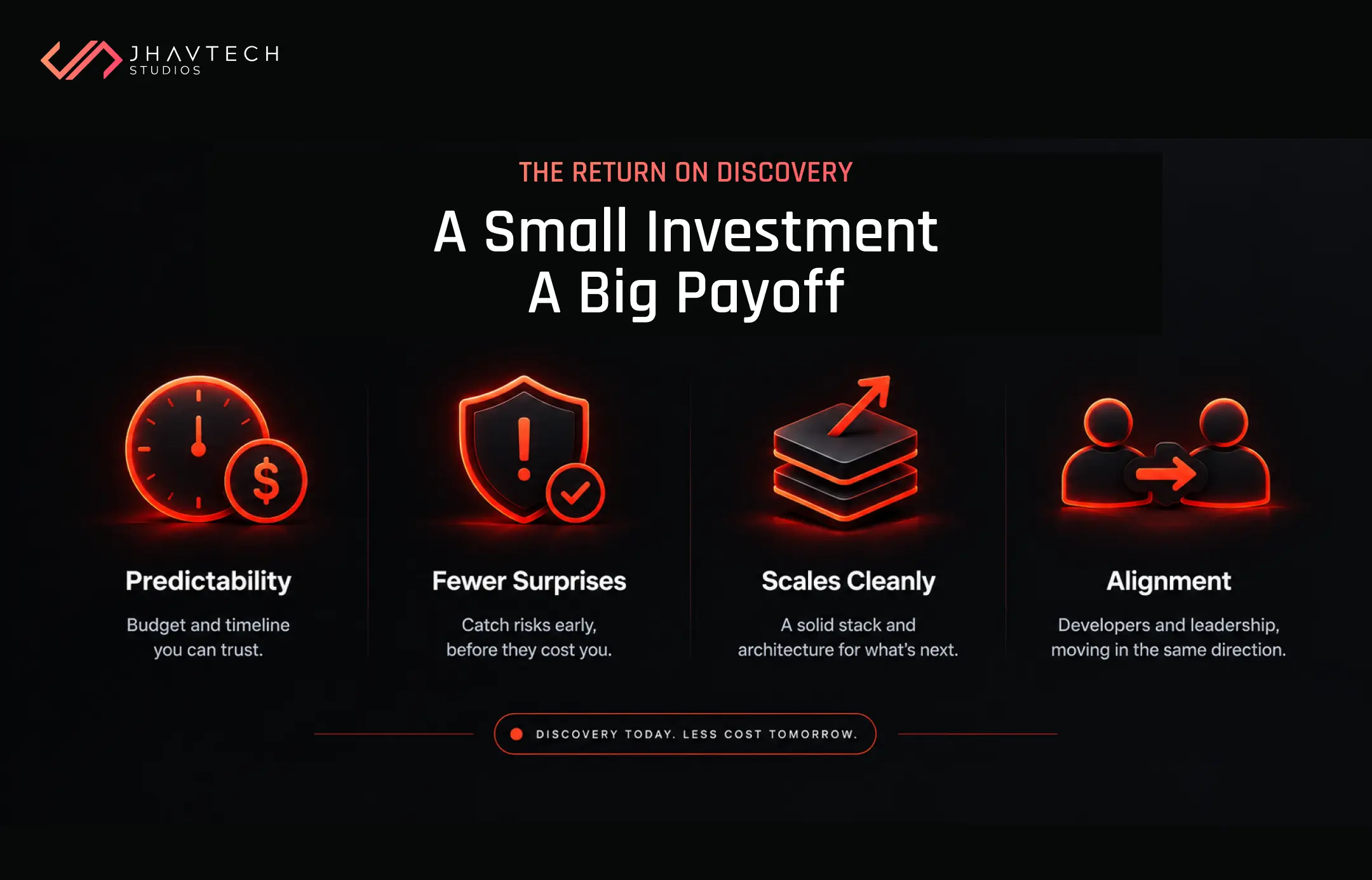
The Payoff: What Discovery Actually Buys You
Let's be direct about the return on this investment, because that is what decision makers care about.
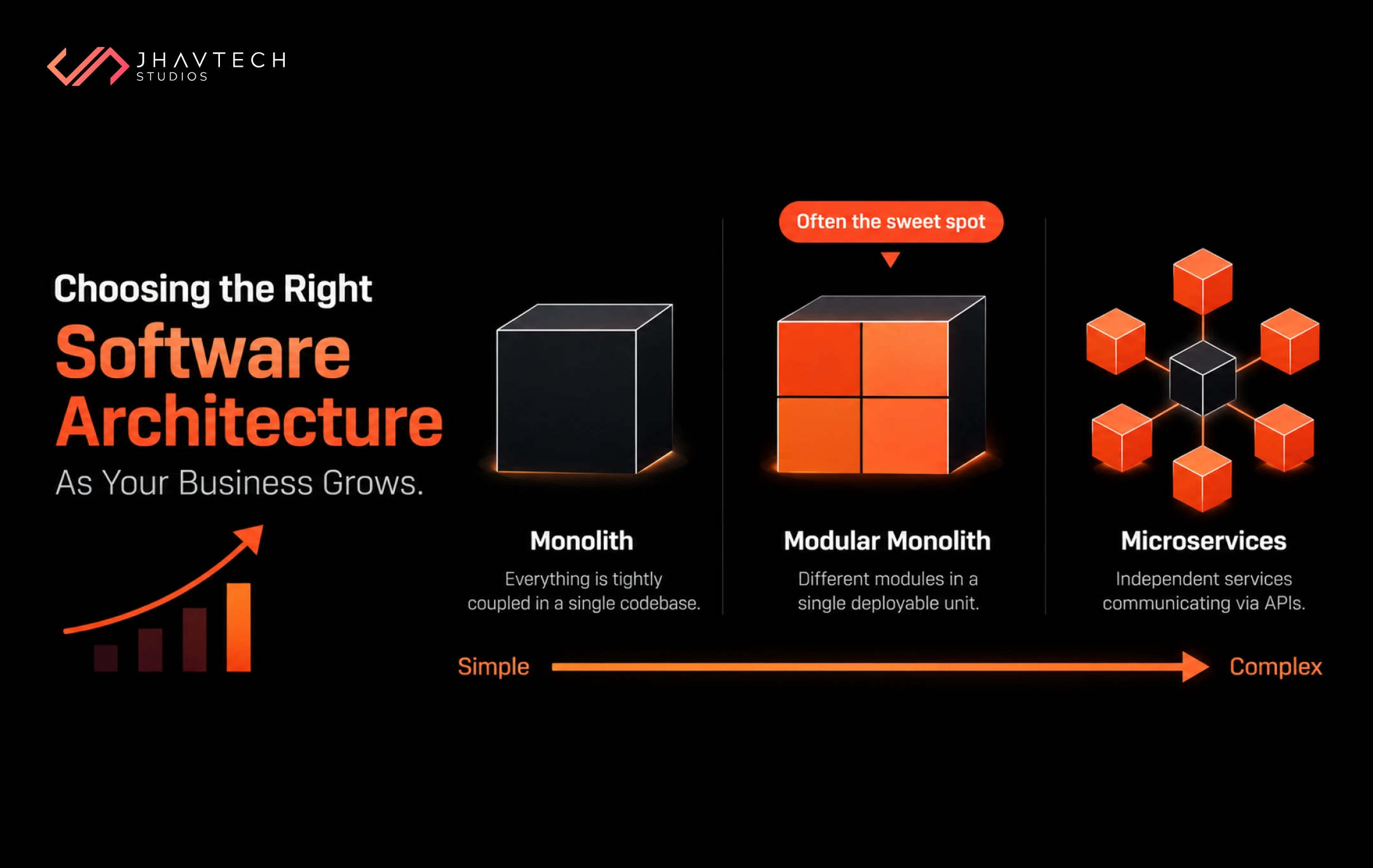
A technical discovery phase buys you predictability. Your budget and timeline are grounded in reality, so you are far less likely to blow through both. It buys you fewer nasty surprises, because the expensive problems get caught while they are still cheap. It buys you a stack and architecture that scale, so you are not forced into a painful rebuild the moment you get traction. If you want to go deeper on that, our guide on choosing the right software architecture for a growing business is a useful companion read. And it buys you alignment, so your developers and your leadership are actually building the same product.
There is a reason experienced founders and CTOs treat discovery as non-negotiable. They have usually paid the tuition once already. The cost of a discovery phase is small, known, and upfront. The cost of skipping it is large, unpredictable, and always arrives at the worst possible time.
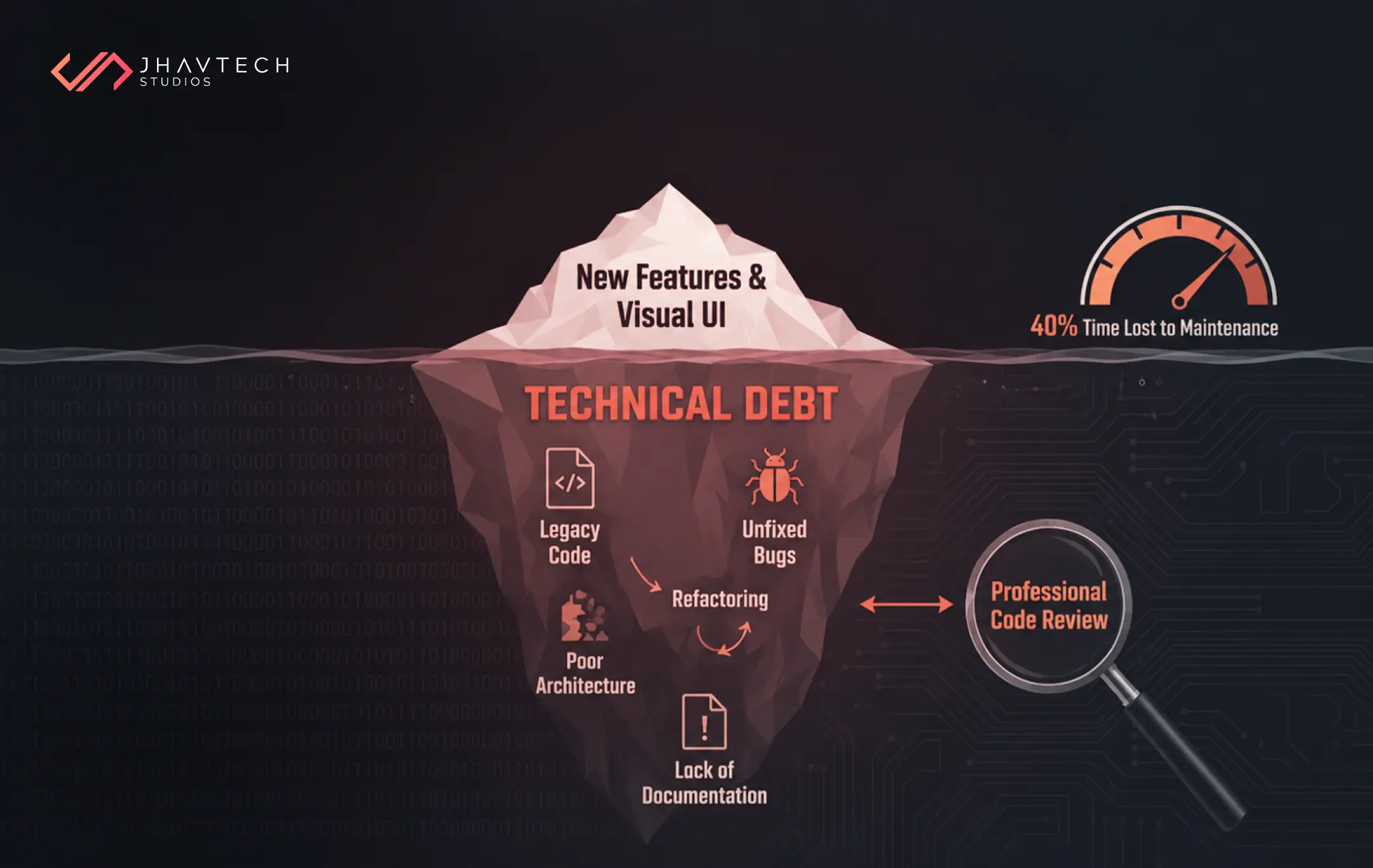
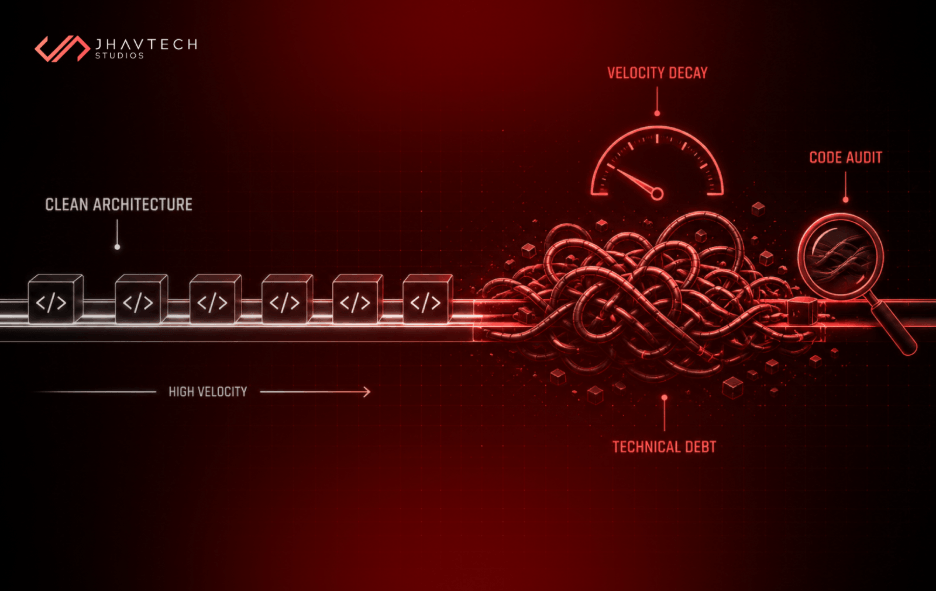
It is worth adding that discovery is not just for greenfield builds. If you have inherited a messy codebase or a stalled project, the same investigative rigour applies. A focused audit can tell you what is salvageable and what needs to go, which is often the first step in a successful turnaround of a struggling build. And if you simply want a second opinion on code quality before you commit further, a no-cost technical code review is a low-risk way to surface hidden issues.
When Should You Run a Technical Discovery Phase?
The obvious answer is before development. But there are a few moments where it becomes especially critical:
- Before a new build, particularly your first serious product. This is the classic case, and it applies whether you are building for web or planning a custom app build where platform and device choices are painful to reverse later.
- Before a major expansion, when you are adding significant features or entering a new market and the technical demands change.
- Before a rebuild or migration, when you are moving off legacy systems and need to understand what you are dealing with.
- After a failed start, when a previous attempt stalled and you need to work out why before trying again.
Discovery is not just for greenfield builds either. If you are weighing your options at the very start, our build vs buy decision framework is a useful companion read before you commit to building anything at all.
The Bottom Line
Software fails for boring, preventable reasons far more often than it fails for exotic ones. Unclear requirements. A stack that could not scale. A risk nobody named until it was too late. A team building one thing while leadership expected another.
A technical discovery phase exists to catch every one of those before they cost you. It is the cheapest insurance policy in software development, and the founders who take it seriously are the ones who tend to ship on time, on budget, and on target. The thinking has to happen somewhere. Far better it happens in a two-week workshop than in a crisis meeting six months into a build that is already off the rails.
Do the thinking first. Your future self, and your bank balance, will thank you.
Frequently Asked Questions
.webp)

.webp)
.webp)
.webp)
.webp)

.webp)
.webp)

.webp)
.webp)


.png)
.png)
.png)
.png)
.png)
.png)
.png)
.png)
.png)
.png)
.png)
.png)
.png)
.png)
.png)
.png)


.png)
.png)
.png)
.png)
.png)
.png)
.png)
.png)
.png)
.png)
.png)

.png)
.png)

.png)
.png)
.png)
.png)
.png)
.png)
.png)
.png)
.png)
.png)
.png)
.png)
.png)
.png)
.png)
.png)
.png)

.png)
.png)
.png)