.svg)
.svg)


Top 5 Mobile App Engagement & User Retention Techniques
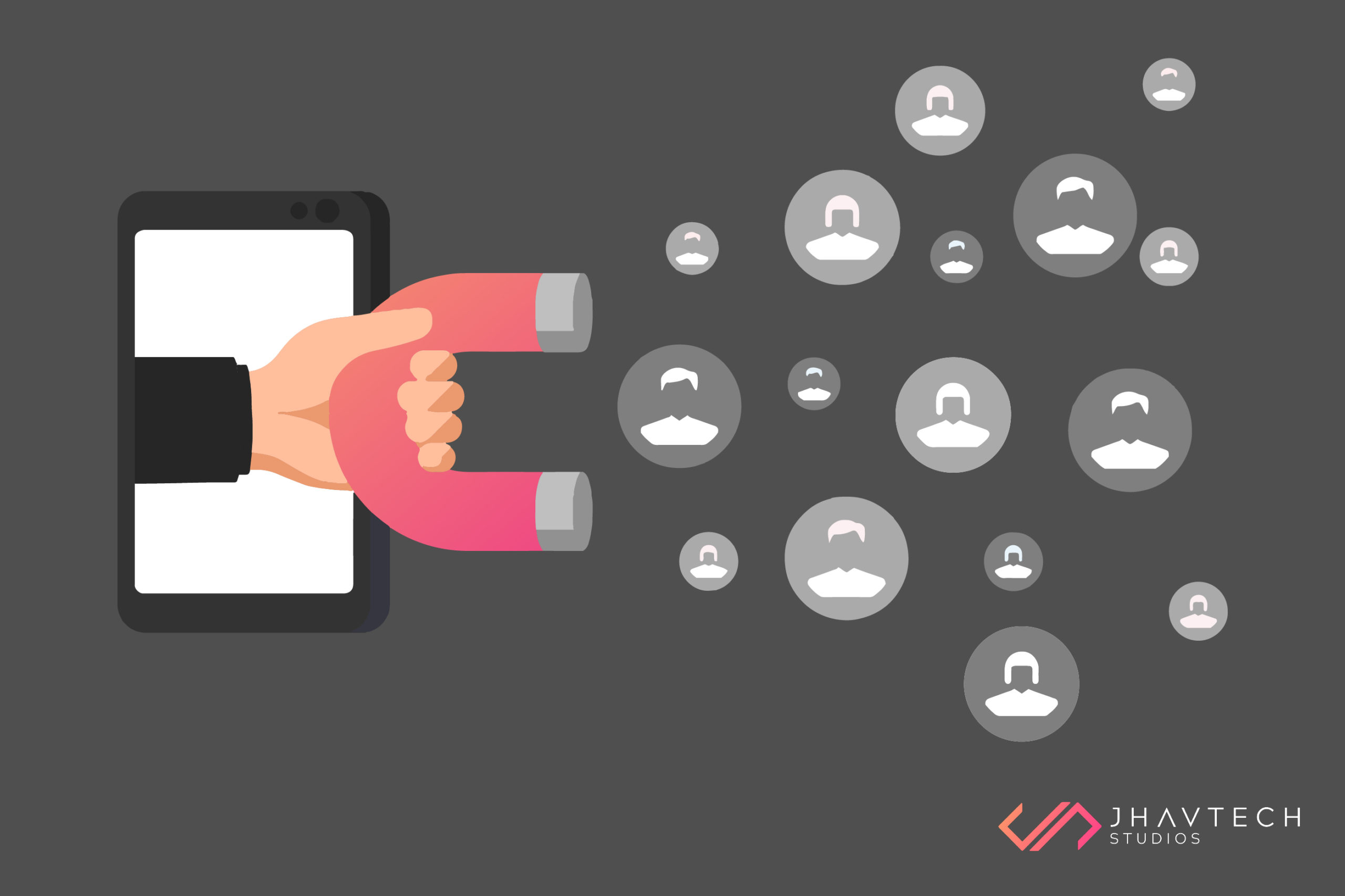
There are multiple ways to effectively acquire mobile app users – there are paid ads, App Store Optimization, and influencer marketing to name a few. But once you’ve gained new users, it’s imperative to keep them active and engaged in order to keep your app profitable. This is where a solid app retention strategy comes in handy.
Retention rate is one of the most important metrics for mobile app marketers as it helps them determine what percentage of their user base is retained versus how many are dropping out. Understanding app and user retention are keys to crafting engaging user experiences that make new users coming, while ensuring that old users stay locked in.
When users stick around for a long time on your mobile app, it’s called mobile app retention. In this post, we will explore the top 5 strategies for app and user retention. We will provide plenty of data and best practices to ensure that it’s a worthwhile read.
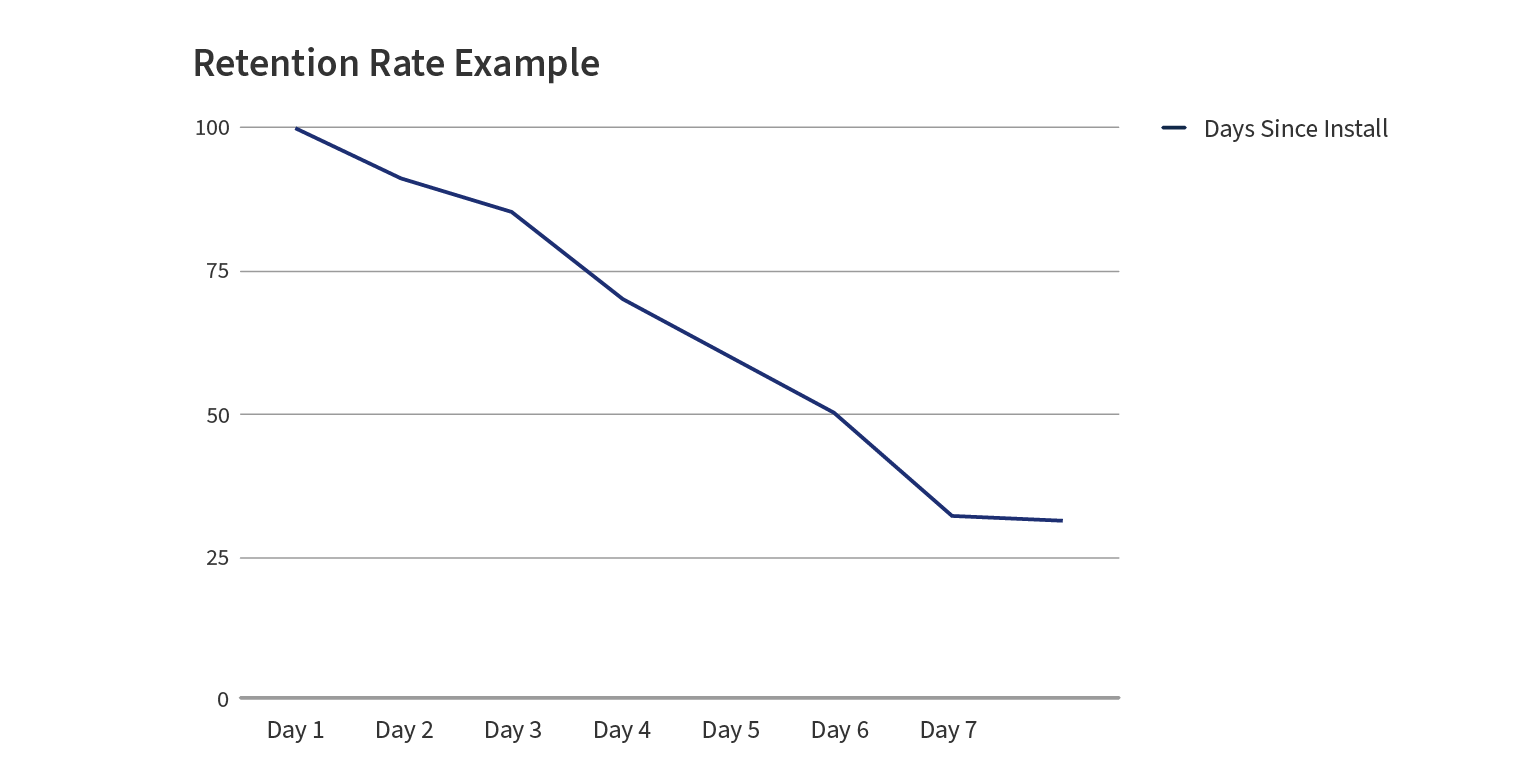
Image Source: Smashing Magazine
If you study the graph above, you’ll notice that the number of new users gained on Day 1 is estimated at 91% and the graph dips to 31% on Day 7. On average, you can expect your mobile app to retain only around 7.5% of its users after the first month.
This presents a huge problem because it’s expensive to acquire new users. Statista reported that the average cost to acquire users is nearly $4.00 and this cost will continue to rise. The acquisition cost is high so you must allocate a significant sum for mobile app user retention to guarantee a substantial ROI. This is backed by a study conducted by Bain & Co. which revealed that a 5% increase in user retention can boost profitability by 75%.
Optimise the Onboarding Flow
Mobile app onboarding refers to the process of guiding users and helping them to get started in an automated way, so they immediately engage with your app’s high-value features. This is usually done using a welcome guide that walks users through set up as well as the core functionality of the app.
Remember that first impressions are crucial, so when launching your mobile app, be sure to offer an experience that’s seamless and enjoyable.
The onboarding experience of a mobile app is classified into three categories:
- Benefit-oriented onboarding. This focuses on the value that users will get out of downloading and using an app. You’ll need to highlight what your mobile app can do for the target audience.
- Function-oriented onboarding. This is used if your mobile app comes with a ton of features for users to learn. You’ll need to put the features front and center. This is great for mobile apps with unique or complex features as the main selling point.
- Progressive onboarding. This shows users the features in a specific sequence. This type of onboarding works best if your app has a complex functionality. It unfolds gradually as users go through your app. It’s typically done through pop-up screens that explain features in the UI.
Always remember that user onboarding is all about psychology. If you’re able to give your users that feeling of satisfaction with your mobile app, you can rest assured that they’ll keep coming back. Moreover, bear in mind that your target users are often lazy so you must see to it that app navigation only takes two to three steps. Additionally, make account creation and log in easy and don’t bombard users with information at the get go.
Personalise User Experiences
Users reward mobile apps that tailor-fit their experience. Personalising the user experience will help your app standout, boost downloads, and keep your users engaged. A study by McKinsey revealed that roughly 76% of consumers are more inclined to patronise products and services that treat them as individuals and show understanding of their interests.
They are also more likely to recommend products and services that offer a personalised experience. Conversely, mobile apps that fail to offer relevant experiences are likely to disappoint and lose their users.
Note that the more you know your users, the easier it will be for you to personalise their experiences. However, you must only use the data that users will allow you to track for customisation purposes. You don’t want to be too invasive by using data that’s too private.
Examples of natural ways to personalise user experiences are personalised recommendations and cart abandonment emails. In addition, Google Play Store and Apple App Store suggest mobile applications that are similar to what users have previously downloaded.
Smart Use of Push Notifications
Push notifications are alerts generated by an app when it’s not open, informing users of a new message, social media post, updates, etc. Mobile users actually have a love-hate relationship with this feature. Push notifications have a 90% open rate but they are also responsible for 71% of app uninstalls. However, when you use them judiciously, push notifications can be one of your most potent app retention tools.
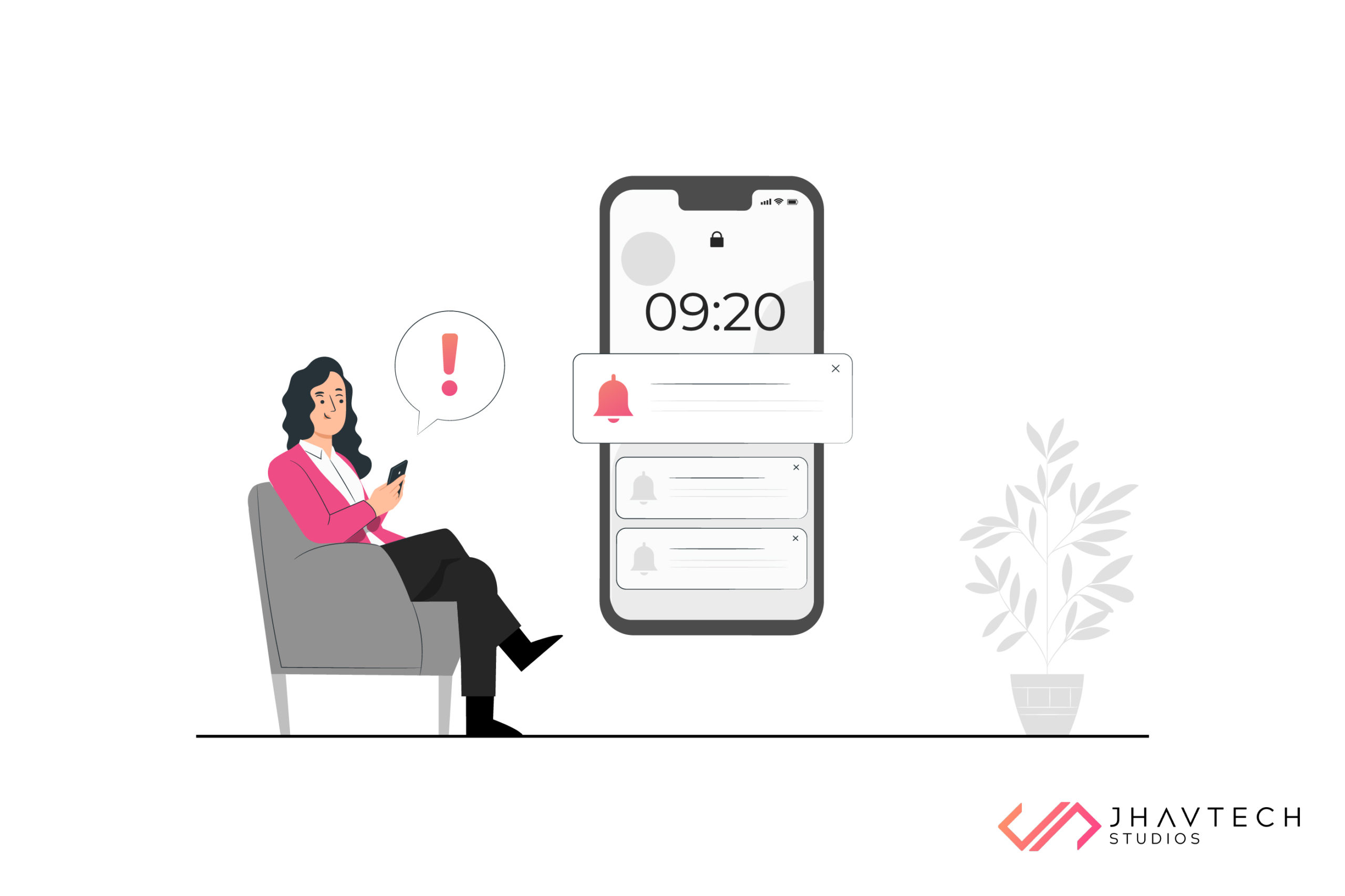
Having said that, it should be one of your top priorities to get users to enable notifications. Below are some of the best practices on the use of push notifications to improve your mobile app retention rate:
- Always consider the user journey. Send push notifications to improve their app experience and guide them in taking the next steps.
- Right timing is key. Don’t send push notifications simultaneously to all your users. Keep in mind that most of them are likely in different time zones.
- Be creative. You must think outside the box as you only have a few characters to use to entice users to open your message.
- Offer something valuable. Whether it’s a reward, a discount or a relevant piece of information, users usually have a positive response when they get something.
- Don’t overdo it. Refrain from bombarding users with lots of notifications. Likewise, don’t send them sporadically or too long in between.
Offer Rewards and Incentives
Depending on the nature of your mobile app and your business model, you can use incentive programs that work wonders for app engagement and user retention. A good example is a reward system that allows users to collect points or gain access to special offers. These will heighten their loyalty and encourage them to open your app more often.
Incentives have been proven to perk users’ interest in your mobile app and there are plenty of excellent examples in the app market where businesses and organisations boost app engagement with reward programs. These include a number of apps that most people use such as Amazon, Airbnb, Starbucks and Uber.
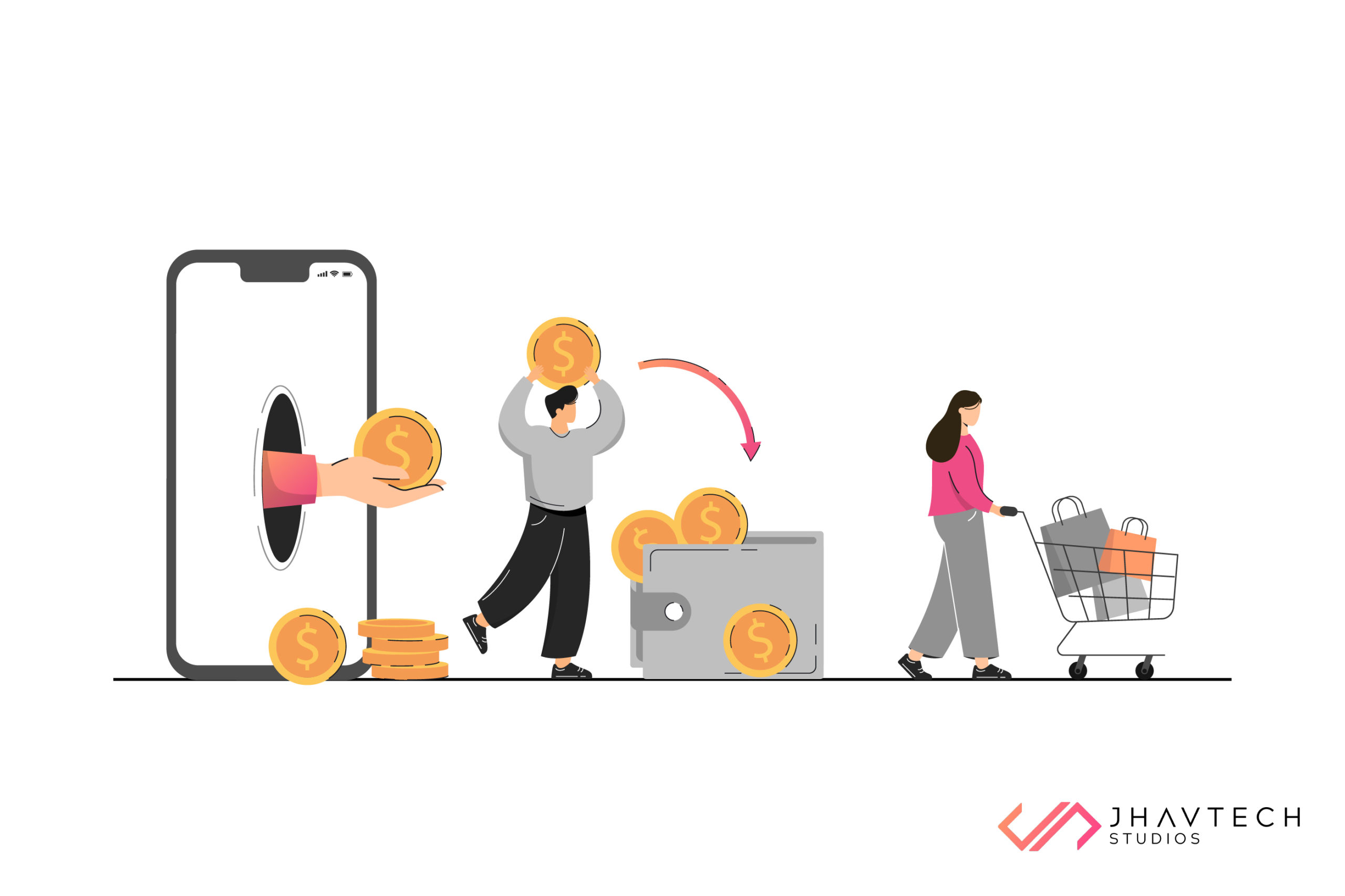
Remember that everyone loves freebies. You can keep active users excited and engaged by offering tokens and other kinds of rewards. You can use badges and leaderboards to fuel the competitive side of your users while promoting habitual app usage. You can also enable cross-platform sharing because users love to share their achievements. Allow them to share their progress and accomplishments on Facebook, Instagram, and other platforms.
Update and Maintain Your Mobile App Regularly
Market needs and trends change quickly, so you should regularly update your app. By routinely improving it, you make it more appealing to existing and prospective users. Updates always lead to better engagement, allowing your app to remain current while not overwhelming users. Whether you have a minimum viable product or a full-fledged app, there is always room for improvement and perfection.
It’s imperative to gather users’ feedback, stay abreast with their requirements, fix bugs, and update your app. You should also track user behavior and take advantage of analytics to make minor tweaks and refinements. Tools like Adobe Analytics or Google Analytics for mobile apps can help with that.
Final Thoughts
In this post, we’ve discussed the importance of retention and user engagement to the success of a mobile app. We have presented five strategies to boost app and user retention. You must track data right from the start so you can optimise your app’s onboarding flow and personalise user experiences. You should use push notifications to increase engagement, offer rewards to active users, and continually update and optimise your mobile app.
The rest is now up to you. Developing a mobile app is not an easy task. But with careful planning and implementation of these retention techniques, your mobile app can be the next big thing!




.webp)
.webp)
.webp)
.webp)
.webp)

.webp)
.webp)

.webp)
.webp)




.png)
.png)
.png)
.png)
.png)
.png)


.png)
.png)
.png)
.png)
.png)
.png)
.png)

.png)

.png)
.png)




.png)
.png)
.png)
.png)
.png)
.png)
.png)
.png)
.png)
.png)
.png)
.png)
.png)
.png)
.png)
.png)
.png)
.png)
.png)
.png)


.png)
.png)
.png)
.png)
.png)
.png)
.png)
.png)
.png)
.png)

.png)
.png)
.png)
.png)