How to Find the Best Mobile App Developers in Australia (2026 Guide)
Most founders start the search the same way: a Google search, a dozen agency websites that all say "we build beautiful apps", and a growing suspicion that the websites are the easy part. They are. The hard part is telling a team that ships good software from a team that only presents well.
The best mobile app developers for your project are the ones who have shipped something close to it, can explain their plan in plain English, and will still be around to update the app after launch. Price and location matter, but they come after those three.
This guide walks through how to find them in Australia in 2026: where to look, what to ask, which skills actually matter now, and the warning signs that should end a conversation early.
Summary: The Short Answer
- Start with proof. Ask for two or three apps they built that are live in the stores today, and download them.
- Pick the hiring model before the people. A freelancer, an agency and an in-house hire solve different problems.
- Check they keep up with Apple and Google. Both stores changed their minimum build rules in 2026, and older apps get blocked.
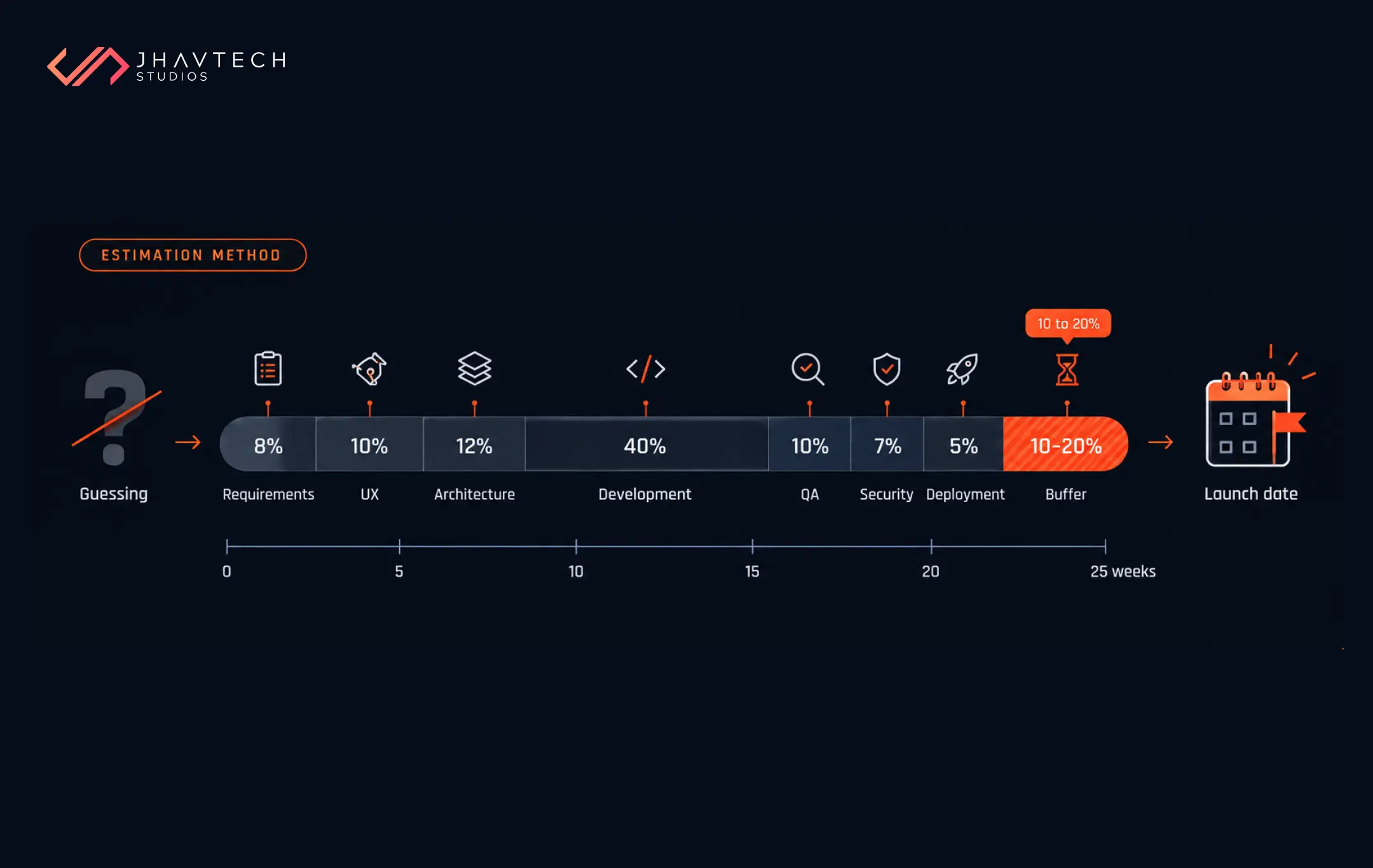
- Expect 6 to 12 weeks for a first version. Anyone quoting far less, or far more, should be able to explain why.
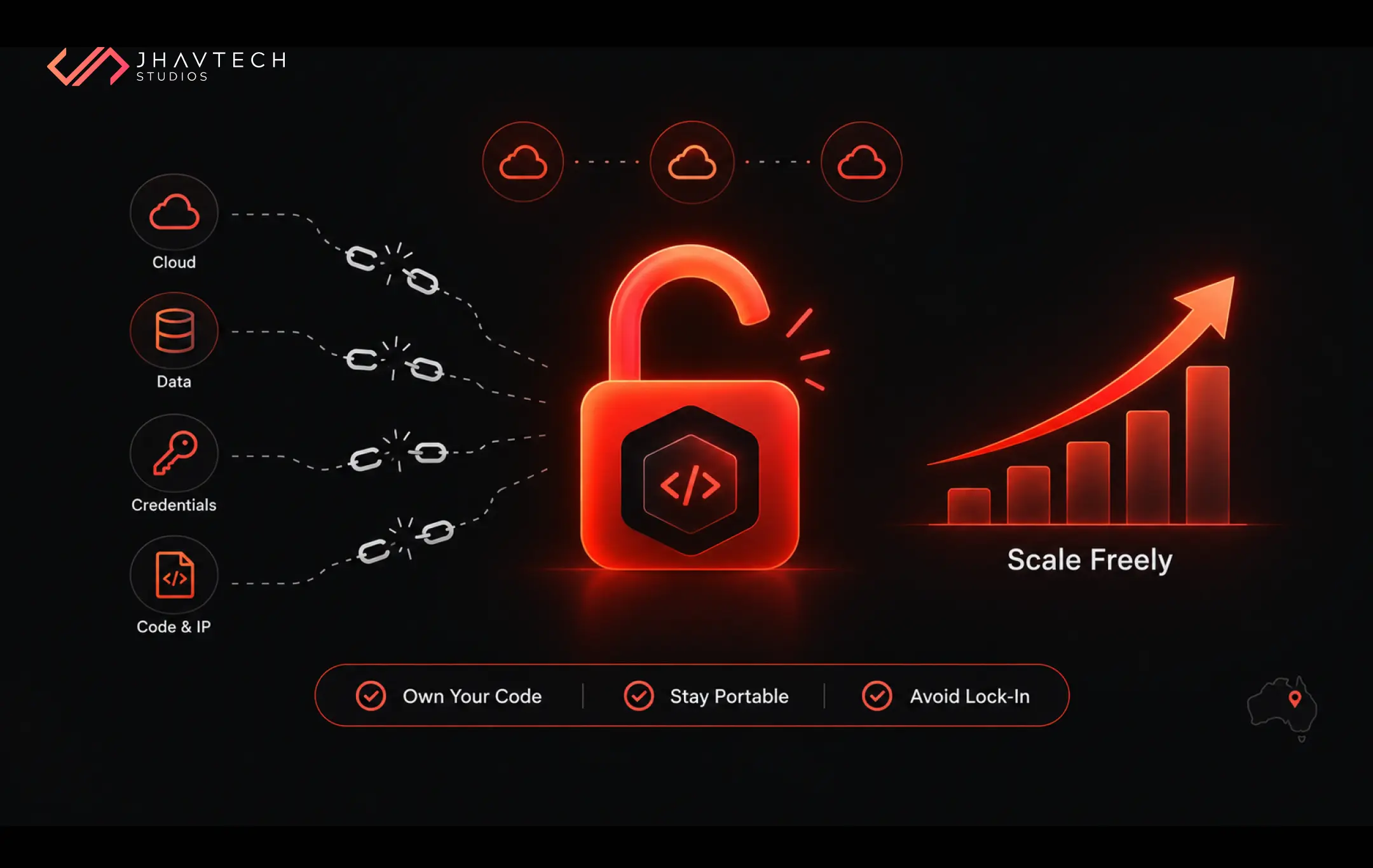
- Get ownership in writing. You should own the code, the store accounts and the designs from day one.
What Makes a Mobile App Developer the Best Choice for Your Project?
Short answer: relevant experience, clear communication and long-term support. A developer who has built three booking apps will spot the hard parts of your booking app in the first meeting. One who hasn't will find them in week six.
Relevant doesn't have to mean the same industry. A fitness app and a field-service app share more than you'd think: user accounts, scheduling, push notifications, payments, offline use. What you want is a team that has solved your hardest problem before, whether that's a tricky integration, sensitive health data or an app that has to work with no signal on a building site.
Communication is the second filter. When projects stall, it's usually over a decision that sat unanswered for two weeks, or a feature nobody flagged as budget-doubling until it was half built. Watch how a team handles your first few emails. That's roughly how they'll handle the project.
Then there's what happens after launch. Apps need updates every year just to stay in the stores, before you add a single feature. A great build from a team that disappears afterwards turns into a problem you have to solve later.
Should You Hire a Freelancer, an Agency or an In-House Team?
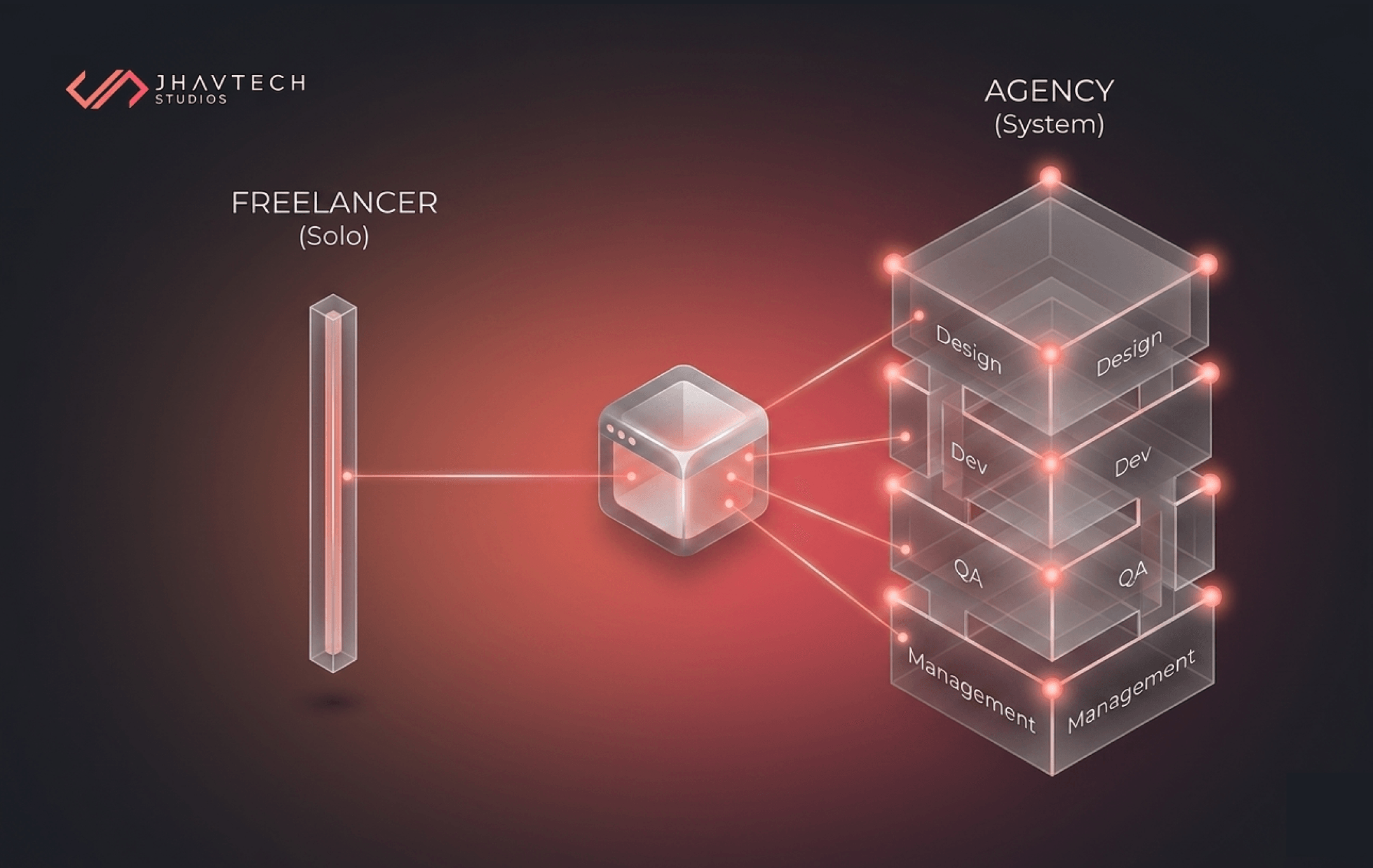
Short answer: freelancers suit small, well-defined jobs; agencies suit a full product with design, build and launch; in-house teams make sense once the app is the business and you need people on it every day.
| Option | Best For | What You Manage | Main Risk |
|---|---|---|---|
| Freelancer | A small feature, a fix or a prototype with a tight scope | Design, testing, store release and the project plan | One person is a single point of failure if they get busy or move on |
| Agency | A complete app: scope, design, build, launch and updates | Decisions and feedback, on time | Choosing on price alone and getting a junior team |
| In-house team | A product that needs daily work for years | Hiring, salaries, leave cover and technical leadership | Months of hiring before any code is written |
| Agency, then in-house | Startups that need to launch first and hire later | A clean handover plan agreed at the start | Code and documentation that nobody else can pick up |
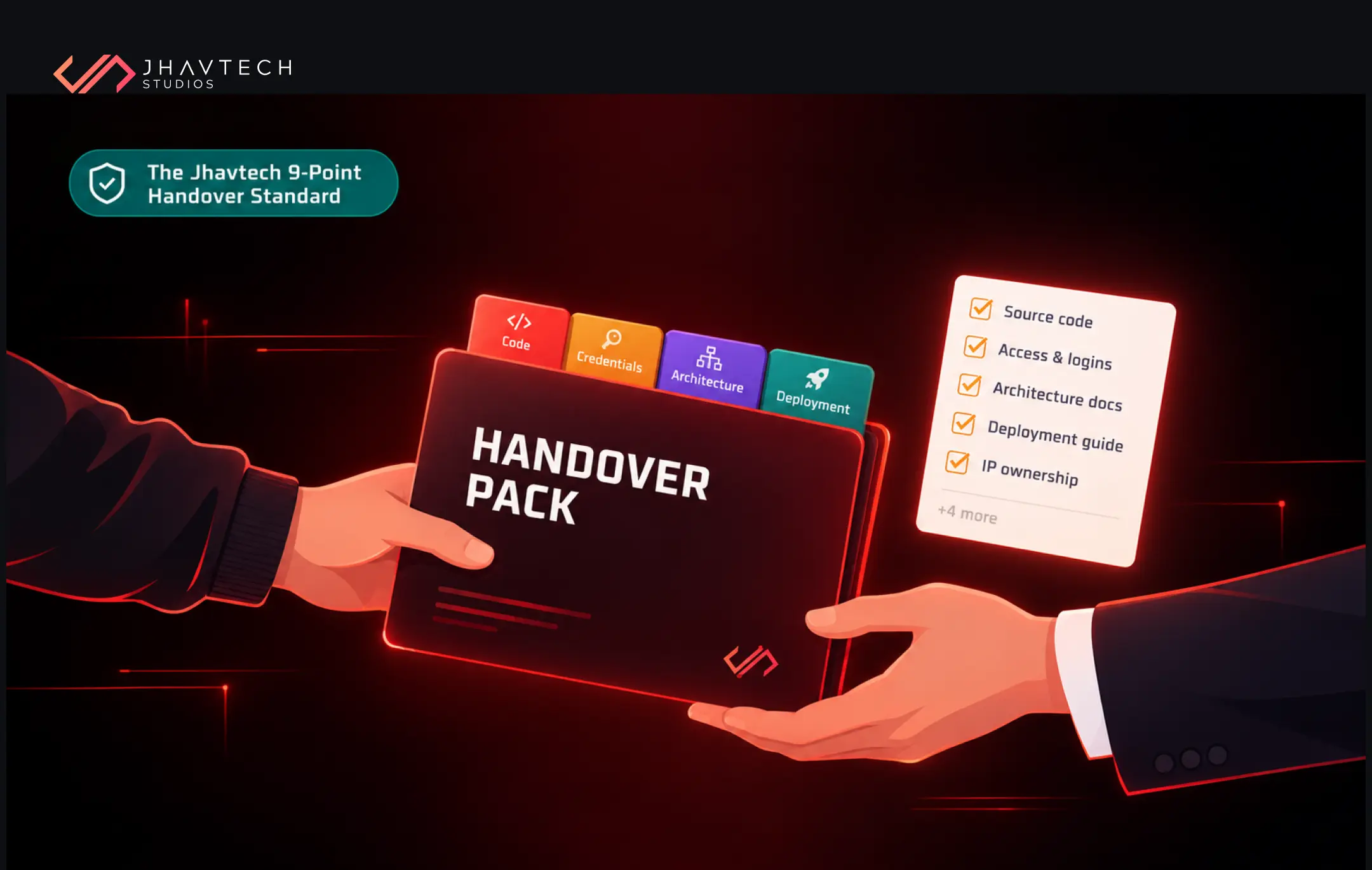
That last row is more common than people expect. Plenty of founders use an agency to get version one into the stores, prove the idea, then bring development in-house once revenue justifies two or three salaries. If that's your plan, say so at the start. A good agency will write the code and documents with a future in-house team in mind. We compare the first two options in more depth in freelancer vs agency app development, and the in-house question in in-house vs outsourced development in Australia.
Which Skills Should App Developers Have in 2026?
Short answer: current iOS and Android skills (Swift and Kotlin, or Flutter and React Native for one shared codebase), solid back-end and API work, and a habit of keeping up with Apple and Google's release rules.
The language list hasn't changed much in a few years. Native iOS apps are written in Swift, native Android apps in Kotlin, and most business apps now use Flutter or React Native so one codebase serves both platforms. Ask which one the team would recommend for your app and why. A good answer mentions your features, budget and users, and doesn't sound like they reach for the same tool every time.
The skill people forget to check is staying current with the stores. Two examples from this year:
- Since 28 April 2026, Apple only accepts apps built with Xcode 26 or later using the iOS 26 SDK.
- From 31 August 2026, Google Play requires new apps and updates to target Android 16 (API level 36). Existing apps that fall too far behind stop showing up for new users on newer phones.
Neither rule is hard to meet if someone is watching. Both cause rushed, expensive work if nobody is. When you talk to a developer, ask how they handled these two changes for their current clients.
Beyond the code, look for people who care about design and who will tell you when a feature isn't worth building. That second trait is rare and saves a lot of money.
Shortlisting App Developers?
Bring your idea and your questions. We'll tell you honestly whether we're the right fit, and what to look for if we're not.
Where Can You Find Good App Developers in Australia?
Short answer: start with review directories such as Clutch, then ask your network for referrals, and only then look at freelance marketplaces. Wherever you find them, judge them on the apps they've shipped.
Review sites are useful because the reviews are verified and the clients are named. Read the three-star reviews too; they tell you how a team behaves when things go wrong. You can see how our own clients describe working with us on our Clutch profile.
Referrals from other founders are often the best leads, especially if they've been through a launch and a few updates with the same team. Freelance marketplaces such as Upwork and Toptal suit smaller pieces of work, as long as you check portfolios carefully.
Location matters less than it used to, but it still counts when you want to sit in a room for scoping and design workshops. Our team is Melbourne-led and works with businesses across the country:
- Melbourne: our home base, with clients such as the University of Melbourne, SoulConnect and Stretch Hub. See how we work as app developers in Melbourne.
- Sydney: apps for MedicineWise, Lines and Hello Advisors. Start with our page for app developers in Sydney.
- Brisbane: startups and growing businesses across Queensland, covered on our Brisbane app development page.
- Perth: including Keepable, an app with AI-powered search. More on our Perth app development page.
- Adelaide: including Rent Venture and Staffu. See our Adelaide app development page.
- Canberra: government-facing and ACT organisations, served by our Melbourne-led team. Details on our Canberra app development page.
What Should You Ask Before Hiring App Developers?
Short answer: ask what they've built, how they plan and report, who owns what, and what happens after launch. Then listen for specifics.
- Which live apps have you built that are like mine? Download them. Read the store reviews.
- Who will actually work on my project? Meet the lead developer and the project manager, not only the salesperson.
- How do you scope a first version? You want to hear about cutting features, not adding them.
- How often will I see working software? Every one or two weeks is normal for agile teams. Months of silence is not.
- Who owns the code, designs and store accounts? The answer should be you, in the contract, from the first payment.
- What does support cost after launch? Get it in writing. Store rule changes alone mean yearly work.
- Can I speak to a past client? Good teams have a few happy to take a call.
For a longer list you can work through in a meeting, see our 2026 checklist for vetting an app developer.
Which Red Flags Should Make You Walk Away?
Short answer: very low quotes, very fast timelines, vague answers about ownership, and no interest in how your data is handled.
- A price far below everyone else's. Somebody always pays for the missing work, usually you, later.
- A timeline that sounds too good. Most first versions take 6 to 12 weeks from agreed scope to the stores. Two weeks for a full product means corners are being cut somewhere.
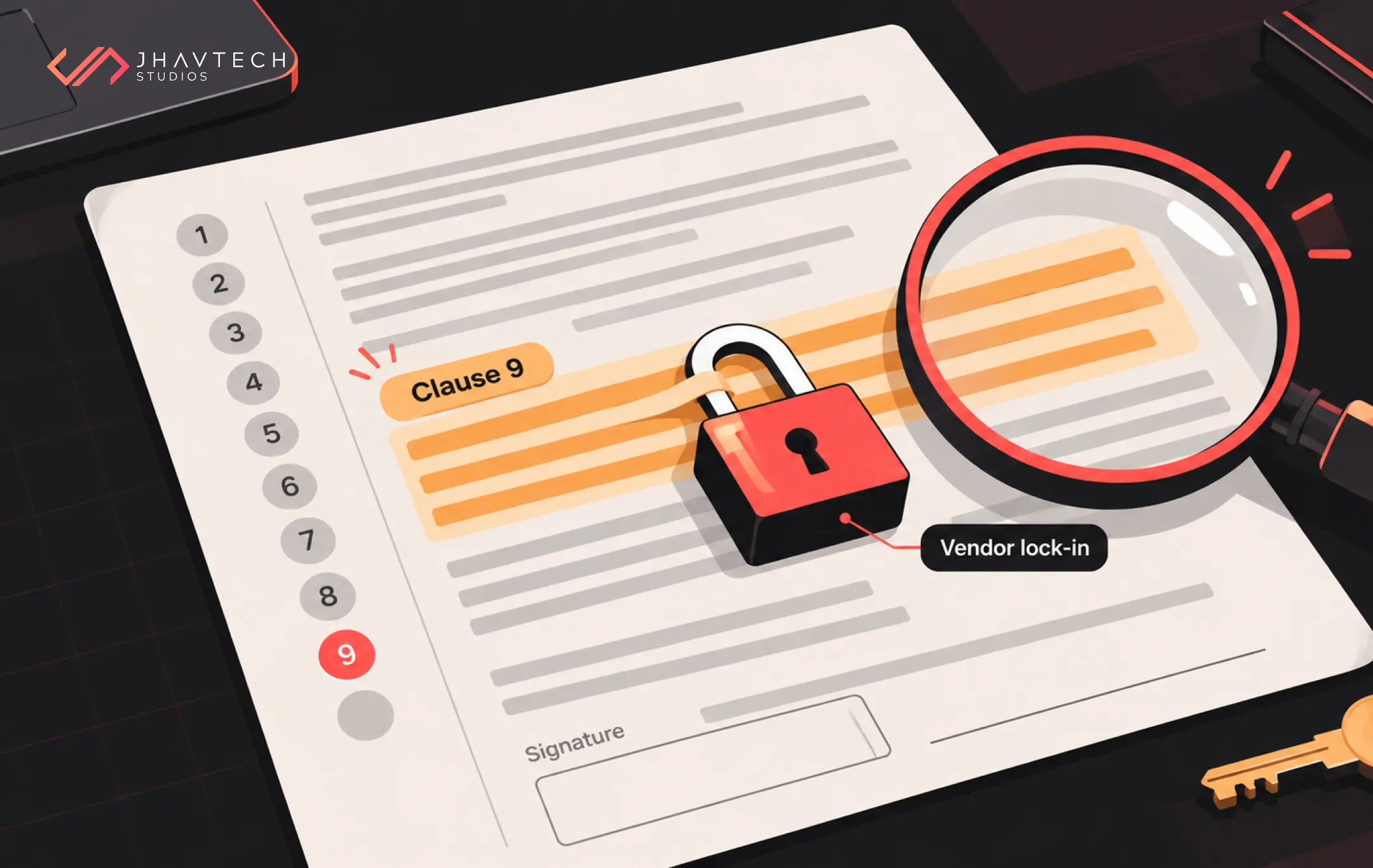
- No written contract or IP clause. If the code isn't assigned to you, you may not be able to move to another developer.
- Silence about privacy. Australia's Privacy Act applies to businesses with annual turnover above $3 million, and to health service providers of any size. A developer who never asks what personal data your app stores hasn't thought about it.
- They agree with everything. A team that never pushes back on scope will build whatever you ask, including the parts you didn't need.
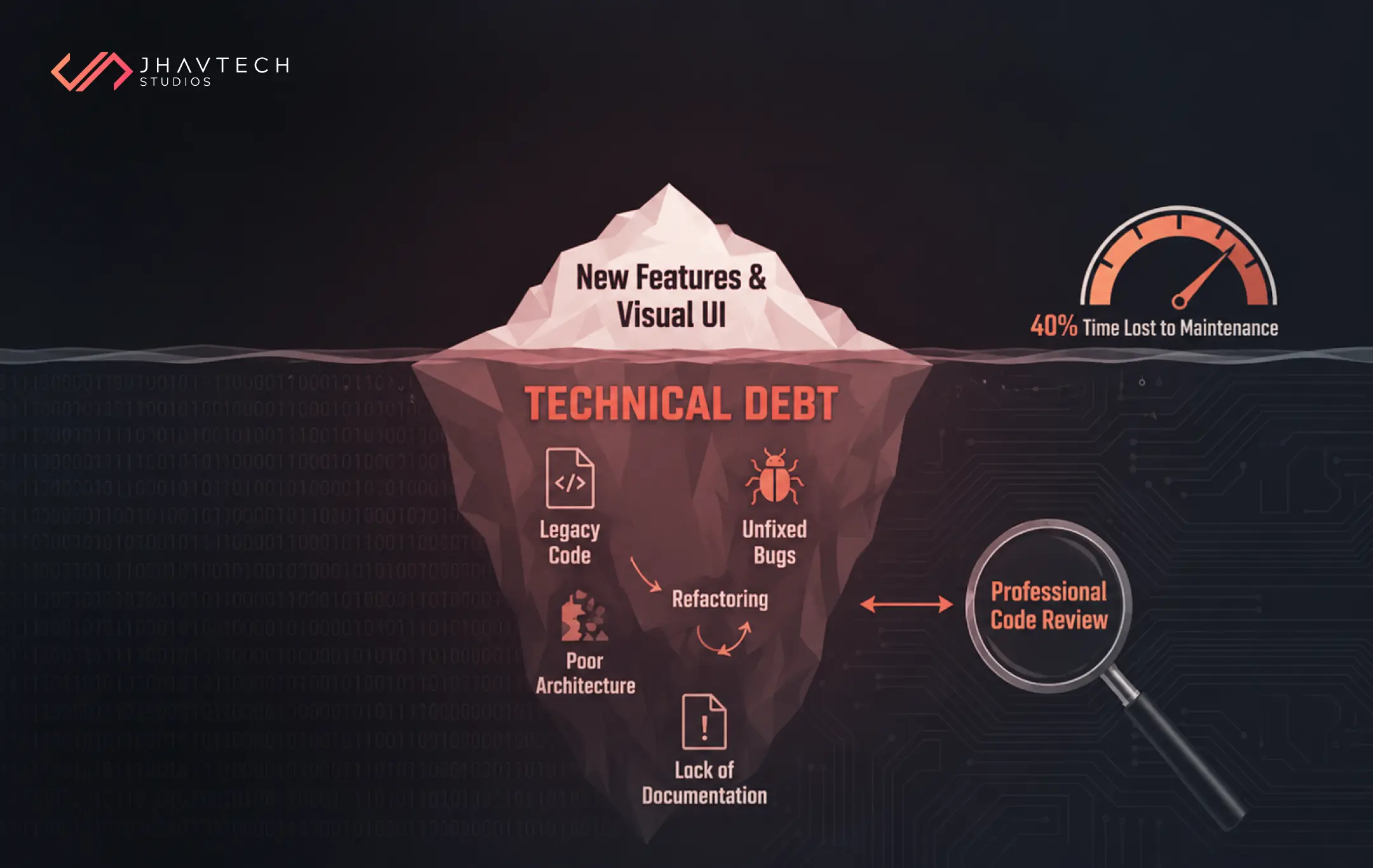
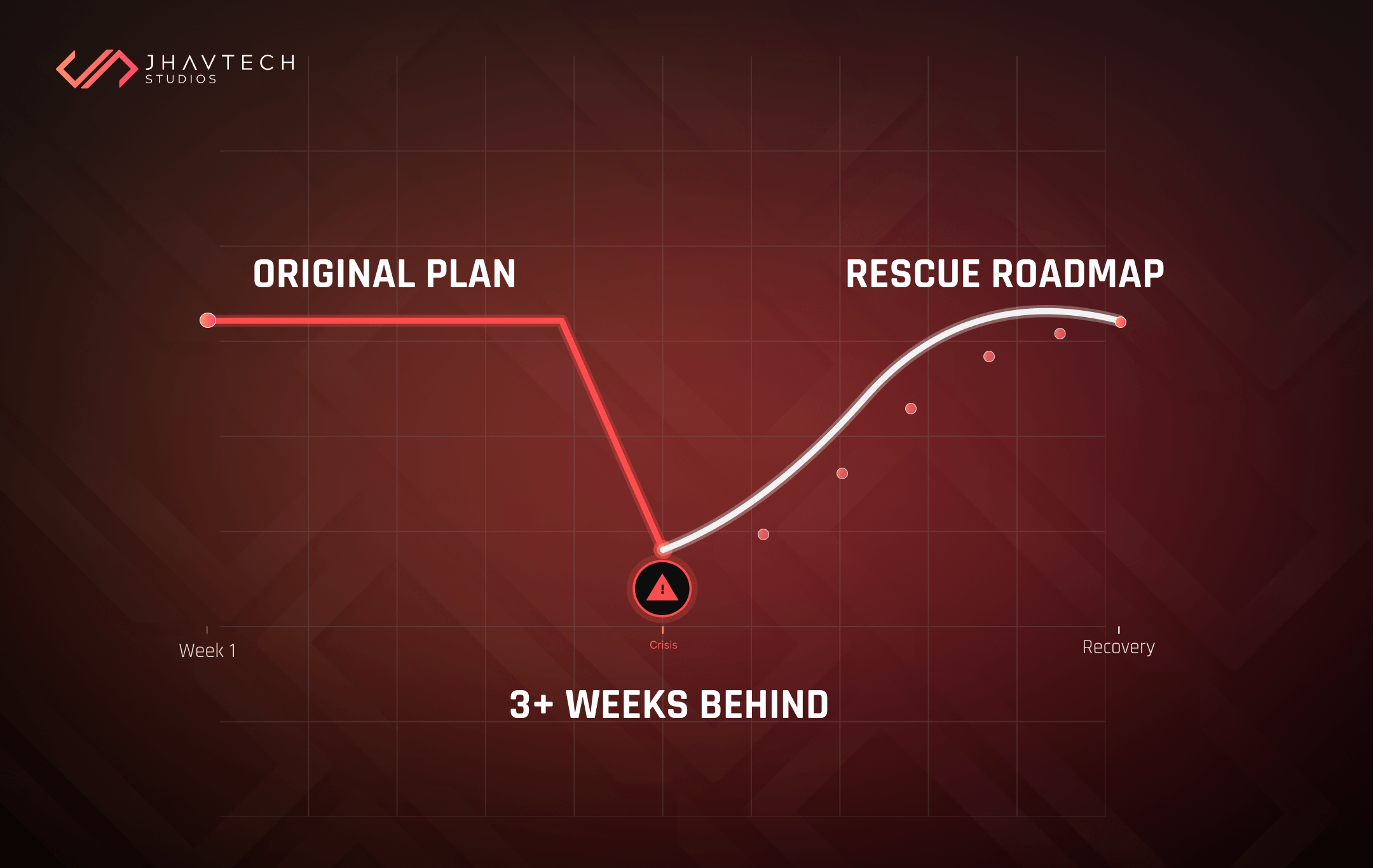
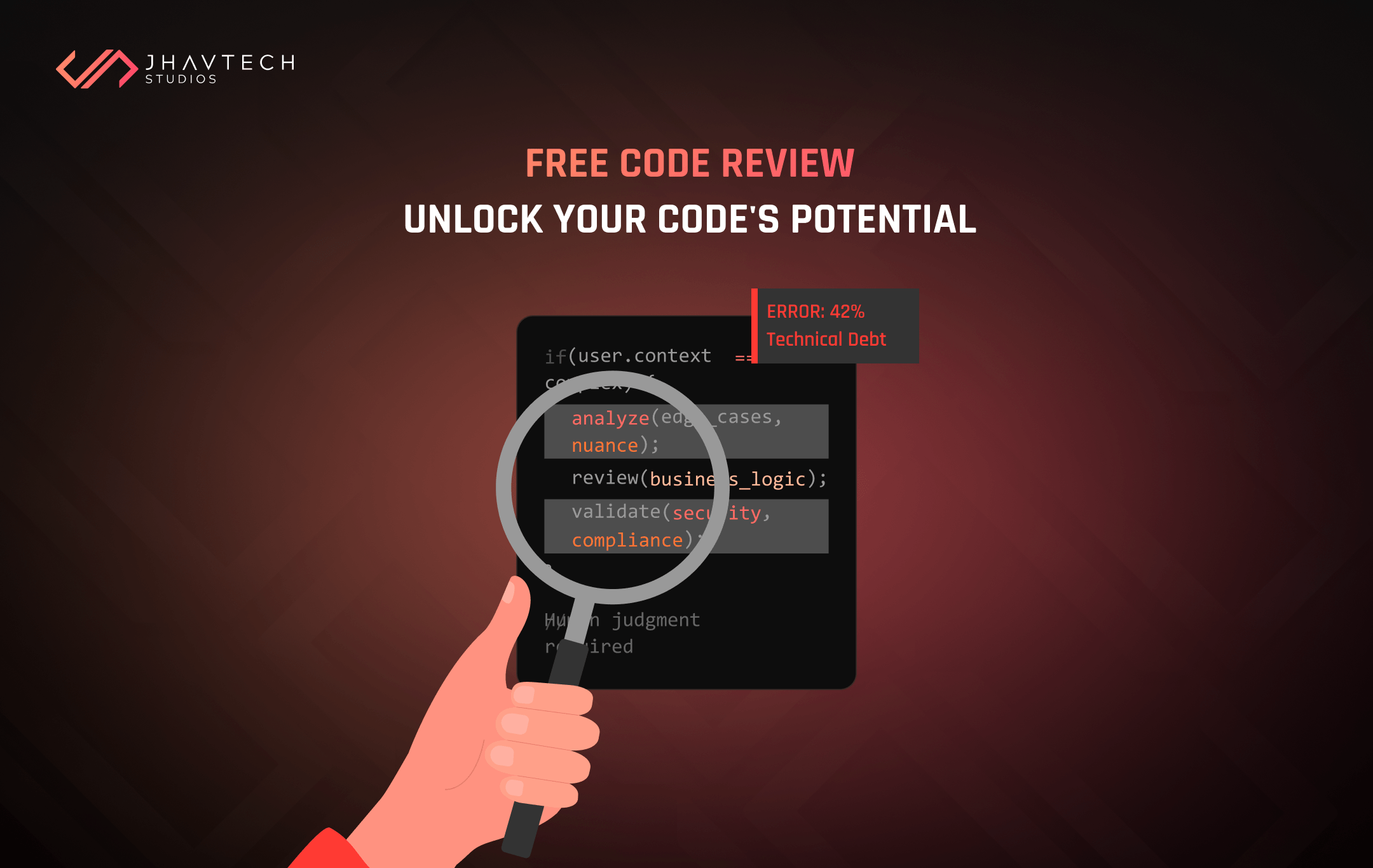
If you're reading this because a project has already gone wrong, it's usually fixable. Start with a free code review so you know what you have, then look at how we bring stalled builds back on track.
How Long Does It Take and What Does It Cost?
Short answer: most apps take 6 to 12 weeks to build. Cost depends mostly on features, integrations and design, so get a written scope before you compare quotes.
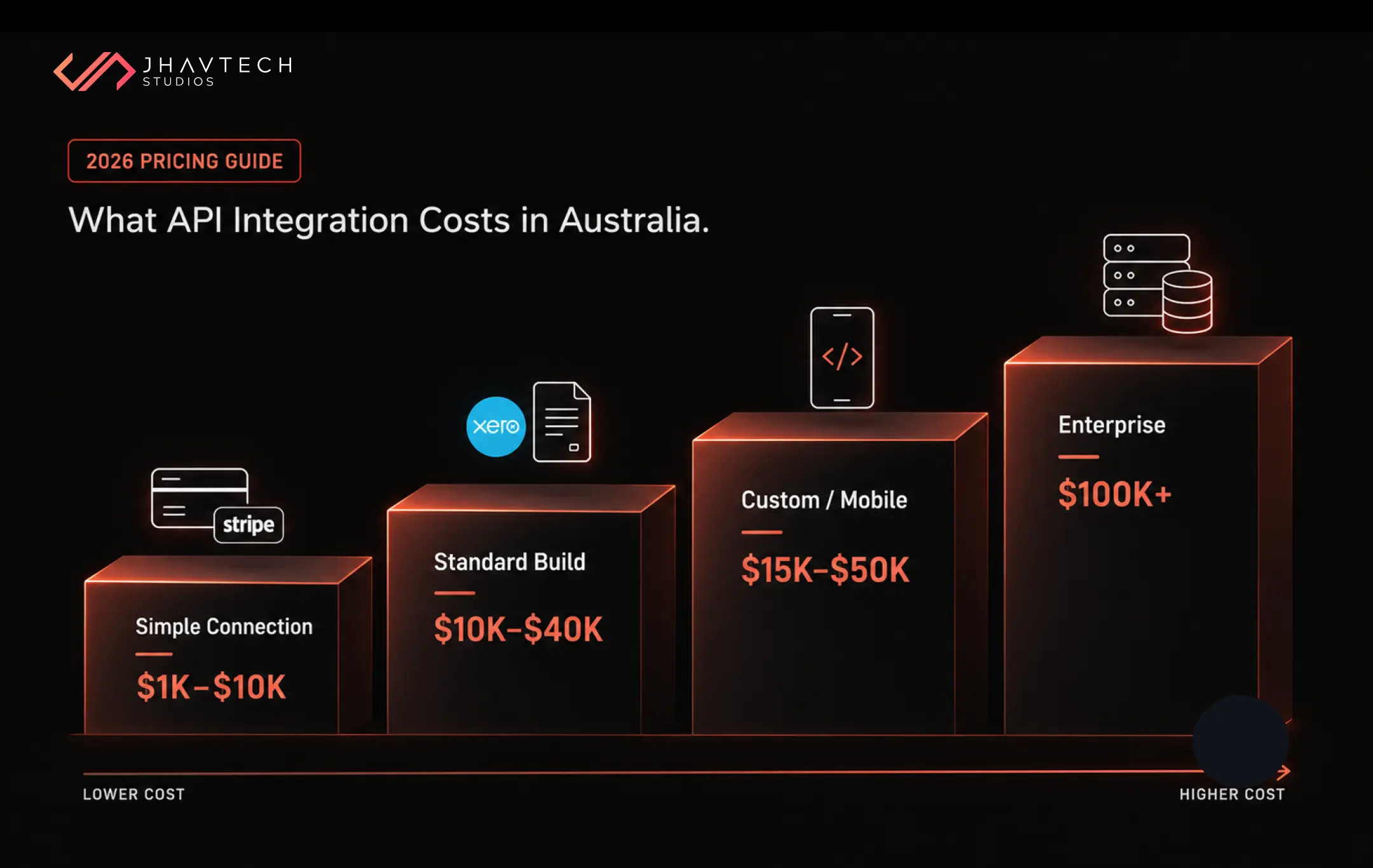
Quotes are only comparable when they cover the same scope. Put your must-have features in one short document, send the same document to every shortlisted team, and ask each one what they would leave out of version one. Their answers will tell you more than the totals. For current Australian price ranges, see our 2026 guide to mobile app costs in Australia.
How Does Jhavtech Studios Compare?
We've been building apps since 2013: more than 200 apps for over 75 clients, from founder MVPs to apps for universities and health organisations. Our Melbourne-led team handles scope, design, development, store launch and ongoing updates, and we work in Swift, Kotlin, Flutter and React Native.
If you'd like to see how a project runs with us from the first scoping session to a live store listing, here's how we plan, design and ship apps. And if we're not the right fit, we'll say so, and point you to the kind of team that is.
Ready to Talk to a Team That Ships?
Tell us what you're building. You'll get a straight answer on fit, timing and the first version.
Frequently Asked Questions