.svg)
.svg)


Why Senior-Level Code Reviews Catch Bugs Automated Tools Miss
Technical Overview: Static Analysis Security Testing (SAST) and automated linters operate by mapping code against predefined signatures and Abstract Syntax Trees (ASTs). While efficient for identifying syntax violations and known CVEs, these tools lack "intent-awareness." A senior-level code review service provides the necessary heuristic analysis to identify high-level logical fallacies, race conditions, and architectural coupling —vulnerabilities that are syntactically valid but structurally catastrophic.
The Semantic Gap in Automated Gatekeeping
In the modern CI/CD pipeline, the "green checkmark" has become a proxy for quality. We deploy sophisticated linters, static analysis suites, and automated formatting bridges to ensure our codebases remain clean. From a purely structural standpoint, these tools are indispensable. They parse code into Abstract Syntax Trees (ASTs) and verify that every token conforms to a known-good pattern.
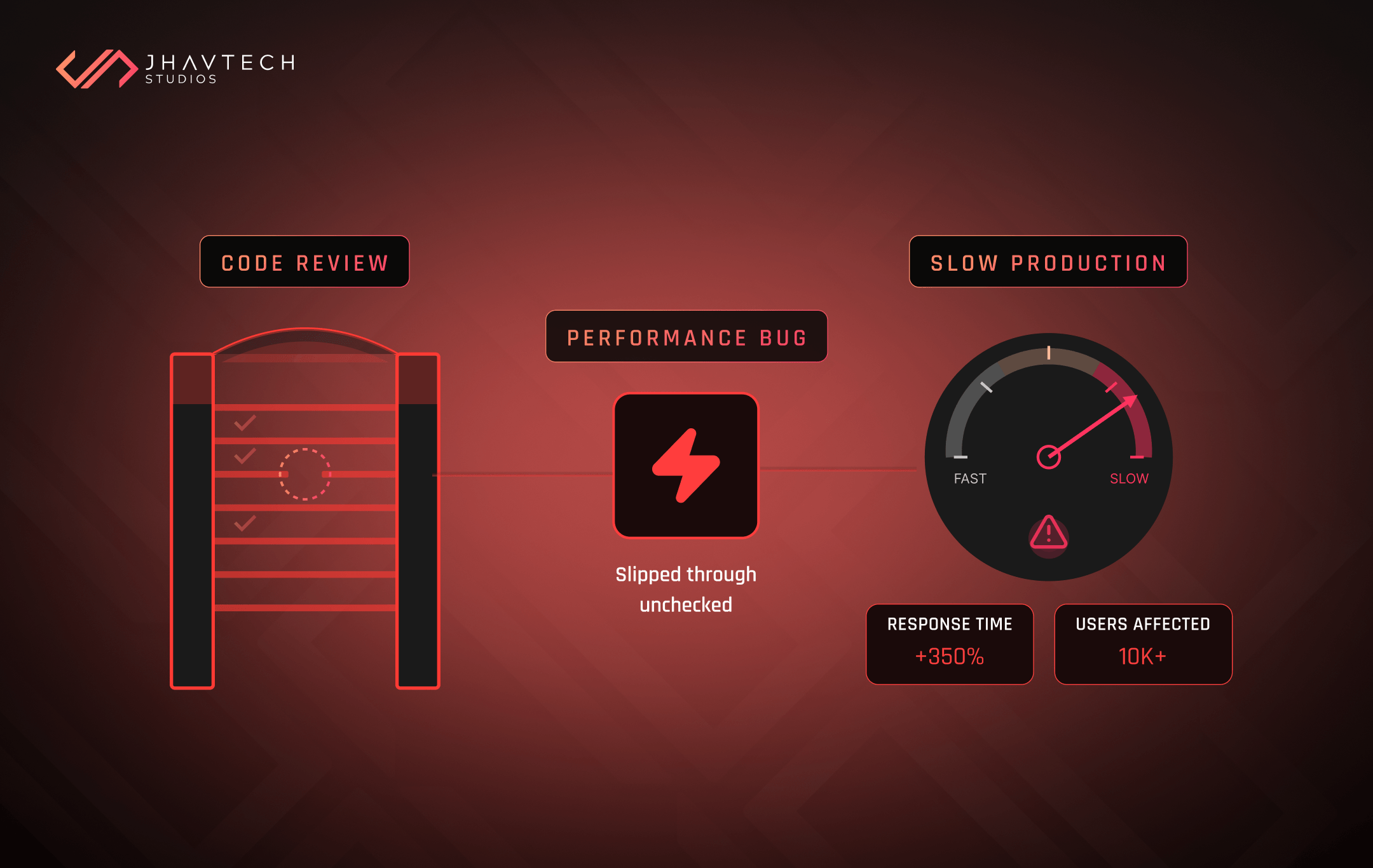
However, a syntactically perfect codebase can still be functionally broken. Automation is exceptional at identifying what is wrong based on historical data and rigid rulesets, but it cannot reliably determine what is missing or misinterpreted within a specific business context. This gap or the distance between what the code says and what the developer intended, is where a senior-led code review service adds its primary value.
Beyond the Abstract Syntax Tree (AST)
To understand why machines fail, we must look at how they "read." An automated tool views a function as a series of nodes. It can tell you if a variable is defined but never used, or if a specific library call is vulnerable to a buffer overflow. It cannot, however, tell you that the function itself is redundant because the logic already exists in a different module.
The Problem with Heuristic Blindness
A senior reviewer doesn't just look at the nodes; they look at the flow of state across the entire application. While a tool might pass a block of code that effectively manages memory in isolation, a human reviewer might notice that the implementation creates a circular dependency. This code smell is often invisible to linters because each individual file appears decoupled, yet the runtime behavior leads to memory leaks or deadlocks.
Manual vs Automated Code Review: A Technical Taxonomy
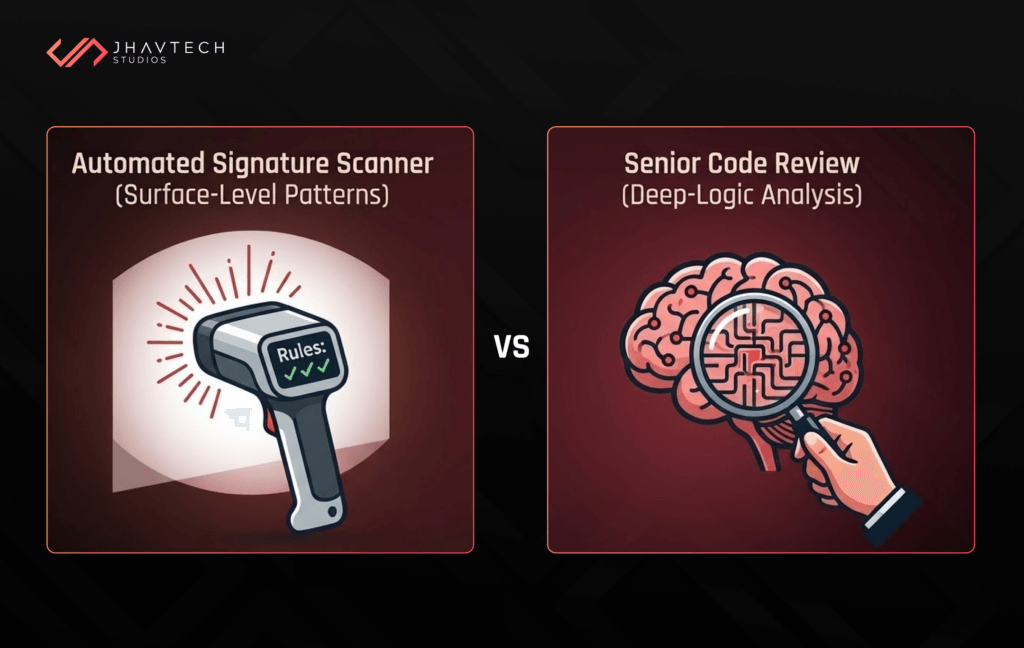
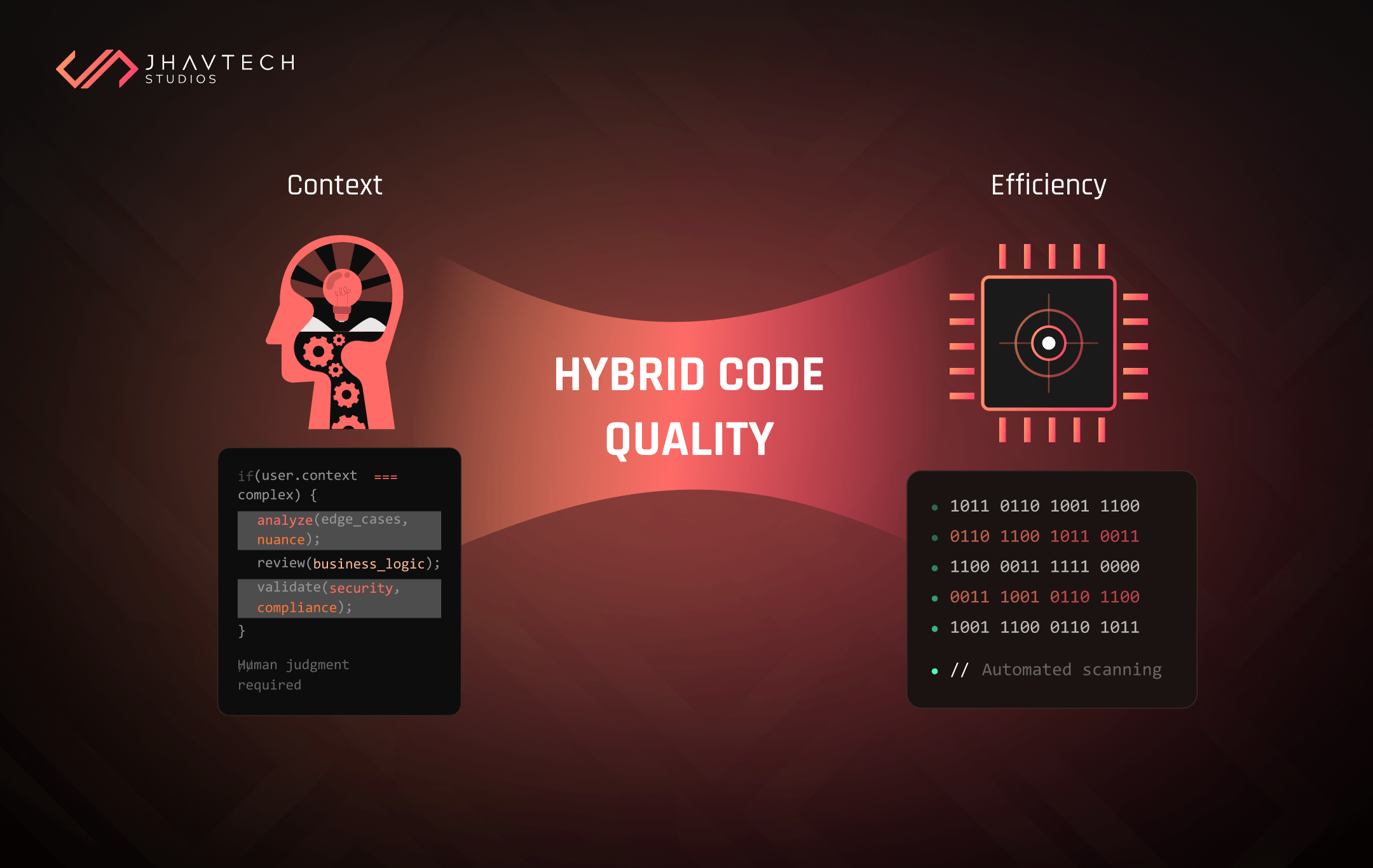
It is a common industry mistake to view human oversight and automation as redundant. In reality, manual vs automated code review represents two different layers of the security and stability stack.
- Automated Layers: Focus on "Signature-Based" detection. This includes PEP8 compliance, bracket nesting, SQL injection patterns, and deprecated API calls.
- Manual Layers: Focus on "Intent-Based" detection. This includes verifying that an algorithm’s time complexity is appropriate for the data set, ensuring that error handling doesn't swallow critical exceptions, and validating that the code adheres to the project's specific design patterns (e.g., SOLID principles or hexagonal architecture).
The Anatomy of "Silent Killers" in Production
The most dangerous bugs are those that don't trigger an error log until the system is under peak load. Automated tools are notoriously poor at detecting race conditions or resource contention issues that only manifest in a multi-threaded environment.
Logic Flaws and State Machine Corruption
The primary limitation of AST-based tools is their "snapshot" nature; they analyse code as a static entity. However, modern software is dynamic and often asynchronous. Consider a state machine managing a user’s subscription status: an automated tool can verify that the "Status" variable is updated correctly within the syntax of the function. It cannot, however, verify that a specific edge case—such as a user canceling while a payment is "Pending"—leaves the database in an inconsistent state.
A senior reviewer simulates these "unhappy paths" mentally, identifying logical gaps where the code fails to account for real-world asynchronous behavior. By performing this "Mental Execution," they specifically look for Race Conditions that a tool might miss. For instance, in a distributed system, a tool may verify that an "UpdateBalance" function is thread-safe in isolation. A human reviewer, however, will ask: "What happens if the 'CheckBalance' service has a 500ms latency while the 'Withdraw' command is already in flight?". This heuristic ability to predict temporal failures is why manual intervention is the only reliable way to prevent "Heisenbugs"—bugs that disappear or change shape when you try to study them in a testing environment.
Preventing the Need for Software Project Rescue
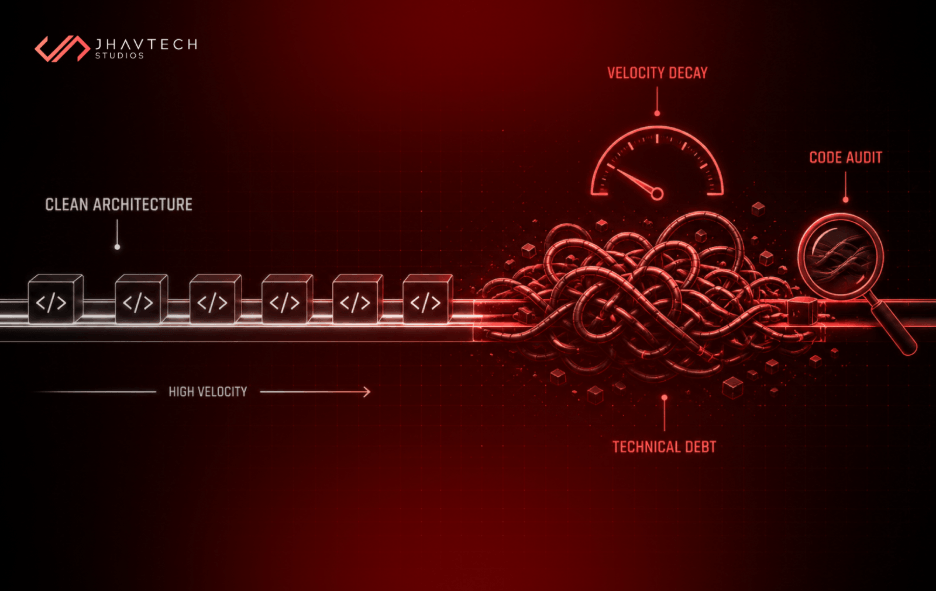
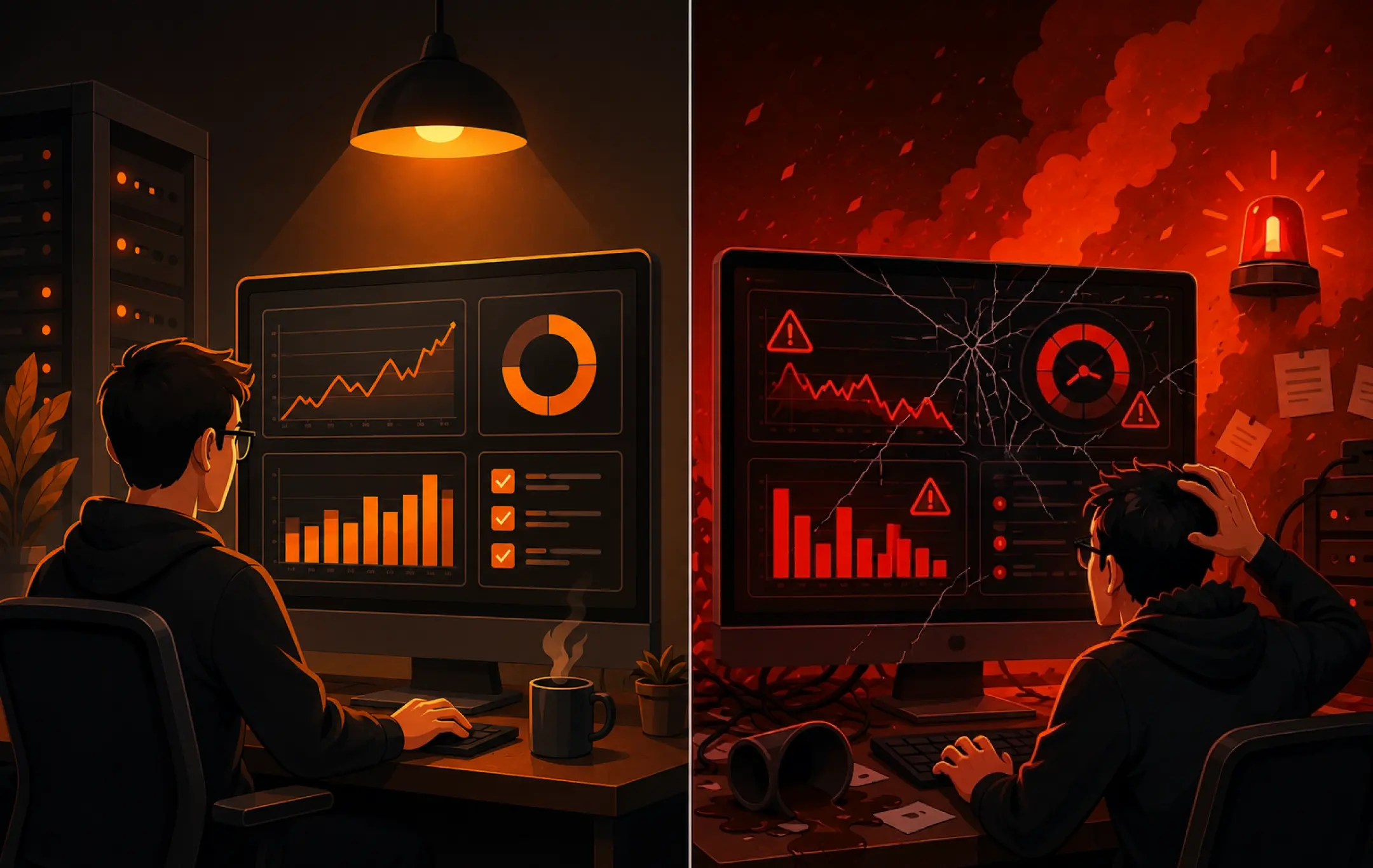
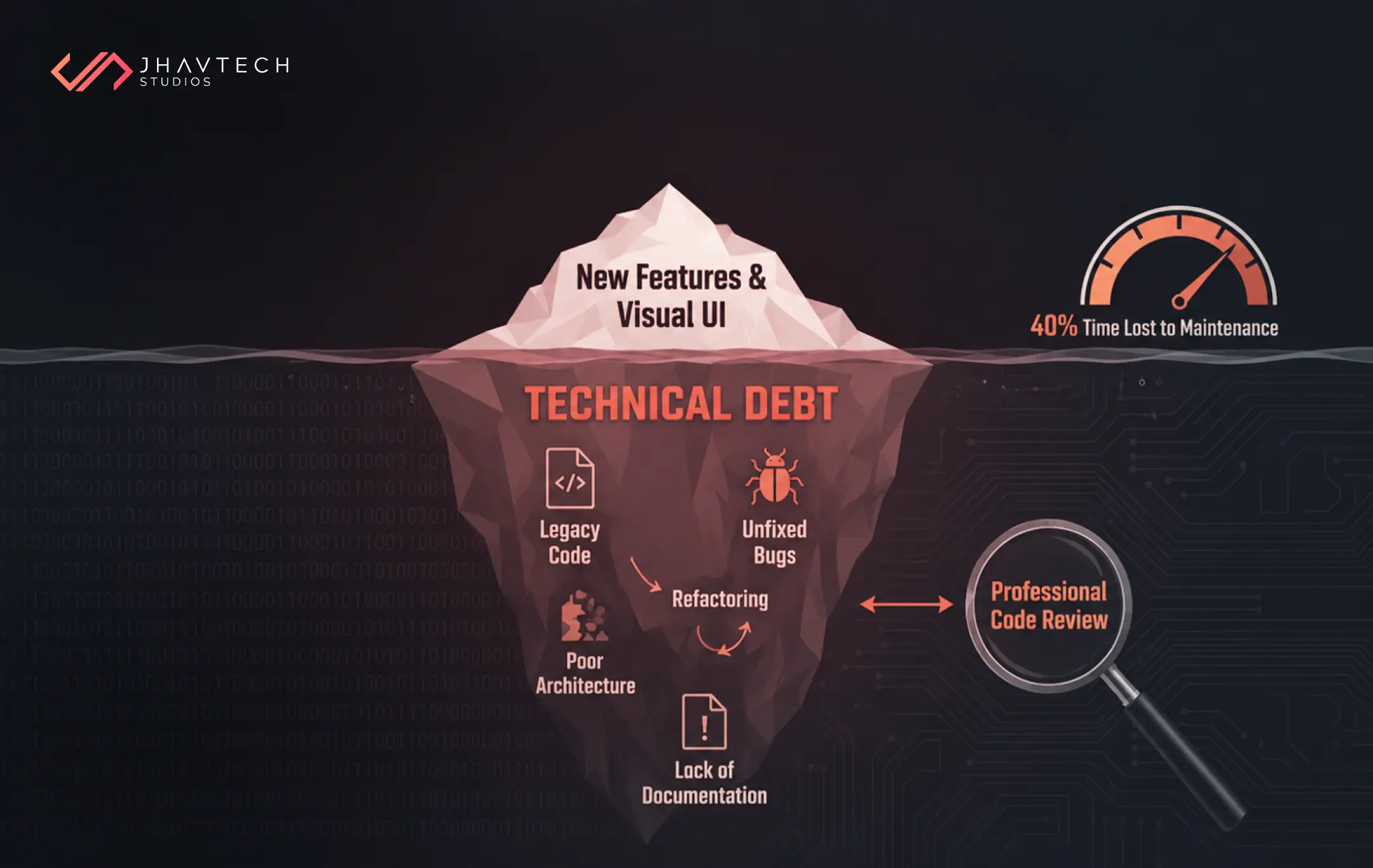
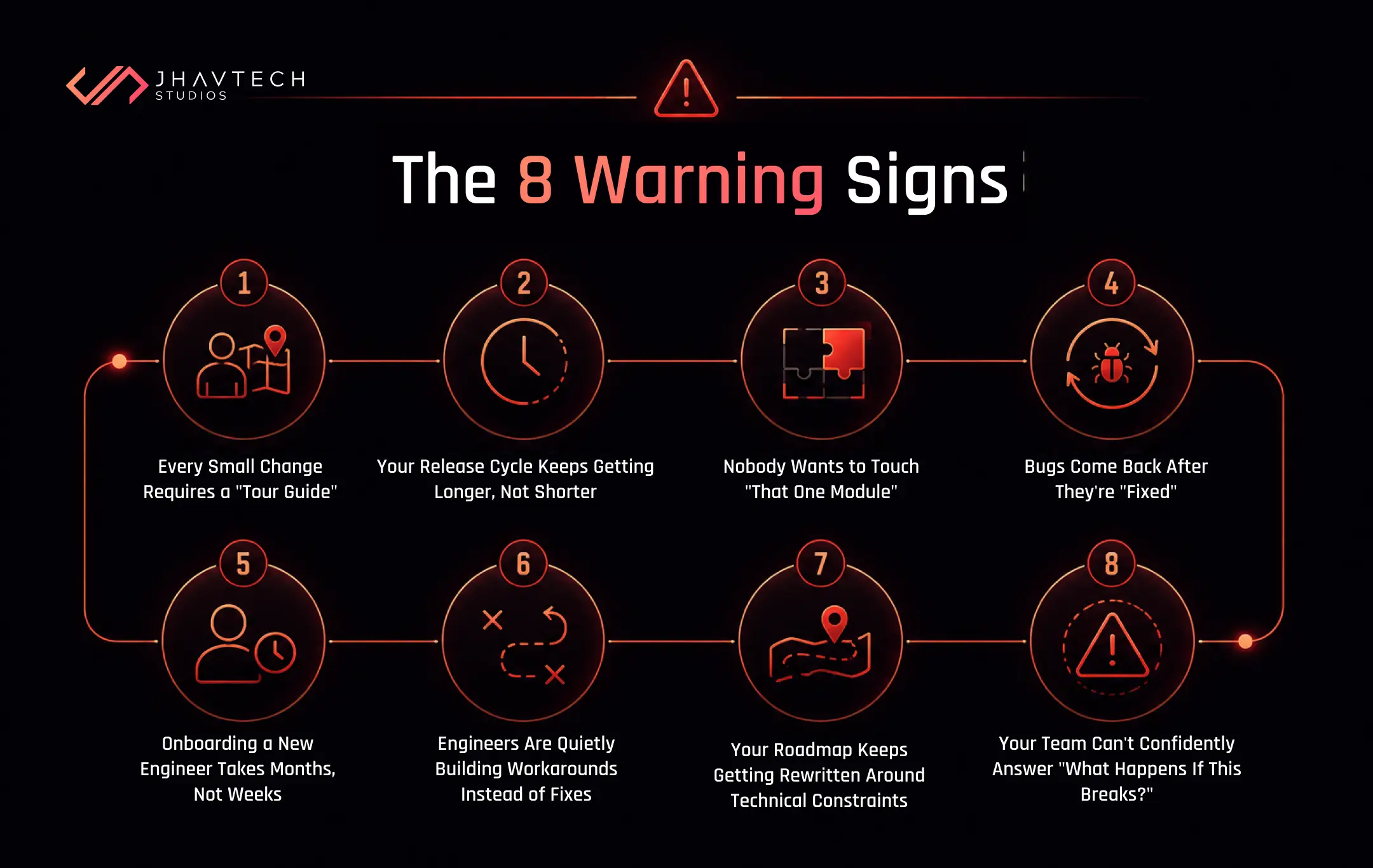
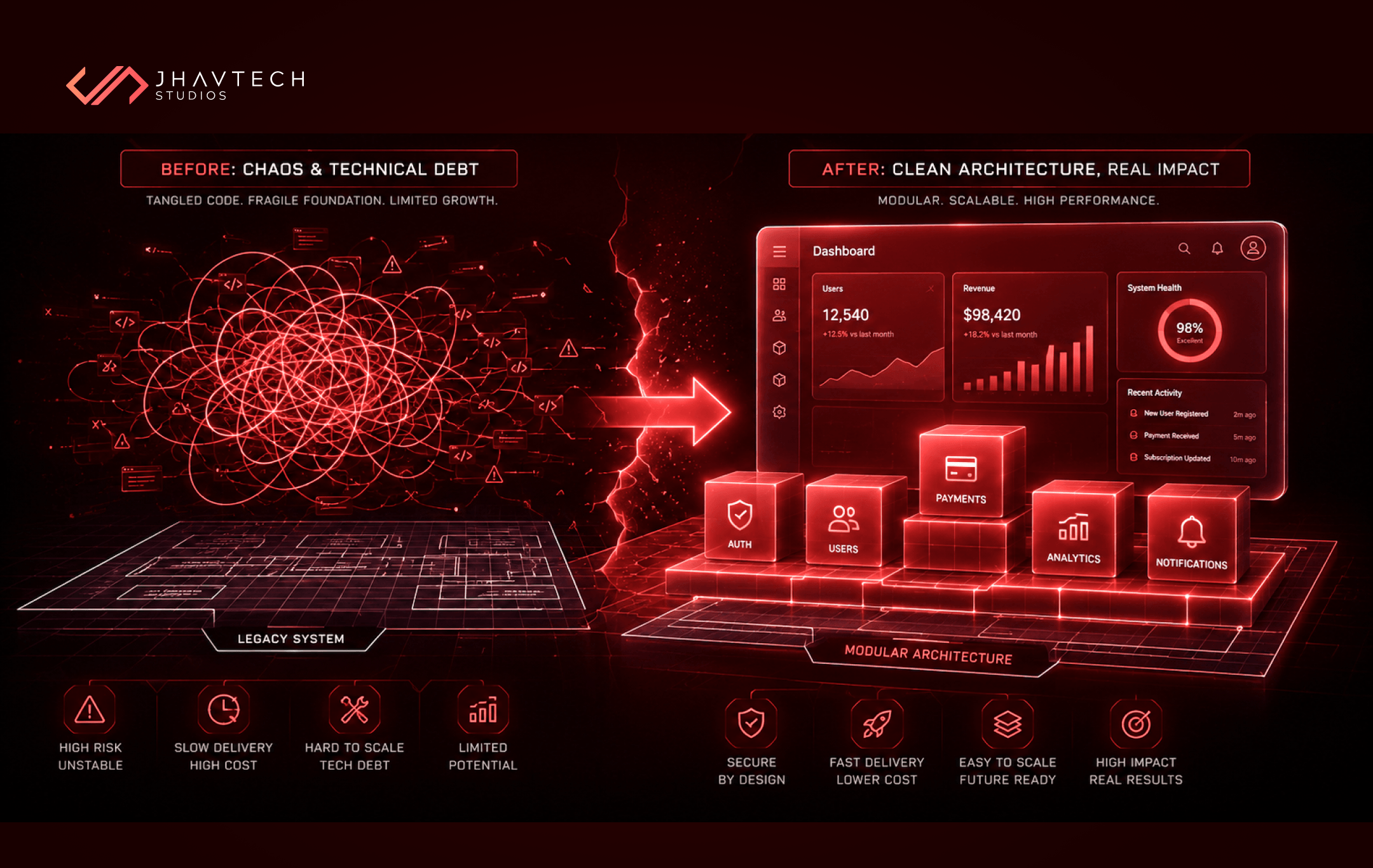
When architectural decay is left unchecked, it accumulates as "unstructured technical debt". Over time, this makes the codebase so brittle that adding a single feature causes regressions in unrelated modules. We often see teams reach a breaking point where their internal velocity drops to zero, necessitating a high-stakes software project rescue to refactor core components. Architectural decay isn't always loud; it’s a quiet accumulation of "leaky abstractions".
A senior-level review acts as a continuous audit of the system’s health. By identifying "God Classes," inappropriate intimacy between modules, and "Shotgun Surgery" patterns early, the reviewer ensures the architecture remains modular. This prevents the "Big Bang" refactor and allows the team to maintain a consistent release cadence. A common code smell identified during these rescues is the violation of the Interface Segregation Principle. Automated tools will not flag a "Fat Interface" that forces a class to implement methods it doesn't use; they see valid inheritance. A senior developer, however, recognizes that this coupling will make unit testing impossible and future refactoring a nightmare. By catching these "Design Pattern Anti-Patterns" during the PR stage, we ensure the codebase remains "Open for Extension but Closed for Modification".
Engineering Velocity and False Positive Fatigue
One of the hidden costs of heavy automation is "Alert Fatigue." Many SAST tools generate a high volume of false positives: flags that are technically violations but contextually irrelevant. When developers spend 30% of their sprint "fixing" code to satisfy a linter’s rigid rules, actual productivity suffers.
Senior reviewers provide a "context filter." They understand when a specific rule should be bypassed for performance reasons or when a "hack" is a necessary temporary measure for a hotfix. This pragmatic approach is a cornerstone of effective DevOps solutions, where the goal is to optimise the "Lead Time to Change" without sacrificing system integrity.
The Jhavtech Studios Approach: Deep-Dive Heuristics
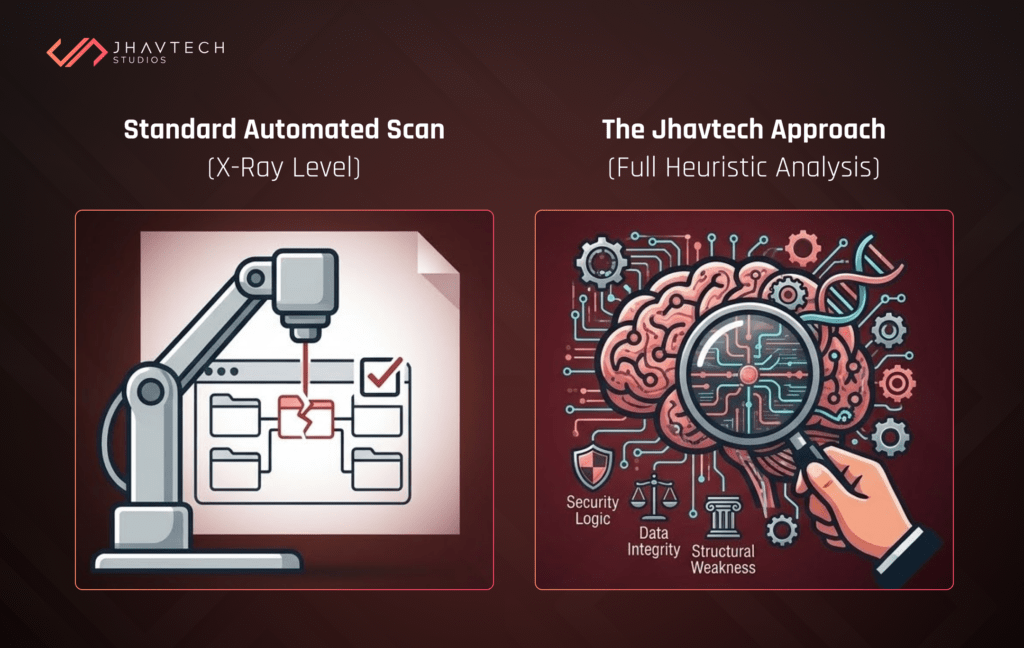
At Jhavtech Studios, we believe a code review should be more than a checklist; it should be a technical autopsy. Our process typically spans 2–3 business days because we move beyond surface-level syntax. Our senior engineers investigate:
- Data Integrity: Validating that database transactions are atomic and properly scoped.
- Security Beyond Scanners: Identifying "Insecure Direct Object References" (IDOR) or broken function-level authorisation which are flaws that automated scanners frequently miss because they appear as legitimate logic.
- Scalability Heuristics: Evaluating if the chosen data structures will hold up when the user base grows from 1,000 to 100,000.
The Mentorship Multiplier: Building Technical Authority
The most significant ROI of manual review isn't just the bugs caught, it's the knowledge transferred. An automated tool provides a "Failed" status; a senior reviewer provides a "Masterclass." By explaining the why behind a requested change, the reviewer helps junior and mid-level developers internalise high-level engineering principles.
This continuous feedback loop elevates the entire team’s "technical baseline." Over several months, the frequency of common errors drops, and the team begins to produce "senior-quality" code by default. This cultural shift is something no automated subscription or AI coding assistant can achieve.
Is Your Codebase At Risk?
If your development team is growing, or if you are inheriting a legacy codebase from a previous agency, the risk of hidden logical debt is high. Automated tools will tell you the code is "clean," but they won't tell you if it's "right."
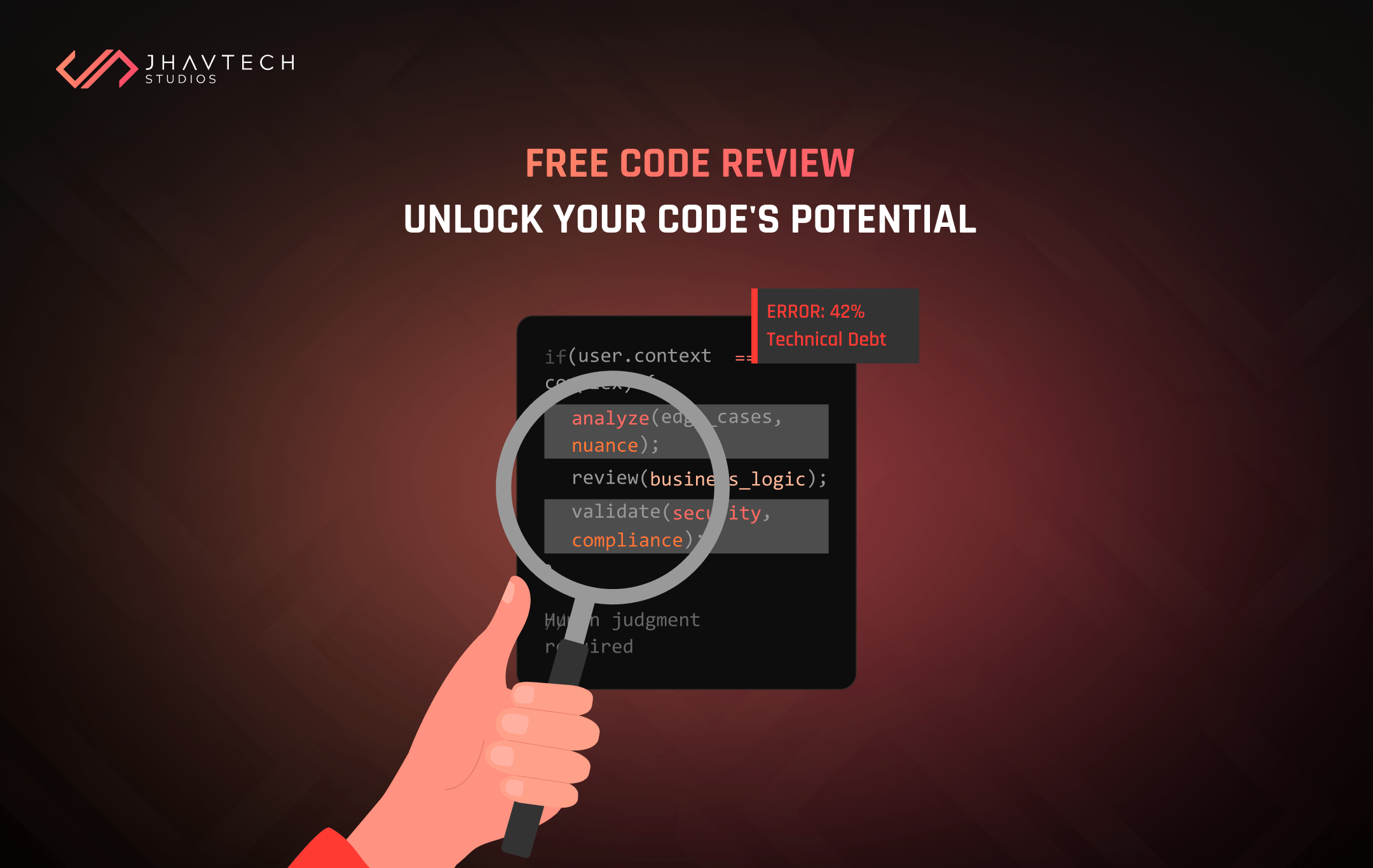
We offer a Free Code Review to help technical leaders gain an unbiased perspective on their software’s health. We look past the formatting to find the bottlenecks, security gaps, and architectural flaws that stand between your current build and a successful, scalable launch.
Final Thoughts... The Human Element in a Machine World
Automation is a tool for efficiency; senior expertise is a tool for strategy. While machines are unmatched in their ability to scan millions of lines of code for known patterns, they lack the creative and critical thinking required to foresee how a system will evolve. By integrating a professional manual review into your workflow, you aren't just catching bugs, you are investing in the long-term structural integrity of your digital product.
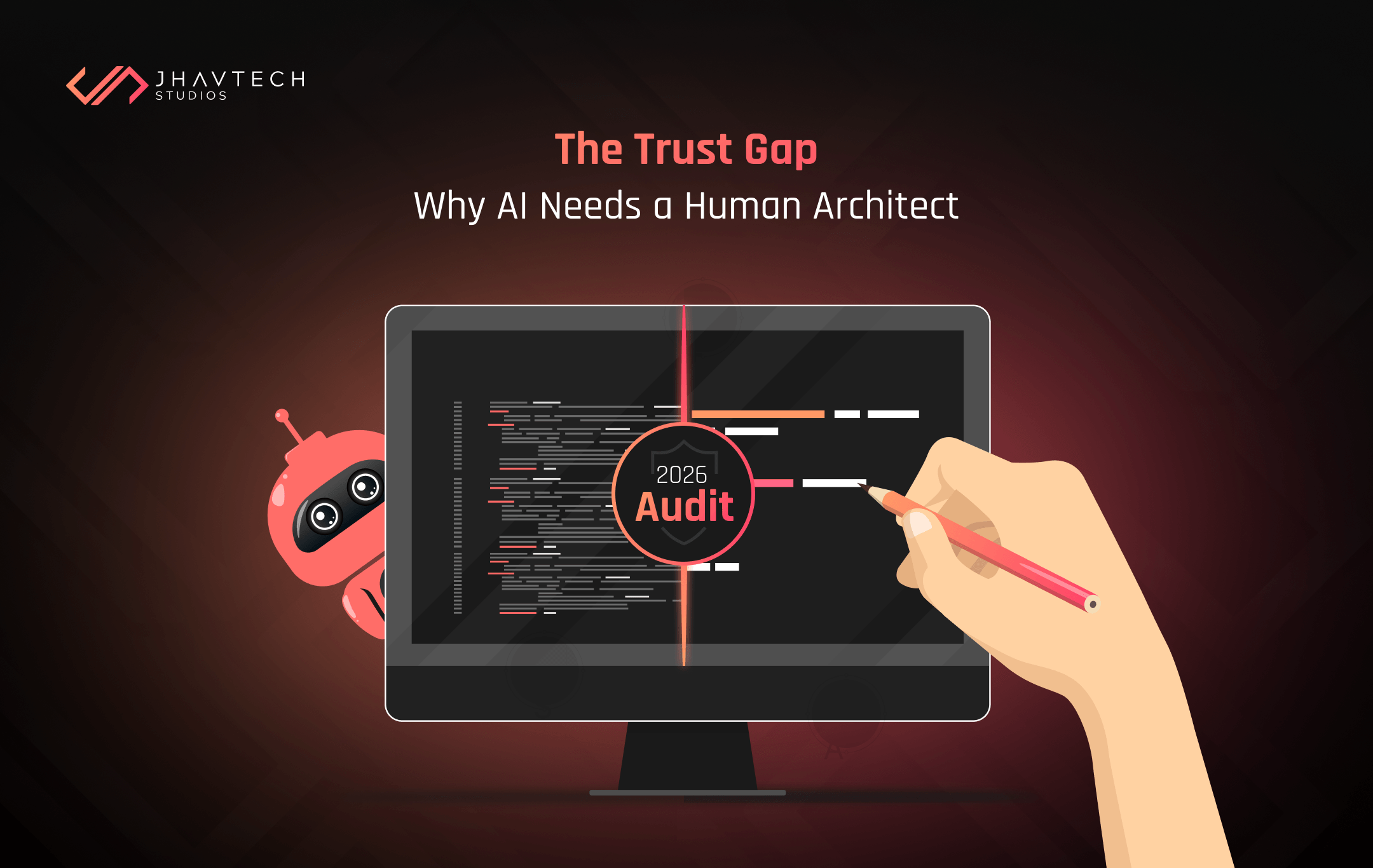
Don't leave your logic to chance. Get a professional, senior-level deep dive into your architecture with Jhavtech’s Free Code Audit. We find what the scanners miss.
.webp)
.webp)

.png)
.png)

.webp)
.webp)



.png)
.png)
.png)
.png)
.png)
.png)
.png)
.png)
.png)
.png)
.png)
.png)
.png)

.png)

.png)
.png)
.png)
.png)
.png)
.png)
.png)
.png)
.png)
.png)
.png)

.png)
.png)

.png)
.png)
.png)
.png)
.png)
.png)
.png)
.png)
.png)
.png)
.png)
.png)
.png)
.png)
.png)
.png)
.png)
.png)
.png)
.png)

.png)
.png)
.png)
.png)
.png)
.png)
.png)
.png)
.png)
.png)
.png)
.png)

.png)