.svg)
.svg)


Why Cheap Offshore Development Often Costs More in the Long Run
Cutting your development budget by hiring the cheapest offshore team you can find rarely saves money once you look past the first invoice. Low day rates tend to hide poor code quality, weak testing, and communication gaps that surface months later as rework, security patches, and blown timelines. This blog breaks down the real offshore development risks decision-makers overlook, backs it up with current data, and gives you a practical checklist for vetting a partner before you sign anything.
Every founder has had this conversation with themselves at least once: "Why pay a local developer $120 an hour when someone overseas will do it for $18?" On paper, it's a no-brainer. In practice, it's one of the most expensive decisions a startup or SME can make... just not on the day you make it.
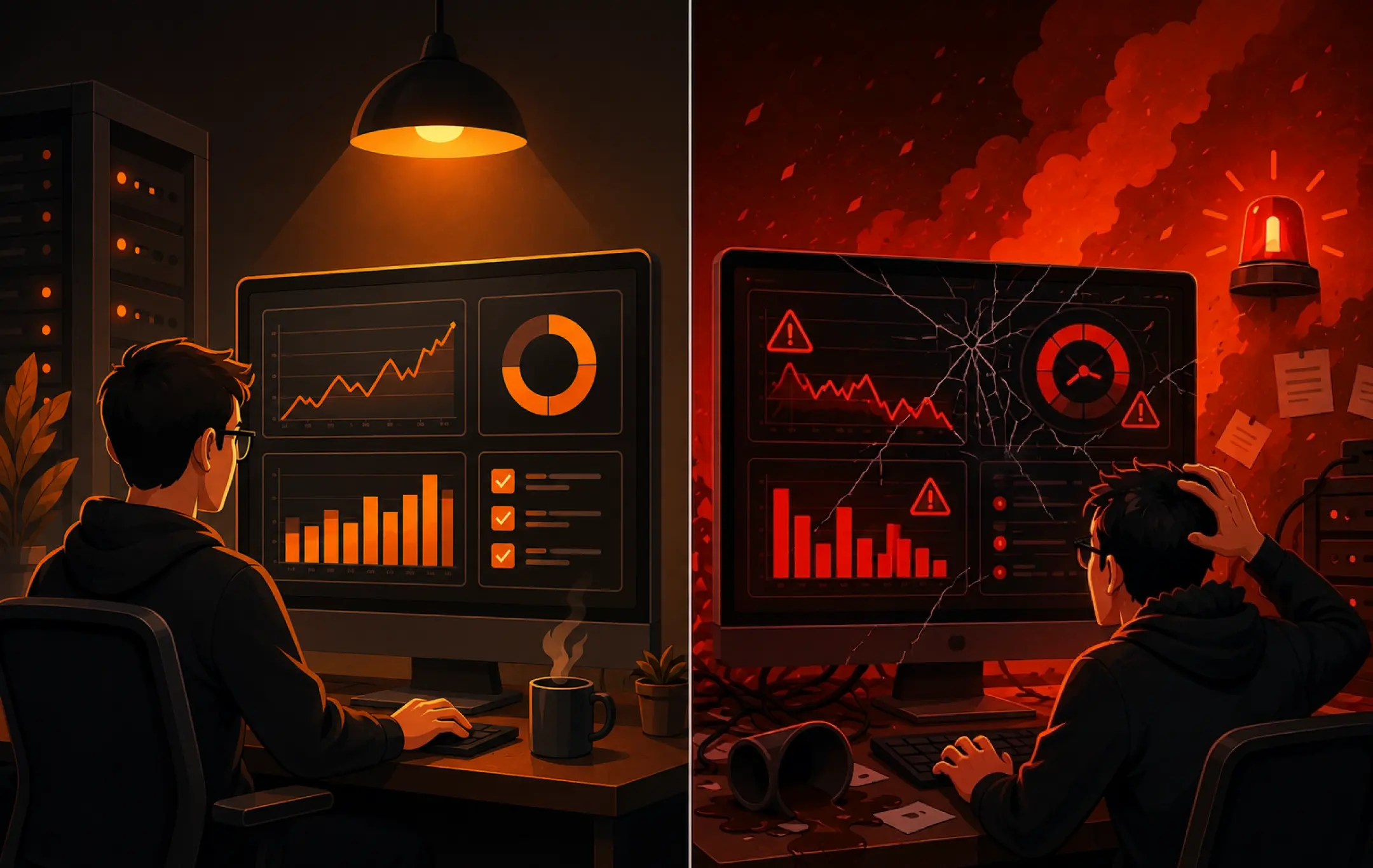
The bill for cheap offshore development rarely arrives as a single line item. It shows up in dribs and drabs: a sprint that runs three weeks over, a security audit that fails right before a funding round, a codebase so tangled that no one (including the original developers) wants to touch it anymore. By the time leadership notices the pattern, they've usually already paid for the project twice.
This isn't an argument against offshore development itself. Offshoring is now a mainstream, trillion-dollar industry, and plenty of companies do it brilliantly. The problem is specifically with the cheap end of the market, where price is the only differentiator and everything else gets treated as optional. Let's dig into why that trade-off backfires, and what smarter due diligence actually looks like.
The Real Math Behind "Low-Cost" Development
Here's the part most cost comparisons conveniently skip: a lower hourly rate only saves money if the hours are spent efficiently and the output doesn't need to be redone. Neither is guaranteed with a bargain-bin vendor.
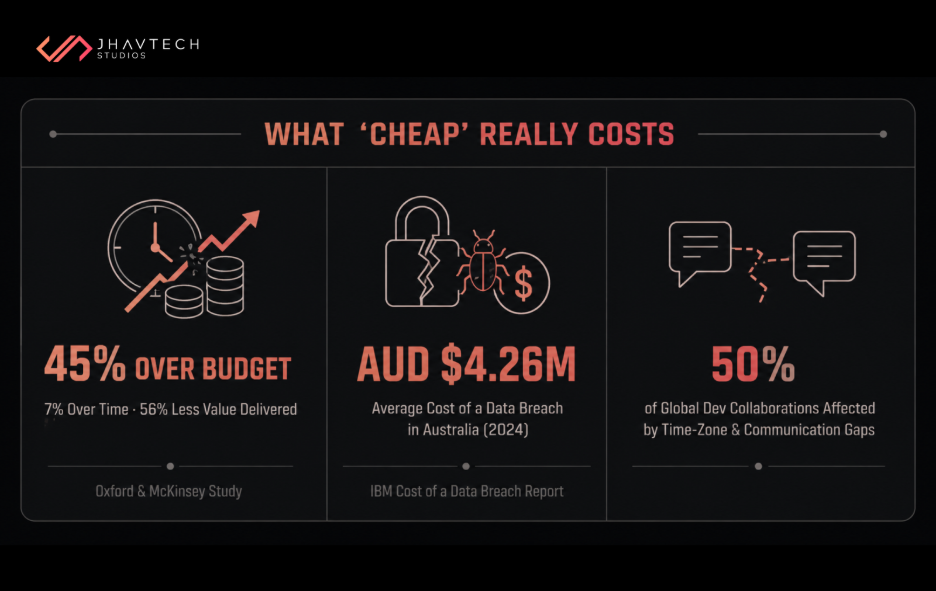
Research consistently shows that a large share of software initiatives simply don't deliver on their goals. In a joint study by Oxford and McKinsey, large IT projects were found to run 45% over budget and 7% over time on average, while delivering 56% less value than predicted. The study also noted that the root causes are rarely purely technical. They trace back to unclear ownership, vague requirements, and a lack of governance structure. In other words, the failure usually isn't "offshore developers can't code." It's "nobody was steering the ship."
Add in the cost of poor software quality itself, and the picture gets worse. IBM's Cost of a Data Breach Report found that the average cost of a data breach in Australia hit a record AUD $4.26 million in 2024, a 27% jump since 2020, with the technology sector recording the costliest breaches of any industry studied that year. Many of those breaches trace straight back to weak coding practices such as missing input validation, poor access controls, unpatched dependencies. These are the exact shortcuts a cut-rate offshore team is most likely to take when there's no code review, test coverage, or engineering standard holding the line.
Then there's the communication tax. Time-zone misalignment and communication breakdowns affect an estimated 50% of global development collaborations, driving delays, misunderstandings, and rework. When your cheapest vendor is also the one with the least structured communication process, those two problems compound rather than cancel out.
The Hidden Offshore Development Risks Nobody Puts in the Quote
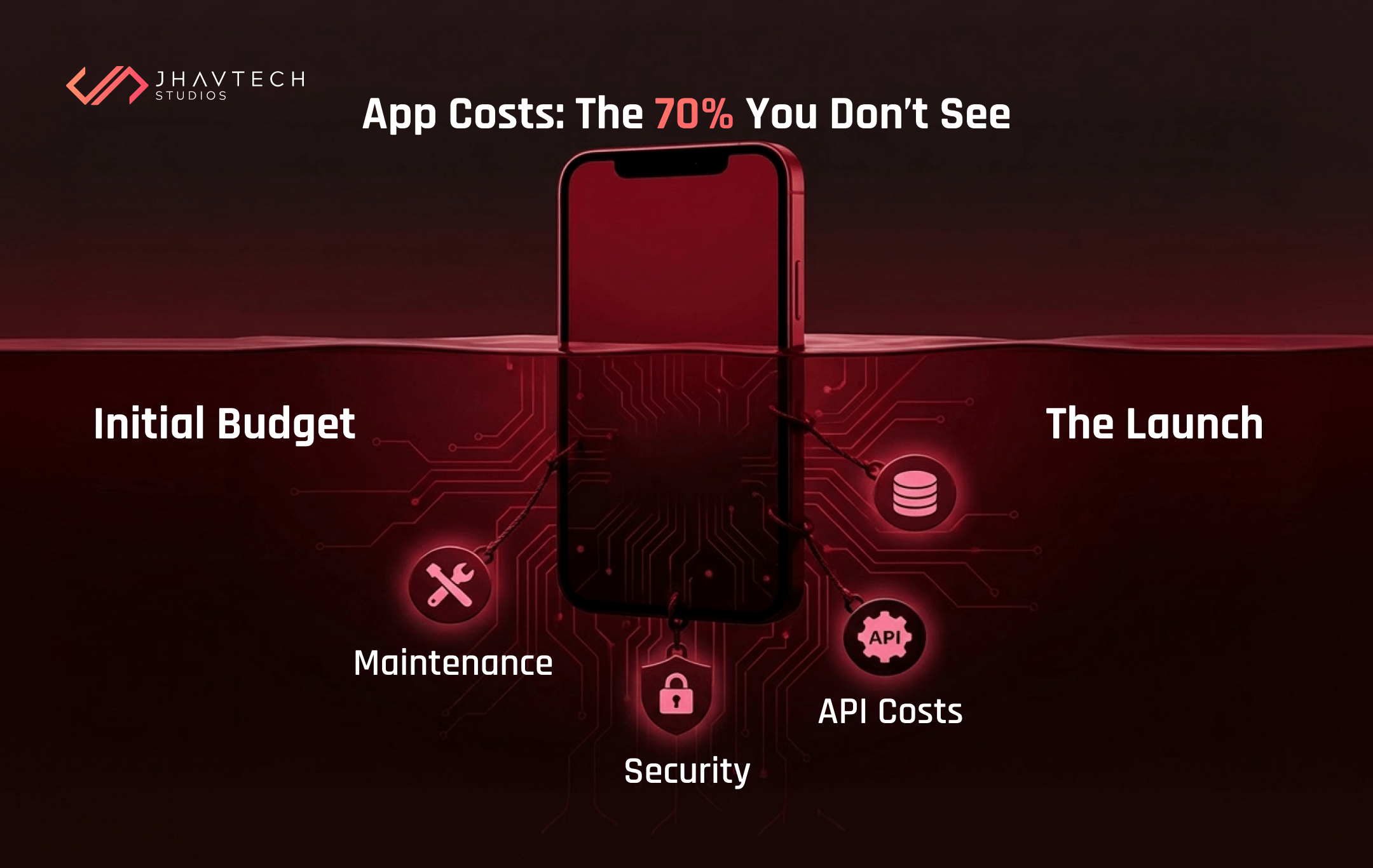
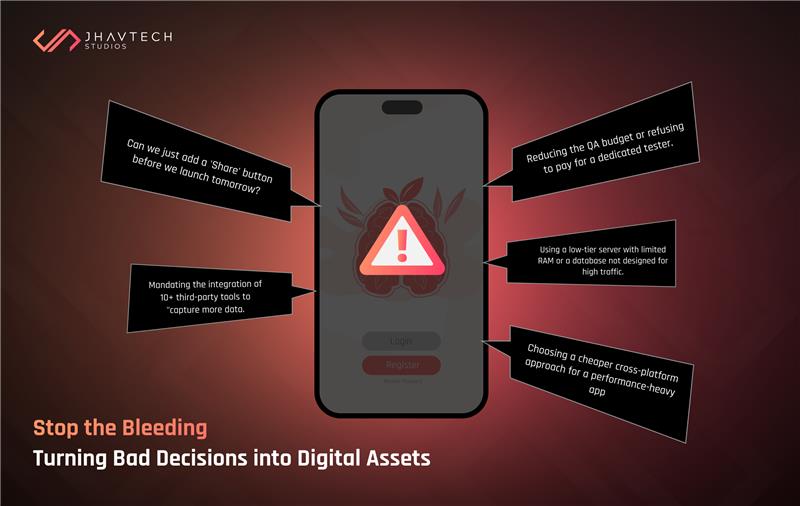
A low bid is easy to compare. A hidden cost isn't, which is exactly why it's so easy to miss until you're already committed. When a vendor quotes you a rate, that number is doing a lot of quiet work: it's telling you what's included, and by omission, what isn't. Testing, documentation, project management, security reviews, any of these can be assumed, watered down, or left out entirely, and you often won't find out which until something breaks.
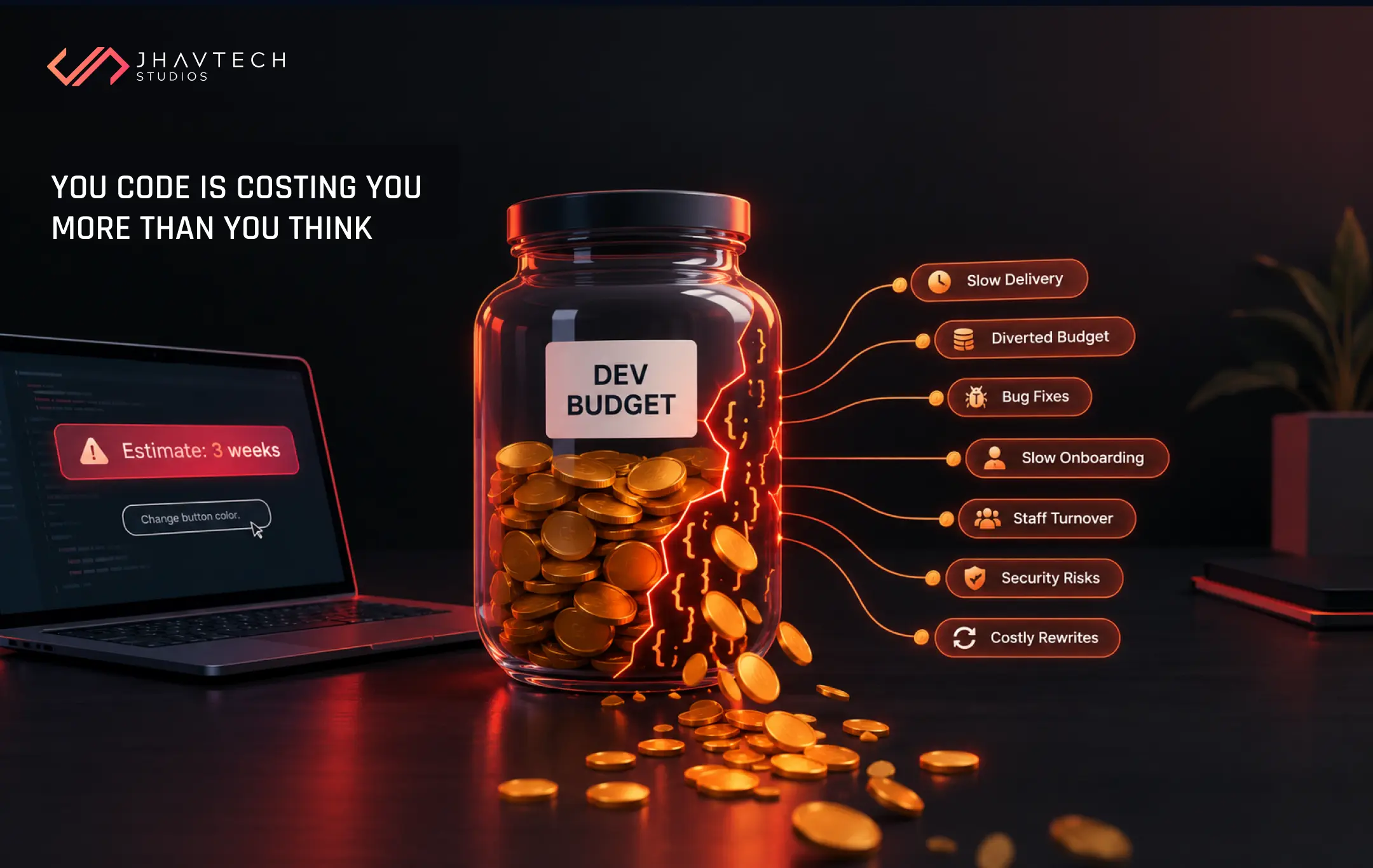
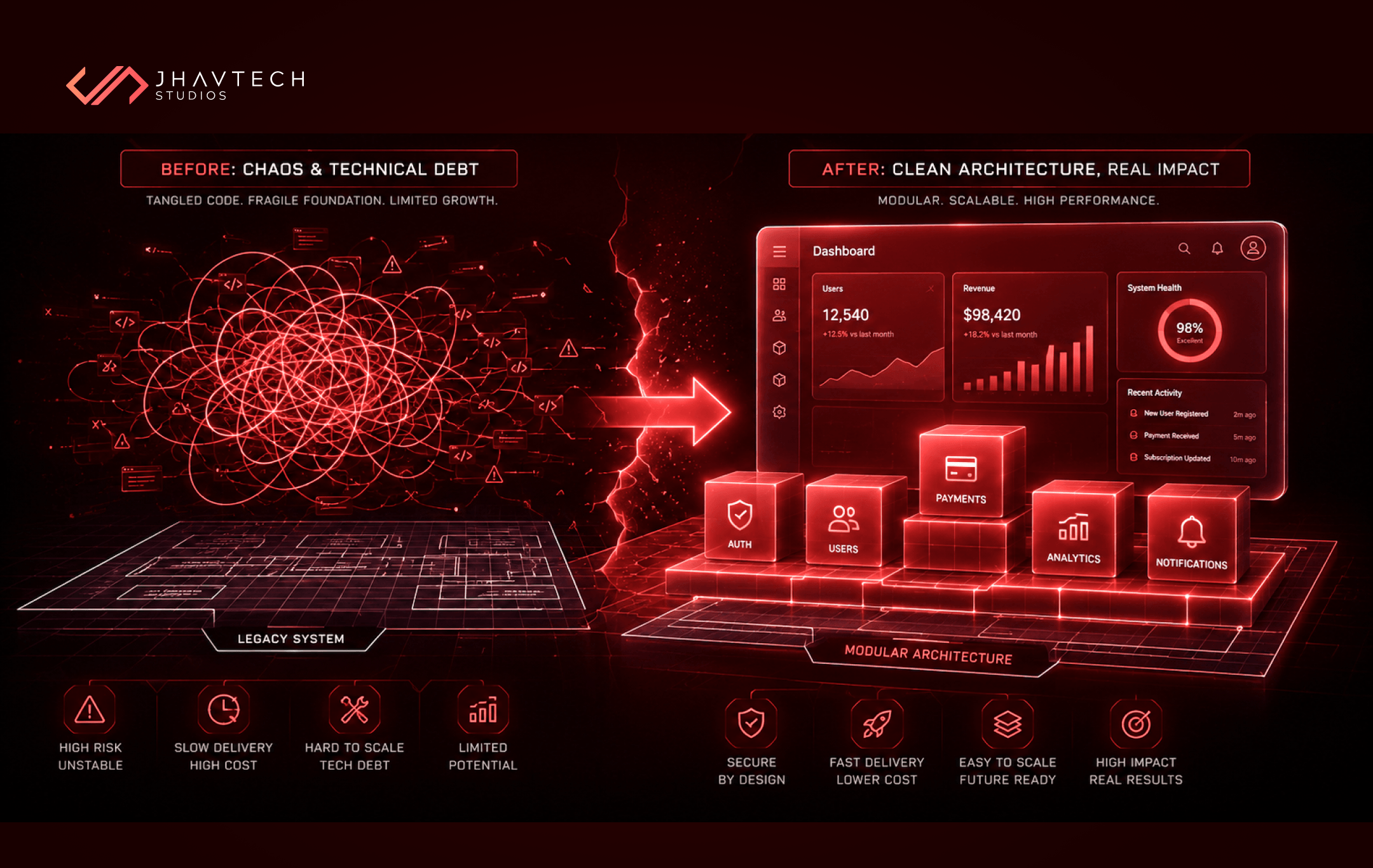
This is where low-cost development problems tend to differ from a simply bad deal. It's not that you overpaid for what you got; it's that you paid once for a partial job, and now you're about to pay again to finish it properly. Once you look past the invoice, the same handful of categories show up again and again, and they tend to follow a pattern: the corners cut early are invisible on delivery day and expensive every day after. Here's how the "visible" cost compares with what actually tends to show up later.
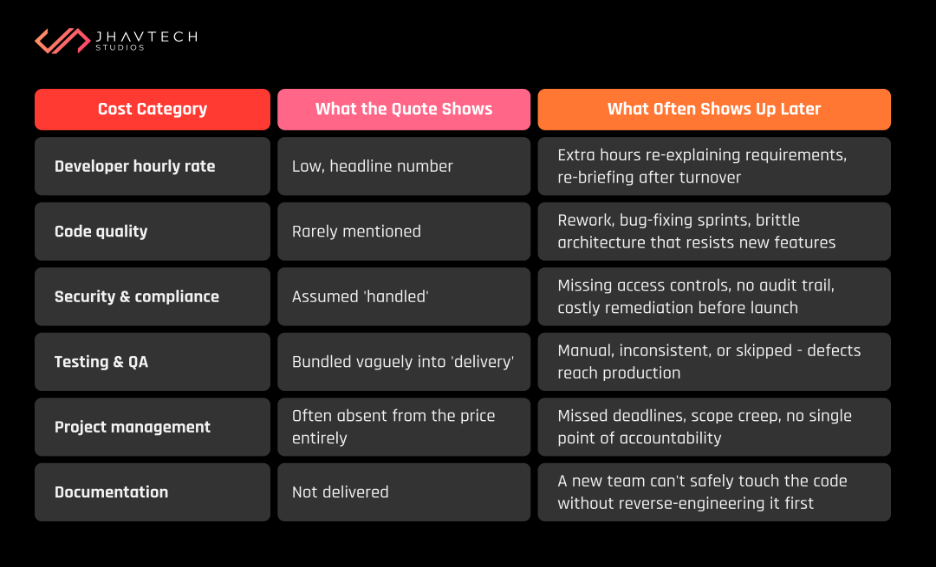
None of these show up on the invoice you sign. They show up on the invoice you get from whoever has to fix it, which, if trends hold, is not going to be cheaper than doing it properly the first time.
Poor Code Quality Is the Slowest, Most Expensive Leak
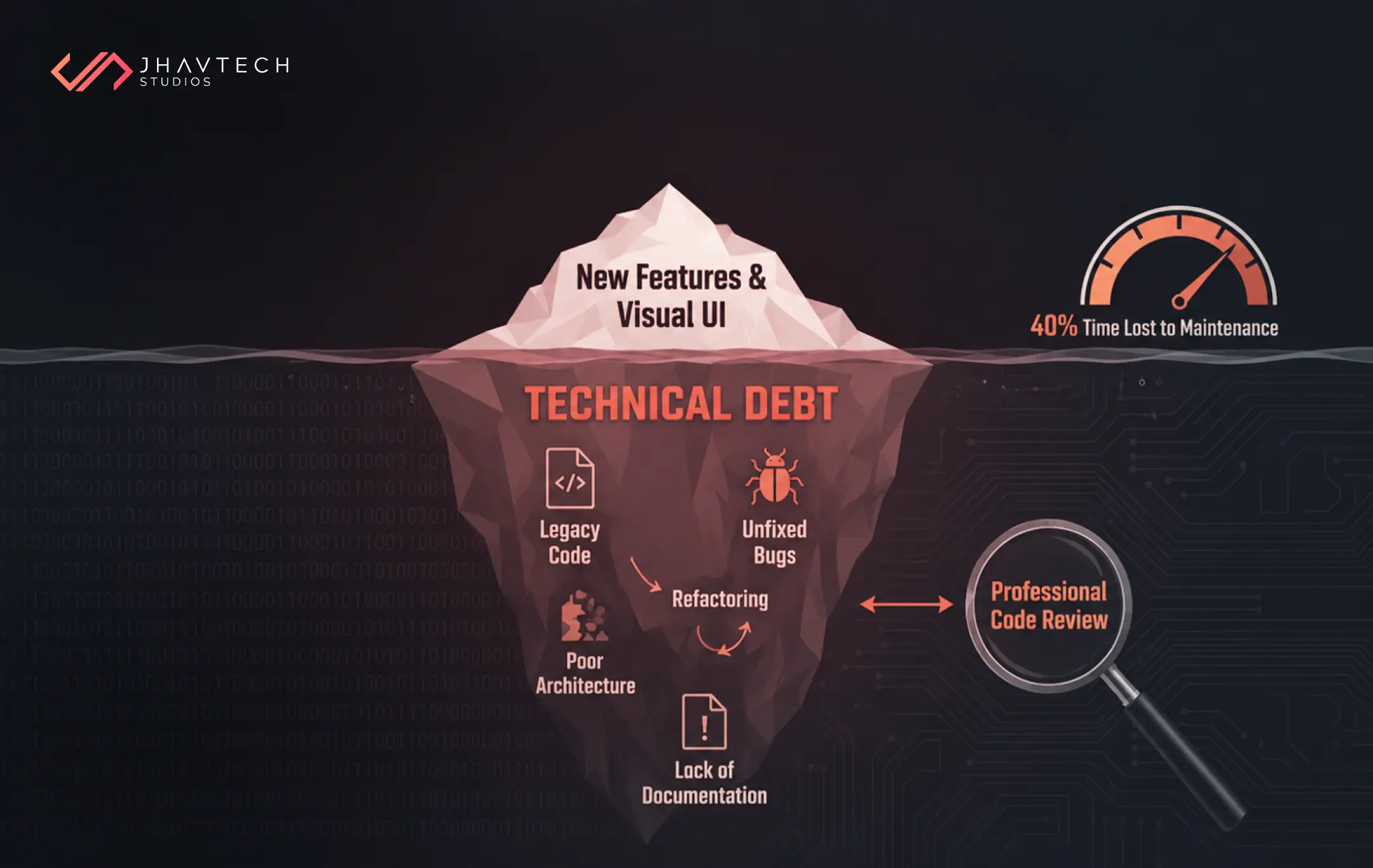
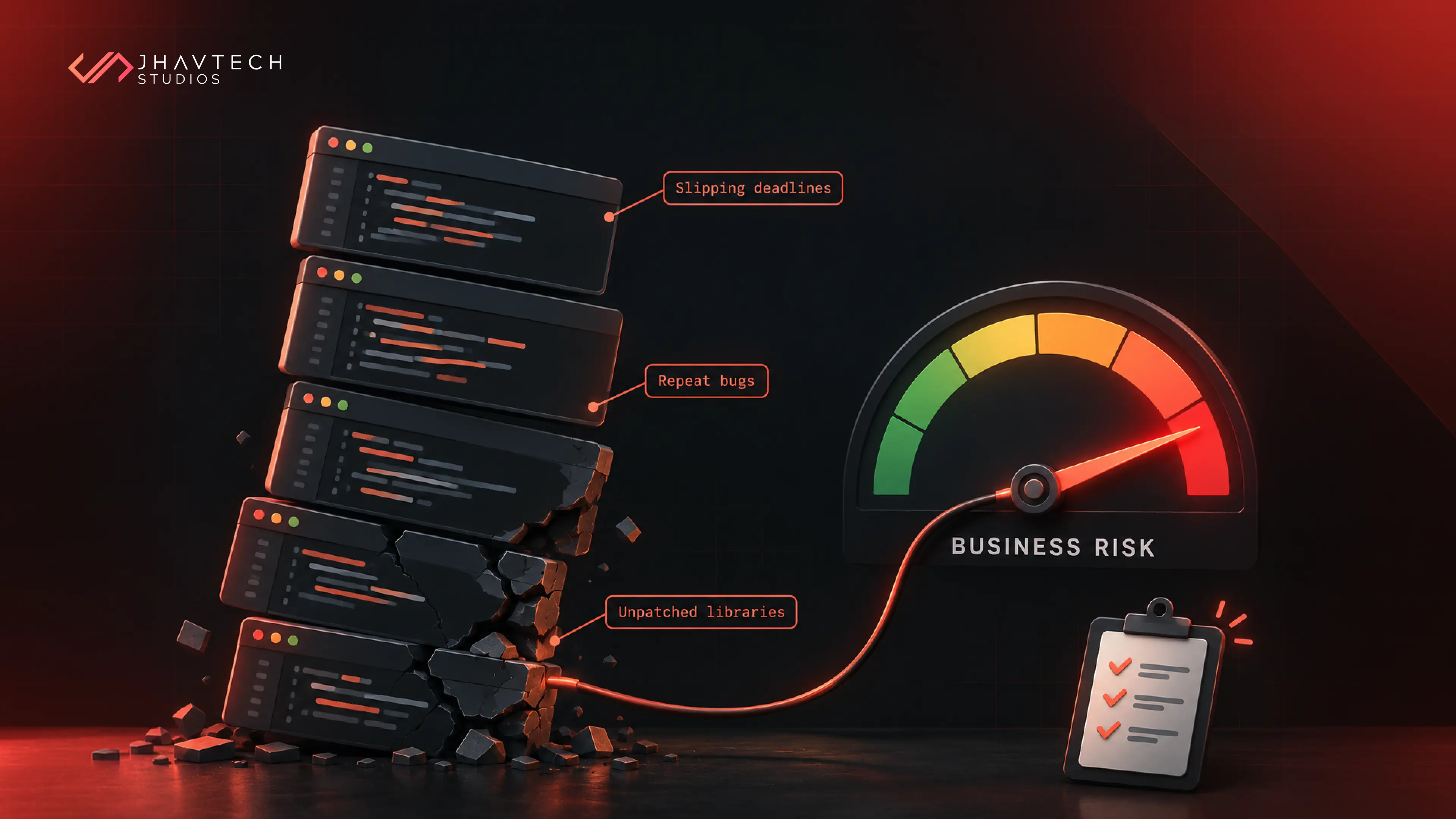
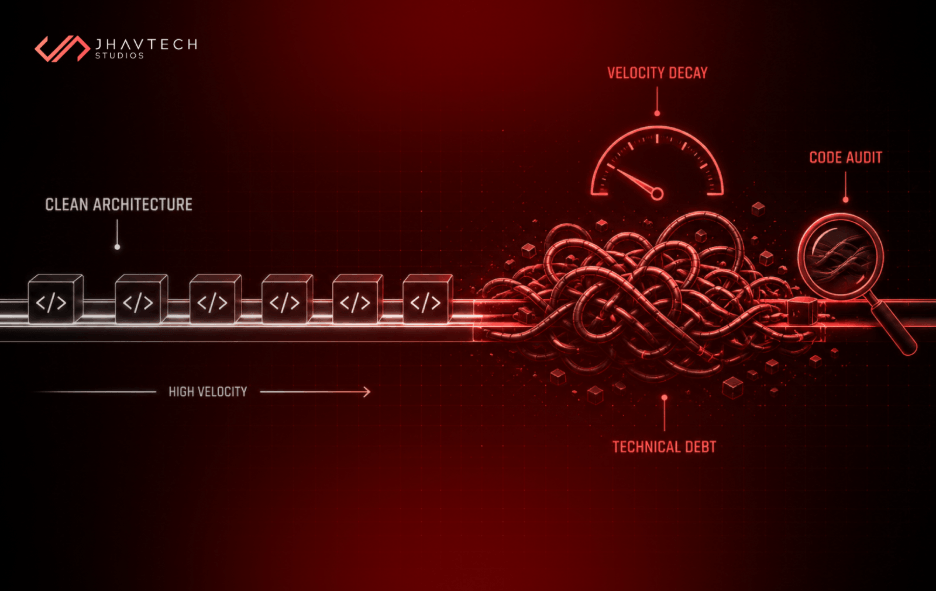
Of everything on that list, poor code quality is the one that compounds the hardest, because it doesn't just cost money once, it taxes every future sprint. A codebase built without consistent standards, meaningful tests, or documentation becomes harder to work in every month it exists. New features take longer. Bug fixes introduce new bugs. Eventually, teams spend more time navigating the mess than building anything new.
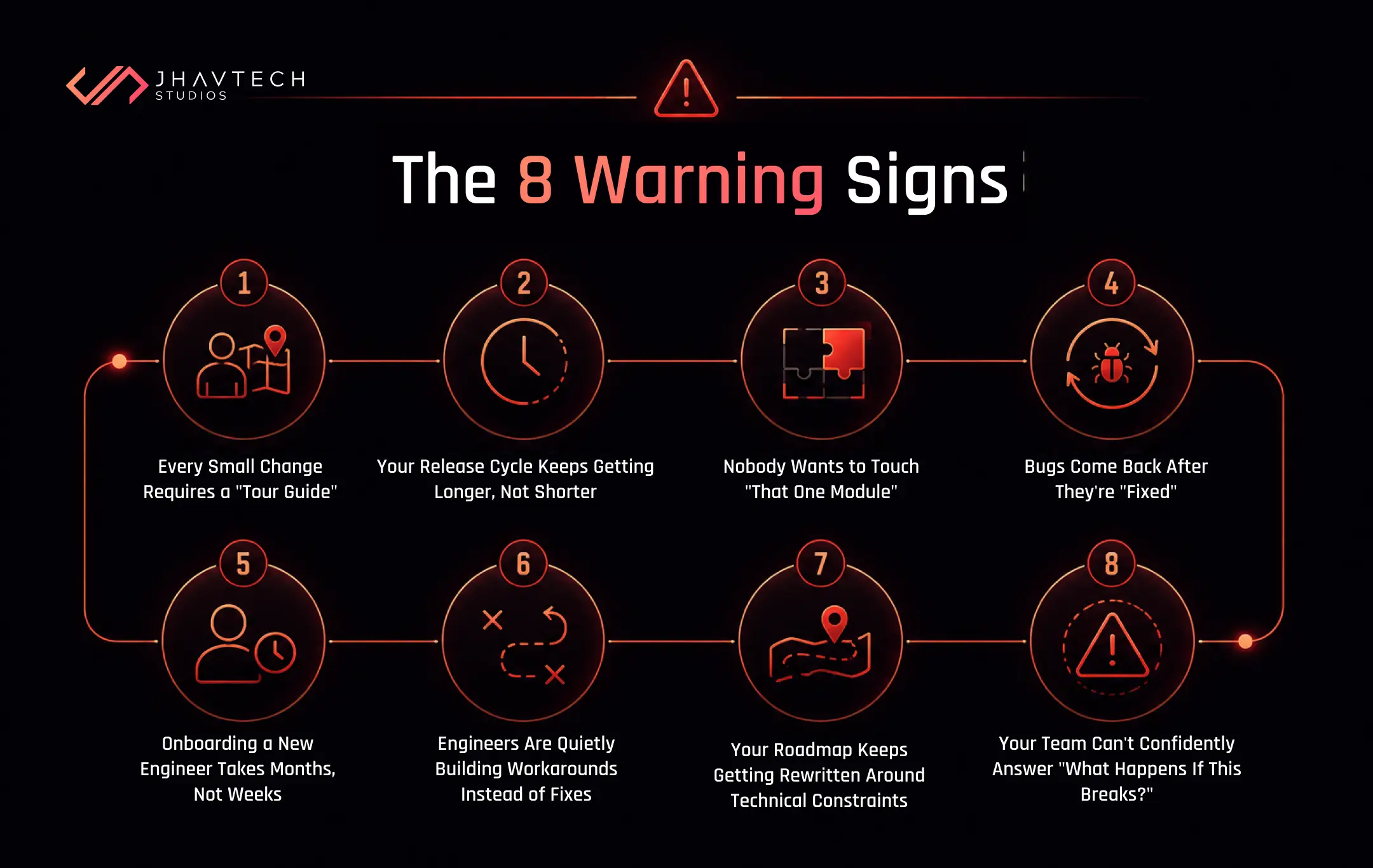
This is exactly the pattern we cover in our own breakdown of the warning signs that your software is becoming unmanageable. By the time leadership notices, the codebase has usually already been quietly accumulating debt for months.
Outsourcing Software Risks Aren't Just Technical
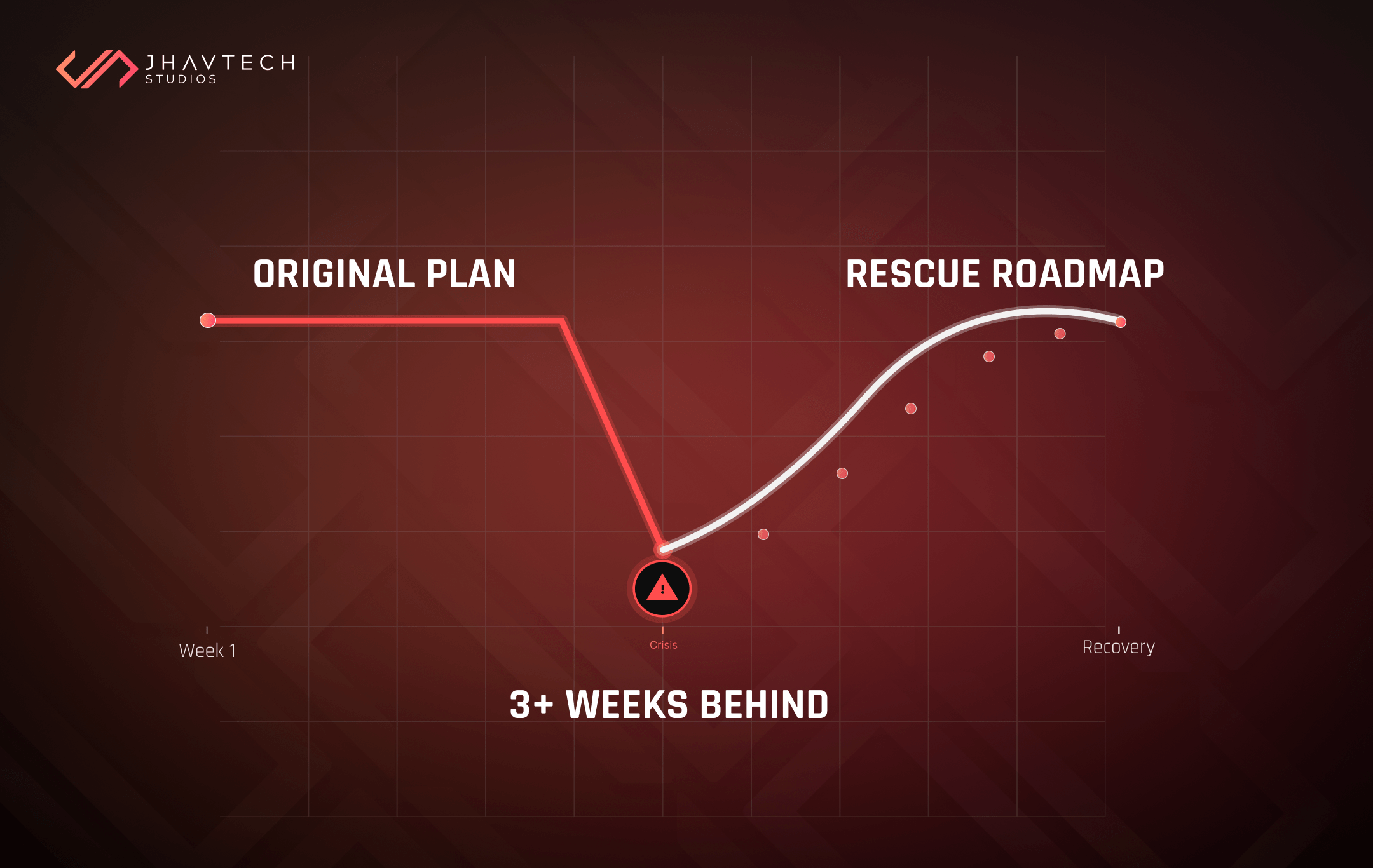
It's tempting to frame outsourcing software risks purely in terms of bugs and bad architecture, but the operational side bites just as hard. Cut-rate vendors often run lean on project management, which means no one is actively tracking scope, flagging risk, or holding the team to a delivery cadence. That's how a 12-week MVP turns into a 9-month slog.
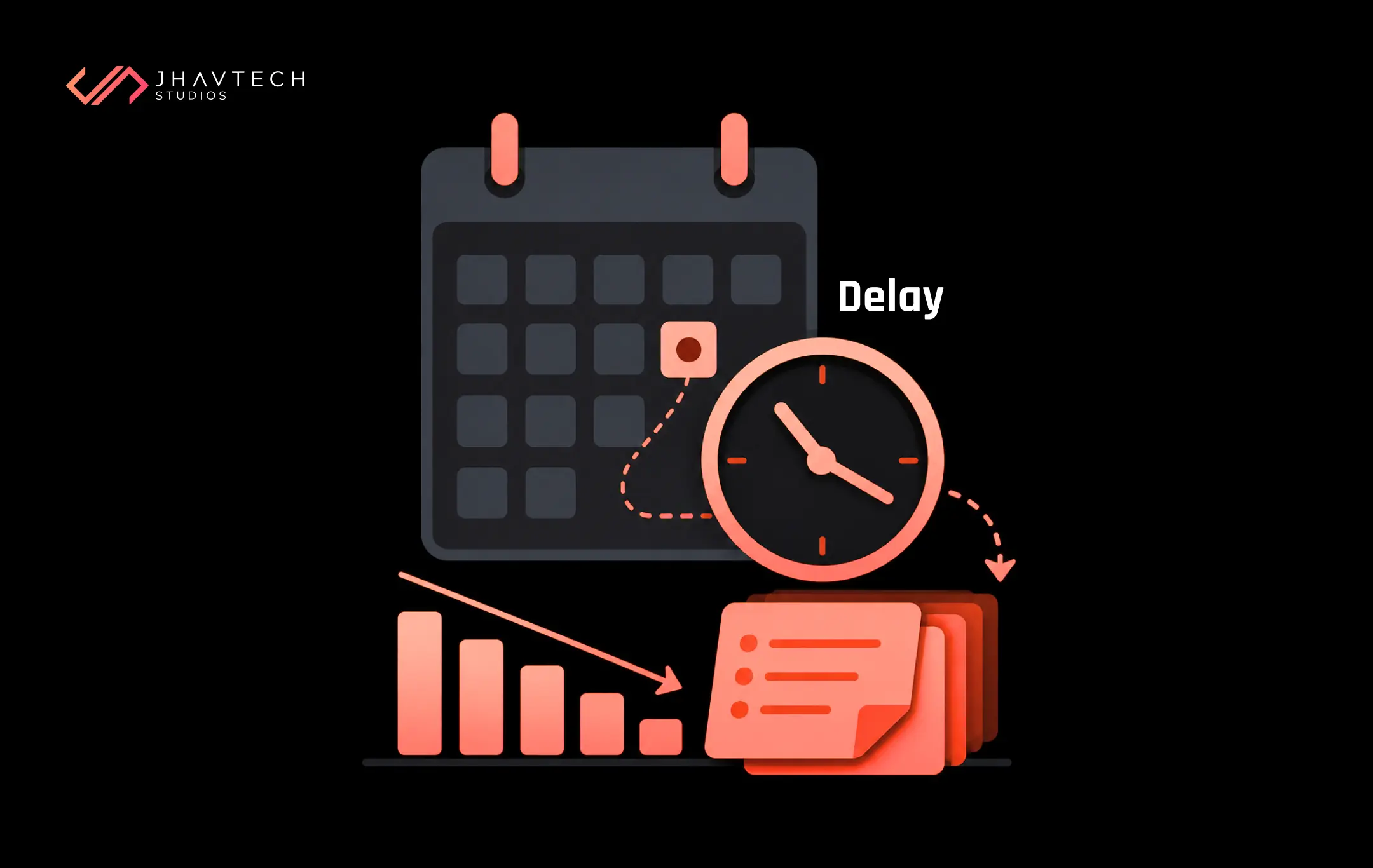
If any of this sounds familiar, it's worth reading our piece on why development teams keep missing delivery deadlines. The root causes line up almost exactly with what shows up in low-cost offshore engagements.
A Real-World Example of How This Plays Out
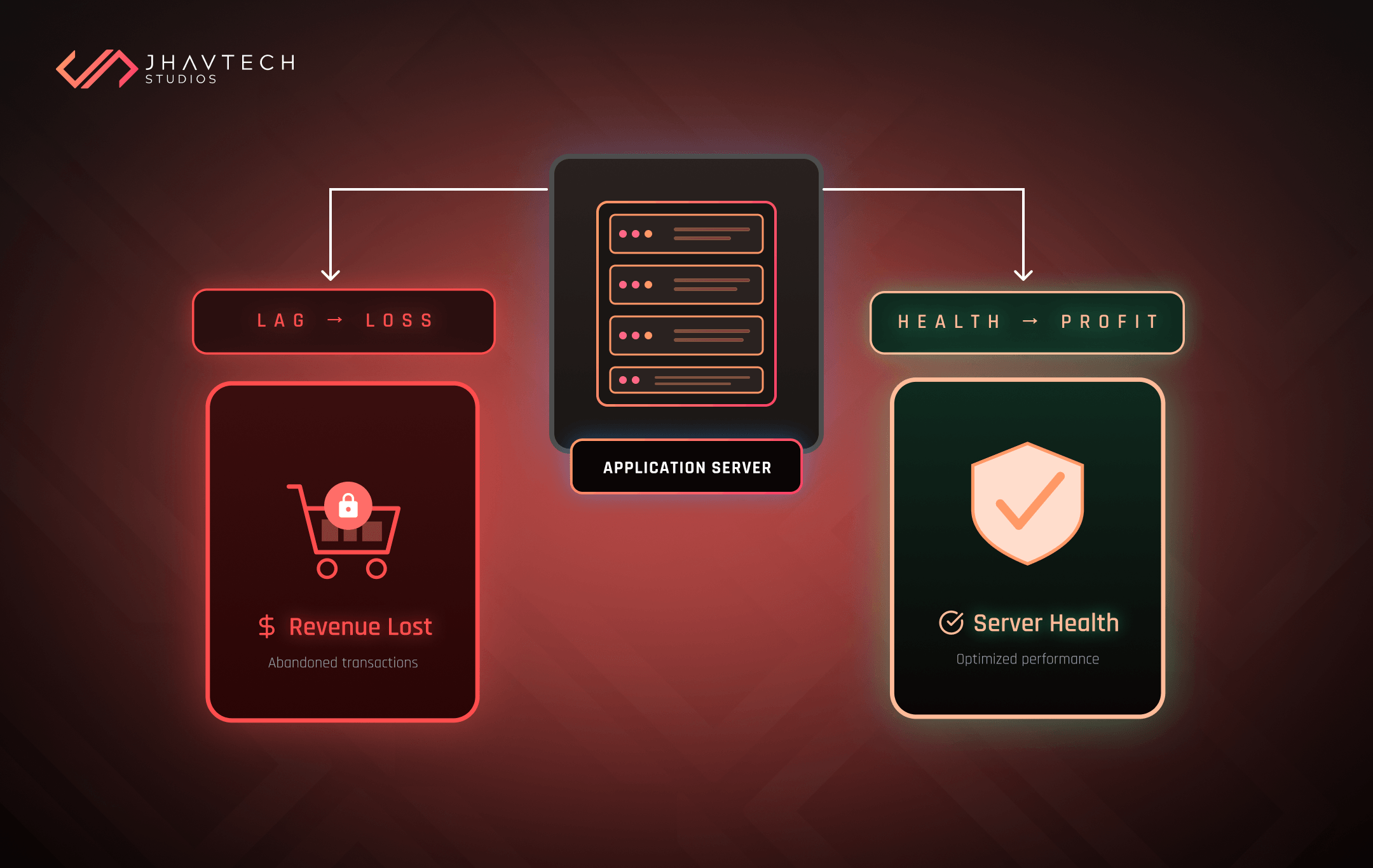
Consider a common scenario: an early-stage startup hires the lowest-bid offshore team to build its MVP fast and cheap, gets what looks like a working app in ten weeks, and starts onboarding users. Six months later, the app can't handle a modest spike in traffic, the original developers have moved on to other clients, and nobody left on the team can explain how the authentication system actually works. The founder now needs to hire a second team, not to add features, but to figure out what the first team built before they can safely change anything.
This isn't a hypothetical horror story; it's close to the median outcome industry data points to. It's also precisely why a team that specialises in reviving stalled or struggling builds has become its own category of service. If your team is already living this, our guide on spotting the signs your software project needs outside help is a useful gut-check before costs spiral further.
Software Rework Costs: The Bill Nobody Budgets For
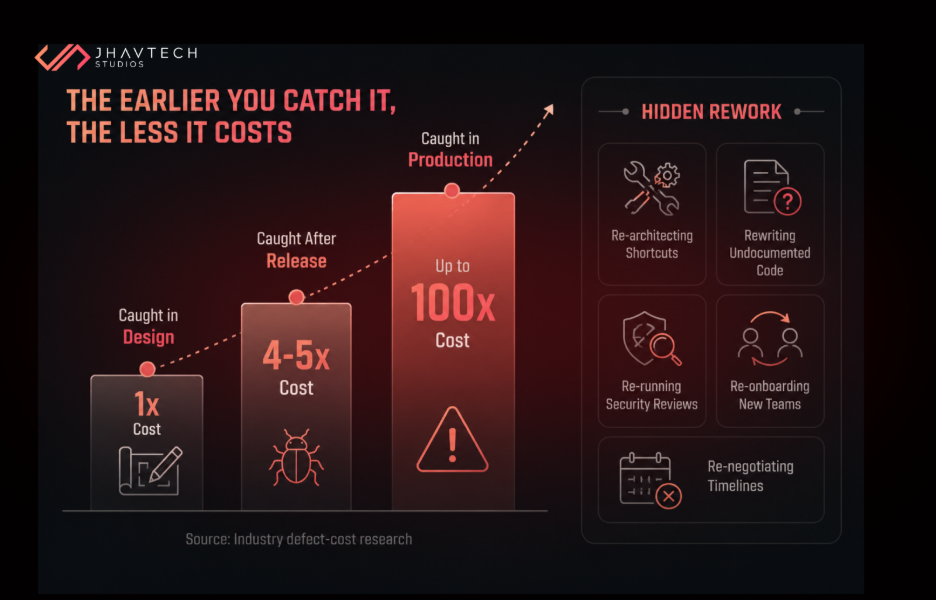
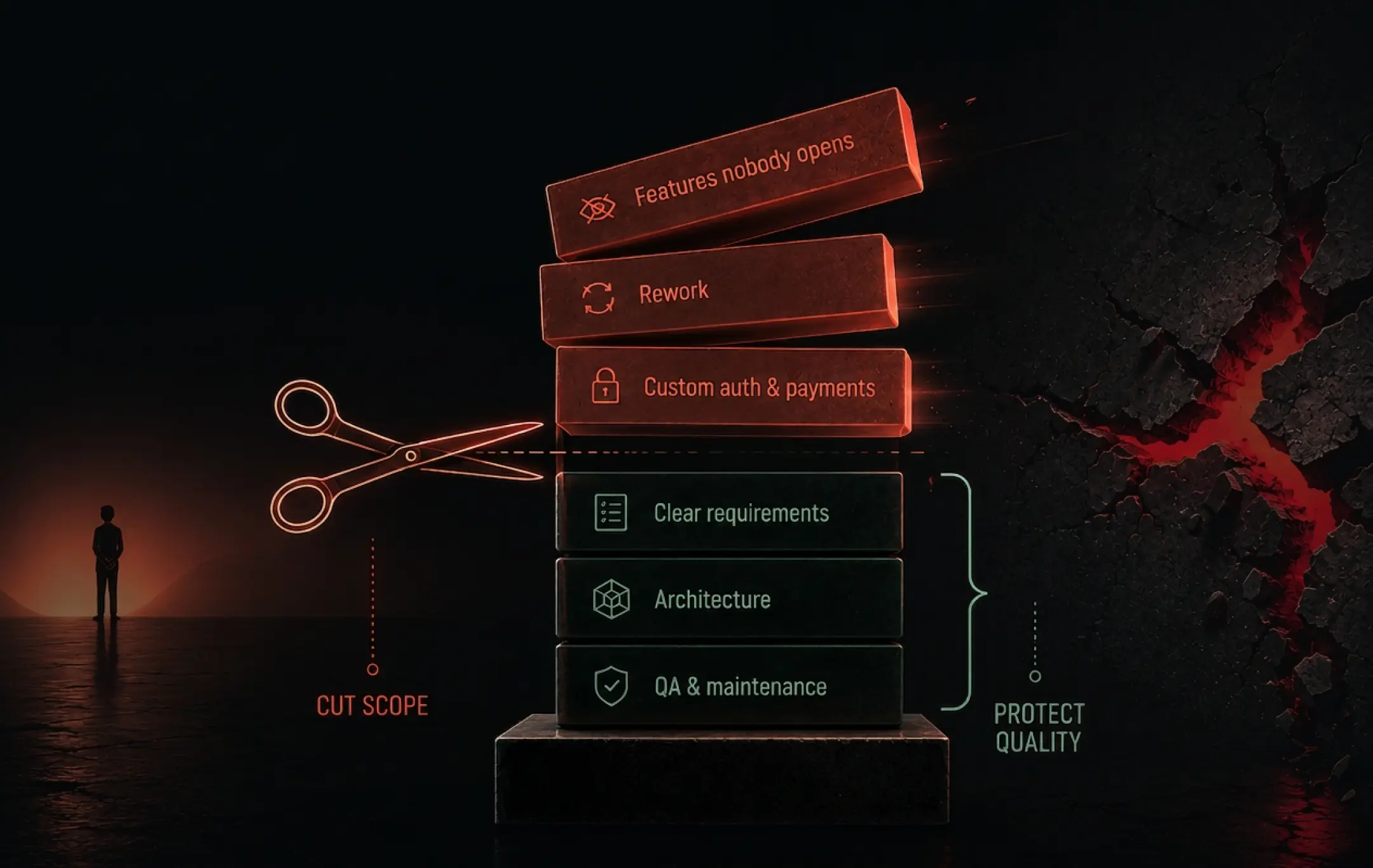
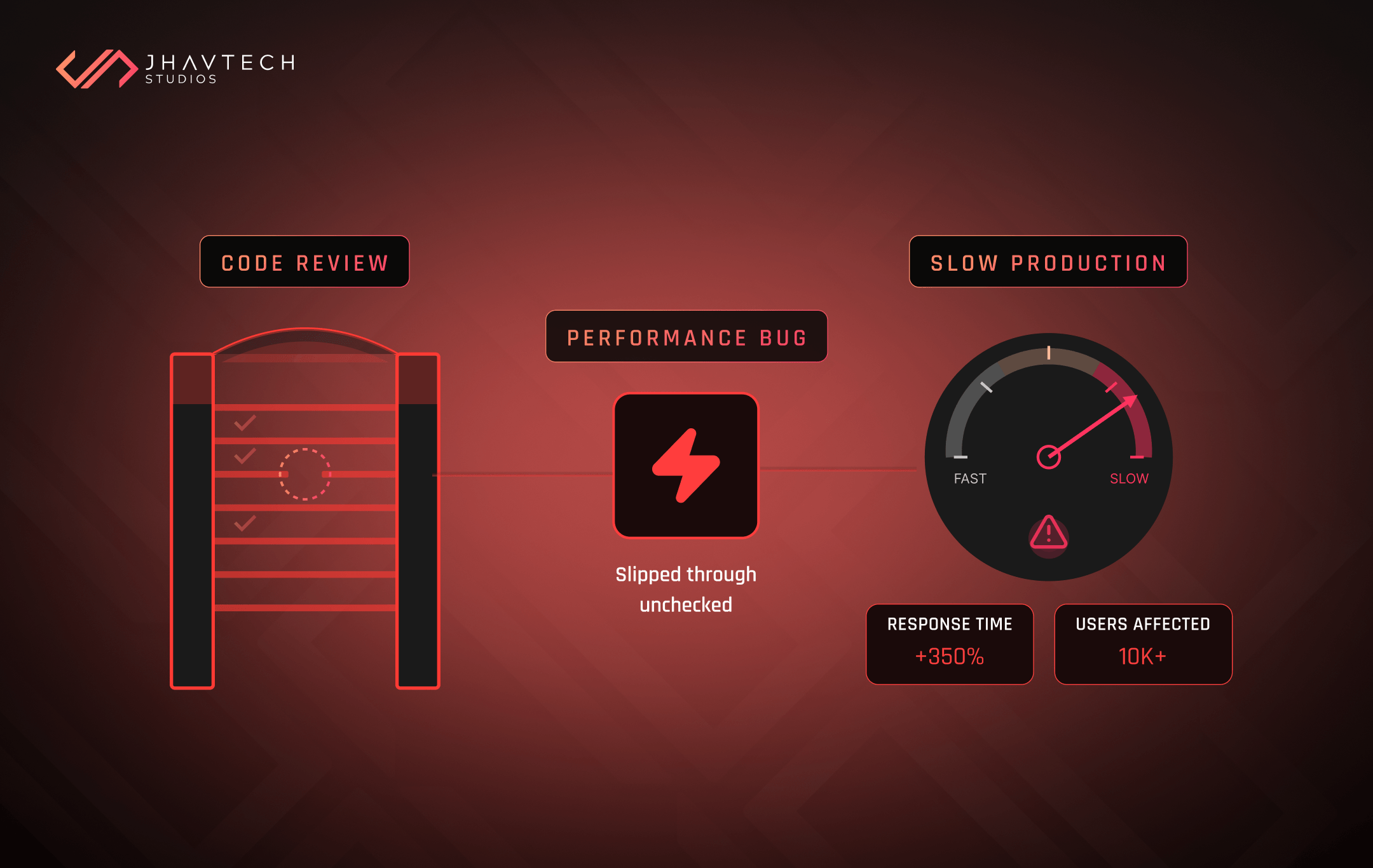
Rework is where the savings from a cheap offshore team quietly evaporate. Industry estimates put the cost of fixing a defect after release at 4 to 5 times higher than catching it during design, and up to 100 times higher once it's buried in a live production system. If a low-cost vendor skipped code review and automated testing to hit their price point, you're not avoiding that cost, you're just deferring it, with interest, to whenever the bug finally surfaces.
Rework costs also aren't limited to bug fixes. They include:
- Re-architecting features built on shortcuts that don't scale
- Rewriting undocumented modules because no one can safely extend them
- Re-running security reviews that should have happened the first time
- Re-onboarding a new team because the original developers are gone
- Re-negotiating timelines with stakeholders who were promised a launch date that quietly slipped
Each of those line items chips away at the "we saved money offshoring" narrative until it isn't really true anymore.
A Practical Checklist Before You Sign an Offshore Contract
Most of the damage in a bad offshore engagement is done before a single line of code gets written, at the vendor selection stage. A slick portfolio and a fast turnaround on your first email are not the same thing as a team that can actually deliver, and by the time you find out the difference, you're already locked into a contract and a codebase. The good news is that almost every one of the risks covered above shows up as a gap somewhere in this checklist, so a few pointed questions upfront can save you months of cleanup later.
Before committing to any offshore development partner, cheap or otherwise, run through this checklist:
[ ] Ask to see real code samples, not just a portfolio of screenshots
[ ] Confirm testing practices: automated tests, CI/CD pipelines, QA processes, not just "we test before delivery"
[ ] Request a named product owner and delivery lead, with a documented escalation path
[ ] Clarify data handling and compliance practices, especially if you operate under the Australian Privacy Act 1988, the EU's GDPR, or the US's HIPAA
[ ] Check developer retention on past projects — high turnover means knowledge walks out the door
[ ] Ask how documentation is handled: can a new team pick up the codebase without months of reverse-engineering?
[ ] Get a written breakdown of what's included in the quoted rate: QA, PM, security, and support are often separate line items
[ ] Request references from clients whose projects ran past the original timeline: how was that handled?
If a vendor can't answer most of these clearly, the cheap rate is almost certainly hiding costs somewhere else in the engagement.
What Smart Cost Optimization Actually Looks Like
None of this means offshore development is a bad idea, it's the opposite. Done properly, it's one of the most efficient ways to build software, especially for startups that need to move fast on a limited runway. The difference between a good outcome and an expensive mistake almost never comes down to geography. It comes down to governance: clear ownership, real code standards, and a partner who treats quality as part of the deliverable, not an upsell.
If you're planning a new build and want it done right from day one, it's worth working with a team built to ship reliable mobile products under real budget constraints rather than the lowest bidder in your inbox.
Frequently Asked Questions


.png)


.webp)
.webp)
.webp)
.webp)
.webp)

.webp)
.webp)

.webp)
.webp)




.png)
.png)
.png)
.png)
.png)
.png)
.png)
.png)
.png)
.png)
.png)
.png)


.png)

.png)

.png)


.png)
.png)
.png)
.png)
.png)
.png)
.png)
.png)
.png)
.png)
.png)

.png)
.png)
.png)
.png)
.png)
.png)
.png)
.png)
.png)

.png)
.png)
.png)
.png)
.png)
.png)
.png)