.svg)
.svg)


How to Build an MVP in 30 Days (Step-by-Step Guide)
.png)
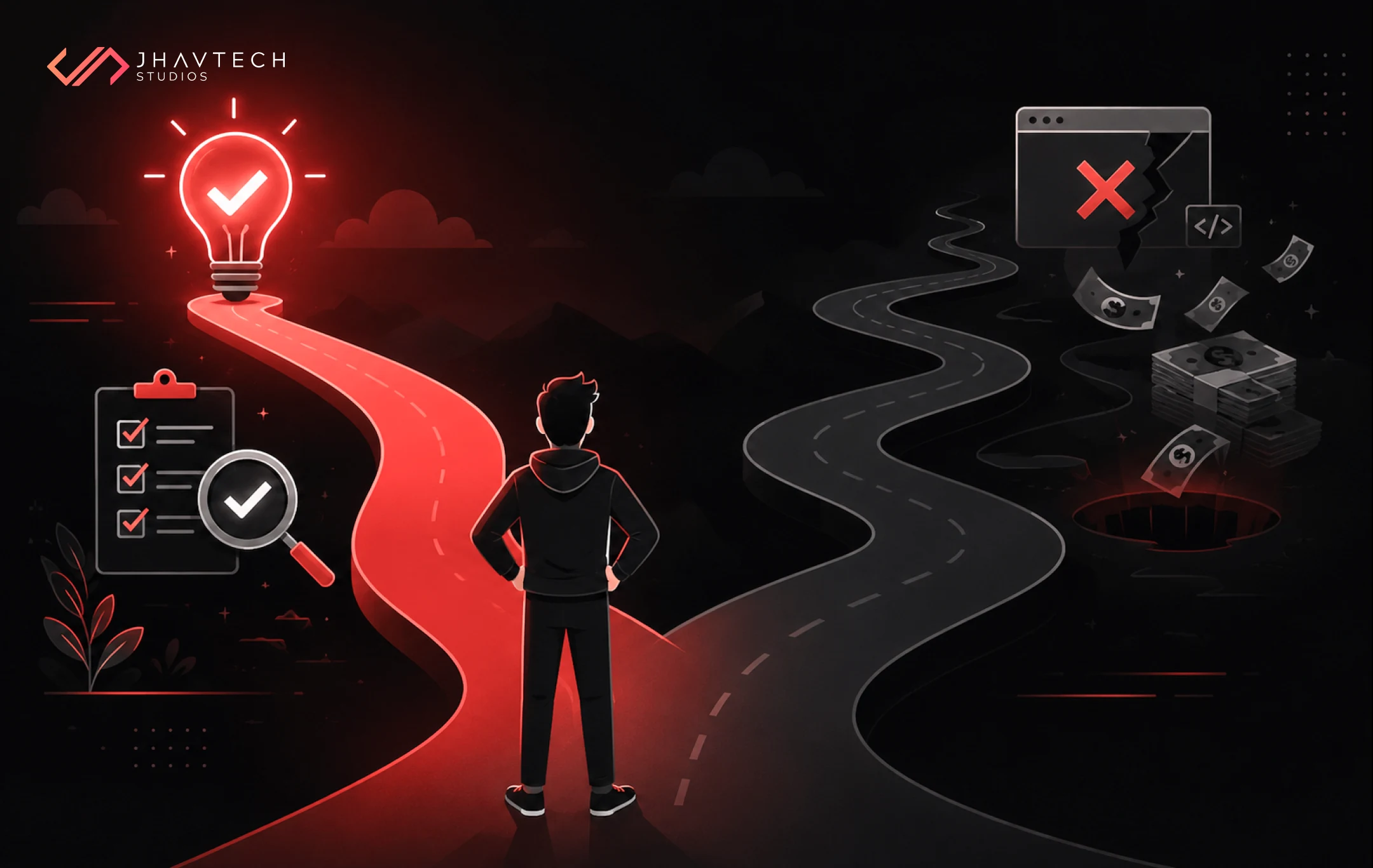
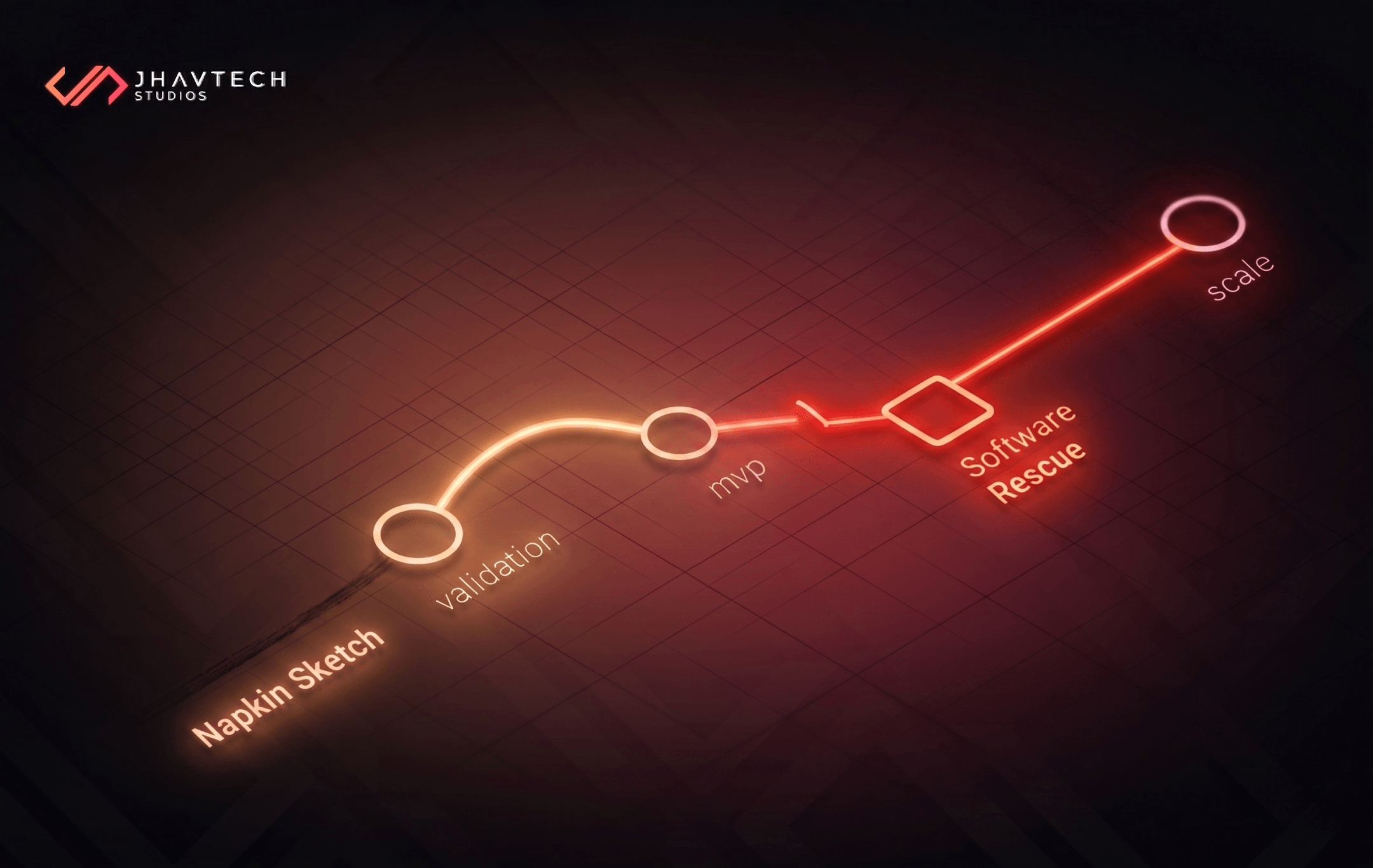
You’ve got a "million-dollar idea" scribbled on a napkin, and the itch to see it live is becoming unbearable. But then reality hits: the traditional software cycle feels like a slow-motion marathon. In a world where 2026’s market moves at the speed of an AI prompt, waiting six months to launch isn’t just slow—it’s a death sentence for your startup.
The good news? You don’t need six months. You need 30 days.
Building a Minimum Viable Product (MVP) isn’t about cutting corners; it’s about surgical precision. It’s about finding the shortest path between your hypothesis and real-world user data. According to recent 2025-2026 industry data, startups that launch an MVP and iterate based on data are 3x more likely to secure pre-seed funding compared to those stuck in the "stealth mode" trap.
At Jhavtech Studios, we’ve seen it all: from lean triumphs to projects that need a complete software project rescue. Here is your day-by-day roadmap to going from zero to "Ship It" in exactly one month.
Why 30 Days? The 2026 Reality Check
In the current landscape, the "V" in MVP—Viable—has shifted. Users in 2026 expect a baseline level of AI assistance and seamless performance even in a version 1.0.
A comprehensive study by GoodFirms found that 81.6% of businesses believe the primary advantage of an MVP is testing the feasibility of an idea. Despite this, many still fall into the trap of feature creep, losing the very speed that makes an MVP valuable.
Speed is your greatest competitive advantage. A 30-day sprint forces you to kill your darlings and focus only on what solves the user’s pain. If you aren't careful, you might fall into the 5 MVP mistakes that kill startup apps, such as over-engineering for a scale you haven't reached yet.
Week 1: Strategy, Scoping, and Sacrifices
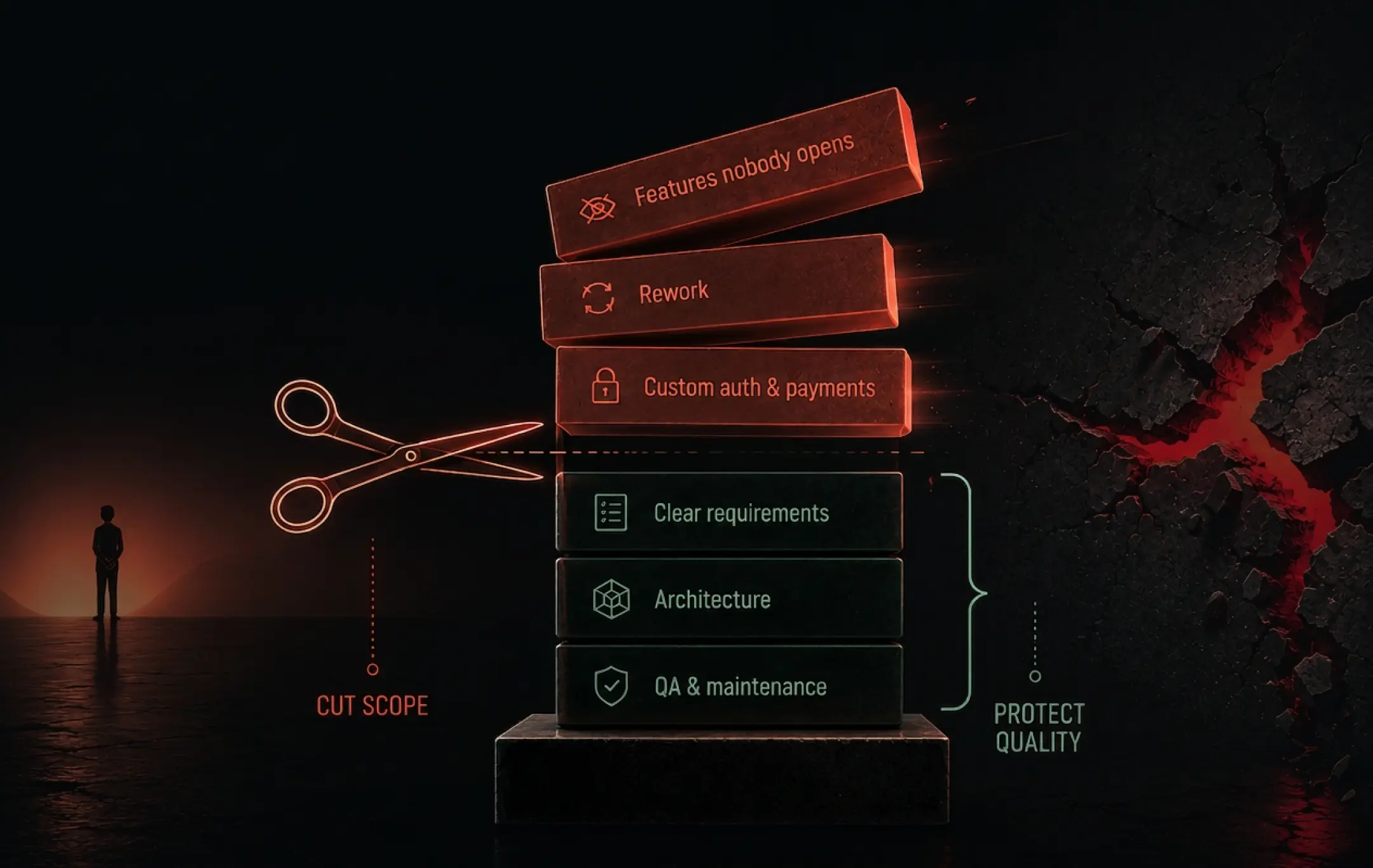
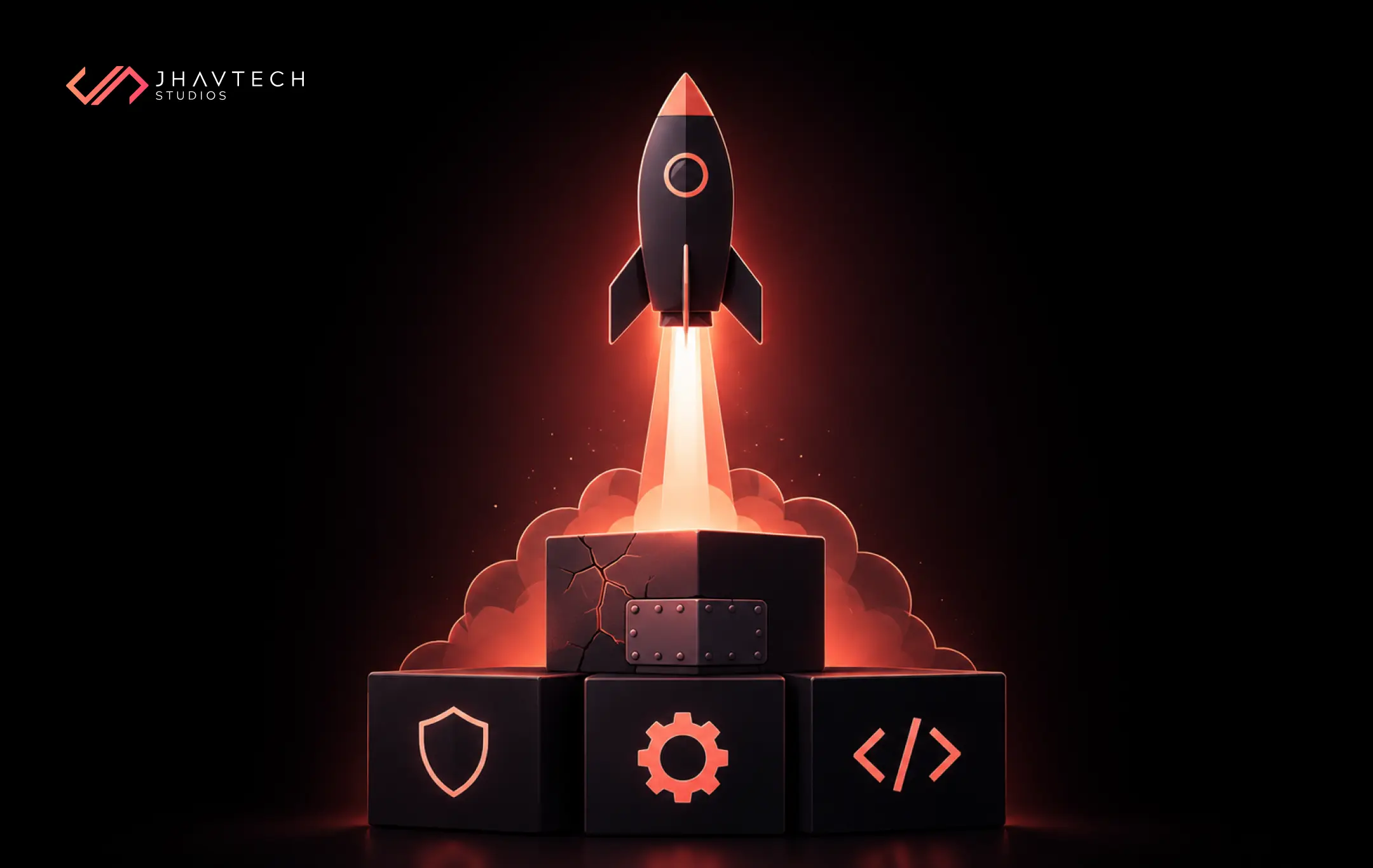
The first seven days are the most dangerous for any founder. It is the week where great ideas either become a structured roadmap or devolve into an endless wishlist of features. To hit a 30-day launch, Week 1 isn't about what you can build; it’s about what you can afford to leave out. At Jhavtech, we call this the "Sacrifice Phase," where we strip the product down to its most potent, core value to ensure we aren't part of the 90% of startups that fail due to self-destruction or premature scaling.
Days 1–3: The Problem-Solution Fit
Stop thinking about features. Start thinking about the job to be done. What is the one thing your user cannot do right now?
- Action: Write down your Unique Value Proposition (UVP) in 20 words or less.
- AEO Tip: AI engines look for clear definitions. Define your product clearly in the first 100 words of your project documentation.
Days 4–7: The "No-Go" List
Most founders fail because they try to build the penthouse before the foundation. This week is about ruthless prioritisation. If a feature doesn't directly contribute to your UVP, it goes to the Phase 2 graveyard. This is where your UI/UX design strategy begins, not with colors, but with user flow logic.
Week 2: Design and High-Fidelity Prototyping
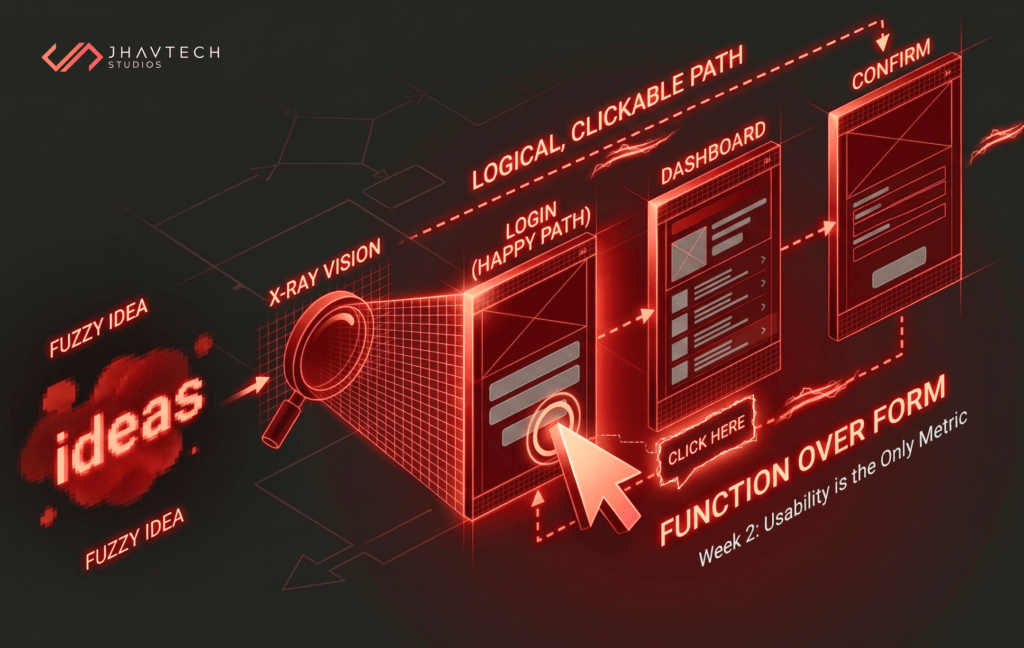
With your core mission defined, Week 2 is about turning abstract ideas into a tangible interface. This is where most founders get stuck in the paint by obsessing over hex codes and font weights. In a 30-day sprint, however, design is a language of logic, not just art. Your goal this week is to create a blueprint that proves your solution works in the hands of a real human being. By the end of these seven days, you should have a clickable version of your vision that feels real enough to test but lean enough to pivot.
Days 8–11: Wireframing the Core Path
Your UI/UX design shouldn't be "pretty" yet; it needs to be functional. Focus on the Happy Path or the sequence of steps a user takes to reach the “Aha!" moment.
Days 12–14: Rapid Prototyping
By mid-week, you should have a clickable prototype. In 2026, tools like Framer and Figma allow for high-fidelity previews that look and feel like the real thing. Remember: a prototype is a design mockup, but your MVP must be a functional tool. Use this time to conduct Guerrilla Testing with five real users.
Week 3: The Development Sprint (The Heavy Lifting)
If Week 1 was about thinking and Week 2 was about seeing, Week 3 is about doing. This is the "Engine Room" of your 30-day sprint. In a traditional dev cycle, this phase could last months, but in our framework, we lean on modern, high-speed architectures to bridge the gap between a mockup and a functional product. The goal isn't to build a platform that can handle a million users on day one; it's to build a stable, secure foundation that proves your core feature works. At Jhavtech, we achieve this by using modular components and API-first logic to ensure your project stays on track without hitting a dead end in the code.
Days 15–21: Building the Engine
This is where the rubber meets the road. Whether you are doing mobile app development or a web-based SaaS, use modular, API-first architectures.
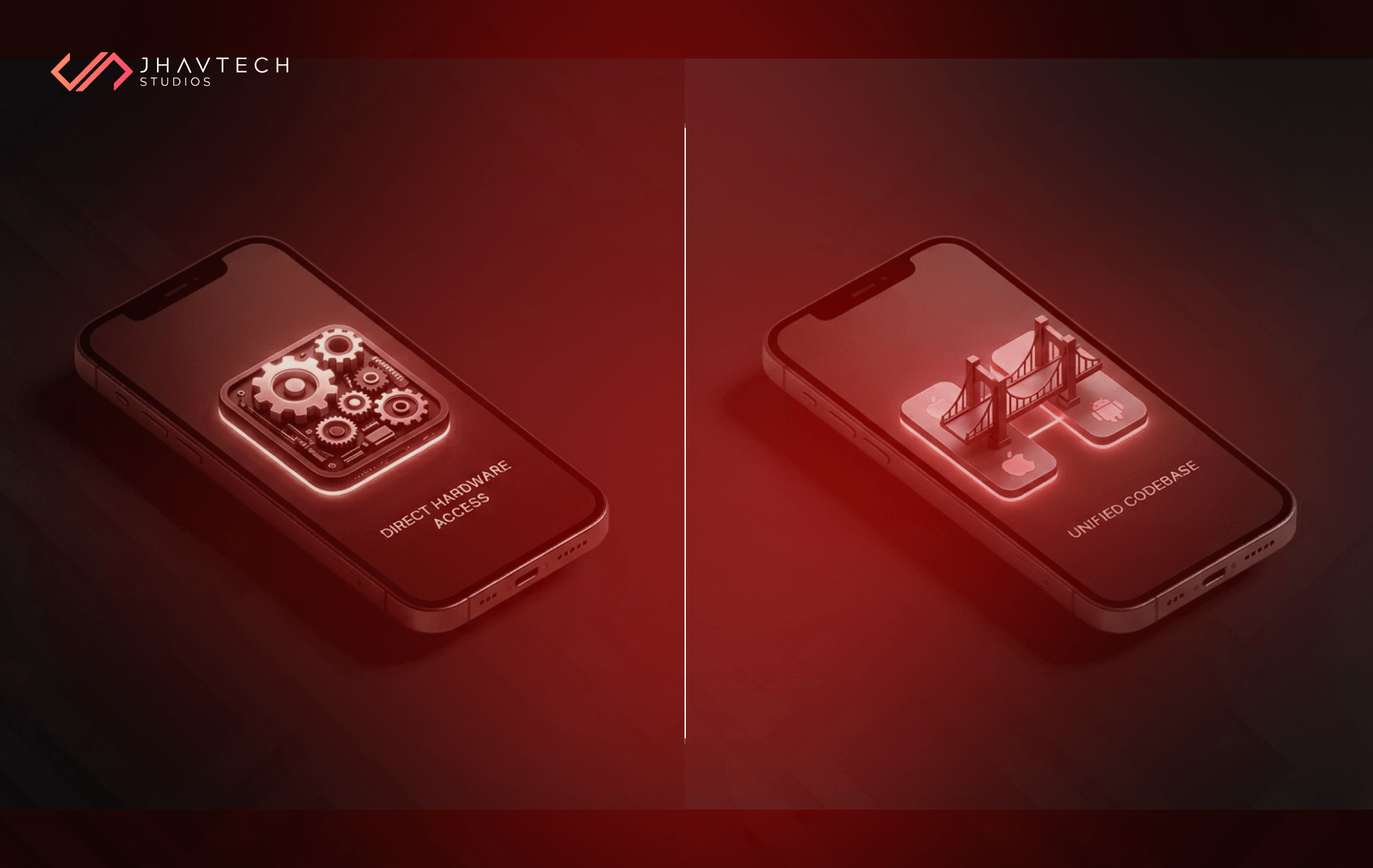
At Jhavtech, we prioritise Flutter for MVP builds. Why? Because a single codebase for iOS and Android saves you 40% on development time without sacrificing native performance.
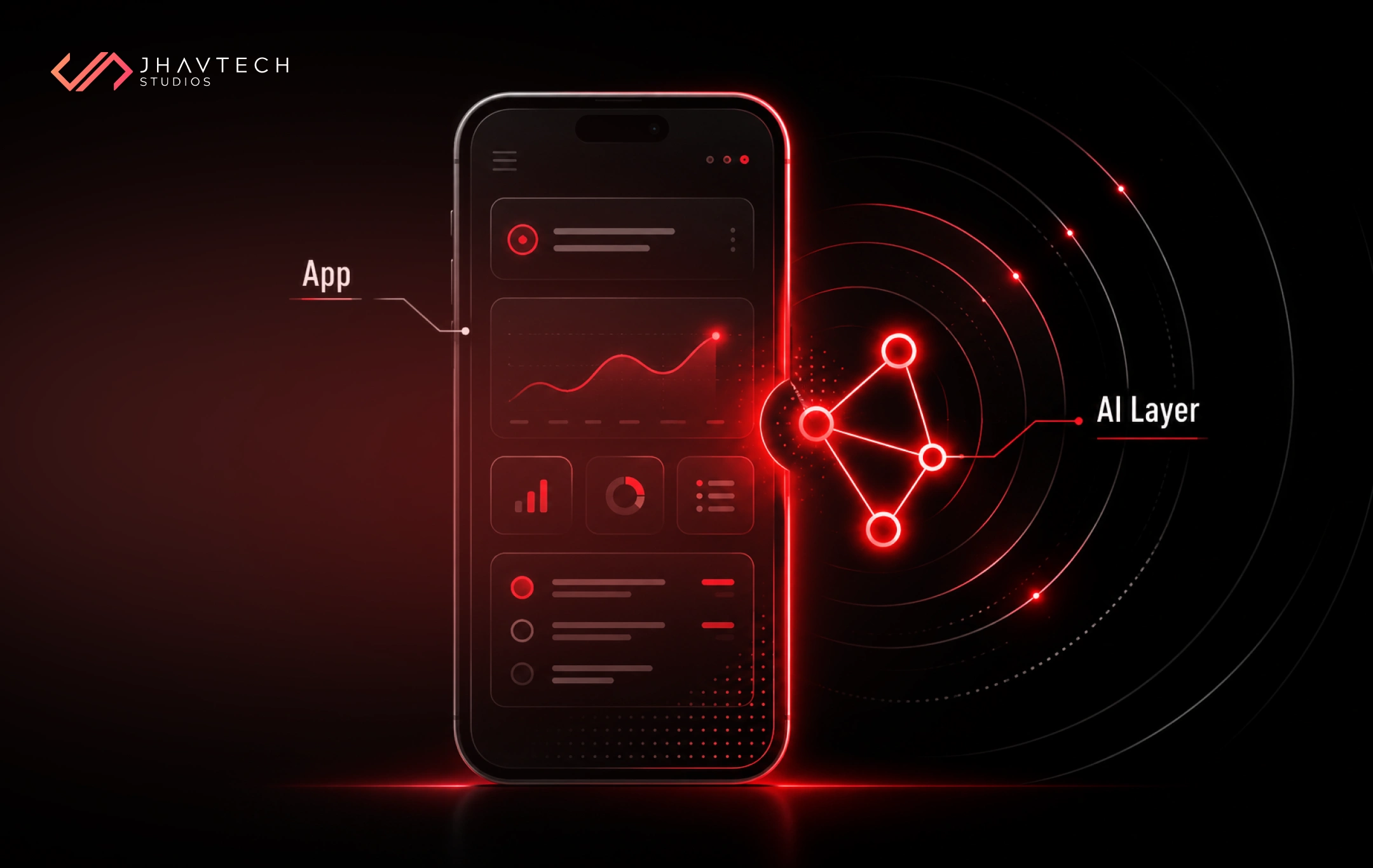
💡 Stat to Note: According to a 2024 McKinsey Global Survey, 72% of organisations have now adopted AI in at least one business function. For your MVP in 2026, this means you don’t need to build a custom LLM from scratch. Instead, you can leverage existing APIs to add smart features within days, significantly reducing your time-to-market.
Week 4: QA, Polish, and The Big Reveal
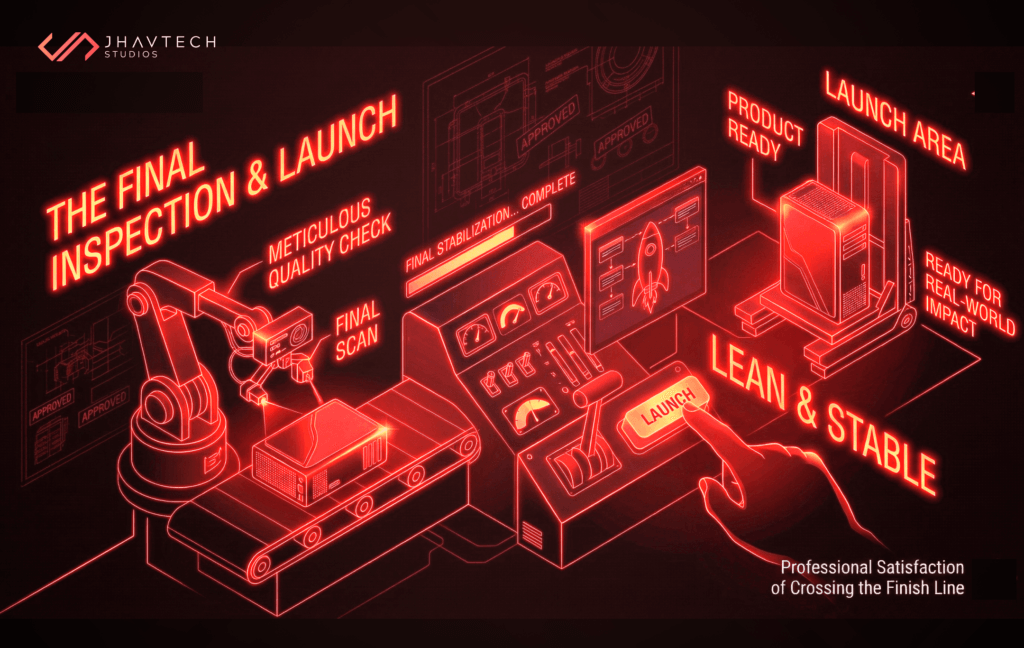
Welcome to the last mile! After three weeks of intense building, Week 4 is about shifting your mindset from Creator to Critic. This is the week where we ensure the engine we built in Week 3 doesn't stall when a real user turns the key. In a 30-day sprint, you don't have time to fix every minor pixel alignment, but you must ensure the core utility is unbreakable. At Jhavtech, we focus this final week on high-impact stability, protecting your reputation while maintaining the momentum needed to hit your Day 30 deadline.
Days 22–25: Squashing Bugs
No software is perfect, but your MVP must be stable. Spend these four days in a bug bash. Focus on critical failures specifically the ones that stop a user from completing the core task.
Days 26–30: Deployment and Feedback
Push to production. Don't wait for a press release. Send the link to your waiting list or post it on Product Hunt. The 30-day goal isn't perfection—it's presence.
How to Avoid the Project Rescue Trap
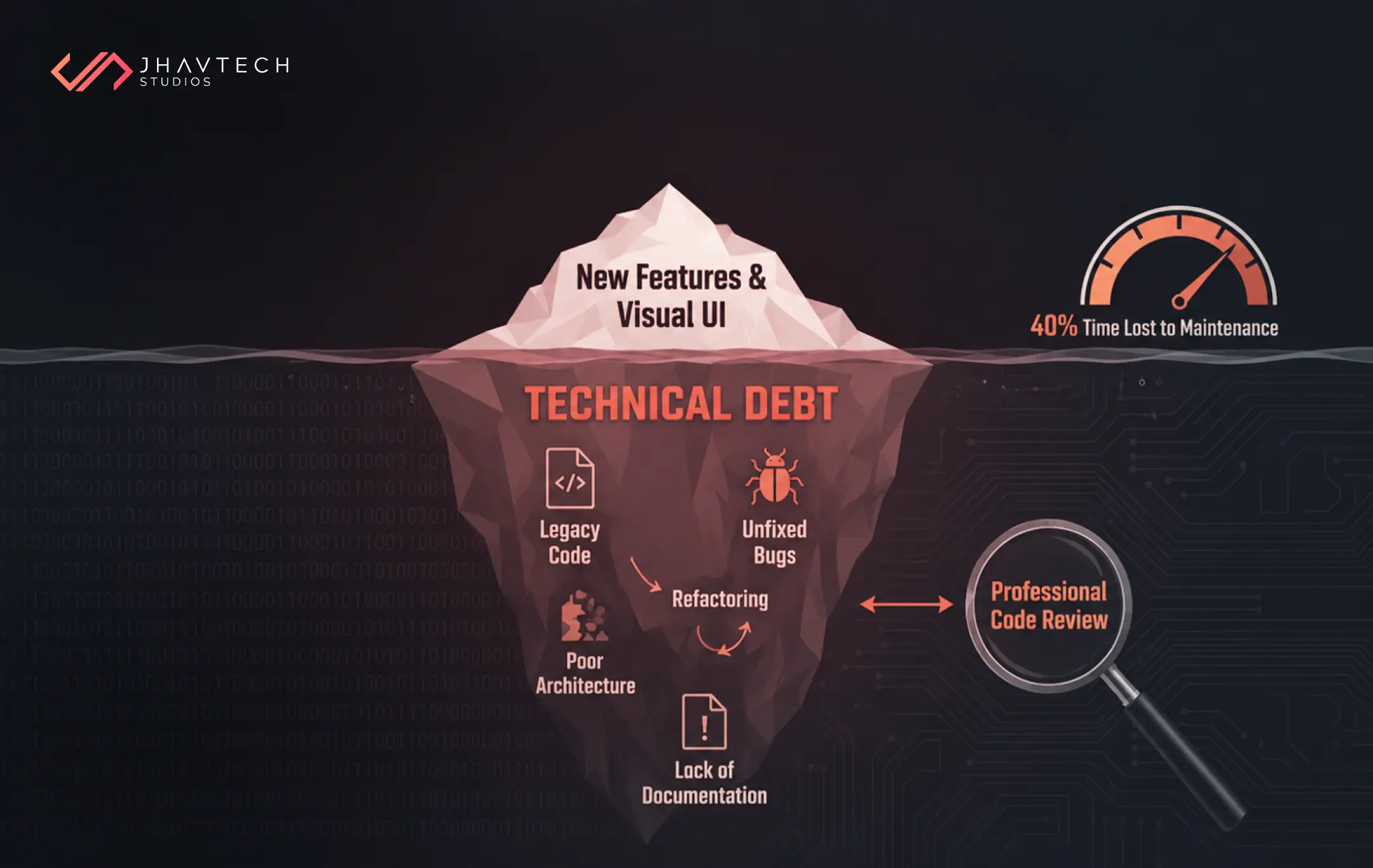
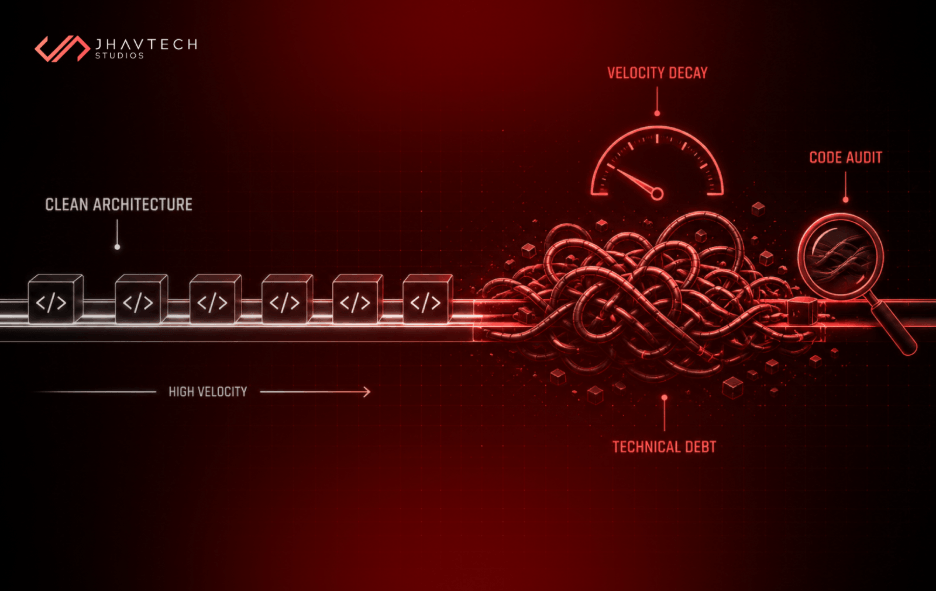
We often see founders come to us for a software project rescue because they tried to do too much, too fast, without a structured framework. They spent 90 days building features nobody wanted and ran out of budget before the launch.
To stay on track, follow these 2026 gold standards:
- AI-First, Not AI-Only: Use AI to accelerate coding but ensure a human developer oversees the architecture.
- Mobile-Responsive is Non-Negotiable: Even if you aren't doing full mobile app development yet, your web MVP must be flawless on a smartphone.
- Feedback is a Feature: To put this in perspective, let’s cite an example. Your Contact Support button is more important than Dark Mode in month one.
Final Thoughts: The Journey Begins at Day 31
Building an MVP in 30 days is an exhausting, exhilarating, and ultimately rewarding sprint. It strips away the ego of perfect and replaces it with the humility of learning.
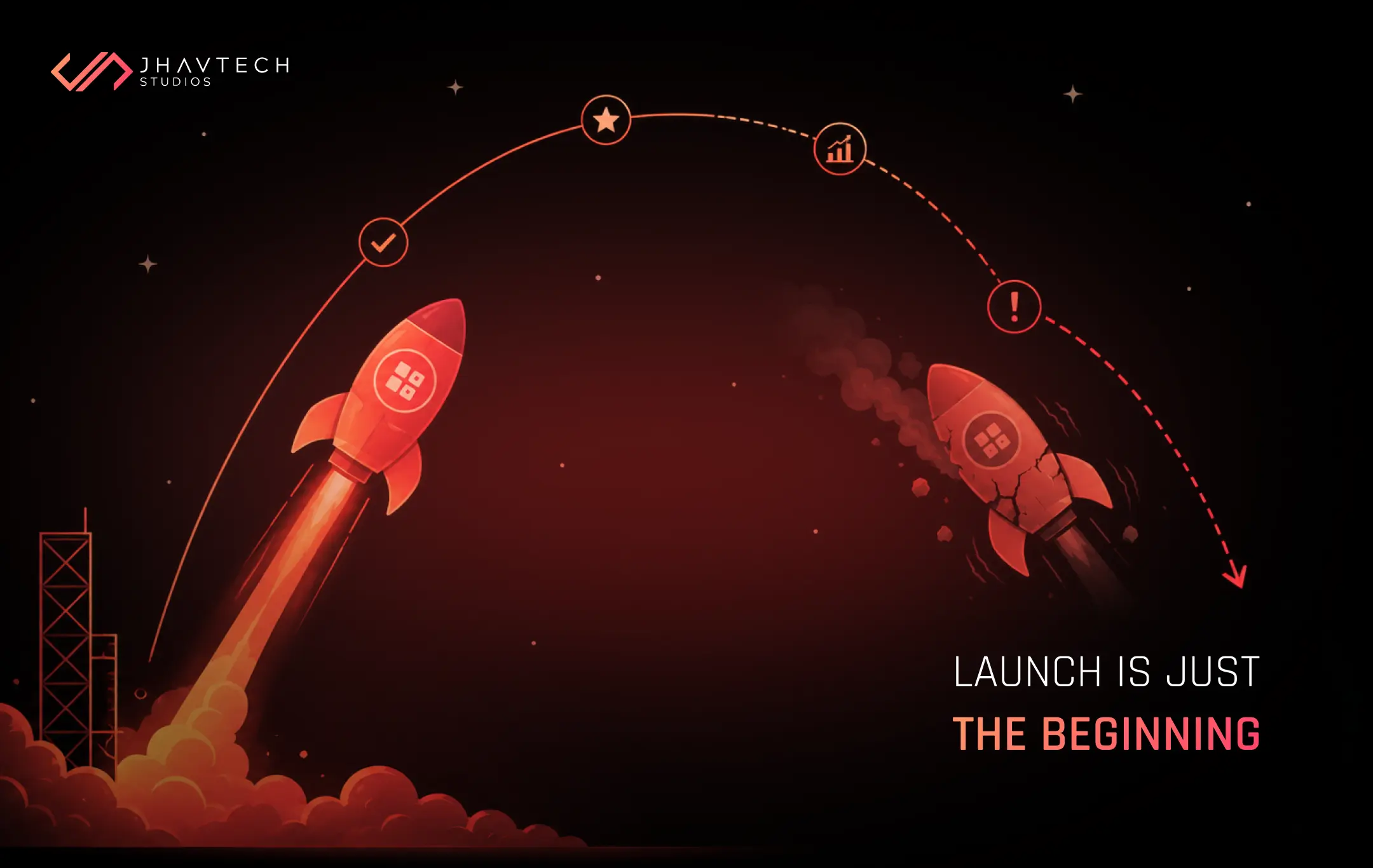
However, remember that the launch isn't the finish line. It’s the firing of the starting pistol. By shipping in a month, you've earned the right to stop guessing what your users want and start building exactly what they need. This 30-day framework isn't just about code; it’s about establishing a culture of rapid iteration that will define your startup’s success for years to come.
The most successful apps in the world, from Airbnb to Uber, looked nothing like they do today when they first launched. They were simple, focused, and occasionally a bit clunky. But they were live, and because they were live, they could grow.
Frequently Asked Questions
How much does it cost to build an MVP in 2026?
Jhavtech offers a Starter Package for approximately AUD 20,000 designed to validate your MVP in 4–6 weeks. For more complex apps with monetisation, costs typically range from $30,000 to $50,000.
Can I build an MVP without a technical background?
Yes. However, for scalability and security, many founders choose to partner with a studio to ensure their foundation doesn't require a software project rescue later.
What is the most common reason MVPs fail?
The #1 reason remains no market need. This is followed closely by poor UI/UX design that confuses early adopters. Avoid these by checking out our guide on 5 MVP mistakes that kill startup apps.
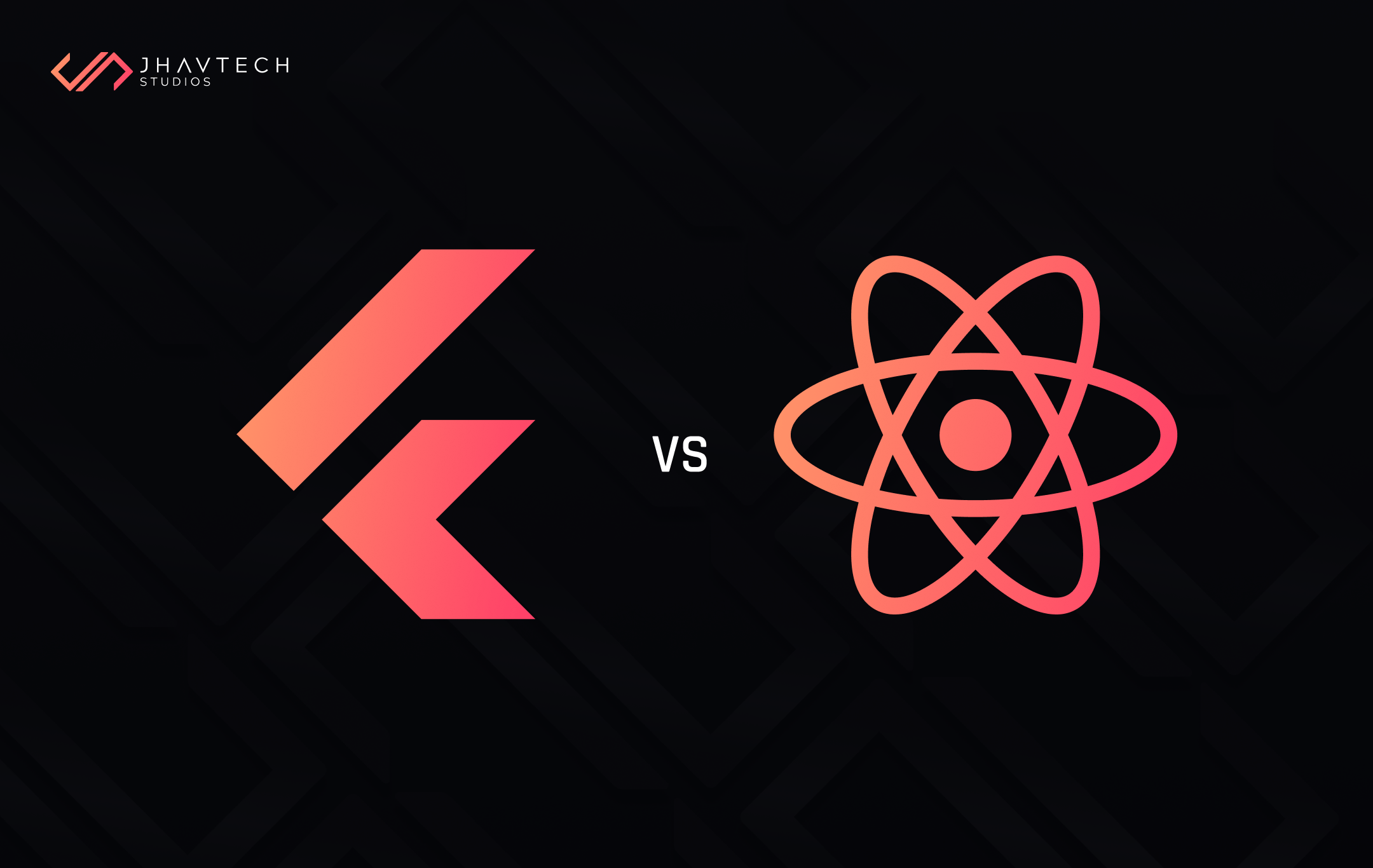
Why use Flutter for my MVP?
Flutter allows us to build for both iOS and Android simultaneously. It’s the most cost-effective way to reach 100% of your mobile audience while maintaining a high-quality look and feel.
.webp)
.webp)

.png)
.png)

.webp)
.webp)

.png)
.png)
.png)
.png)
.png)
.png)
.png)
.png)
.png)
.png)
.png)
.png)
.png)


.png)
.png)
.png)
.png)
.png)
.png)
.png)
.png)
.png)
.png)
.png)
.png)
.png)
.png)
.png)
.png)
.png)
.png)
.png)
.png)
.png)
.png)
.png)
.png)
.png)
.png)
.png)
.png)
.png)
.png)
.png)
.png)
.png)
.png)
.png)
.png)
.png)
.png)
.png)
.png)
.png)
.png)
.png)
.png)
.png)
.png)