.svg)
.svg)


If Your Project Is Behind Schedule by 3+ Weeks, Read This: Your Guide to Software Project Rescue
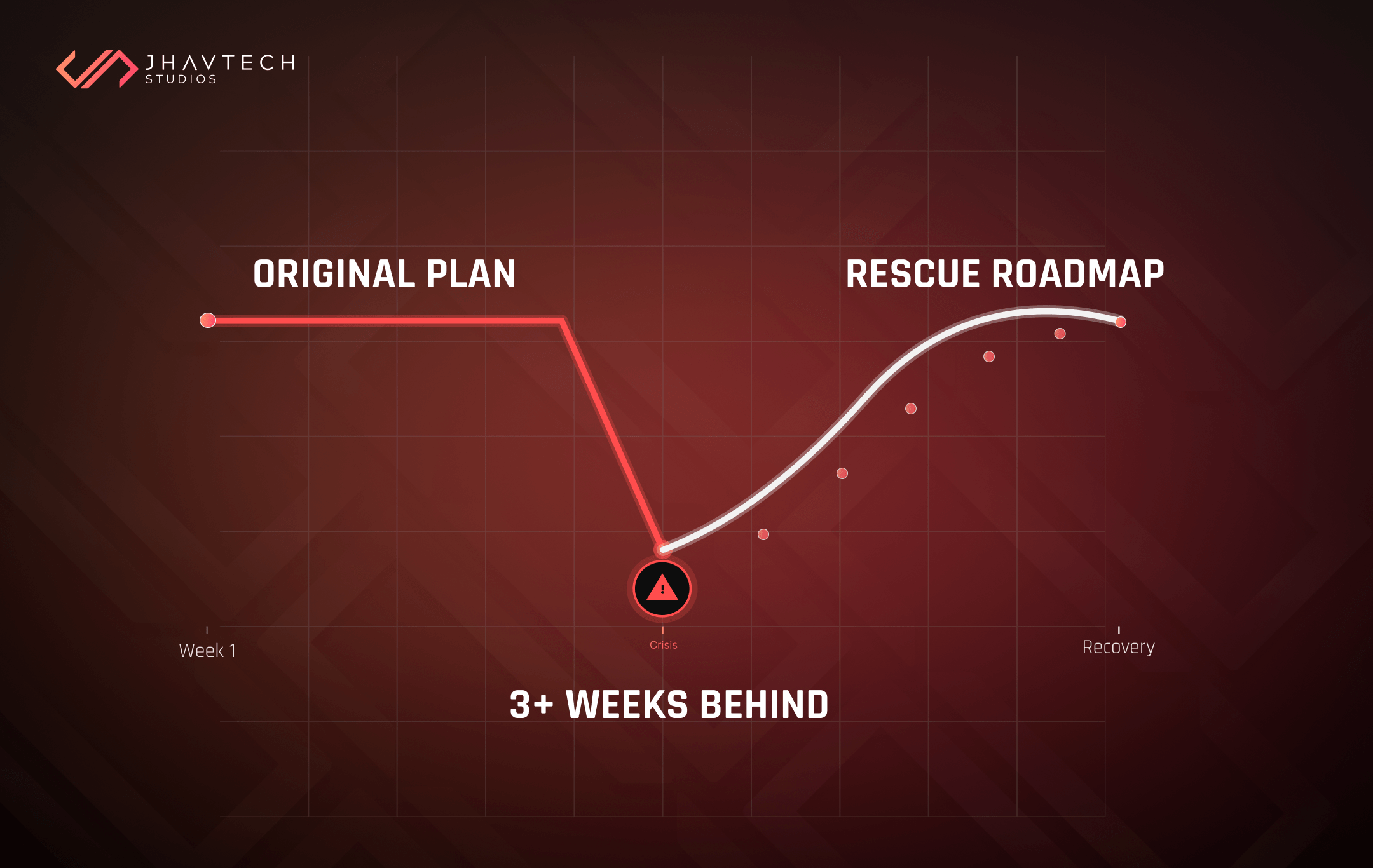
Are you feeling that familiar knot in your stomach? That growing dread as you check your project timeline and realise it's not just a little off, it's significantly behind? If your software project has slipped by three weeks or more, you're not alone. This isn't just a minor blip; it's a critical juncture that demands immediate action. Ignoring it could mean spiraling costs, missed market opportunities, and ultimately, project failure. But here's the good news: this isn't necessarily the end. It's often the beginning of a successful software project rescue.
Every year, countless projects face similar challenges. According to the Project Management Institute (PMI), a significant percentage of projects fail to meet their original goals or budget. While exact figures vary, studies consistently show that project failure rates due to scope creep, unrealistic deadlines, and poor planning are high. For instance, a report by the Standish Group consistently points to a high percentage of IT projects being challenged or outright failed. The average cost of a failing project can be astronomical, not just in terms of financial outlay but also in lost productivity and damaged morale.
If you are asking what to do when your project is behind schedule, this article will guide you through understanding why projects derail, how to identify the signs of a failing software project, and most importantly, provide a clear roadmap for a successful software project recovery.
The Early Warning Signs: Beyond the Obvious Delay
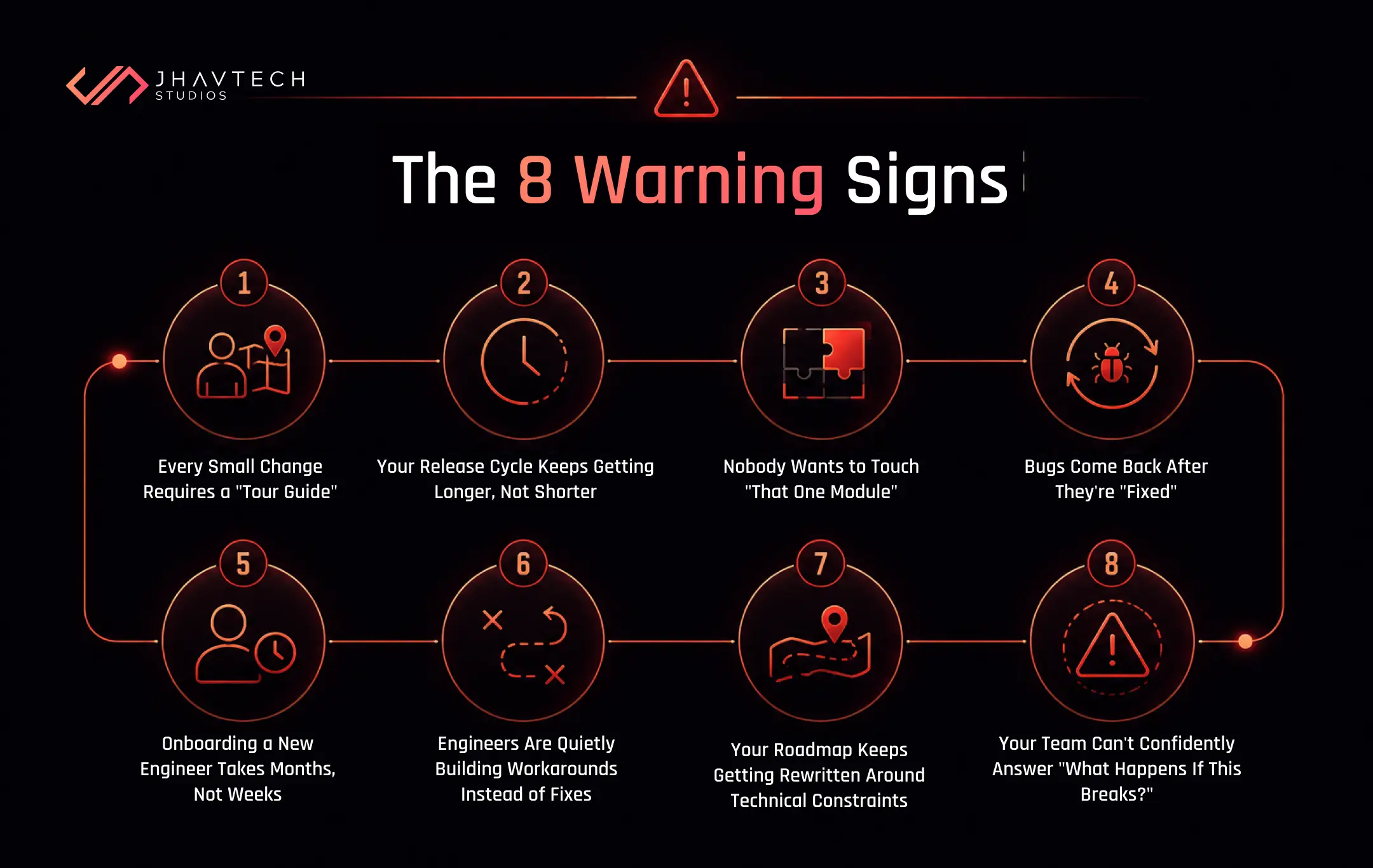
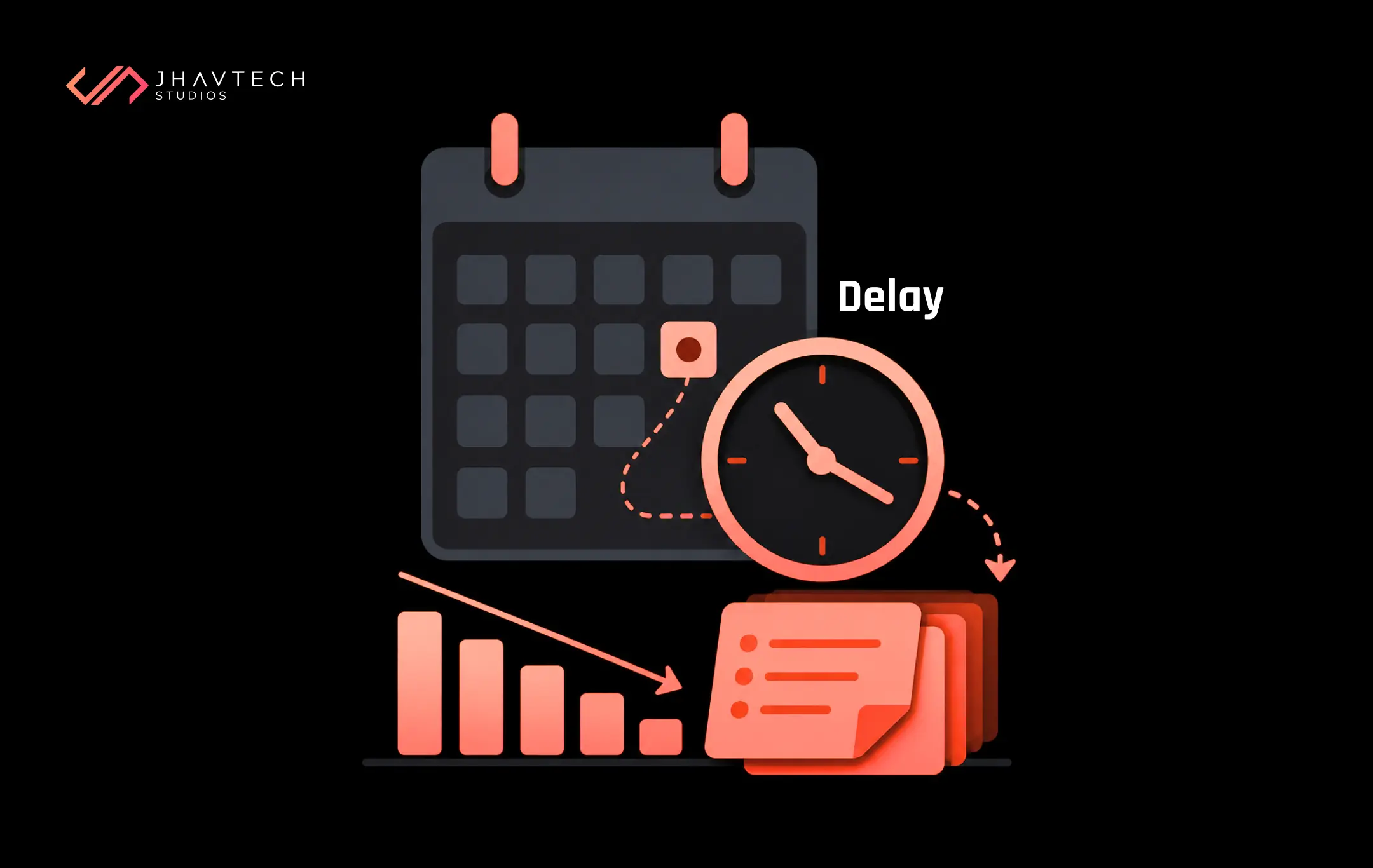
It’s easy to spot a project that's 3+ weeks behind schedule on a Gantt chart. But true leaders and project managers learn to identify the subtle, often ignored, precursors. What might look like minor hiccups can quickly escalate into a full-blown crisis requiring professional software project rescue.
Think about it:
- Persistent Missed Milestones: Are minor deadlines constantly being pushed back?
- Budget Overruns (Even Small Ones): Are costs creeping up faster than anticipated, even for seemingly minor tasks?
- Communication Breakdown: Is information flow becoming sluggish or unclear between team members, or worse, between the team and stakeholders?
- Declining Team Morale: Do team members seem disengaged, frustrated, or overworked? High turnover within the project team is a huge red flag.
- Increasing Scope Creep: Are new features or requirements being added without proper change control processes or adjustments to the timeline and budget? This is a classic indicator of a future failing software project.
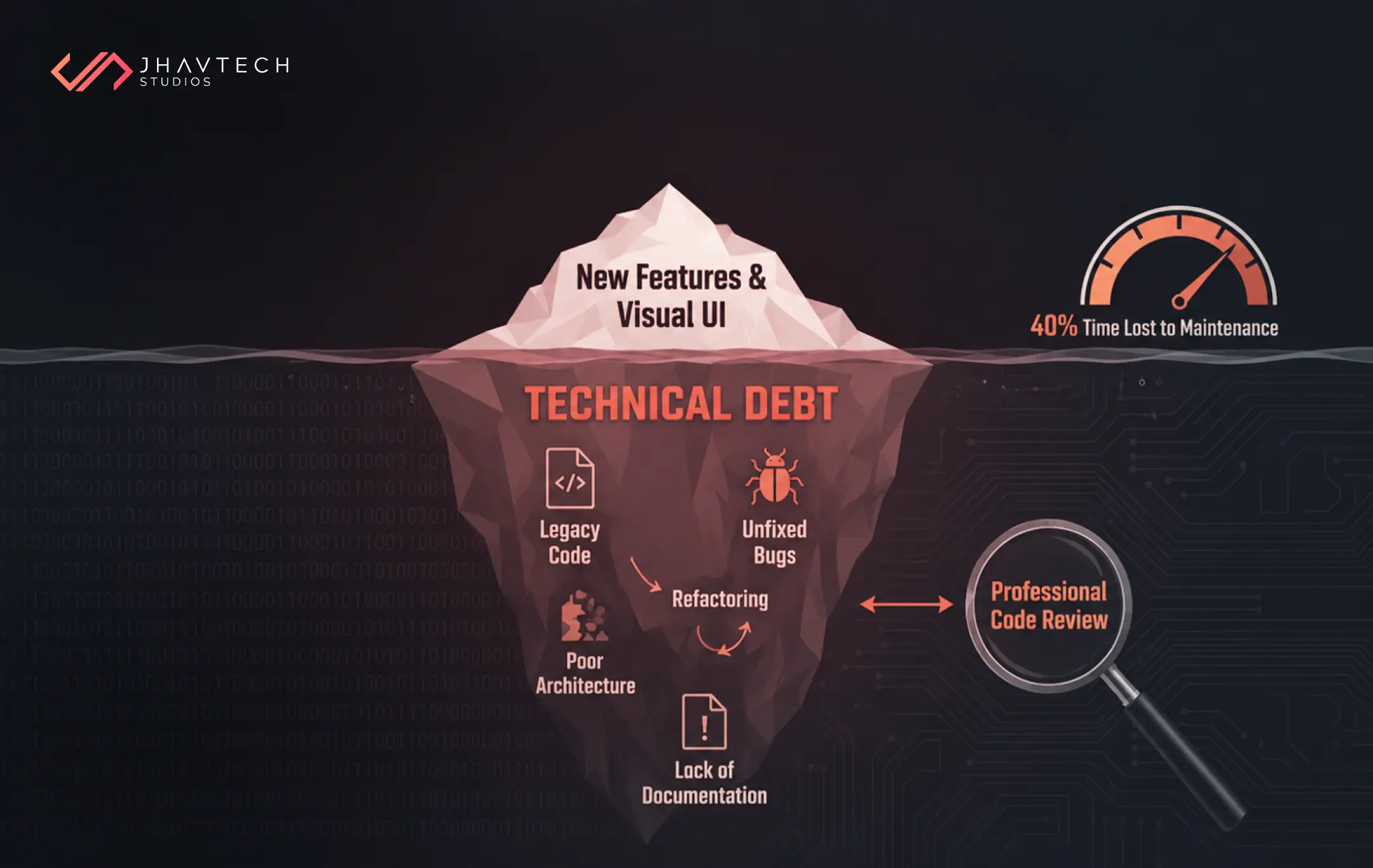
- Technical Debt Accumulation: Are corners being cut in development, leading to quick fixes that will cause bigger problems later? A lack of thorough code review can contribute significantly to this.
Recognising these issues early is paramount. The longer you wait, the more entrenched the problems become, making a full-scale software project rescue exponentially more difficult and expensive.
Why Do Good Projects Go Bad? Common Pitfalls
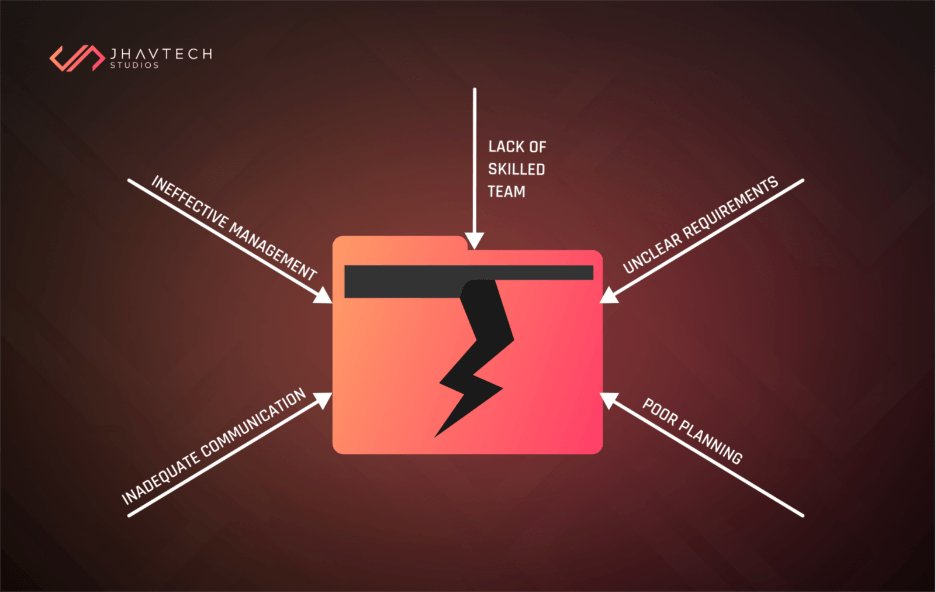
Understanding the root causes of project delays is crucial for effective software project recovery. It's rarely a single issue, but often a combination of factors.
- Unclear or Changing Requirements: This is perhaps the most common culprit. If the goalposts keep moving, how can the team ever hit them? Vague initial specifications or constant, unmanaged changes can quickly derail even the most robust plans.
- Poor Planning and Estimation: Overly optimistic timelines, insufficient resource allocation, and a lack of detailed task breakdowns are recipes for disaster.
- Lack of Skilled Resources: A project is only as strong as its team. If you lack the right expertise, or if team members are overloaded, quality and speed will suffer. This is where strategic IT consulting can provide a vital external perspective and inject necessary skills.
- Ineffective Project Management: Weak leadership, poor risk management, and an inability to adapt to challenges can doom a project. A project manager's role is to foresee and mitigate issues, not just react to them.
- Technical Challenges and Legacy Systems: Sometimes, the technology itself poses unforeseen hurdles. Integrating with older systems or grappling with complex new technologies can introduce significant delays.
- Inadequate Communication: As mentioned, poor communication within the team, with stakeholders, and with vendors leads to misunderstandings, duplicated efforts, and missed information.
The Critical Crossroads: What to Do When Your Project Is Behind Schedule
You've identified the signs, and your project is indeed 3+ weeks behind. Now what? This is the moment to seriously consider external expertise. While your internal team might be brilliant, they could be too close to the problem, too stretched, or simply lack the specialised experience in turning around a deeply troubled project. If you are struggling with what to do when your project is behind schedule, remember that getting help is a sign of strength, not failure.
A specialised software project rescue team brings:
- Objective Assessment: An impartial view of the situation, free from internal politics or emotional attachment. They can pinpoint the actual problems, not just the symptoms.
- Specialised Expertise: Experience specifically in diagnosing and fixing broken projects. They've seen it all before.
- Fresh Perspectives: New ideas and strategies that an internal team, entrenched in the current issues, might overlook.
- Accelerated Action: The ability to quickly implement corrective measures and stabilise the project.
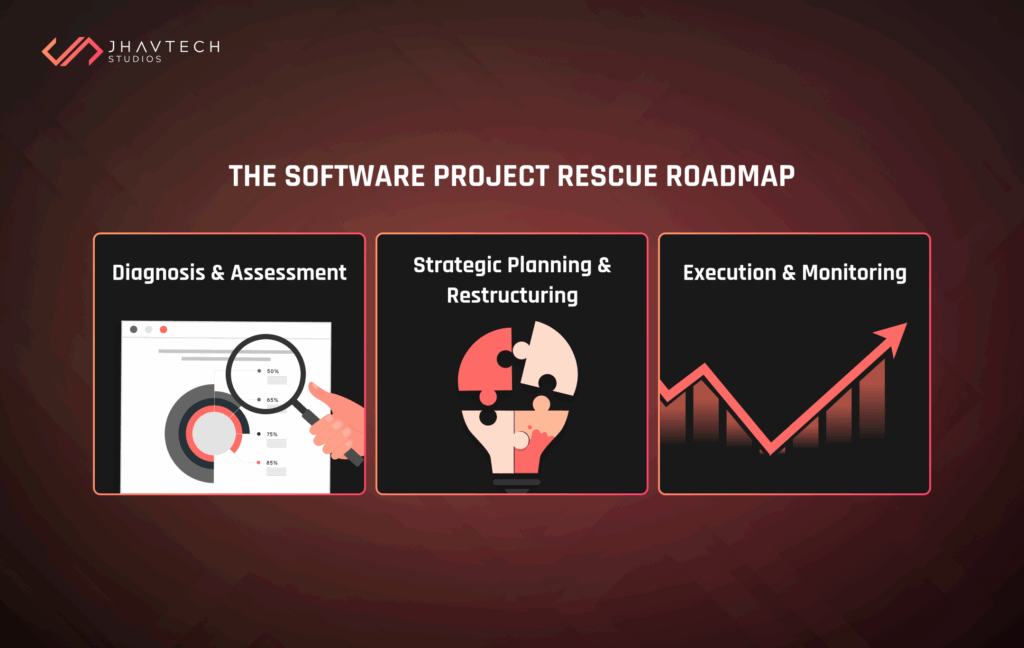
The Software Project Rescue Roadmap: How to Rescue a Failing Software Project
So, how to rescue a failing software project? While every project is unique, a structured approach is key.
Phase 1: Diagnosis and Assessment
- Comprehensive Project Audit: A deep dive into all aspects of the project: scope, requirements, budget, timeline, team structure, technical architecture, and existing documentation. This often includes a thorough code review to identify technical debt or quality issues.
- Stakeholder Interviews: Gathering perspectives from everyone involved, from the development team to end-users and executive sponsors.
- Root Cause Analysis: Identifying why the project went off track, not just what went wrong.
- Risk Assessment: Identifying current and potential future risks.
Phase 2: Strategic Planning & Restructuring
- Realistic Project Plan: Developing an achievable new timeline, budget, and scope, potentially with revised objectives.
- Resource Reallocation: Ensuring the right people are working on the right tasks, potentially bringing in additional expertise or leveraging existing team members more effectively.
- Process Improvement: Implementing better methodologies, communication protocols, and change management procedures. This might involve adopting agile practices or streamlining existing workflows.
- Technology & Architecture Review: Proposing necessary changes to the technical approach, including modernising systems or adopting new frameworks. For instance, sometimes implementing robust DevOps solutions can significantly improve deployment speed and stability, thereby accelerating recovery.
Phase 3: Execution and Monitoring
- Stabilisation: Immediately addressing critical issues to stop the bleeding and bring the project back to a stable state.
- Re-energised Development: Working alongside your team to implement the new plan, focusing on quick wins to restore morale and demonstrate progress.
- Continuous Monitoring: Closely tracking progress against the revised plan, holding regular check-ins, and adapting as needed. This includes establishing clear KPIs and reporting mechanisms.
- Knowledge Transfer: Ensuring your internal team gains the skills and processes to maintain the project's health post-rescue. This often extends to implementing robust maintenance and support frameworks to prevent future issues.
Success Stories: When Software Project Rescue Pays Off
It’s easy to feel overwhelmed, especially when you feel like you've invested too much to quit, but not enough to succeed. The good news is that countless organisations, from startups to large organisations, have successfully navigated these troubled waters and emerged with a stronger product. At Jhavtech Studios, for instance, we’ve specialise in exactly this scenario, having successfully steered 30+ clients back to stability. Our data shows that, on average, we get projects back on track in as little as 3.5 weeks.
Consider a real-world example of software project recovery. We worked with a client who needed a new enterprise application—a complex system for managing field operations. The project was over two months behind schedule and plagued by constant system crashes, a high volume of unaddressed bugs fixed (we ultimately resolved over 250+ issues on this project alone), and a hostile relationship between the technical team and the stakeholders. They were, without a doubt, a failing software project.
Our software project rescue team didn't just rush in with code fixes. We first executed our Phase 1: Comprehensive Project Evaluation. This included a deep dive code review, revealing critical architectural flaws and a massive backlog of technical debt. We then implemented a Clear Roadmap and Action Plan, stabilising the core system and demonstrating immediate, measurable progress. By prioritising issues based on business impact and introducing transparent communication with weekly meetings and bi-weekly demos, we restored stakeholder trust. The project ultimately launched on an adjusted, achievable timeline, leading to millions in revenue for the client and underscoring the tangible benefits of engaging in timely and professional software project rescue.
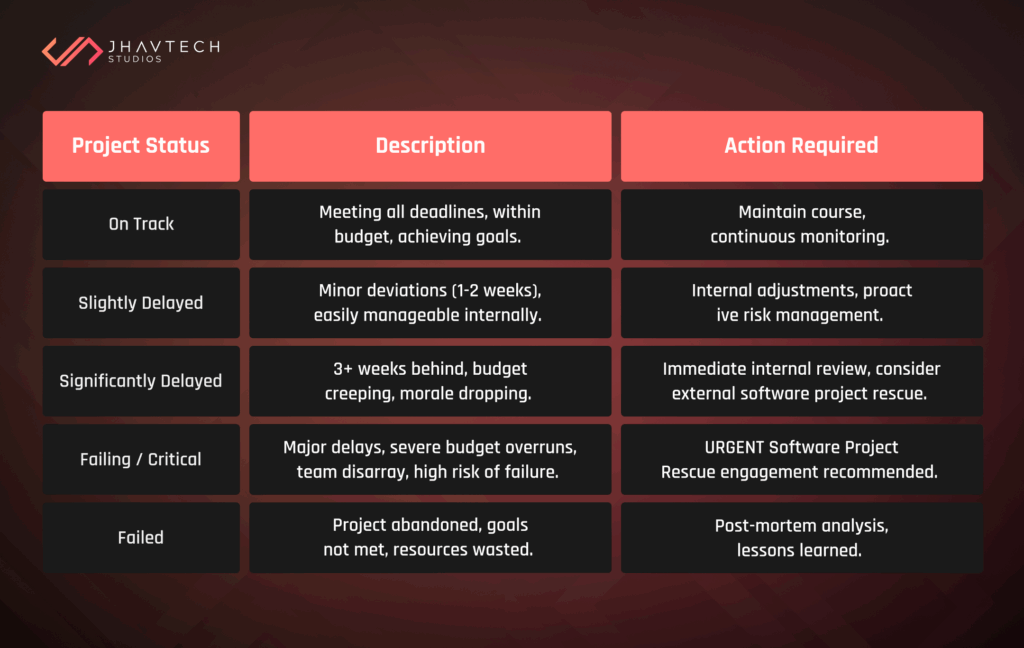
Here’s a simplified breakdown of typical project status categories:
Preventing Future Derailments: Long-Term Solutions
A successful software project recovery isn't just about fixing the current problem; it's about putting systems in place to prevent a recurrence. This includes:
- Robust Project Management Frameworks: Implementing agile methodologies, stronger governance, and better reporting.
- Continuous Improvement: Regularly reviewing processes and tools.
- Talent Development: Investing in your team's skills, ensuring they have the expertise needed for future projects.
- Strategic Partnerships: Leveraging IT consulting for specialised skills or external perspectives when needed.
- Proactive Maintenance and Support: Don't just build it and forget it. Ongoing maintenance and support are crucial for the long-term health and performance of your software. This includes regular updates, bug fixes, and performance optimisation.
- Adopting DevOps Practices: Integrating development and operations can lead to faster delivery, improved collaboration, and more stable systems. Investing in DevOps solutions can significantly reduce future project risks.
Final Thoughts...Your Path to Software Project Recovery
Seeing your project fall behind can be demoralising, but it doesn't have to be a death sentence. When your software project is behind schedule by three weeks or more, it’s a clear signal to act decisively. Embrace the opportunity for a comprehensive software project rescue. By objectively assessing the situation, strategically planning your recovery, and executing with precision, you can not only save your project but also build a stronger, more resilient development process for the future.
Ready to stop the slide? Your project is too valuable to leave its fate to chance. The time to act is now, before a 3+ week delay becomes a 3+ month disaster.
If you are facing a failing software project, don't just troubleshoot; get a definitive solution. Contact Jhavtech Studios Today for a no-obligation consultation. We'll provide the expert diagnosis and the proven software project rescue roadmap you need to turn your delay into delivery.
Stop wasting time and money. Start recovering your project's potential.


.webp)
.png)
.png)






.webp)
.webp)
.webp)
.webp)
.webp)

.webp)

.webp)
.webp)





.png)
.png)
.png)
.png)


.png)
.png)
.png)
.png)
.png)
.png)
.png)



.png)

.png)

.png)



.png)
.png)
.png)
.png)
.png)
.png)
.png)
.png)
.png)
.png)
.png)

.png)

.png)

.png)
.png)
.png)
.png)
.png)
.png)
.png)


.png)
.png)
.png)
.png)
.png)
.png)