.svg)
.svg)


The Rise of the Intuitive Developer in the Age of AI
.png)
The year 2026 marks a pivotal moment in the world of software development. We have moved beyond merely integrating artificial intelligence into existing systems; we are now firmly in the era of AI-native software development. This isn’t just a technological shift; it’s a fundamental change in how we conceive, build, and interact with software. It demands a new breed of professional: the intuitive developer.
For years, the industry buzz revolved around "AI integration," focusing on bolting AI capabilities onto legacy systems. While valuable, that approach often led to clunky interfaces and limited scalability. Today, leading Australian companies, from bustling Sydney startups to established Melbourne enterprises, are realising that true innovation lies in systems designed from the ground up to leverage AI’s strengths. This is where AI-native software development truly shines, offering unparalleled efficiency, intelligence, and adaptability.
Beyond the Code: The Intuitive Edge
What defines an intuitive developer in this new landscape? It is someone who possesses a deep understanding of human-computer interaction, a knack for anticipating user needs, and the ability to translate complex AI functionalities into seamless experiences. They are the architects of the invisible, ensuring that powerful AI tools feel natural and effortless to the end-user. This requires more than just coding prowess; it demands empathy, foresight, and a touch of what we at Jhavtech Studios often call vibe coding, which is an almost subconscious alignment with the project’s essence and purpose.
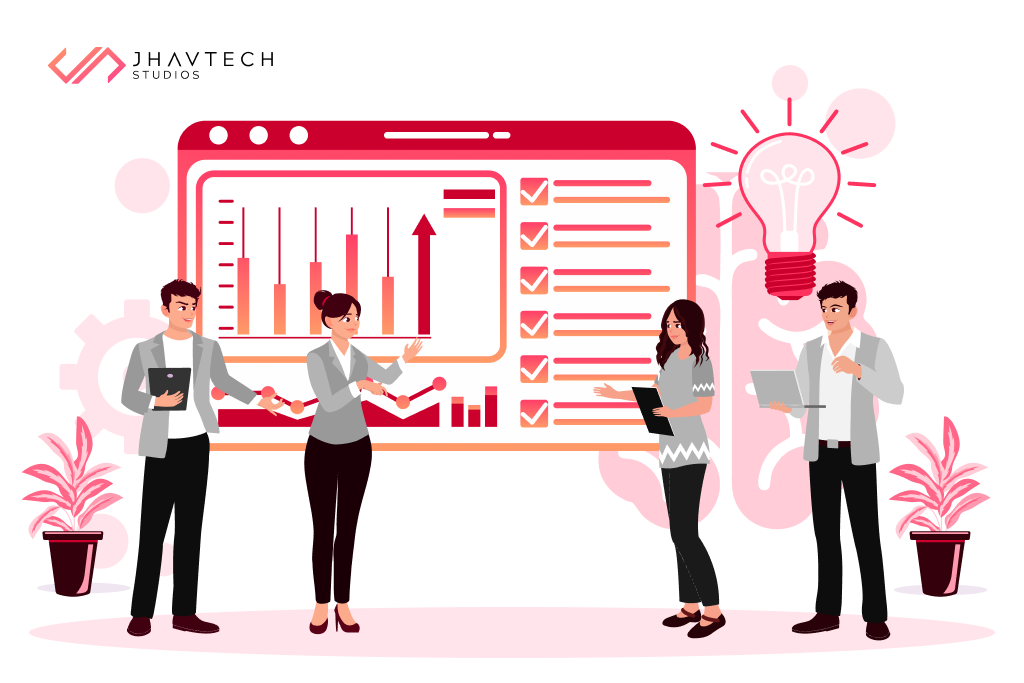
Consider a recent study by Gartner, which suggests that by the end of 2026, 80% of enterprises will have deployed GenAI-enabled applications. However, the study also notes a massive gap: only a fraction of those will be production-ready autonomous systems that deliver measurable ROI. The difference usually comes down to whether the team embraced AI-native software development from day one or simply tried to "add AI" to an old structure.
The New Toolkit: Where AI Empowers, Not Replaces
The fear that AI would replace developers has largely dissipated. Instead, we have seen AI evolve into an incredibly powerful co-pilot, augmenting human capabilities. Tools for code review, for instance, are now infused with AI, identifying potential bugs, security vulnerabilities, and even suggesting performance optimisations at speeds human eyes simply cannot match. This frees up developers to focus on higher-order problem-solving, innovative feature design, and ensuring the overall strategic fit of the software.
This symbiotic relationship is crucial for AI-native software development. It allows for rapid prototyping and iteration, accelerating the development cycle and bringing sophisticated applications to market faster. We are seeing this play out in various sectors across Australia, from healthcare platforms using AI for predictive diagnostics to financial services leveraging it for fraud detection and personalised customer experiences.
Crafting Seamless Experiences: Intuitive UI/UX for AI Applications
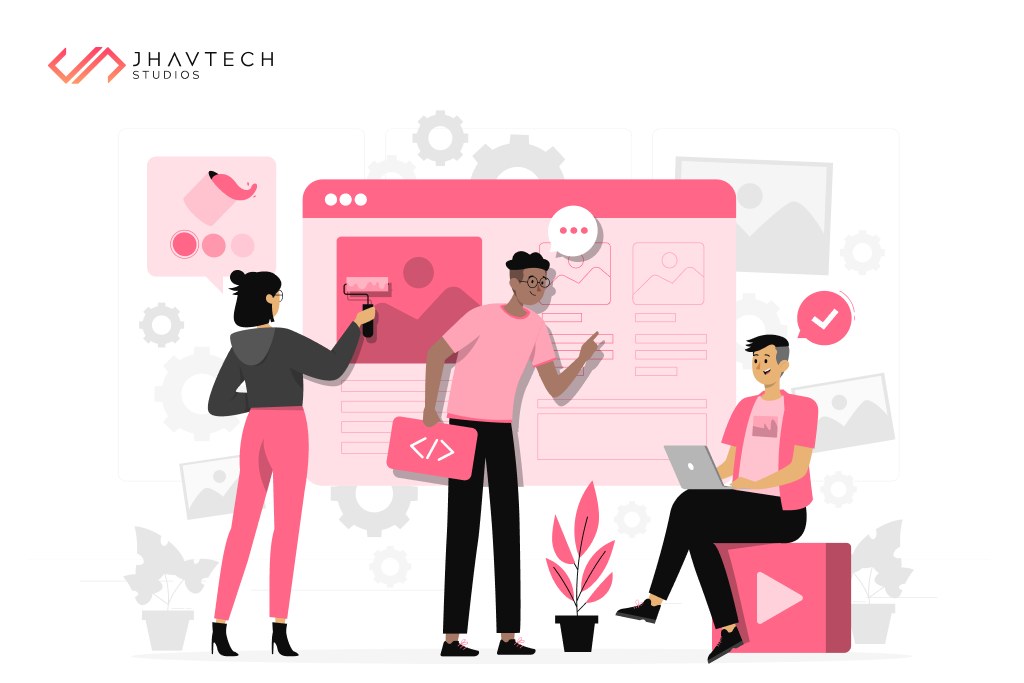
One of the most significant challenges in this AI-driven era is ensuring that powerful AI capabilities are presented in a way that users can easily understand and interact with. This is where intuitive UI/UX for AI applications becomes paramount. Imagine an AI-powered financial advisor that requires a PhD to navigate; its intelligence would be wasted. The intuitive developer bridges this gap, designing interfaces where the AI’s complex reasoning is presented simply, clearly, and actionably.
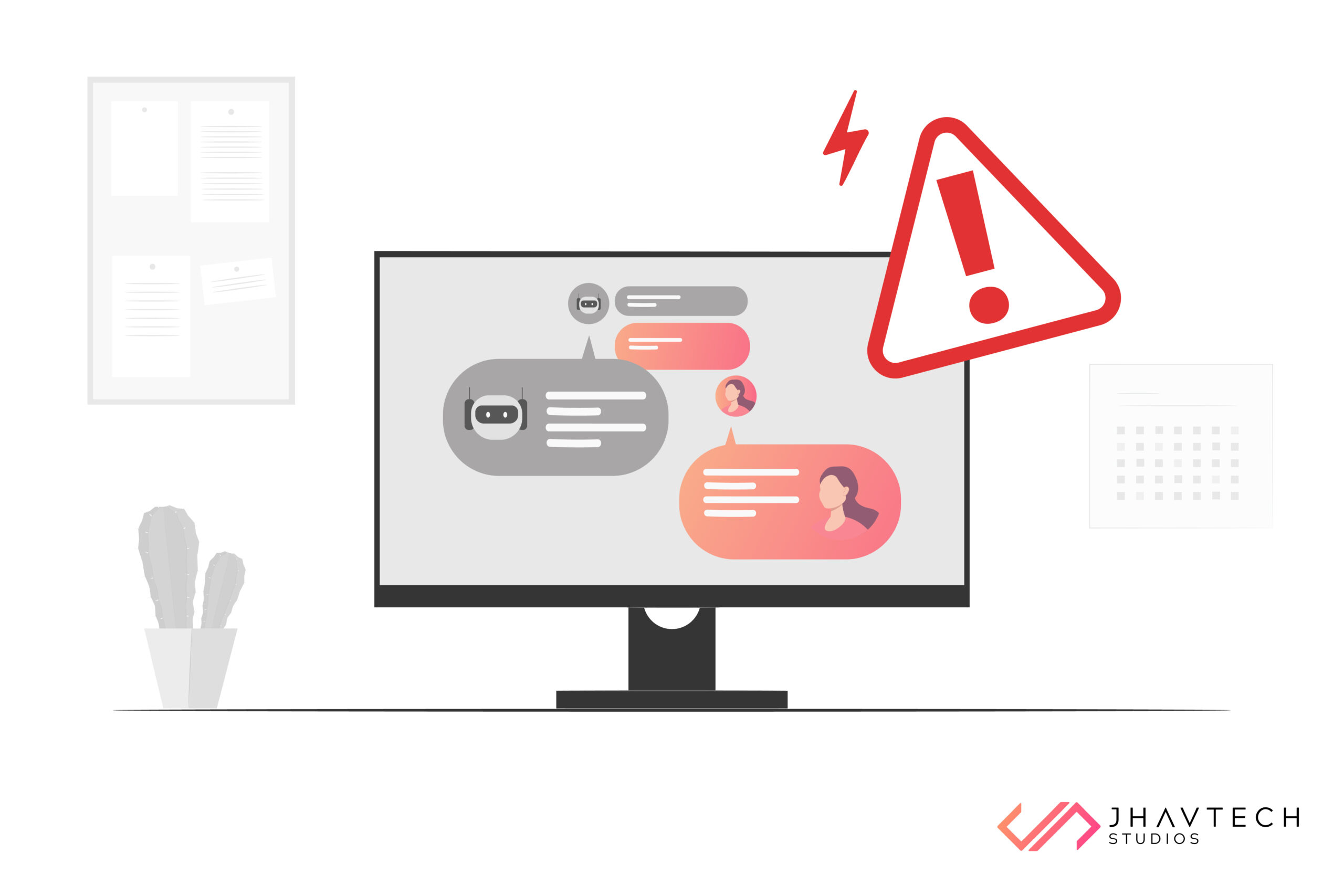
A key trend we are observing is the shift toward conversational interfaces and predictive UIs. Users expect systems to anticipate their needs, learn from their behavior, and offer solutions before they even explicitly ask. This requires developers to not just code, but to design for intelligence, making the AI feel like a natural extension of the user’s thought process. In the context of AI-native software development, this means the user interface is built to handle the non-linear, unpredictable nature of AI responses without breaking the user’s flow.
AI-Powered Project Rescue Services: A Lifeline for Troubled Projects
Even with the most advanced tools, software projects can go off track. This is where the power of AI is proving transformative in software project rescue. At Jhavtech Studios, we have witnessed firsthand how AI-powered analytics can quickly dissect complex, failing projects. Automated code analysis, dependency mapping, and predictive risk assessment tools can pinpoint critical issues in a fraction of the time it would take human consultants.
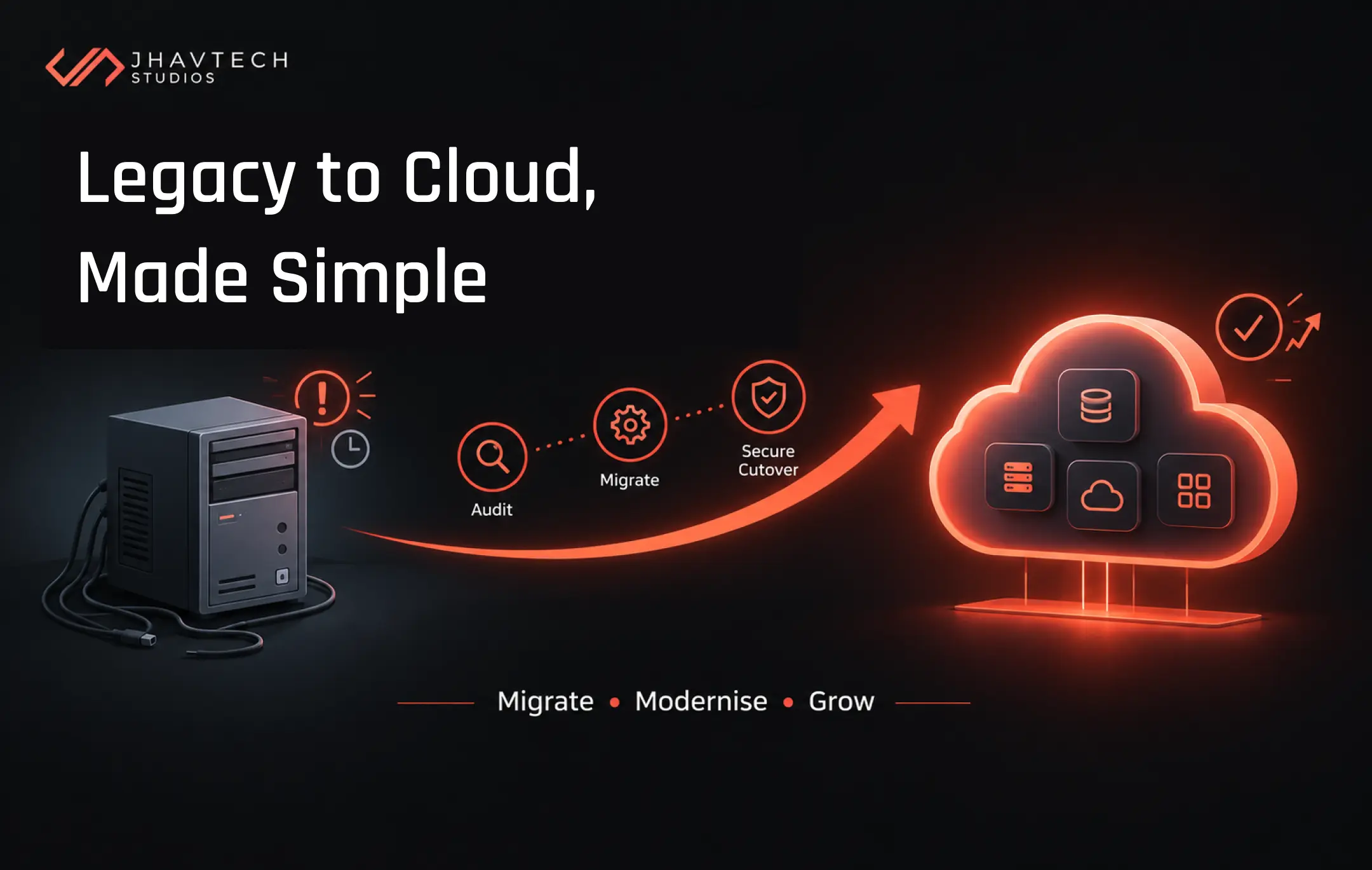
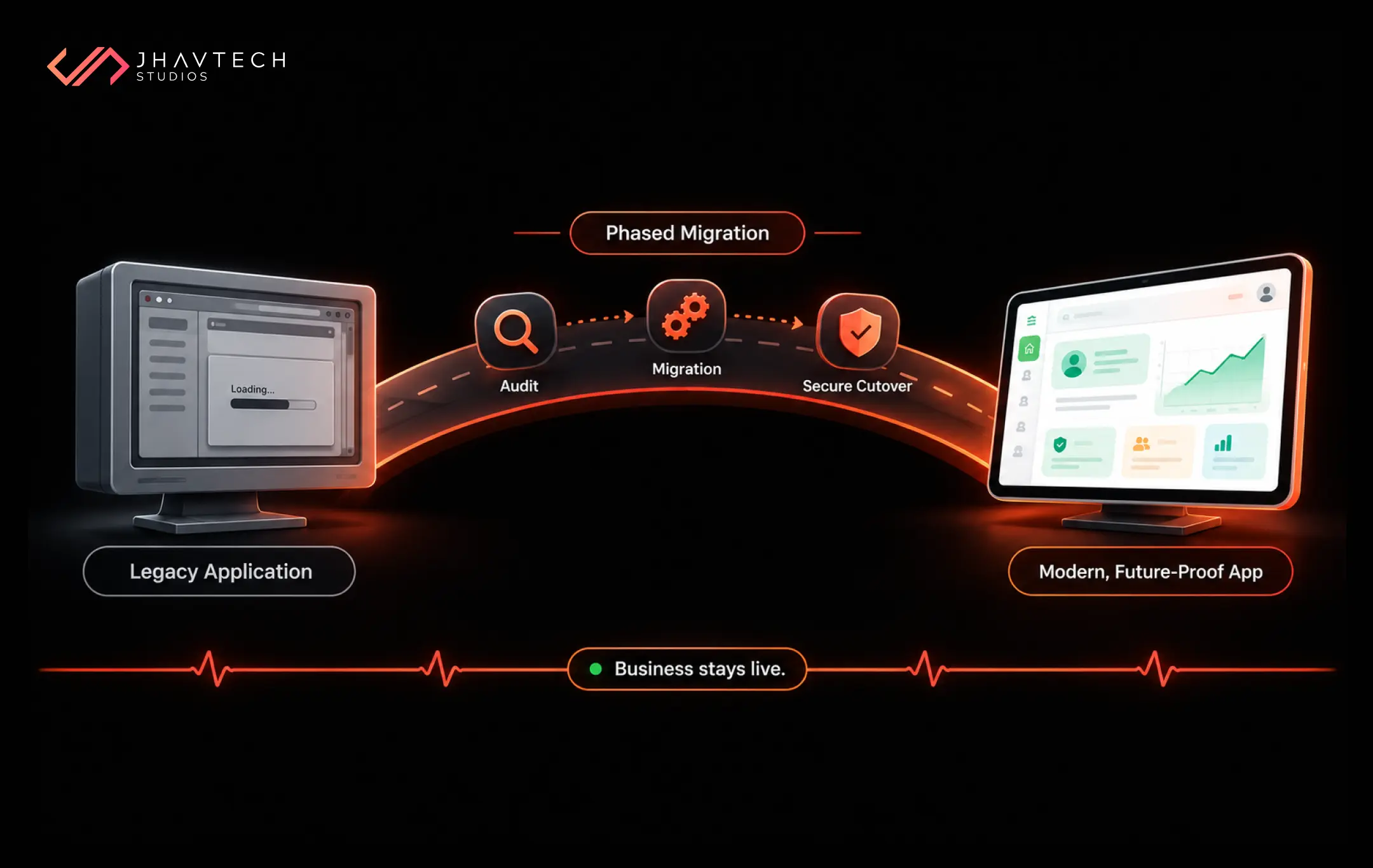
When a legacy project is failing, the best path forward is often a transition toward AI-native software development principles to modernise the infrastructure. This rapid diagnosis, combined with expert human intervention, allows teams to get back on track far more efficiently. It’s a testament to how AI, when wielded by intuitive developers, can turn what once seemed like insurmountable challenges into manageable problems. The insights gleaned from AI can inform strategic decisions, optimise resource allocation, and ultimately save businesses significant time and money.
The Australian Context: Custom AI App Development for Startups
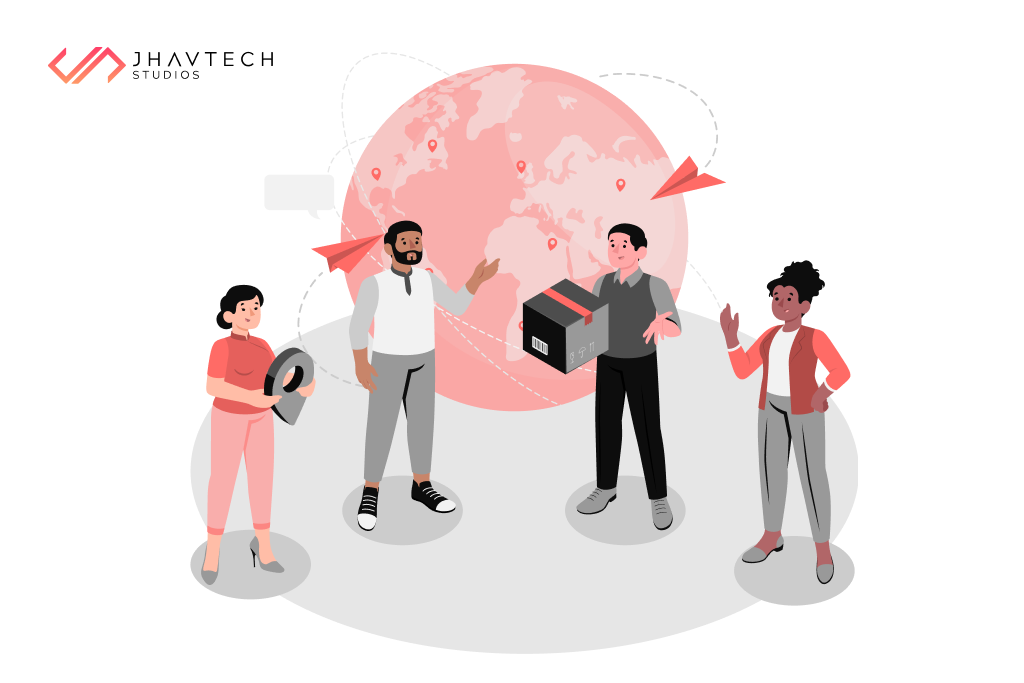
Australia’s startup ecosystem is booming, and with it, the demand for cutting-edge solutions. Many emerging businesses are looking for custom AI app development for Australian startups to gain a competitive edge. These startups often need agile, scalable, and cost-effective solutions that can rapidly adapt to market feedback. The intuitive developer is perfectly positioned to deliver this.
They can help these nascent companies conceptualise AI functionalities that are truly native to their business model, rather than retrofitted. This means building intelligent features directly into the core product from day one, leading to more robust and future-proof applications. By adopting AI-native software development, these startups avoid the technical debt associated with "bolted-on" AI features. From healthtech innovations in Perth to fintech disruptors in Brisbane, the need for tailored, intelligent solutions is driving significant growth in the local tech sector.
The Evolving Role: How AI is Changing the Role of Software Developers in 2026
It is clear that how AI is changing the role of software developers in 2026 is one of the most pressing questions facing the industry. The days of purely functional coding are, if not over, certainly evolving. Developers are becoming more akin to strategists, data scientists, and ethicists, alongside their traditional engineering roles. They need to understand not just how to build with AI, but when and why to deploy it, always keeping the end-user and ethical implications in mind.
This shift demands a broader skill set. Expertise in IT consulting, for example, is becoming increasingly critical. Developers are now often required to advise clients on AI strategy, data governance, and the integration of AI into broader business processes. They are no longer just implementers but trusted advisors. In this advisory capacity, they advocate for AI-native software development as the gold standard for any business that wants to survive the next decade of digital disruption.
Building for the Future: DevOps Solutions and Mobile App Development
The deployment and maintenance of AI-native applications also present new challenges and opportunities. This is where robust DevOps Solutions become indispensable. Integrating AI models, ensuring continuous delivery, and managing complex infrastructure demands a streamlined and automated approach. The intuitive developer plays a key role here, understanding how to containerise AI components, automate testing for AI model performance, and deploy updates seamlessly.
Furthermore, the rise of mobile app development powered by AI continues unabated. From personalised recommendations on e-commerce apps to intelligent assistants embedded directly into smartphones, AI is making mobile experiences richer and more responsive. The intuitive developer is crucial in translating these powerful AI capabilities into small, efficient, and engaging mobile packages. They understand the unique constraints of mobile environments and how to optimise AI for on-device performance.
The Jhavtech Studios Approach to Modern Engineering
At Jhavtech Studios, we believe that the future belongs to the intuitive developer. Our approach to AI-native software development is rooted in this philosophy. We empower our teams to move beyond mere technical execution, fostering an environment where creativity, foresight, and a deep understanding of user psychology are paramount. We do not just build software; we craft intelligent experiences that drive tangible business outcomes for our Australian clients.
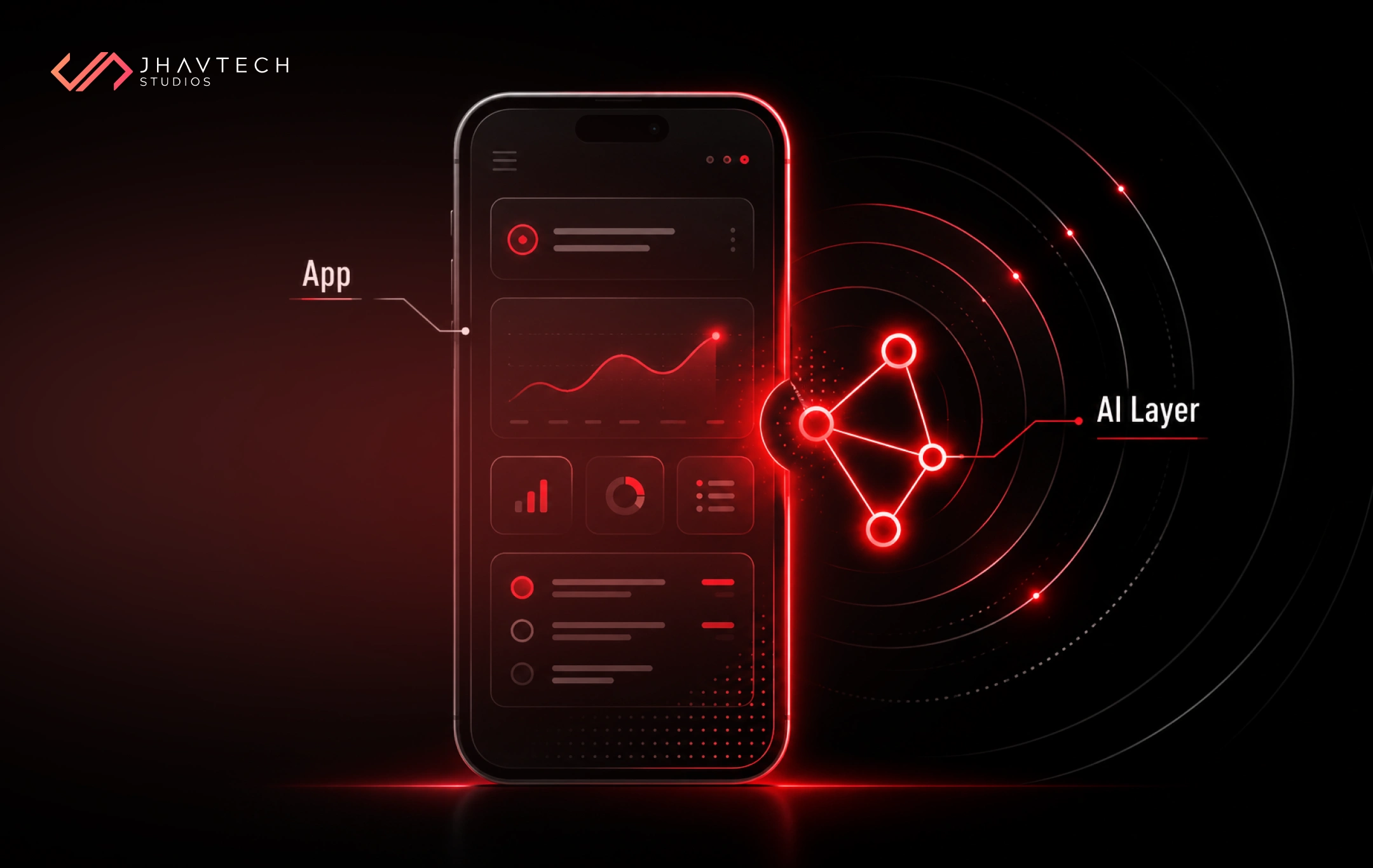
We understand that simply having AI in your software isn’t enough; it needs to be native to its very core. It needs to enhance the user experience, streamline operations, and provide genuine value. This is why we focus on building solutions where AI is an invisible hand, guiding and assisting, rather than a clunky add-on. By specialising in AI-native software development, we ensure that our clients are not just keeping up with the competition—they are defining it.
Strategic Integration: AI-Native Software Development in Practice
To truly understand the impact of this shift, one must look at how it transforms the business model. Traditional software often relies on per-seat pricing and static features. However, AI-native software development allows for dynamic, usage-based models where the value is directly tied to the outcome the AI provides. For an Australian business, this means lower barrier-to-entry costs and higher long-term ROI.
Whether we are talking about multi-agent orchestration or vector database optimisation, the underlying goal remains the same: to create a system that learns and grows with the user. The intuitive developer ensures that as the AI evolves, the software remains stable, secure, and helpful. This is the cornerstone of the services we provide at Jhavtech Studios.
Final Thoughts... Leading the Charge
The journey into the future of tech is an exciting one. It is a journey that prioritises not just what technology can do, but what it should do for humanity. And at its heart are the intuitive developers—the visionaries, the problem-solvers, and the empathetic builders who are shaping the intelligent future, one seamless experience at a time. The landscape of software is forever changed, and the intuitive developer is leading the charge.
The ongoing evolution requires continuous learning and adaptation. Businesses that embrace this shift, focusing on not just the technical aspects but also the human element, will be the ones that thrive in this intelligent new era. Contact us today for more insights on how Jhavtech Studios can help your business navigate this future through AI-native software development.
.webp)
.png)

.png)
.png)
.png)
.png)
.png)
.png)
.png)
.png)
.png)
.png)
.png)
.png)
.png)
.png)
.png)
.png)
.png)
.png)
.png)
.png)
.png)
.png)
.png)
.png)
.png)
.png)
.png)
.png)
.png)
.png)
.png)
.png)
.png)
.png)
.png)
.png)
.png)
.png)
.png)
.png)
.png)
.png)
.png)
.png)

.png)
.png)
.png)

.png)


.png)


.png)

.png)
.png)
.png)
.png)
.png)