.svg)
.svg)


App Development: The Key to Business Growth in a Digital Era
In today’s fast-paced digital world, app development has evolved from being a technological novelty to becoming an essential component of a business's success. With more people spending more time on mobile devices, companies of all sizes are turning to app development as a means to engage customers, streamline operations, and drive growth. But what exactly does app development entail, why is it so crucial for businesses today, and how can the right development partner help you unlock new opportunities?
In this blog, we'll dive deep into app development, exploring its importance, the types of apps available, and how companies can leverage them to gain a competitive edge. By the end, you’ll understand why investing in a well-developed mobile app can be one of the smartest decisions for your business.
App Development Explained: Crafting the Digital Magic Behind Your Favorite Tools
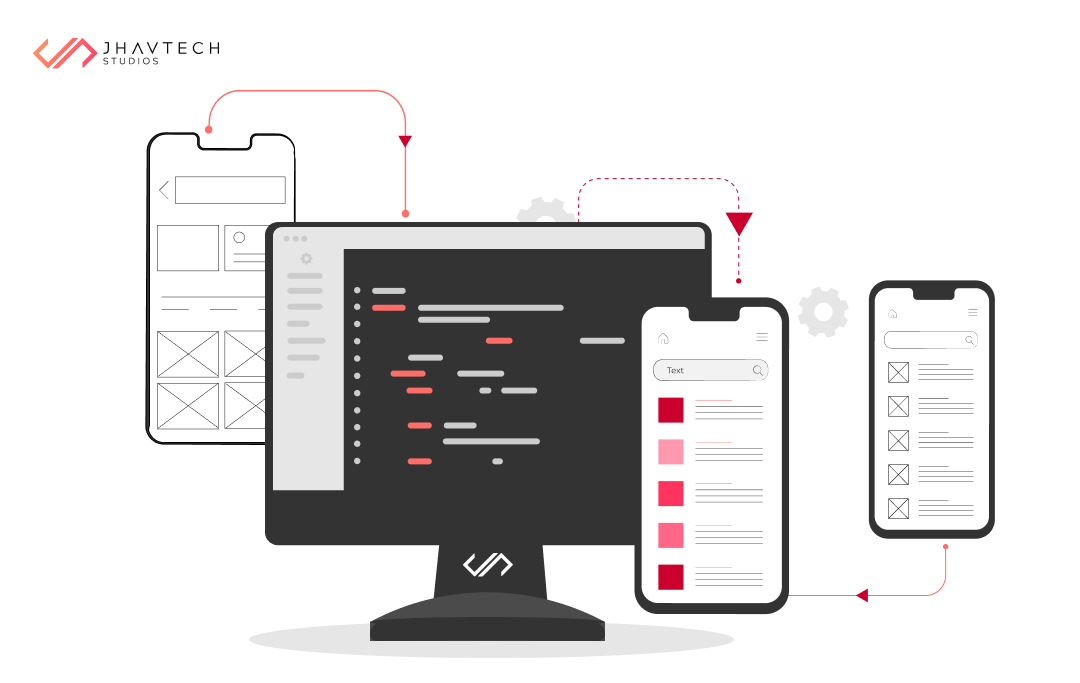
At its core, app development refers to the process of designing, building, and maintaining applications for mobile devices such as smartphones, tablets, and wearables. These apps are designed to provide a seamless experience that meets specific user needs. From banking to shopping, gaming to productivity, apps cater to nearly every aspect of modern life.
The goal of app development is to create a product that delivers a smooth and intuitive user experience. Whether you're building a native app for a single platform or a cross-platform solution, the user should be at the heart of every design decision. The end result should be a tool that not only functions well but also enhances the customer experience, improves business processes, or even opens up new revenue streams.
Why App Development is Crucial for Businesses Today
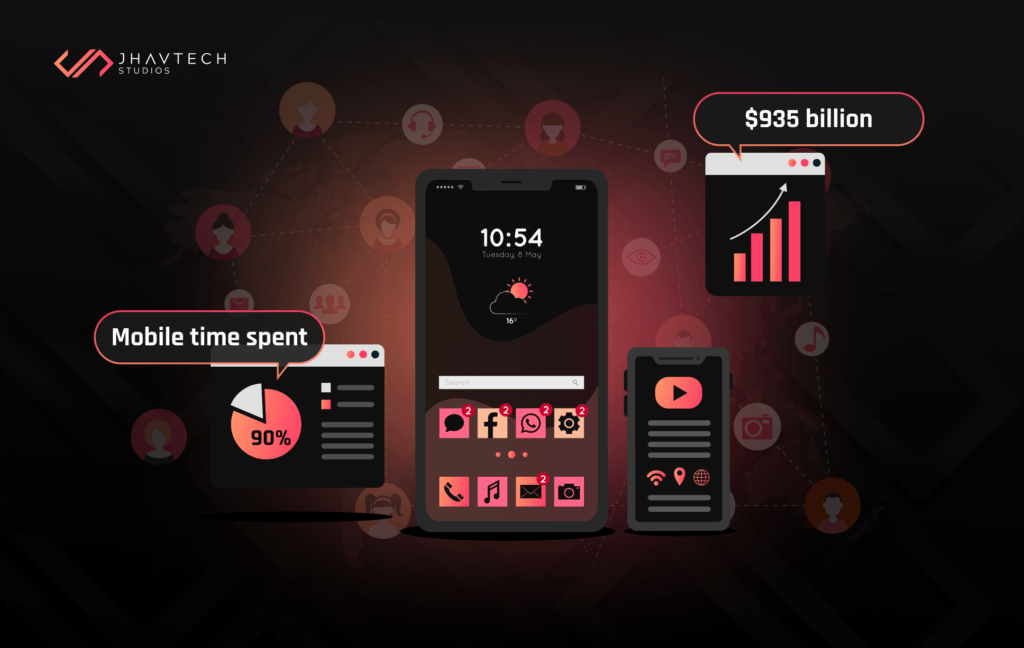
Mobile apps have redefined how businesses interact with customers and operate internally. In 2024, mobile app usage continues to rise, and according to recent research, people spend 90% of their mobile time on apps, compared to just 10% on browsers. This shift emphasises the need for businesses to go where their customers are—on their mobile phones!
The global app market is booming. According to Statista, mobile app revenues are projected to reach $935 billion by 2024, a huge leap from previous years. As more people download apps and spend on digital services, companies that don’t have a mobile presence risk falling behind. Application development, therefore, isn’t just a trend—it’s a necessity.
But it’s not just about presence. Apps can do much more than just offer another touchpoint for your business. They provide opportunities to engage customers, collect data, create new revenue streams, and automate internal operations. Here are some key reasons why app development is essential in today’s digital landscape:
1. Unmatched Customer Access
Mobile apps allow businesses to maintain a direct line to their customers. With features like push notifications, location-based services, and in-app messaging, apps can provide timely, personalised communications. Whether it’s offering a discount or notifying users of an update, apps offer real-time, direct engagement that email or traditional media cannot match.
2. Enhanced Brand Visibility
A mobile app offers the ability to keep your brand front and center in a user's daily routine. The average smartphone user checks their phone over 58 times a day, and each time, your app icon presents a subtle reminder of your brand. Furthermore, being listed in app stores like Google Play or Apple’s App Store adds credibility, helping potential customers discover and trust your business.
3. Improved Customer Experience
Unlike websites, apps offer a more fluid and personalised user experience. Apps load faster, are more responsive, and offer functionalities such as offline mode or direct device integrations (camera, GPS, etc.), which can significantly enhance the customer journey. These factors often lead to higher user retention and satisfaction.
4. New Revenue Streams
Whether through in-app purchases, subscriptions, ads, or even paid app downloads, mobile apps offer various ways to generate revenue. Take freemium apps, for example, where basic functionalities are offered for free, but advanced features come at a premium. This model has become incredibly popular with services like Spotify and Dropbox. According to App Annie, mobile consumers spent over $143 billion on apps and in-app purchases globally in 2022, and this number continues to grow.
5. Operational Efficiency
Mobile apps aren’t just for customers. Many companies use internal apps to streamline operations, improve communication, and increase productivity. For example, a logistics company might build an app for drivers to track deliveries in real-time, while an HR department could use an app to manage employee tasks and leave requests. This automation reduces administrative overhead and boosts efficiency.
Types of App Development: Choosing the Right One for Your Business
When embarking on the app development journey, one of the first decisions you’ll need to make is which type of app is best suited for your business needs. Not all apps are built the same, and the platform, budget, and target audience all play a role in determining the most appropriate development path. Here are the main types of app development to consider:
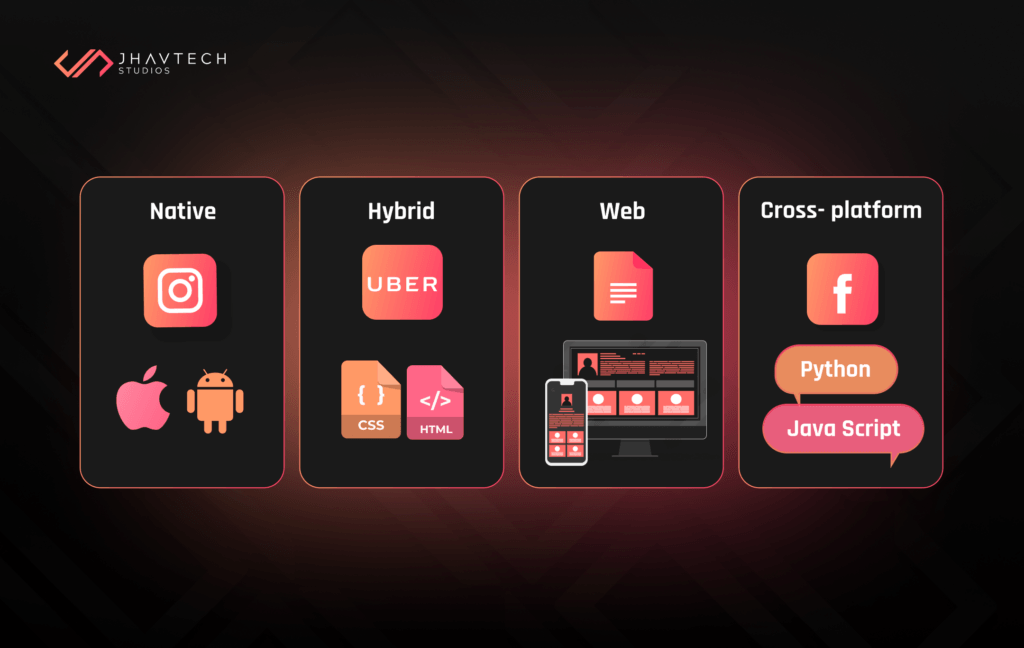
Native App Development
Native apps are built specifically for one platform—either iOS or Android—using platform-specific languages (Swift or Kotlin). Native apps offer the best performance, as they can take full advantage of the device’s hardware and operating system. These apps tend to be faster, more responsive, and able to access advanced features like the camera, GPS, or microphone.
However, building separate apps for iOS and Android can be costly and time-consuming. It’s an excellent option for companies that want top-notch performance and a large, loyal user base on a particular platform.
Example: Instagram is a native app, designed separately for iOS and Android, ensuring a seamless experience and quick performance across both platforms.
Hybrid App Development
Hybrid apps are a combination of web and native apps. They are built using web technologies (HTML, CSS, JavaScript) and then wrapped in a native shell. Hybrid apps are more affordable to build than native apps and can run on multiple platforms with a single codebase. However, they may lack the performance and native feel of apps built specifically for each platform.
Example: Uber uses a hybrid approach, allowing it to deploy changes across platforms quickly without compromising the user experience.
Web App Development
Web app development refers to creating applications that function within a web browser, providing an app-like experience without needing to be installed on a device. These apps are essentially responsive websites, making them more cost-effective and easier to develop since they don’t require separate codebases for different platforms like native apps.
The beauty of web app development lies in its flexibility—users can access the app from any device with a browser and an internet connection. However, while web apps offer convenience, they can't tap into certain device features, such as GPS or push notifications, and are highly dependent on a stable internet connection for optimal performance.
Example: Google Docs is a web app, accessible via any browser, offering real-time collaboration without needing a dedicated mobile download.
Cross-Platform App Development
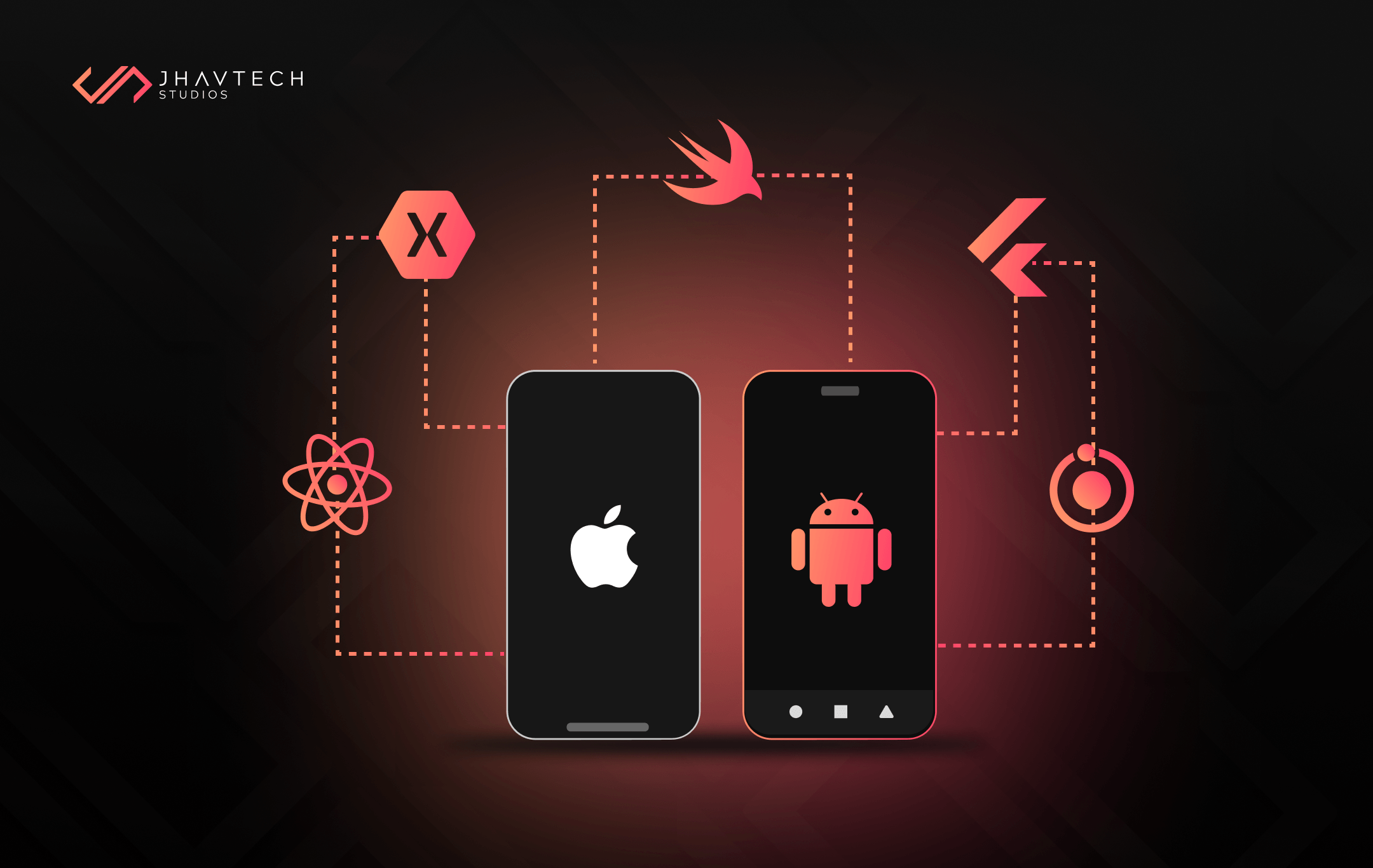
Cross-platform apps are like the multitaskers of the app world — they aim to deliver a near-native experience across different platforms, all from one codebase. No need to build separate apps for iOS and Android like it’s 2010 or something. With frameworks like Flutter and React Native, developers can write one set of code that works for both platforms. This makes cross-platform app development the go-to option for businesses looking to save time and money while still reaching a wide audience. Sure, they might not be as tailored as native apps, but they’re a solid, cost-effective way to hit both app stores without doubling your dev time.
Example: Facebook and Airbnb have used cross-platform tools to develop parts of their apps, ensuring a seamless experience across devices while keeping development costs manageable.
Benefits of App Development for Businesses
The benefits of app development extend far beyond just having a presence in app stores. Apps can transform the way your business operates, engaging customers in ways that traditional websites and services cannot. Let’s explore some key benefits that businesses can enjoy by investing in a well-built mobile app:
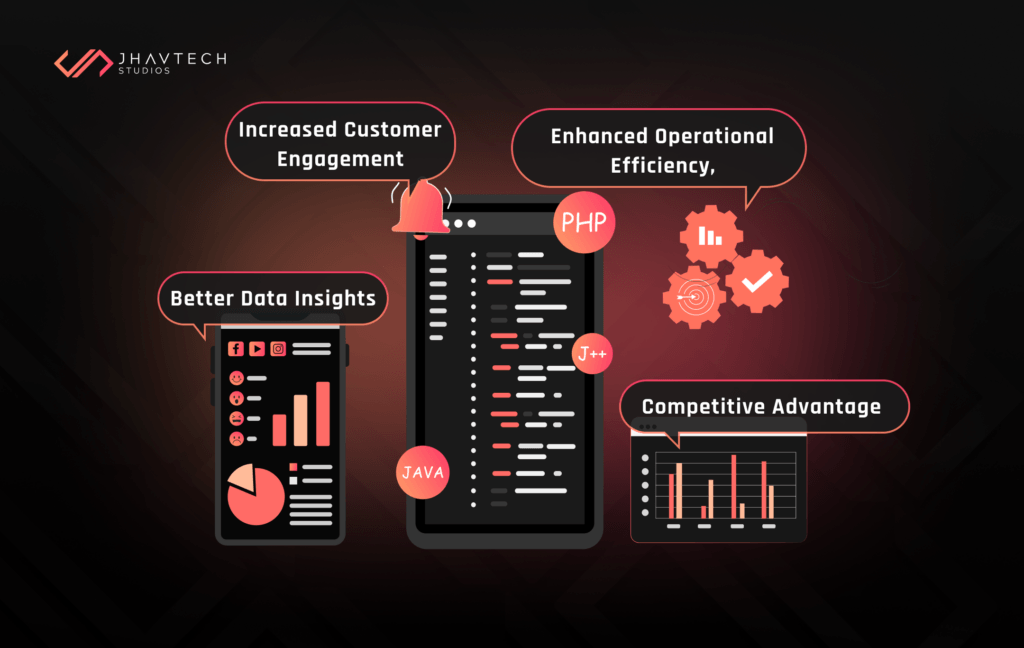
1. Increased Customer Engagement and Loyalty
Mobile apps offer a platform for personalised engagement. Push notifications, for example, allow businesses to send timely and relevant messages directly to users, whether it's a promotion, an event, or an update on their account. Studies show that push notifications can increase app retention rates by 3-10x, depending on how they are used.
Additionally, apps that integrate features like loyalty programs, personalised recommendations, and user accounts can enhance the customer experience, fostering deeper relationships and brand loyalty.
Example: Starbucks uses its app to manage its loyalty rewards program, allowing users to collect points, place orders, and receive personalised promotions, resulting in higher engagement and repeat purchases.
2. Expanded Revenue Opportunities
As mentioned earlier, mobile apps can open up new revenue streams, such as in-app purchases, subscriptions, and ads. Subscription-based models are particularly popular with content-driven businesses (like streaming services) and offer a reliable source of recurring revenue. A study by Sensor Tower showed that subscription apps accounted for 85% of consumer spending on the top 100 apps in 2023.
Example: Netflix leverages its mobile app as part of a subscription-based model, where users pay a monthly fee to access content on their devices, contributing to a significant portion of its revenue.
3. Better Customer Data and Insights
One of the hidden advantages of apps is the treasure trove of data they provide. Businesses can track user behavior, preferences, and engagement metrics to refine their strategies and create more personalised experiences. Analytics tools built into apps allow businesses to understand their customers better and tailor marketing efforts to individual user segments.
4. Enhanced Operational Efficiency
Mobile apps aren’t just for customer-facing functions. Many businesses use internal apps to improve operational efficiency and communication. For example, an internal app might track employee attendance, manage workflows, or streamline supply chain management. This digitisation of operations can result in significant time and cost savings for companies.
Example: Walmart developed an internal app for its employees to check schedules, request time off, and stay updated on company news, resulting in improved communication and productivity.
5. Competitive Advantage
In highly competitive industries, having a mobile app can set your business apart. A well-designed app that offers a superior user experience can be the key differentiator that draws customers away from competitors. Moreover, businesses that leverage the latest app development trends (such as augmented reality, artificial intelligence, or blockchain) can further enhance their offerings and stay ahead of the curve.
Studies and Statistics Supporting App Development's Importance
To underscore the growing importance of app development in today’s market, let’s take a look at some relevant research and statistics:
- A BuildFire report from 2022 found that 42% of small businesses already have a mobile app, while 30% plan to develop one in the future. This trend demonstrates the growing recognition among companies of all sizes that apps are no longer a luxury—they’re a necessity.
- A study by eMarketer in 2023 projected that mobile commerce (or m-commerce) will account for 72.9% of all e-commerce by the end of 2024, highlighting the increasing preference for mobile shopping.
- According to Statista, the number of mobile app downloads worldwide reached 299 billion in 2023, and this number continues to rise, reflecting the growing demand for mobile-first experiences.
Finding the Right App Development Partner
As we’ve seen, app development can unlock new opportunities for your business, but success depends on choosing the right development partner. When selecting an app developer, it’s essential to consider the following factors:
1. Experience
Look for developers with a proven track record in building apps similar to what you need. Whether it’s e-commerce, gaming, or internal tools, industry expertise matters.
2. Portfolio
Review past projects to get a sense of the developer’s design and technical capabilities. A diverse portfolio is usually a good indicator of flexibility and creativity.
3. Communication
App development is a collaborative process. Ensure that the developer maintains clear communication throughout the project to ensure your vision is realised.
4. Post-Launch Support
Apps require updates, maintenance, and bug fixes after they go live. Choose a developer who offers ongoing support to ensure your app remains functional and up-to-date.
Final Thoughts…
In conclusion, app development is an essential aspect of modern business strategy. Whether you’re looking to enhance customer engagement, improve operational efficiency, or create new revenue streams, an app can provide immense value. With the growing reliance on mobile devices and the constant demand for innovation, businesses that invest in app development are better positioned for long-term success.
By partnering with an experienced developer like Jhavtech Studios, you’ll have the tools and expertise to build an app that drives your business growth. With a focus on customer-centric design, performance optimisation, and scalability, Jhavtech Studios can help you create a solution that meets your unique needs.
Ready to take your business to the next level with a custom app? Contact us today for a FREE consultation!

.webp)
.webp)
.webp)

.png)
.png)
.png)
.png)
.png)
.png)
.png)
.png)
.png)
.png)
.png)


.png)
.png)
.png)
.png)
.png)
.png)
.png)
.png)
.png)
.png)
.png)
.png)
.png)
.png)
.png)
.png)
.png)
.png)
.png)
.png)
.png)
.png)

.png)
.png)
.png)
.png)

.png)
.png)
.png)
.png)
.png)
.png)
.png)

.png)


.png)

.png)




.png)




.png)





.png)

.png)


.png)
.png)
.png)
.png)