.svg)
.svg)


Building a Wellness App That Actually Improves Habits — Not Just Tracks Them
.png)
Wellness apps are everywhere, but only a few genuinely change lives. In 2026, users don’t just want another app that tracks calories or steps; they want one that inspires long-term behaviour change and delivers real results. As Australians become more health-conscious and time-poor, the winning wellness apps will be those that understand user psychology, motivate positive action, and adapt intelligently to individual needs.
At Jhavtech Studios, we specialise in building AI-driven wellness and fitness apps that go beyond basic tracking, helping users stay engaged, consistent, and healthier. Let’s uncover what makes a wellness app effective, habit-forming, and future-ready in 2026.
1. The Problem with Traditional Wellness Apps
Most wellness apps fail because they focus on data, not transformation. They overwhelm users with charts and numbers but rarely inspire real change. When the experience feels mechanical or generic, users lose interest fast.
Common complaints include confusing dashboards, lack of personalisation, one-size-fits-all goals, and a total absence of emotional connection. To stand out, your app needs to guide users, not just record their behaviour. The best wellness apps make users feel understood, supported, and empowered every step of the way.
2. Understanding Behaviour Change: The Foundation of Wellness Apps
For wellness apps to work long-term, they must embed behavioural science. It’s not just about tracking habits, it’s about understanding why people make (or break) them. The most successful wellness apps tap into psychology to spark real transformation, guiding users from short-term motivation to lasting lifestyle change. Data analytics plays a key role here too by helping app developers understand user patterns, identify drop-off points, and tailor experiences that genuinely support long-term behavioural change.
Some proven ways:
- Cue → Routine → Reward loop: Trigger behaviours that lead into the desired routine and deliver a satisfying reward.
- Micro-habits: Encourage very small, easy wins (for example “2 minutes of meditation” rather than “30 minutes each day”). This is a cornerstone for habit formation.
- Positive Reinforcement: Use badges, celebrations, progress milestones to make users feel good about themselves.
Apps such as Headspace and Noom succeed because they embed these psychology principles into their flows. By focusing on behaviour change, not just tracking, your wellness app shifts from being an “option” to a “tool people rely on”.
3. Smart Reminders & Adaptive Goal Setting
In the modern wellness app space, generic push notifications no longer cut it. Users expect experiences that feel personal, timely, and encouraging - not robotic. Smart reminders and adaptive goals turn one-size-fits-all nudges into meaningful prompts that respond to user behaviour, mood, and progress. These intelligent systems keep users motivated without overwhelming them, striking the perfect balance between guidance and autonomy. Instead, you need:
- AI-driven smart reminders: For example, if a user hasn’t logged a workout for three days, your app might suggest a “gentle re-entry session” instead of a guilt-inducing message. This keeps tone supportive.
- Adaptive goals: Goals that shift based on user behaviour. If weekends show low engagement, the app automatically switches to a “light weekend mode” with shorter tasks.
- Context-aware suggestions: Consider time of day, calendar, user mood. If the app knows the user is in Australia and heading into a long weekend, it might offer an “outdoor stretch” session.
This allows your wellness apps to feel personally relevant, reducing friction and increasing the chances that the user stays engaged.
4. Gamification: Motivation That Feels Like Fun
Gamification isn’t just about badges and points. It’s about creating meaningful engagement loops that motivate users to come back. When done right, it turns healthy routines into rewarding experiences; transforming effort into enjoyment and consistency into a game users want to win. For wellness apps, you can integrate:
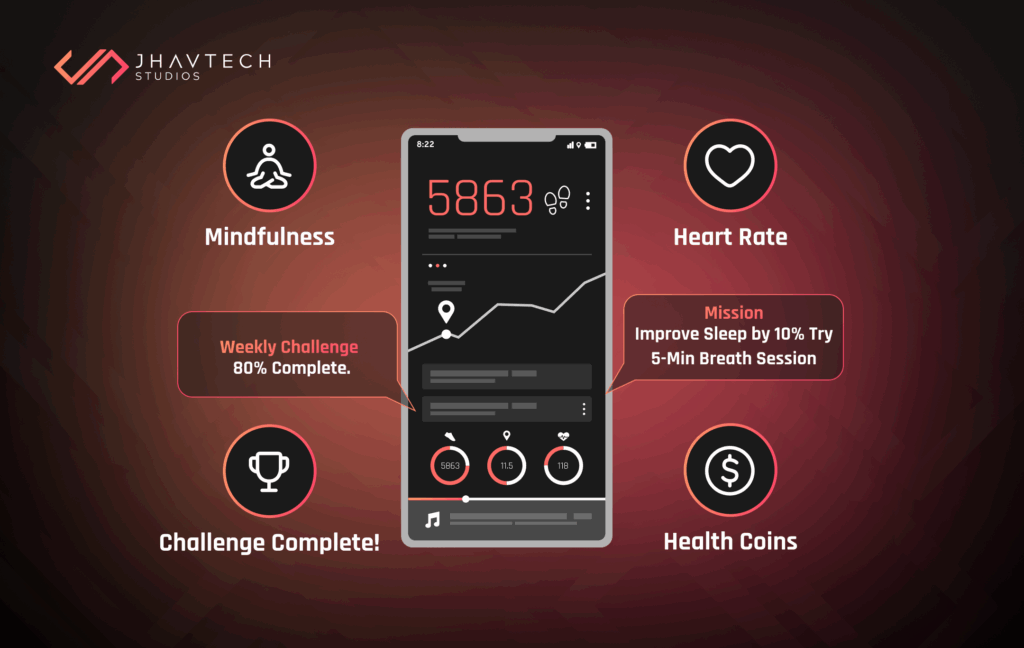
- Streak challenges: Encourage daily engagement with minimal tasks, making consistency the goal.
- Community leaderboards: Friendly competition within groups (for example “Yoga Group – Melbourne”) to drive social motivation.
- Health coins or points: Redeemable for in-app perks or partner offers.
- AI-driven missions: Dynamic tasks that adapt to the user’s progress. For example: “You improved sleep by 10% last week – now try a guided breath session for 5 min”.
When gamification is done well, your wellness app becomes something the user enjoys rather than “just another to-do list”.
5. Personalisation Through AI & Machine Learning
Personalisation remains the beating heart of modern mobile app development, especially in wellness apps where engagement depends on how deeply an app understands its users. By using AI and machine learning, your app can analyse user patterns and adjust recommendations automatically. If engagement drops, the app might suggest shorter sessions, new content, or motivational tips tailored to that user’s routine.
For example, if an Australian user tends to train outdoors, your app can offer weather-aware suggestions, switching from a jog to a home workout when it rains. Small touches like this create a deeper emotional bond and make the app feel like a supportive companion.
6. Community & Social Accountability
Human connection remains one of the strongest drivers of habit formation. People are far more likely to stay consistent when they feel seen, supported, and part of something bigger. Building community into your wellness app transforms it from a solo experience into a shared journey, one where encouragement, progress, and accountability come naturally. For a wellness app that truly engages:
- Friend challenges: Allow users to invite a mate and complete 10-day wellness missions together.
- Progress sharing: Simple stories or feed where users post milestones (“Today: 10 min meditation streak reached”).
- Micro-communities: For example “Yoga for Beginners – Sydney” or “10-Day Mindfulness Group – Brisbane”. These smaller, focused groups help reduce churn by creating belonging.
Community features turn your app from a solitary tool into a shared experience, boosting retention and user loyalty.
7. Data Visualisation That Inspires, Not Intimidates
Data can easily overwhelm. The goal is to show progress without judgment. Instead of complex graphs, visualise results through colourful progress rings, gentle animations, or encouraging weekly summaries.
Great UI/UX for health apps focuses on positive reinforcement. Replace “You missed three workouts” with “You completed four this week, nice work getting back on track!” Simplicity and warmth make users more likely to return daily.
8. Integrating Wearables & IoT Devices
Wearables play a crucial role in the wellness ecosystem. Your wellness apps should integrate seamlessly with devices like Apple Watch, Fitbit, Garmin or Samsung Health to track:
- Heart rate
- Sleep quality
- Step count
- Stress levels
This integration builds trust and engagement, as users see real-time results across devices. Expect the Australian market of wellness apps to lean heavily into this trend. In fact, the Australian wellness apps market generated USD 221.9 million in 2024 and is forecast to grow at a CAGR of ~15.9% to reach USD 537.6 million by 2030.
9. Privacy & Ethical Data Use
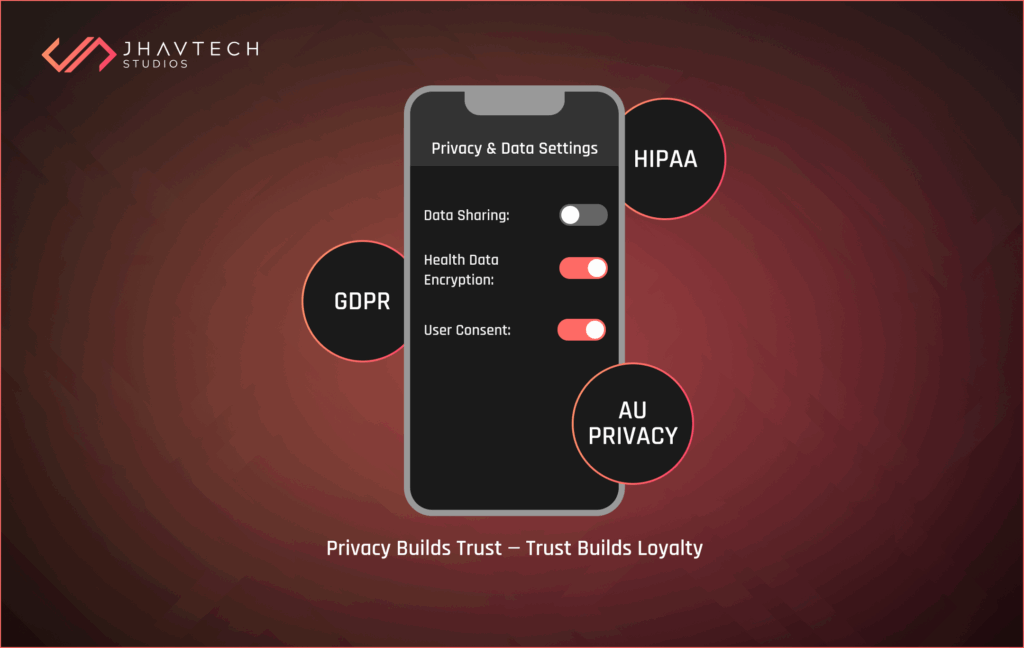
Handling sensitive health data comes with serious responsibility. Your app must comply with global and local standards such as HIPAA, GDPR, and Australia’s own privacy regulations.
Be transparent about what data is collected and how it’s used. Include clear consent prompts and give users control over their information. Privacy builds trust — and trust drives retention.
If you plan to expand into medical wellness, work with teams skilled in HIPAA-compliant mHealth app development Melbourne to ensure all safeguards are in place.
10. Great Design Is Great Healthcare: UI/UX for Health Apps
Now let’s zoom in on one of the most critical pieces of wellness app development: the UI/UX design. Good UI/UX for health apps shapes whether your wellness app becomes “kept” or “deleted”.
Best practices:
- Start with user research: Understand who your target Australian user is, their lifestyle, pain-points and tech-comfort level.
- Make navigation intuitive: Users often open these apps when distracted or under stress; make key tasks obvious.
- Use calming visual language: Soft colours, minimal design, accessible fonts and supportive microcopy.
- Accessibility matters: Support screen-readers, voice controls, high contrast – crucial for users with impairments.
- Prototype and test early: Use real users to test flows and emotional resonance, not just aesthetics.
By prioritising UI/UX for health apps, your wellness app moves from being “nice-to-have” to “essential”.
The Jhavtech Approach: Habit-Driven Wellness App Design
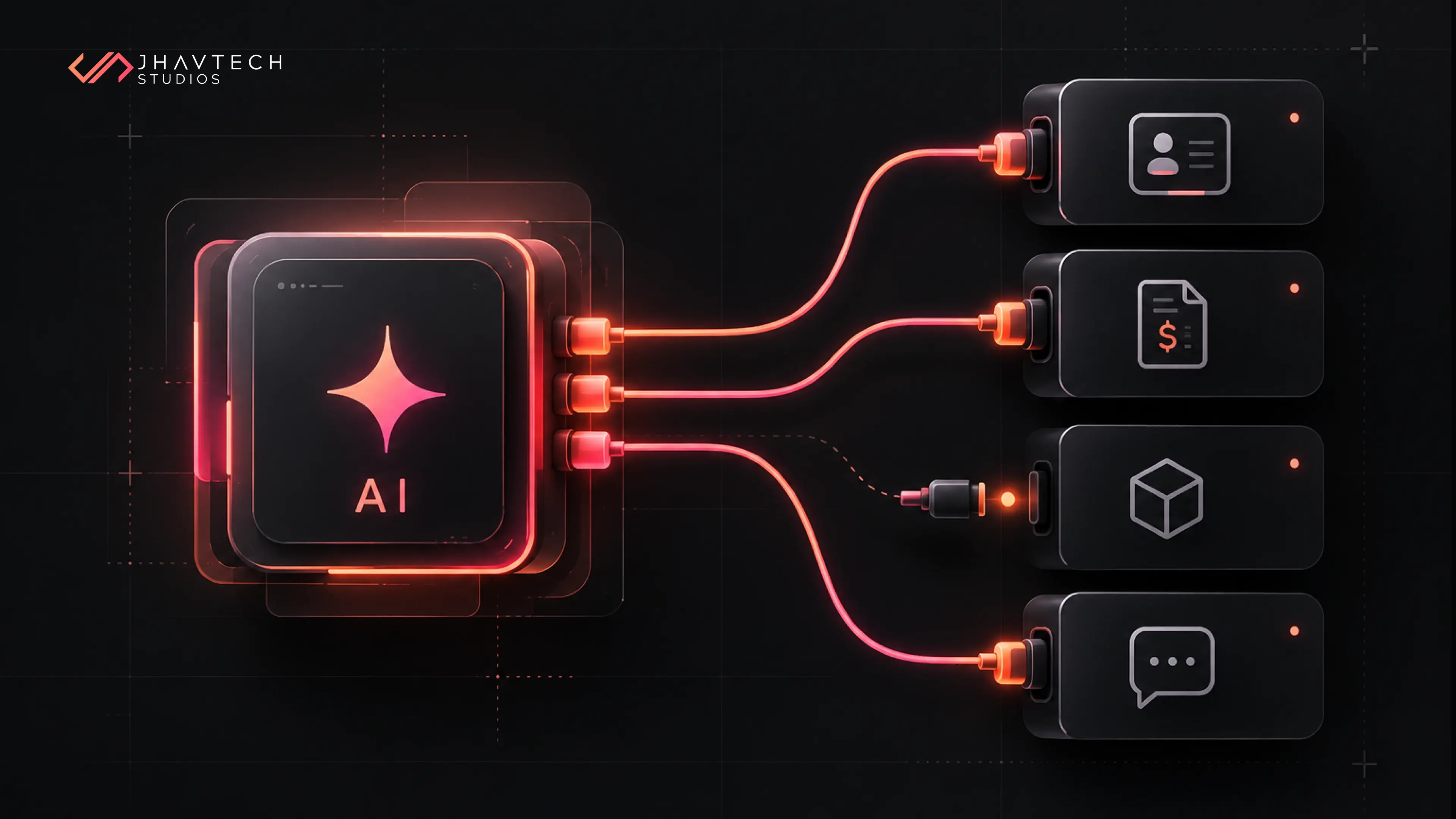
At Jhavtech Studios, we combine behavioural psychology, AI technology, and design empathy to build wellness apps that truly change lives. We also specialise in software project rescue, helping businesses revive underperforming apps and transform them into reliable, scalable products. Our custom-built solutions include adaptive tracking algorithms, smart notifications, and seamless integration with leading fitness APIs and wearables.
Every project begins with understanding user intent. From there, we craft intuitive designs that motivate without overwhelming. With a scalable architecture, your app grows effortlessly as your user base expands.
When you partner with health app developers who understand both the science and emotion behind habit formation, you build more than software — you build healthier lifestyles.
Final Thoughts: Wellness That Lasts Beyond the Screen
In 2026 the future of wellness apps lies in personalised, emotionally intelligent design that turns good intentions into actual lifestyle change. The most successful wellness apps won’t just count steps; they’ll build better styles of living through motivation, community, AI, and smart design.
If you’re ready to create a habit-forming wellness or fitness app in Australia, partner with Jhavtech Studios where innovation meets empathy. Let’s build a wellness app that actually improves habits, not just tracks them.
👉 Explore our Wellness & Fitness App Development Services
Frequently Asked Questions
1. What features make a wellness app successful?
Personalisation, gamification, smart reminders, community features and a positive user experience are key drivers of long-term engagement.
2. How much does it cost to develop a wellness app?
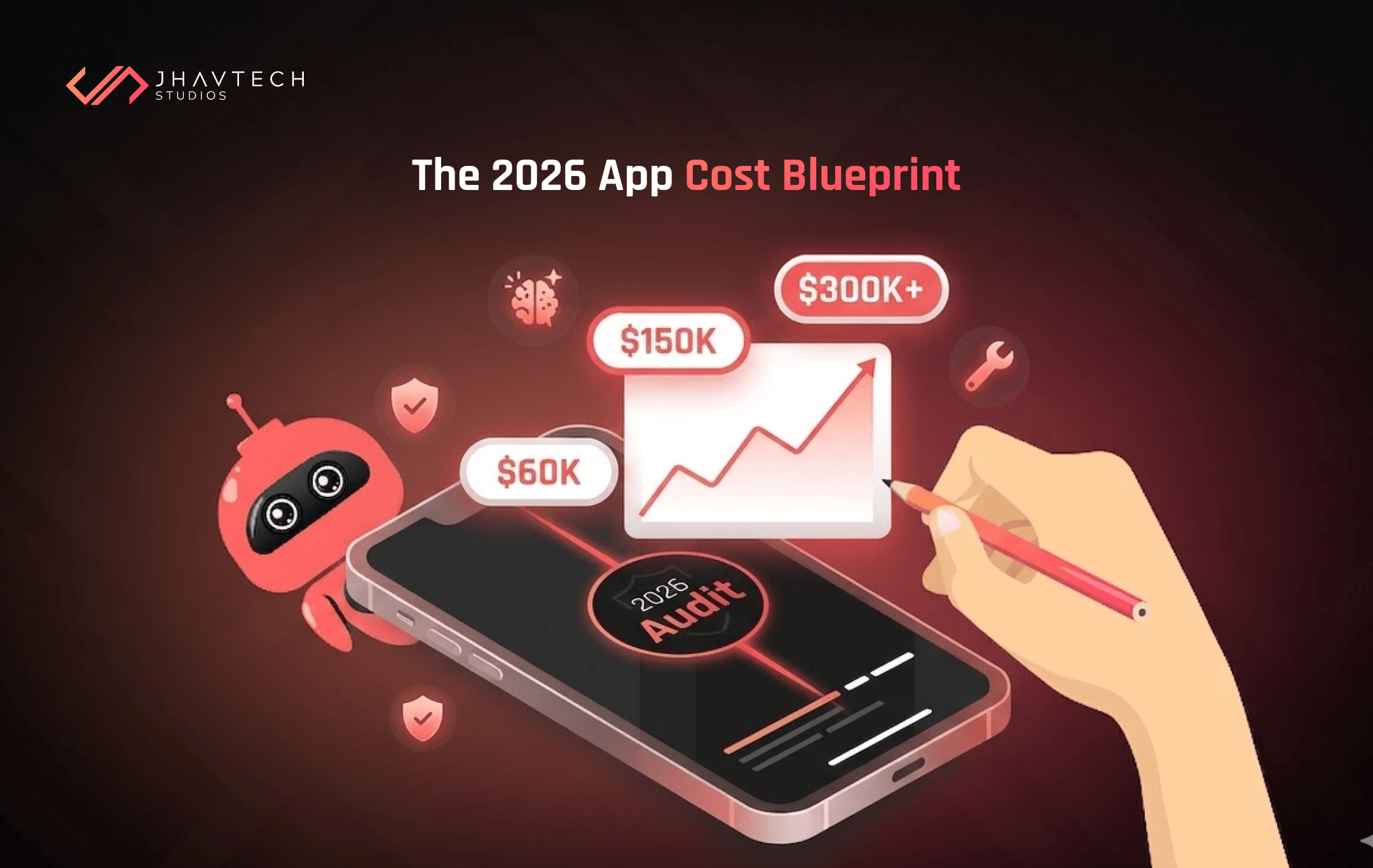
For an Australian build: somewhere between AUD 25,000 and AUD 180,000+ depending on complexity, features, integrations and compliance.
3. How can I make my wellness app habit-forming?
Use behaviour science: micro-habits, rewards, community accountability and adaptive goals. Don’t just track, transform.
4. Which technologies are best for wellness app development?
Cross-platform frameworks like Flutter or React Native work well. Backend AI logic in Python/Node.js. Use Firebase for real-time engagement tracking. Ensure wearable and API integration layers are robust.








.webp)
.webp)
.webp)
.webp)
.webp)

.webp)
.webp)

.webp)
.webp)




.png)
.png)
.png)
.png)
.png)
.png)


.png)
.png)
.png)
.png)
.png)
.png)
.png)

.png)

.png)
.png)




.png)
.png)
.png)
.png)
.png)
.png)
.png)
.png)
.png)
.png)
.png)
.png)

.png)
.png)
.png)
.png)
.png)
.png)
.png)
.png)



.png)
.png)
.png)
.png)
.png)
.png)
.png)