.svg)
.svg)


Swipe Smarter: How AI Dating Apps Are Redefining the Future of Romance in 2026
.png)
The Rise of AI Dating Apps
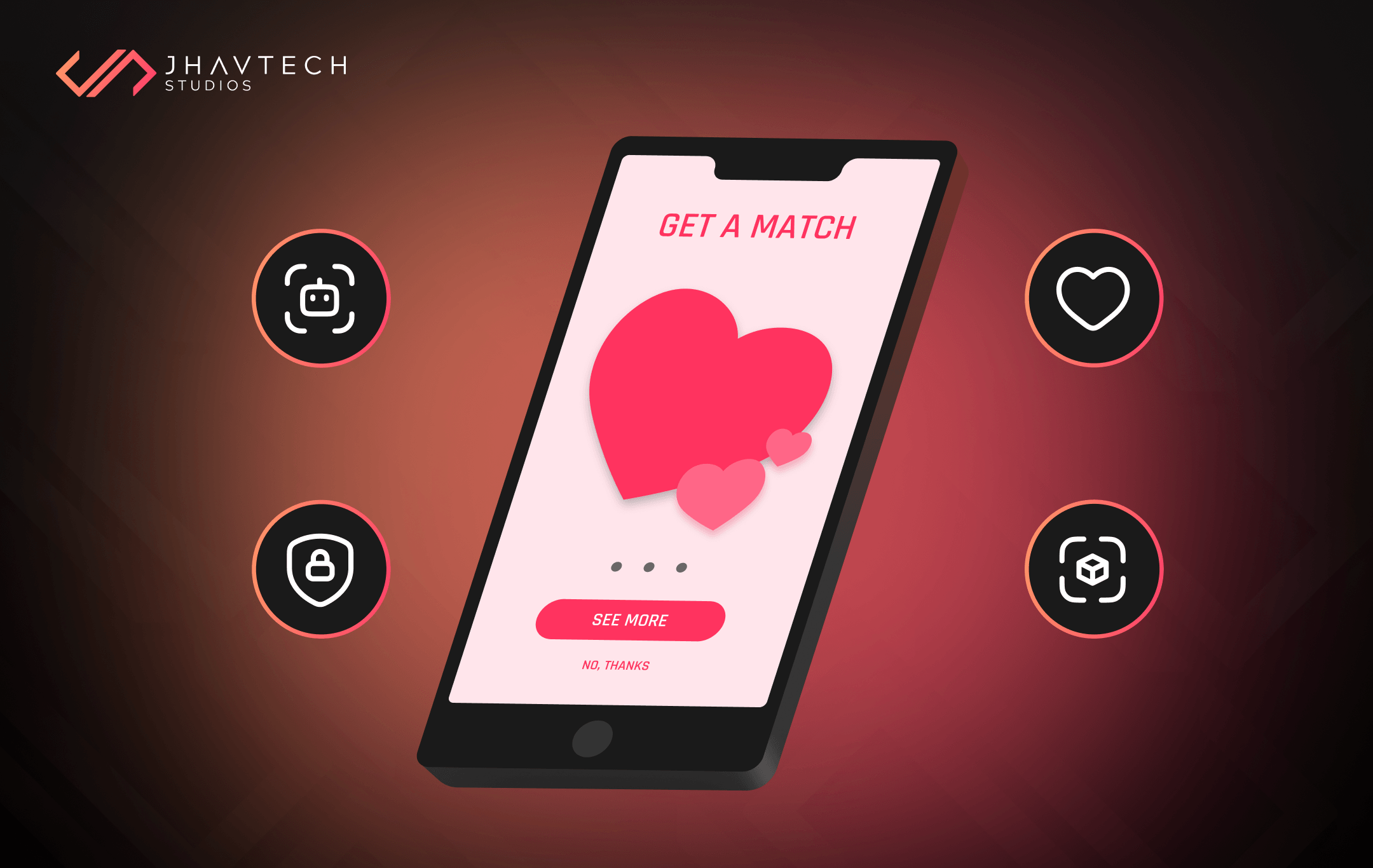
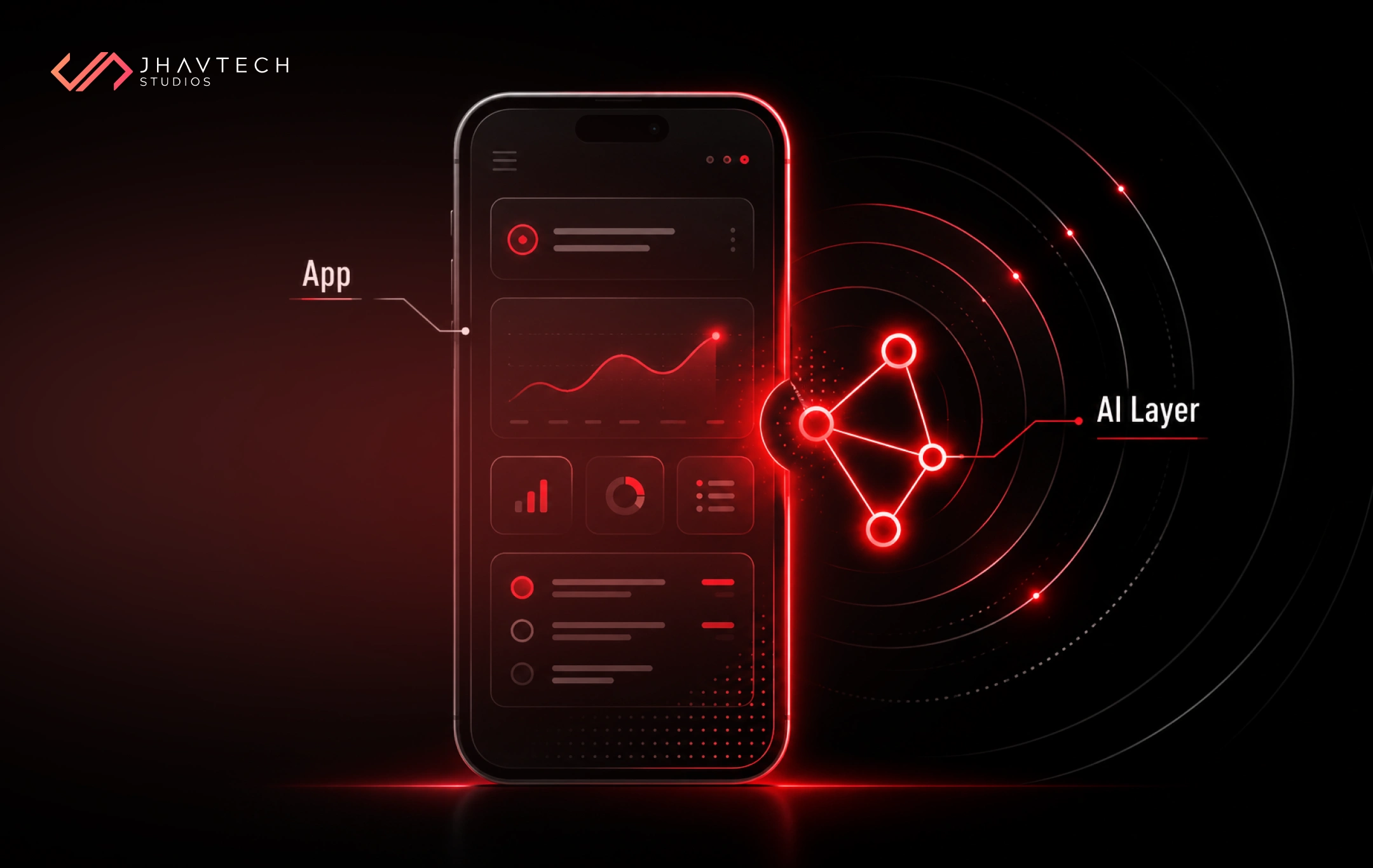
The world of dating is shifting under our fingertips. What once was endless swiping is now evolving into intelligent matchmaking powered by artificial intelligence. AI dating apps are no longer a novelty; they’re becoming the norm. In 2026, users expect deeper compatibility, safe interactions, and a richer dating experience driven by smart technology and innovative mobile app development.
In Australia, the online dating space is booming. The global dating app market generated over USD 6.18 billion in 2024, and more than 350 million users engage with dating platforms globally. In this environment, AI-powered innovation isn’t optional; it’s essential. In this blog, we’ll explore how AI dating apps are transforming romance, what’s fueling their growth, and what you need to know if you’re planning to build an AI-powered dating app.
1. From Basic Filters to AI Matchmaking
Traditional dating apps leaned heavily on age, location, and shared interests. But the era of manual filters is giving way to AI matchmaking: systems that learn from user behavior, language, preferences, and emotional cues.
For instance, instead of just matching by “people nearby,” modern AI dating apps analyse how you write messages, how quickly you respond, even the time spent scrolling over certain profiles. They begin to predict who you’ll genuinely connect with. These behaviour-based matchmaking algorithms evolve with every swipe and chat.
This shift from static profiles to dynamic insights is what separates next-gen dating platforms from their predecessors. As more users experience more meaningful connections, engagement and retention go up.
2. Behaviour-Based Matchmaking Algorithms in 2026 and Beyond
One of the most powerful engines under the hood of AI dating apps is what we call behaviour-based matchmaking algorithms 2026 (and beyond). These systems don’t just take your stated preferences, they observe how you act.
They monitor metrics such as:
- How frequently you open the app
- Which profiles you linger on or skip
- Response times in conversations
- Emotional tone in messages
By combining those signals, the system learns what types of profiles and communication patterns inspire genuine connections. In effect, your usage becomes a feedback loop that makes your matches more precise over time.
Studies show that AI features are already proving powerful. For example, Hinge’s AI-powered “Standouts” feature reportedly produced 26% more matches and 2.5× more conversations than traditional swiping.
3. Emotion Detection and Deeper Compatibility
Another leap forward in AI dating apps is applying natural language processing and sentiment analysis to decode emotional tone. Through emotion detection, apps can pick up on sarcasm, enthusiasm, hesitation, or negativity in messages.
Practical benefits include:
- Suggesting conversational tweaks or tone adjustments
- Alerting you if the other user seems disinterested
- Highlighting communication compatibility scores
Rather than relying on static personality quizzes, these systems respond to how people actually speak. That helps create more emotionally intelligent and candid matches.
4. Voice, Video, and Identity Verification
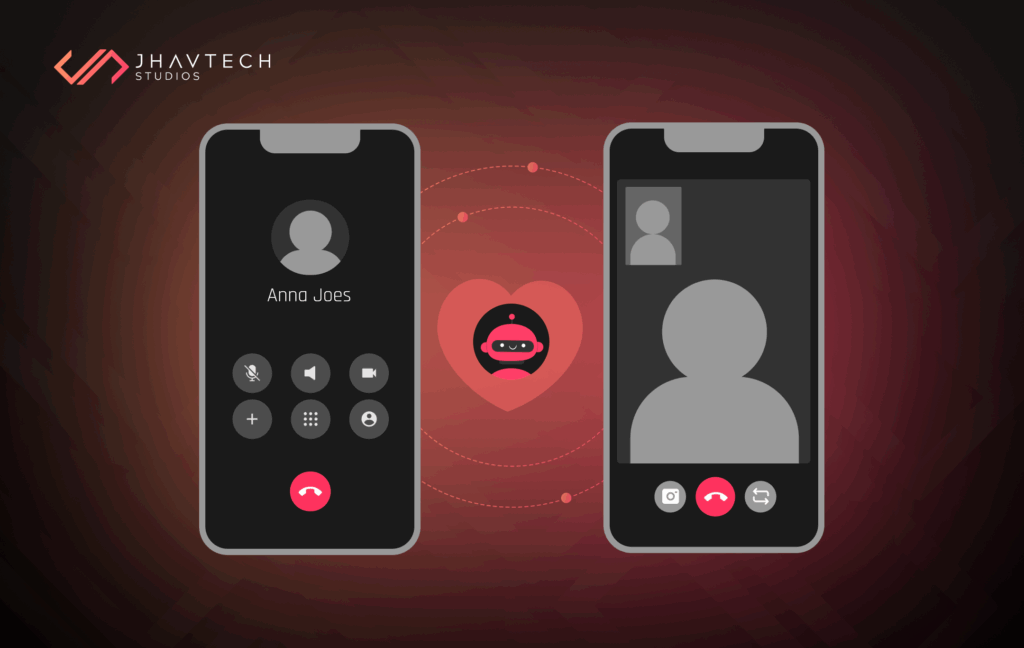
Dating in 2026 isn’t just about photos and bios. Many AI dating apps now incorporate voice and video matching, where voice tone and facial cues become signals in the matching process. This shift makes online interactions feel more authentic and emotionally engaging, bringing a “real world” connection into the digital space. This helps:
- Measure real-time chemistry
- Verify identity via facial recognition
- Deter impersonation or catfishing
These features give users confidence that they’re engaging with real people. In a world where image-based fraud is rampant, confidence matters and it’s quickly becoming a key factor that separates next-generation dating platforms from traditional swipe-based apps.
5. Safety First: How AI Is Improving Dating App Safety
One of the biggest challenges for dating platforms is trust. Fake profiles, romance scams, identity deception; they remain very real threats. AI dating apps are helping raise the bar with safety features.
Fraud and Deepfake Detection
Scammers now frequently use AI to generate profile images or clone voices. Deepfake attacks on dating platforms surged in 2024, causing global losses exceeding USD 1 billion. In Australia alone, romance scams cost around AUD 201 million in 2023. That kind of risk puts pressure on dating platforms to get smarter.
AI models that analyse face geometry, image metadata, and video inconsistencies can flag suspicious profiles before they cause harm. Identity fraud detection using GAN-based systems already reaches detection accuracy above 95%. And behavioural models can detect abnormal activity like mass messaging, rapid swiping, or contradictions across profile data.
Government Pressure and Regulation
In Australia, authorities are pushing dating apps to commit to better safety standards. A voluntary code of conduct is under discussion to protect users from sexual violence and fraud. Platforms must be ready to act, and AI is a strong tool for compliance.
Transparency and Ethical Use
With more intelligent systems comes more responsibility. Users want to know how their data is used. Dating apps must be transparent, offer opt-in controls, and ensure compliance with global rules like GDPR. Sadly, many apps have weakened privacy safeguards: a Mozilla review found 88% of popular apps fall short. AI dating apps must avoid falling into the trap of data overreach.
By integrating privacy by design, data minimisation, and algorithmic fairness (avoiding bias or discrimination), apps can be safe and trustworthy.
6. Predictive Prompts and Conversation Nudges
One of the subtler perks of AI dating apps is predictive communication prompts, which are intelligent cues designed to keep conversations alive and meaningful. By analysing timing, tone, and user behaviour, these prompts help bridge the awkward silences and missed chances that often stall online connections. These are suggestions like:
- “It’s been 48 hours—send a follow-up?”
- “They responded late last time—give them extra time before messaging.”
- Conversation starters tailored to shared interests
These nudges, derived from engagement patterns, reduce silences, revive fading conversations, and encourage follow-through. It’s like having an intelligent wingman in your pocket. Smart prompts turn matches into dialogues.
7. Personalisation That Goes Beyond the Basics
If every app just used the same layout and UX, people would churn. That’s why great UI/UX design is essential in AI dating apps; it ensures every user journey feels personal, adaptive, and emotionally engaging.
- Dynamic themes or interfaces based on time or mood
- Tailored icebreakers using mutual interests
- Date suggestions based on location and past user behaviour
In Australia, the competition is fierce. The local market is expected to reach AUD 90 million by 2025 with over 3.5 million active users. Leveraging AI personalisation helps platforms stand out, retain users, and create loyalty.
8. The Future: AR, Wearables and Contextual Dating
Tomorrow’s AI dating apps will move beyond your screen and into the real world. The line between digital and physical interaction is blurring fast, thanks to the convergence of AI, augmented reality (AR), and wearable tech. Imagine dating apps that don’t just show profiles but help you feel connection in real time, blending emotion, data, and human intuition. Picture this:
- AR overlays during meetups showing prompts or reminders
- Wearables that sense stress, heart rate, or chemistry
- Matching powered by physiological sync
If your heart rate spikes when chatting with someone, that signal could become part of your compatibility score. It’s playful, immersive, and deeply personal. We’ve already seen how similar technologies can transform engagement in our work, and AI dating apps are the next frontier.
9. How to Approach Building an AI-Powered Dating App
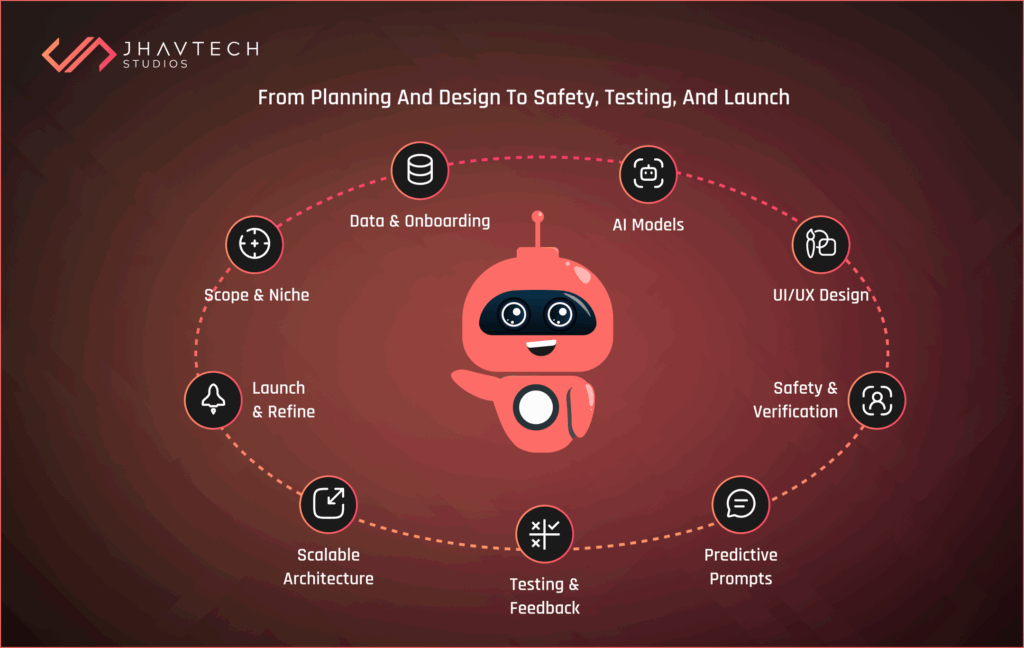
If you’re considering building an AI-powered dating app, or want expert guidance from a team experienced in mobile app development, here are the key steps to plan carefully:
- Define your scope and niche
Decide your target audience (e.g. Australians, niche interest groups) and your unique differentiator (e.g. voice compatibility, safety features, AR integrations). - Data and onboarding strategy
Collect useful user inputs such as interests, preferences, optional personality or voice samples. The richer your baseline data, the smarter your system can become. - Design behavior-based models & matchmaking logic
Build your core AI layers: using behavior-based matchmaking algorithms, sentiment analysis, and feedback loops to refine predictions over time. - UI/UX design and intuitive user flows
The smartest AI won’t matter if it’s clunky to use. Pair AI logic with user-centered UI/UX design so features like prompts, matches, or safety alerts feel smooth and intuitive. - Safety, verification and fraud detection
Integrate identity checks, anomaly detection modules, anti-deepfake systems, and continuous monitoring to keep users safe from day one. - Predictive prompts and conversational triggers
Embed nudges and smart suggestions based on usage patterns to keep conversations alive and reduce ghosting. - Testing, iteration and feedback loops
Use real user data and A/B experimentation to refine algorithms, messaging nudges, UI flows, and match logic. - Scalable architecture and compliance
Build backend systems that can grow (cloud, microservices), and ensure GDPR, Australian data privacy, and consent rules are baked into your design. - Launch, monitor and refine
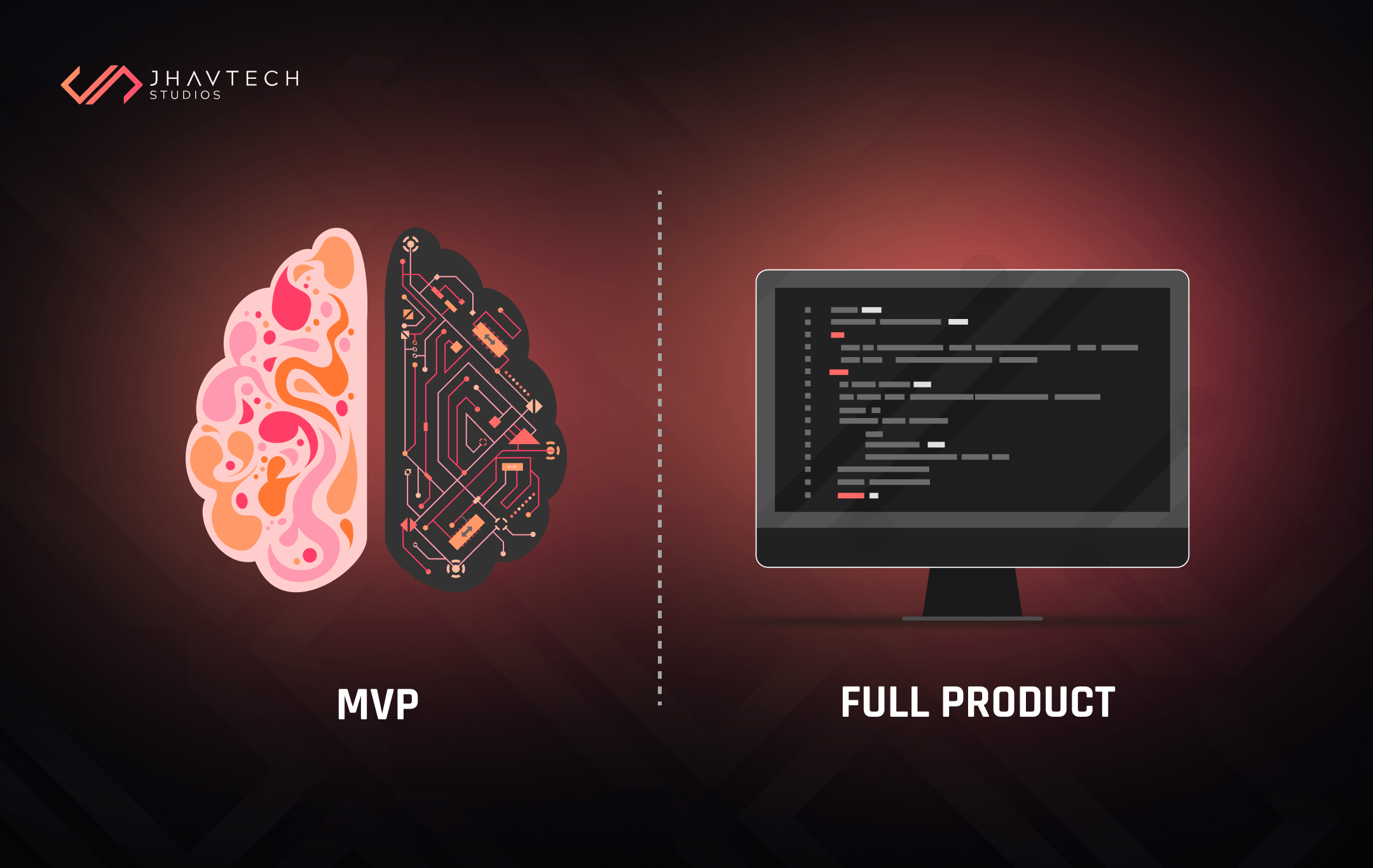
Roll out a minimum viable product, collect metrics, fix friction points, and expand feature sets gradually rather than all at once.
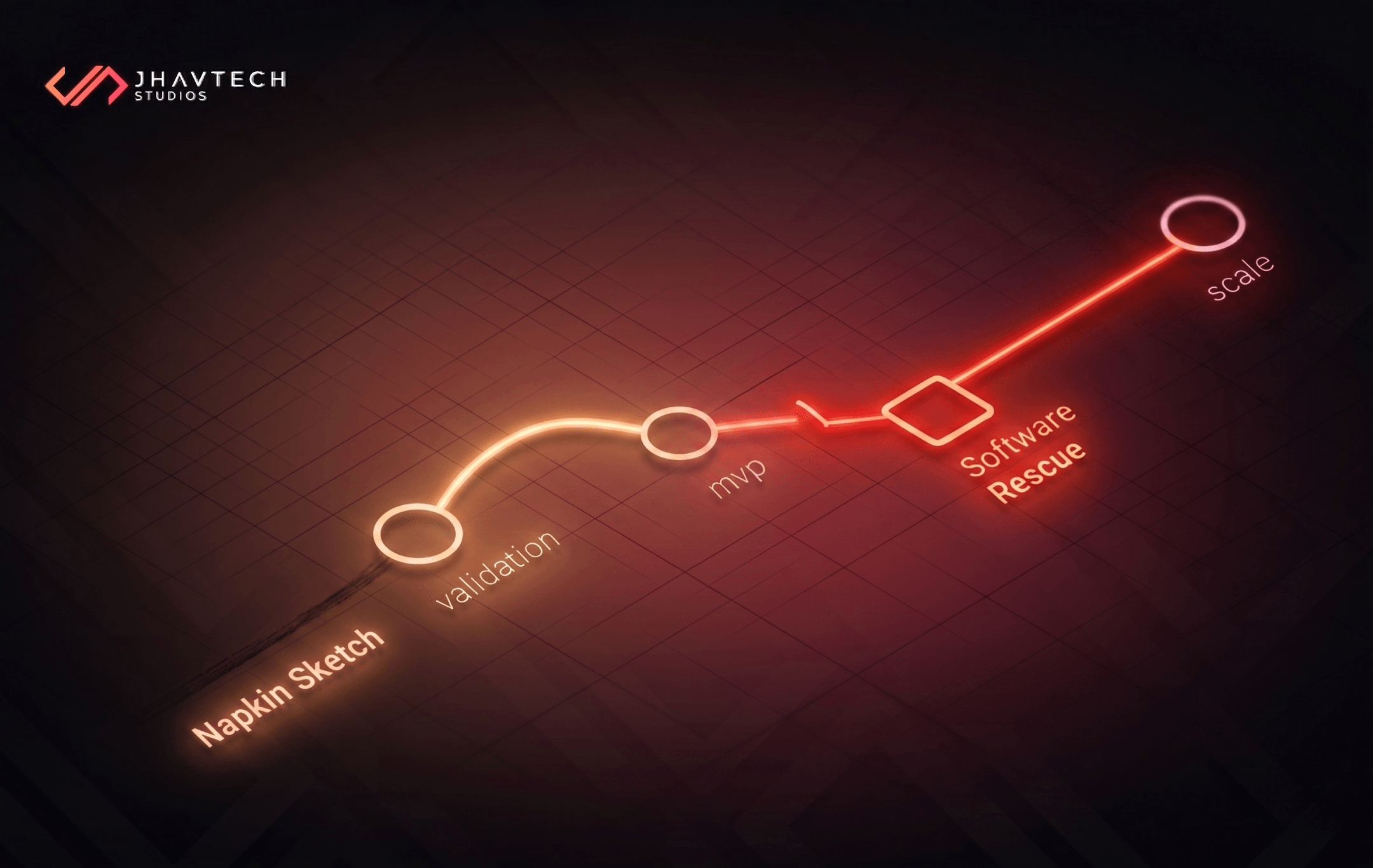
These nine steps form the foundation of building a robust, intelligent dating app. But a blueprint is just the start. What really matters is how execution translates into real-world performance. If your existing project has hit a roadblock or stalled in development, a software project rescue service can help bring it back on track, restoring stability, performance, and scalability. That’s where a partner with proven experience and industry insight becomes invaluable.
How Jhavtech Studios Builds Intelligent Dating Apps
At Jhavtech Studios, we don’t just deliver code; we build thoughtful systems that users love. Here’s how we turn theory into live, scalable AI dating apps:
Interdisciplinary Teams with Deep Domain Knowledge
Our seasoned app developers, data scientists, and designers collaborate from day one. Because AI dating apps demand both algorithmic accuracy and seamless user experience, we ensure the tech and design sides inform each other.
Mobile-first Architecture and App Development Expertise
From native iOS/Android to cross-platform frameworks, our experience in app development (as showcased in our services) ensures your application performs beautifully on user devices.
User-centric UI/UX and Emotional Design
We emphasise clean, intuitive interaction and emotional feedback loops. Your user journey is carefully mapped so that even the most advanced AI features feel natural.
Proven Portfolio and Credibility
You don’t have to take our word for it... check our portfolio and client reviews to see real projects, technologies, and challenges we’ve handled across mobile, web, AR, and AI domains.
Ongoing Support, Iteration and Growth Mindset
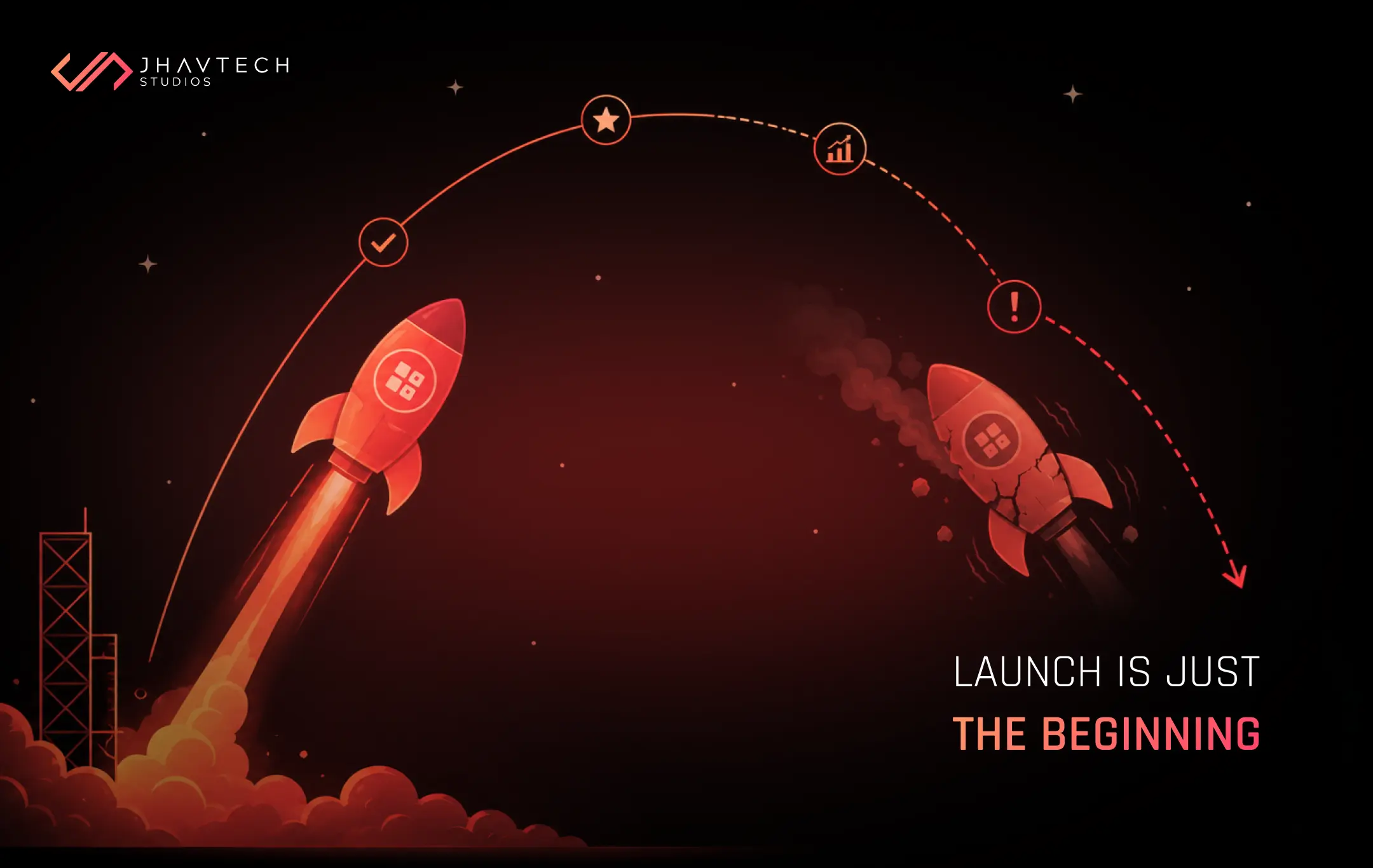
Launch isn’t the finish line. We monitor, iterate, and scale with you, improving match logic, adding new features (like AR overlays or wearable integrations), and maintaining high reliability as usage grows.
When you partner with Jhavtech Studios, you gain a team that deeply understands not just how to build AI dating apps, but how to make them meaningful, safe, and sustainable.
Conclusion: The Future of Dating Belongs to AI
We’re witnessing a shift in how people connect. AI dating apps are not just “swipe tools”. They’re becoming personal coaches, safety guardians, and emotional interpreters. The winners in 2026 won’t just match people—they’ll deepen connections, reduce risk, and adapt with every interaction.
If you’re thinking of launching a modern dating platform, make AI your foundation and not simply an add-on. Build with behaviour-based matchmaking, safety-first logic, and human centric design. And if you want a trusted partner to build it, let Jhavtech Studios help.
➡️ Explore our Dating App Development Services and see how we craft smart, safe, and scalable romance platforms.
Frequently Asked Questions
1. How accurate is AI matchmaking?
Very accurate when built well. AI can analyse multiple signals (i.e. user preferences, behaviour, communication style) for more relevant matches.
2. Can AI dating apps be safe?
Yes. Through fraud detection, deepfake analysis, identity verification, and real-time anomaly detection, apps can dramatically reduce scams.
3. What is the future of dating apps after 2026?
Expect immersive experiences via AR, wearables, voice assistants, and contextual data (e.g. heart rate) to influence matching.
4. How much does building an AI-powered dating app cost?
That depends on features and markets. But partnering with experienced teams or leveraging modular AI systems can reduce cost and speed up go-to-market.

.webp)
.png)

.webp)
.webp)
.webp)
.webp)
.webp)
.webp)

.webp)
.webp)
.png)
.png)
.png)
.png)
.png)
.png)
.png)
.png)
.png)
.png)
.png)
.png)
.png)
.png)
.png)
.png)
.png)
.png)
.png)
.png)
.png)
.png)
.png)
.png)
.png)
.png)
.png)
.png)
.png)
.png)
.png)
.png)
.png)
.png)
.png)
.png)
.png)
.png)
.png)
.png)
.png)
.png)
.png)
.png)

.png)
.png)
.png)