.svg)
.svg)


The Ultimate Guide to Project Audit: Evaluating Issues and Managing Risks
.png)
Introduction
A project audit is an internal or external review of a web or mobile application to check its quality or adherence to the industry’s best practices, standards and regulations. It is a crucial part of app development projects wherein technical experts search for possible errors in the code, design, and overall user experience. An audit is also conducted to ensure the app’s performance, maintainability, security, and scalability.
In the end, you’ll receive a detailed technical review that indicates your app’s strengths and possible areas of improvement. In this post, we will discuss the key steps and strategies involved in conducting a project audit to assess issues and mitigate risks effectively.
Understanding Project Audits
Before delving into the details of conducting a project audit, it’s imperative to have a clear understanding of its purpose and intended benefits.
- Why Conduct a Project Audit? In relation to software project rescue, audits are done to provide precious insights into project management, uncover potential risks, identify areas for improvement, and ensure alignment with project objectives.
- When to Conduct a Project Audit? It can be done at various stages of the app development project, including major milestones or in response to certain issues or concerns. An audit of your app is also conducted after the complete handover of the project.
- What Points Should You Focus on When Doing an Audit?
- App Architecture – This involves a review of the core architecture upon which the front-end framework is based.
- Code Analysis – This is a line-by-line code analysis to ensure quality.
- Continuous Integration and Continuous Deployment (CI/CD) – This is one of the best practices for Development and Operations (DevOps) teams, and is likewise a preferred approach in agile project management. CI and CD are methods used by development teams to deliver frequent code changes. They aim to improve the speed, efficiency, and reliability of an application.
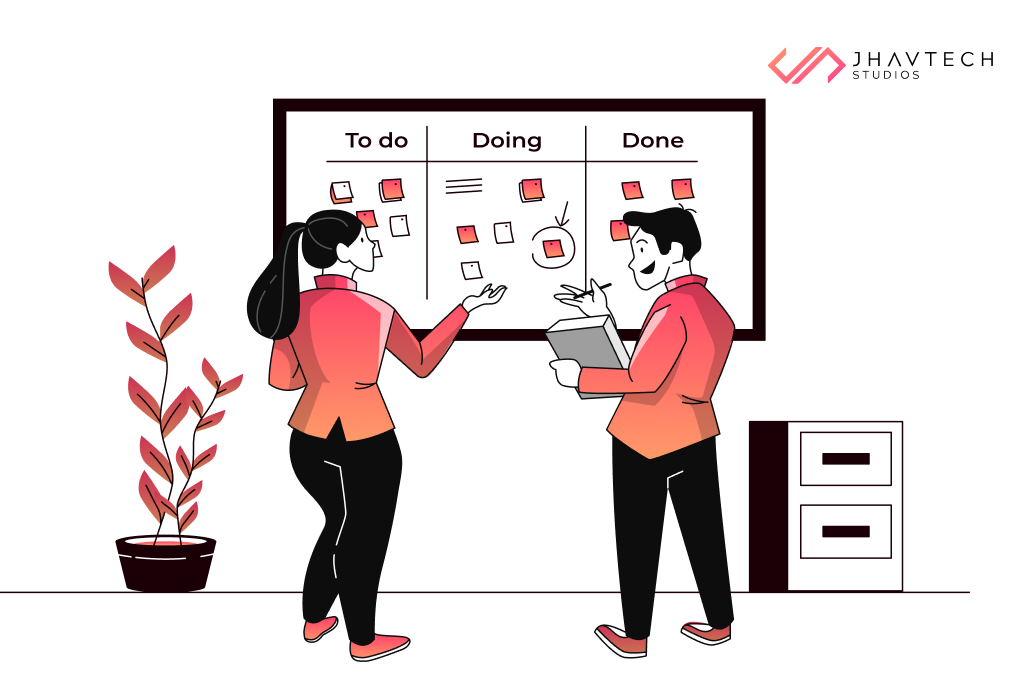
The Benefits of Conducting a Project Audit
From an execution perspective, auditing a web or mobile app doesn’t differ greatly from other project management audits. After you’ve mapped out the process, you can start the actual work of conducting the audit. But in order to effectively evaluate issues and mitigate risks, follow the steps outlined below…
1. Define the Audit Scope and Objectives
Right off the bat, you must clearly delineate the scope of the project audit, including the specific processes, technologies, and deliverables to be evaluated. The audit scope identifies the extent of the activities and the stages of development that are to be subjected to review. This usually involves key areas like standards and procedures, performance monitoring, security, documentation and reporting.
Defining the audit scope goes hand-in-hand with setting clear goals and objectives, such as assessing compliance with project plans, identifying performance gaps or uncovering potential risks. Note that audit objectives directly align with the business objectives of the client wanting to develop the app. Auditors must ensure that the objectives are consistent with the client’s goals in regards to:
- Efficient and effective use of resources
- Achievement of operational goals
- Reliability and functionality of the end product
- Compliance with industry policies, procedures, laws and regulations
- Determination of business risks for all stakeholders
2. Gather Relevant Project Documentation
The preparation for a project audit requires collecting comprehensive information and documentation, including project plans, requirements, schedules, communication records, and development costs. This is done so the auditor(s) can have a thorough understanding of the project’s history, objectives, and current status.
3. Assess Project Performance
The project’s performance can be effectively evaluated against established objectives, development milestones, and key performance indicators (KPIs). You must also identify any possible deviations and determine their effect on the project’s success.
Ultimately, the best way to assess project performance is to set goals ahead of time, come up with measurements based on project objectives and monitor performance throughout the development process so you have time to adjust actions and priorities.
4. Identify Issues and Risks
Identify and document any app development challenges, issues or risks that can affect the project’s scope, budget, timeline, and quality of the deliverables. Prioritise the issues according to their severity and potential impact on project success. Meet the core members of the development team to agree on possible solutions to the problems identified. Define and document the lessons learned which can improve the performance and quality of future app development projects with the same client.
5. Conduct Stakeholder Interviews
The auditor may choose to run interviews with the stakeholders and project management team to determine the project’s success criteria. He may develop a checklist and a questionnaire and then send them to the members of the team and to stakeholders who are directly involved in the project. He may also schedule a meeting to discuss their thoughts on the current state of the project.

Mitigating Risks and Managing Issues
Once you have identified critical issues and potential risks after conducting the project audit, the next step is to develop strategies to effectively resolve those issues and mitigate the risks.
1. Risk Mitigation Strategies
Risk mitigation involves preparing app development projects for potential threats and minimise their detrimental effects. It essentially means what you are going to do and how you will handle certain risks. Hence, it entails the assessment of the highest-rank risks and the development of strategies to prevent them from derailing the project or requiring software project rescue.
The project management team must assign responsibility for risk mitigation and set clear action plans to minimise the impact of risks. An effective risk mitigation plan will weigh the effect of each risk and prioritise planning around that effect. However, in some scenarios, instead of planning to avoid a risk, mitigation deals with the fallout of a setback and the steps that can be taken to reduce the negative and, potentially, long-term effects.
2. Issue Management and Resolution
In line with software project rescue, the development team must come up with an issue management framework to effectively address identified issues. The project rescue team must set clear communication channels, assign responsibility for issue resolution, and set realistic timelines for successful resolution.
With appropriate issue management, project completion will be achieved, and with proper foresight, prompt action can be undertaken to ensure that the roadblocks to project completion are eliminated. During the course of a project, the primary causes of the issues will vary, but it’s in the systematic process that all viable solutions will be attained.
Moreover, the issue management system provides an effective means through which the issue resolution process can be analysed and documented for learning by the project rescue team. With every project iteration, the process becomes simpler, easier and completion is achieved faster. This in turn results in proper allocation of resources, much-needed cost savings for the client, and ultimately, a highly successful app.
3. Continuous Monitoring and Improvement
A software project rescue doesn’t end when a web or mobile app goes live. Certain mechanisms must be implemented for ongoing project monitoring in order to identify issues and risks before they become major problems. Regular evaluation of app performance against established KPIs must also be conducted and strategies adjusted as needed.
Continuous monitoring is also used to keep track of an app’s operational performance. Technical experts can leverage a continuous monitoring tool to identify app performance issues, identify the root causes, and implement a solution before the issue escalates into downtime and loss of revenue. Continuous monitoring can also be used by the project rescue team to track user behaviour, particularly after a new application update. The team can determine if the upgrade had a good or negative effect on user behaviour and the overall user experience.

Conclusion
Conducting an audit is a critical step in mobile or web app development projects as it allows for the in-depth evaluation of issues and effective management of risks. By clearly defining the audit objectives and scope, collating relevant documents, assessing project performance, identifying issues and risks, conducting stakeholder interviews, and executing risk mitigation and issue management strategies, you can ensure that your project progresses smoothly and efficiently.
By using a comprehensive auditing system, you will pave the way for increased quality, timeliness, and stakeholder satisfaction. By addressing issues proactively and implementing effective risk management, you set the stage for successful business outcomes. Remember, an audit isn’t just about finding deficiencies; it involves optimising processes, fostering continuous improvement, and ultimately delivering a product that meets or exceeds expectations.




.png)

.png)
.png)
.png)
.png)
.png)
.png)
.png)
.png)
.png)
.png)
.png)


.png)
.png)
.png)
.png)
.png)
.png)
.png)
.png)
.png)

.png)
.png)
.png)
.png)
.png)
.png)
.png)
.png)
.png)
.png)


.png)
.png)
.png)

.png)
.png)
.png)
.png)

.png)
.png)
.png)


.png)
.png)
.png)
.png)

.png)


.png)

.png)







.png)






.png)

.png)




.png)


.png)

.png)
.png)