.svg)
.svg)


The Ultimate Guide to iOS App Development: Choosing the Best Language for Success
.png)
Are you looking to build a successful iOS app but feeling overwhelmed by the numerous programming languages to choose from? Look no further than this ultimate guide to iOS app development. In this comprehensive article, we will help you make the right decision by narrowing down the options and highlighting the best language for your app's success.
When it comes to iOS app development, the choice of programming language can greatly impact the functionality, user experience, and overall success of your app. Whether you're a seasoned developer or a novice looking to break into the app development industry, understanding the different languages available and their unique features is essential.
Throughout this guide, we will explore the pros and cons of the most popular programming languages for iOS app development, including Swift and Objective-C. We will delve into their performance, ease of use, community support, and compatibility with different iOS devices.
So, if you're ready to embark on your iOS app development journey and create an app that stands out from the crowd, let's dive in and choose the best language for your app's success.
Importance of Choosing the Right Programming Language
Selecting the appropriate programming language is a crucial decision for any iOS app development project. The language you choose will have a significant impact on the overall development process, the app's functionality, and its long-term maintainability. Choosing the right language can mean the difference between a successful, well-received app and one that struggles to gain traction in the highly competitive app market.
When it comes to iOS app development, the two primary programming languages to consider are Swift and Objective-C. Both languages have their own unique strengths and weaknesses, and the choice between them will depend on a variety of factors, including your development team's expertise, the complexity of your app, and your long-term goals for the project. Factors such as performance, ease of use, community support, and compatibility with the latest iOS features should all be carefully evaluated before making a decision.
Ultimately, the choice of programming language will have a significant impact on the overall success of your iOS app. By taking the time to understand the nuances of each language and how they align with your specific needs, you can ensure that your app is built on a solid foundation and positioned for long-term success in the highly competitive iOS app market.
Swift: The Preferred Language for iOS App Development
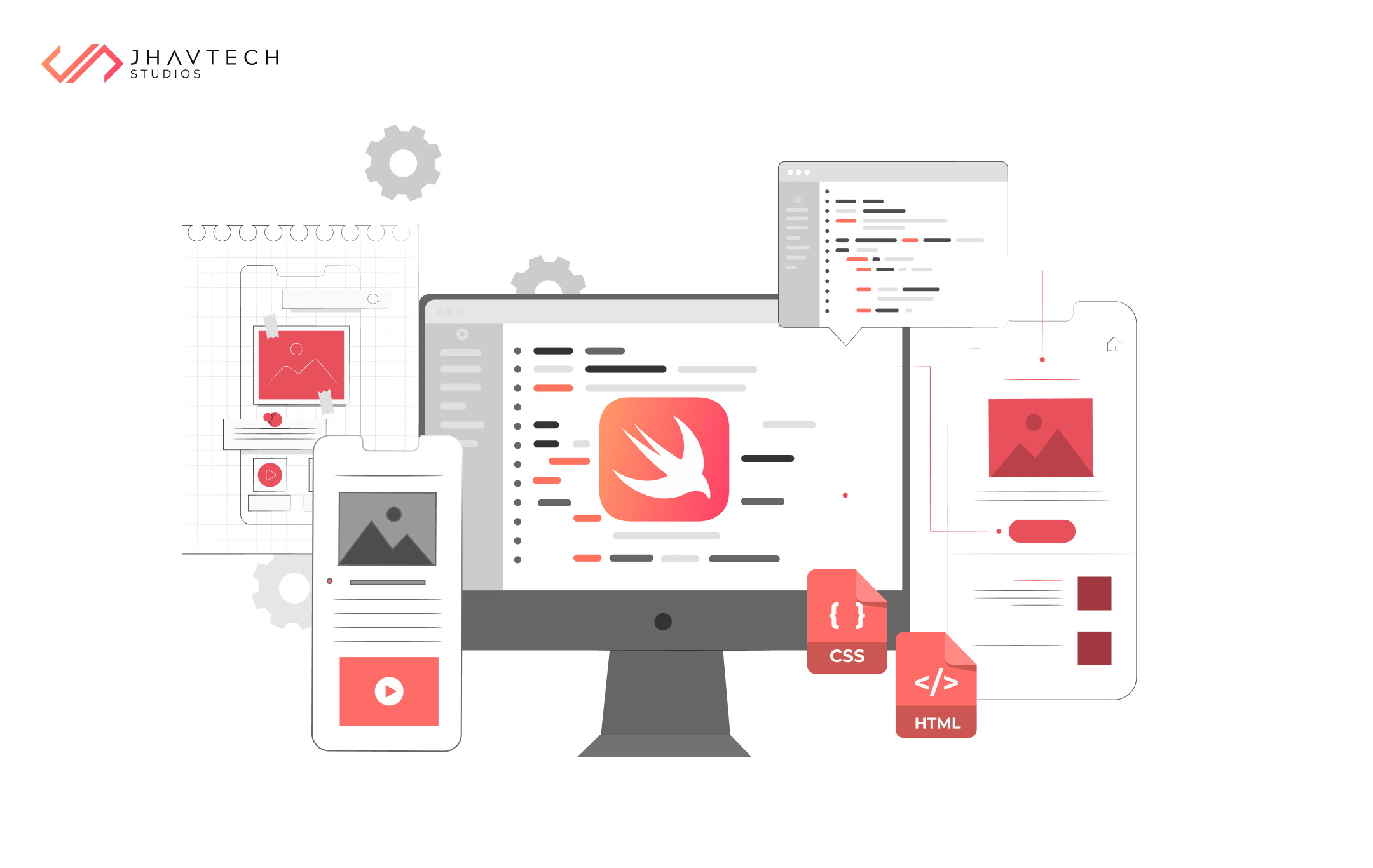
Swift, introduced by Apple in 2014, has quickly become the preferred language for iOS app development. Designed to be a modern, safe, and expressive language, Swift offers a number of advantages over its predecessor, Objective-C, that have made it the go-to choice for many iOS developers.
One of the primary benefits of Swift is its simplicity and ease of use. Compared to Objective-C, which can be verbose and complex, Swift features a more concise and intuitive syntax that makes it easier for developers to write and read code. This can lead to faster development times, reduced debugging efforts, and a more streamlined overall development process.
In addition to its user-friendly syntax, Swift also boasts superior performance and efficiency. The language is designed to be highly optimized, with features like automatic memory management and a robust type of system that help to minimize errors and improve the overall stability of your app. This can be particularly important for resource-intensive applications, where performance is critical to the user experience.
Another key advantage of Swift is its strong community support and ecosystem. As Apple's officially recommended language for iOS app development, Swift has quickly gained widespread adoption among developers, resulting in a wealth of resources, libraries, and tools that can help to accelerate your development process. This community support, combined with Apple's continued investment in the language, makes Swift a reliable and future-proof choice for your iOS app development needs.
Objective-C: An Alternative Language for iOS App Development
While Swift has emerged as the preferred language for iOS app development, Objective-C remains a viable option for developers who are more familiar with the language or who are working on legacy projects. Objective-C has been the primary language for iOS development since the introduction of the iPhone, and it continues to be widely used by many developers and organizations.
One of the key advantages of Objective-C is its maturity and stability. As the original language for iOS development, Objective-C has a long history of use and a well-established ecosystem of libraries, frameworks, and tools. This can be particularly beneficial for developers who are working on large-scale or complex projects that require a high degree of reliability and integration with existing systems.
Additionally, Objective-C offers a more comprehensive set of features and capabilities compared to Swift. The language's dynamic runtime and powerful object-oriented programming model can be particularly useful for advanced development tasks, such as meta-programming, runtime reflection, and low-level system interactions. This can make Objective-C a better choice for developers who require a higher degree of control and flexibility in their app development process.
Despite these advantages, it's important to note that Objective-C is no longer Apple's primary focus for iOS development. While the language is still supported and maintained, the company's emphasis has shifted towards Swift, which means that new features, tools, and resources are more likely to be developed with Swift in mind. This can make it more challenging for Objective-C developers to keep up with the latest advancements in the iOS ecosystem.
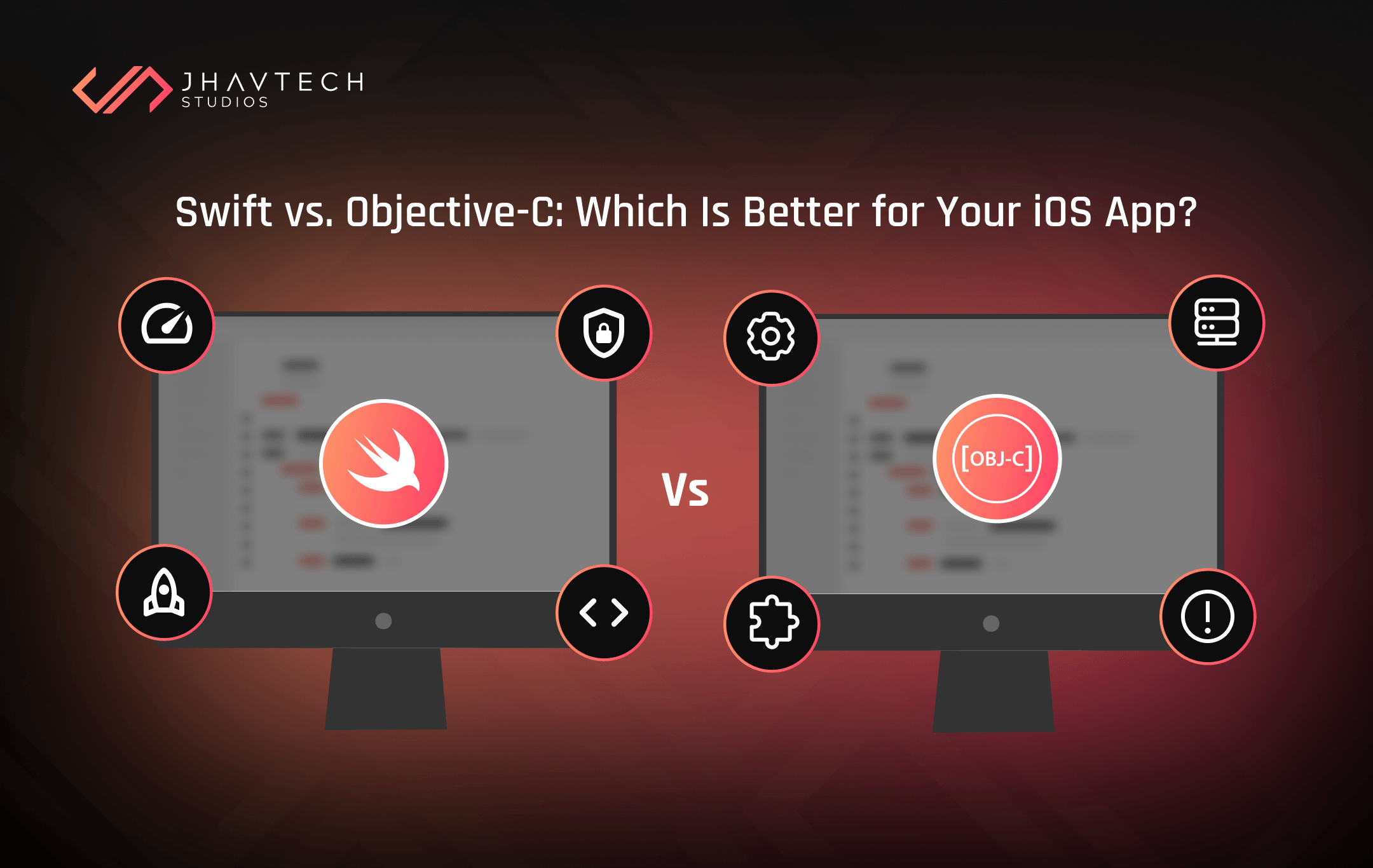
Comparing Swift and Objective-C for iOS App Development
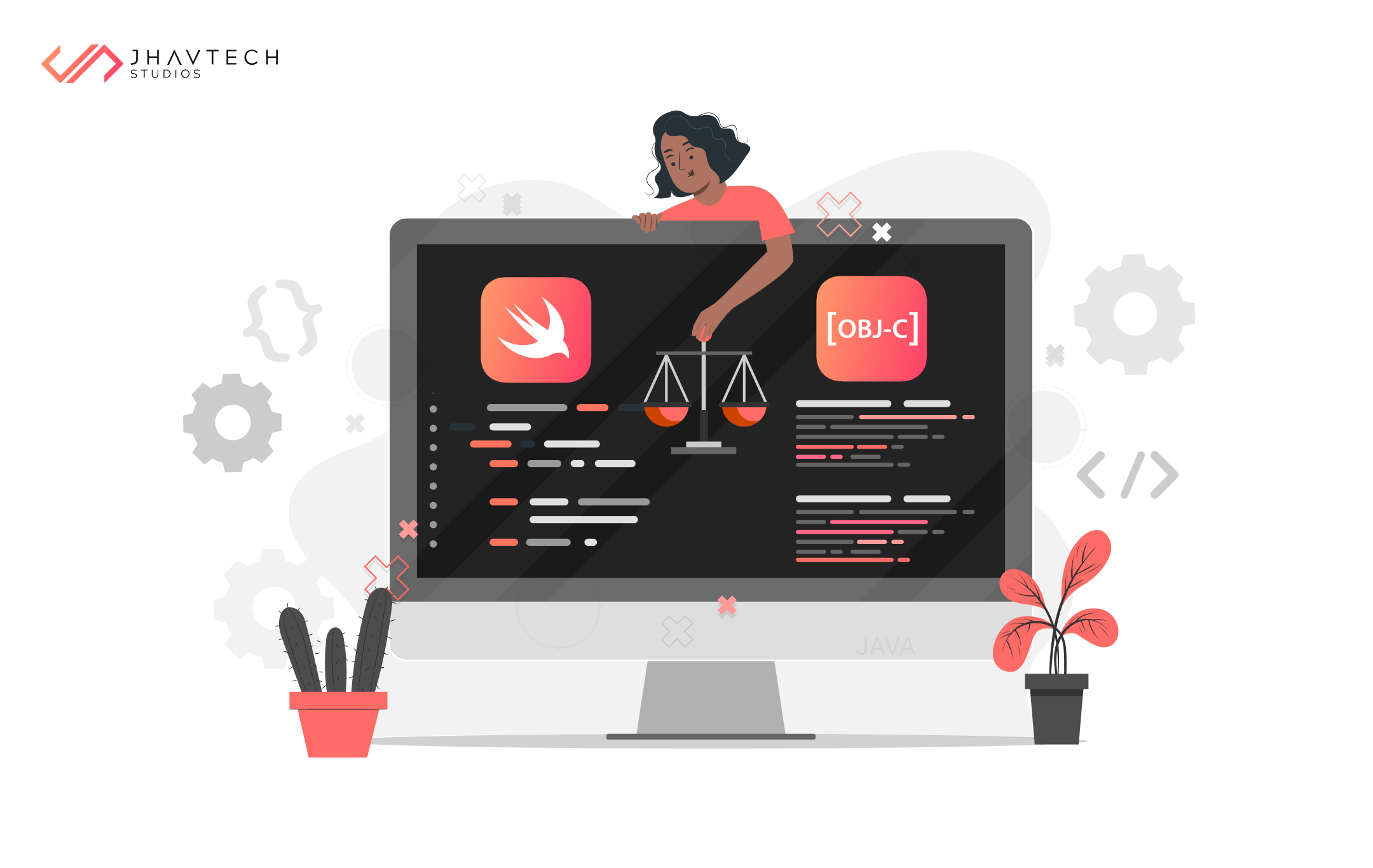
When it comes to choosing between Swift and Objective-C for iOS app development, there are several key factors to consider. Both languages have their own unique strengths and weaknesses, and the best choice will depend on the specific needs and requirements of your project.
One of the primary differences between the two languages is their syntax and ease of use. As mentioned earlier, Swift is generally considered to be more concise and intuitive, with a syntax that is closer to modern programming languages like Python and Java. Objective-C, on the other hand, has a more verbose and complex syntax that can be more challenging for novice developers to learn and understand.
In terms of performance, both Swift and Objective-C are highly optimized for iOS development, but Swift has a slight edge in terms of speed and efficiency. This is due in part to its modern design and the fact that it was built from the ground up with performance in mind. Objective-C, while still a highly performant language, has some legacy features and design decisions that can impact its overall speed and efficiency.
Another important factor to consider is the level of community support and ecosystem. As Apple's officially recommended language for iOS development, Swift has a much larger and more active community of developers, which means that there are more resources, libraries, and tools available to support your development process. Objective-C, while still widely used, has a smaller and more fragmented community, which can make it more challenging to find the support and resources you need.
Factors to Consider When Choosing a Language for iOS App Development
When it comes to choosing a programming language for your iOS app development project, there are several key factors to consider. Here are some of the most important factors to keep in mind:
Performance:
As mentioned earlier, both Swift and Objective-C are highly performant languages, but Swift has a slight edge in terms of speed and efficiency. If your app requires a high degree of performance, such as for resource-intensive tasks or real-time interactions, Swift may be the better choice.
Ease of Use:
Swift is generally considered to be more intuitive and easier to learn than Objective-C, with a more modern and concise syntax. This can be particularly important if you have a smaller development team or are working with less experienced developers.
Community Support and Ecosystem:
Swift has a much larger and more active community of developers, which means that there are more resources, libraries, and tools available to support your development process. This can be a significant advantage, especially for less experienced developers who may need more guidance and support.
Compatibility with Existing Systems:
If you're working on a legacy project that is heavily reliant on Objective-C code, it may make more sense to continue using Objective-C to ensure seamless integration and compatibility with existing systems.
Long-term Maintenance and Support:
Given Apple's focus on Swift as the primary language for iOS development, it's important to consider the long-term viability and support for each language. Swift is likely to receive more updates, new features, and community support in the years to come, which can make it a more future-proof choice for your app development needs.
Team Expertise:
The existing skills and expertise of your development team can also be a significant factor in choosing the right programming language. If your team is more familiar and comfortable with Objective-C, it may make sense to continue using that language, at least in the short term, to leverage their existing knowledge and skills.
By carefully considering these factors and how they align with your specific project requirements and development team, you can make an informed decision on the best programming language for your iOS app development needs.
Resources for Learning Swift and Objective-C
Regardless of which programming language you choose for your iOS app development project, it's important to have a strong understanding of the language and its features.
Fortunately, there are a wealth of resources available to help you learn and master both Swift and Objective-C.
For those new to iOS app development or looking to learn Swift, here are some excellent resources to get started:
Apple's Swift Documentation:
Apple's official documentation for the Swift programming language, which covers everything from the basics of the language to more advanced topics.
Swift by Sundell:
A popular blog and podcast by John Sundell, a respected iOS developer, that provides in-depth tutorials and insights on Swift development.
Swift Programming: The Big Nerd Ranch Guide:
A comprehensive book that covers the fundamentals of Swift programming and app development.
Raywenderlich.com:
A well-known resource for iOS development tutorials, including a dedicated section for Swift.
For developers who are more familiar with Objective-C or are working on legacy projects, here are some resources to help you stay up-to-date with the language:
Apple's Objective-C Documentation:
Apple's official documentation for the Objective-C programming language, which provides a comprehensive reference for the language's features and syntax.
Cocoa Dev Central:
A long-running blog that covers a wide range of Objective-C and iOS development topics.
Programming in Objective-C (6th Edition):
A popular book that provides a thorough introduction to Objective-C programming and best practices.
NSHipster:
A blog that explores the more advanced and lesser-known features of Objective-C and the Cocoa framework.
In addition to these resources, there are also numerous online courses, video tutorials, and community forums available to help you learn and improve your skills in both Swift and Objective-C. By taking the time to invest in your development skills, you can ensure that you are well-equipped to tackle any iOS app development project, regardless of the programming language you choose.
Tools and Frameworks for iOS App Development
Regardless of whether you choose Swift or Objective-C for your iOS app development project, there are a number of powerful tools and frameworks available to help you streamline your development process and create high-quality applications.
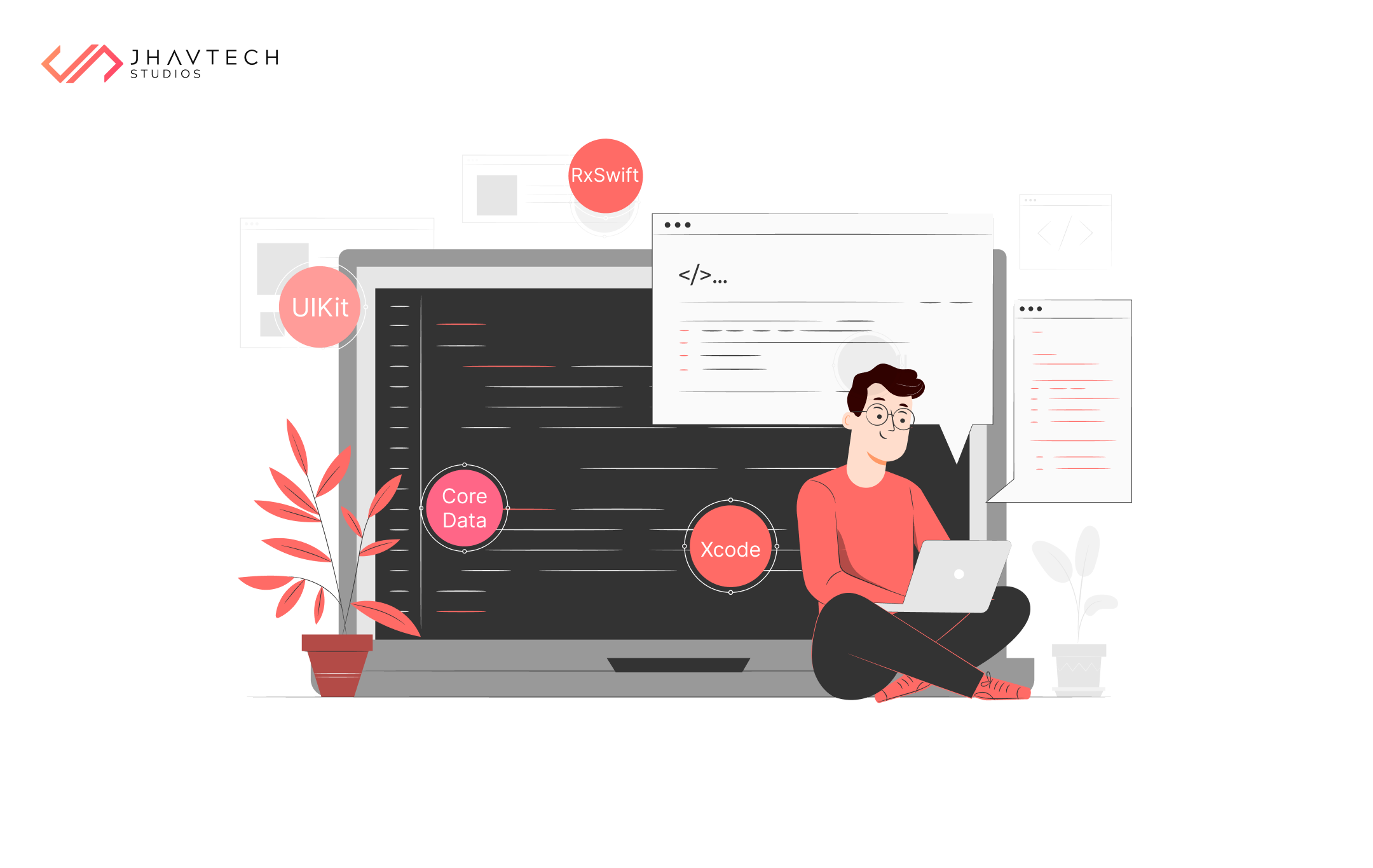
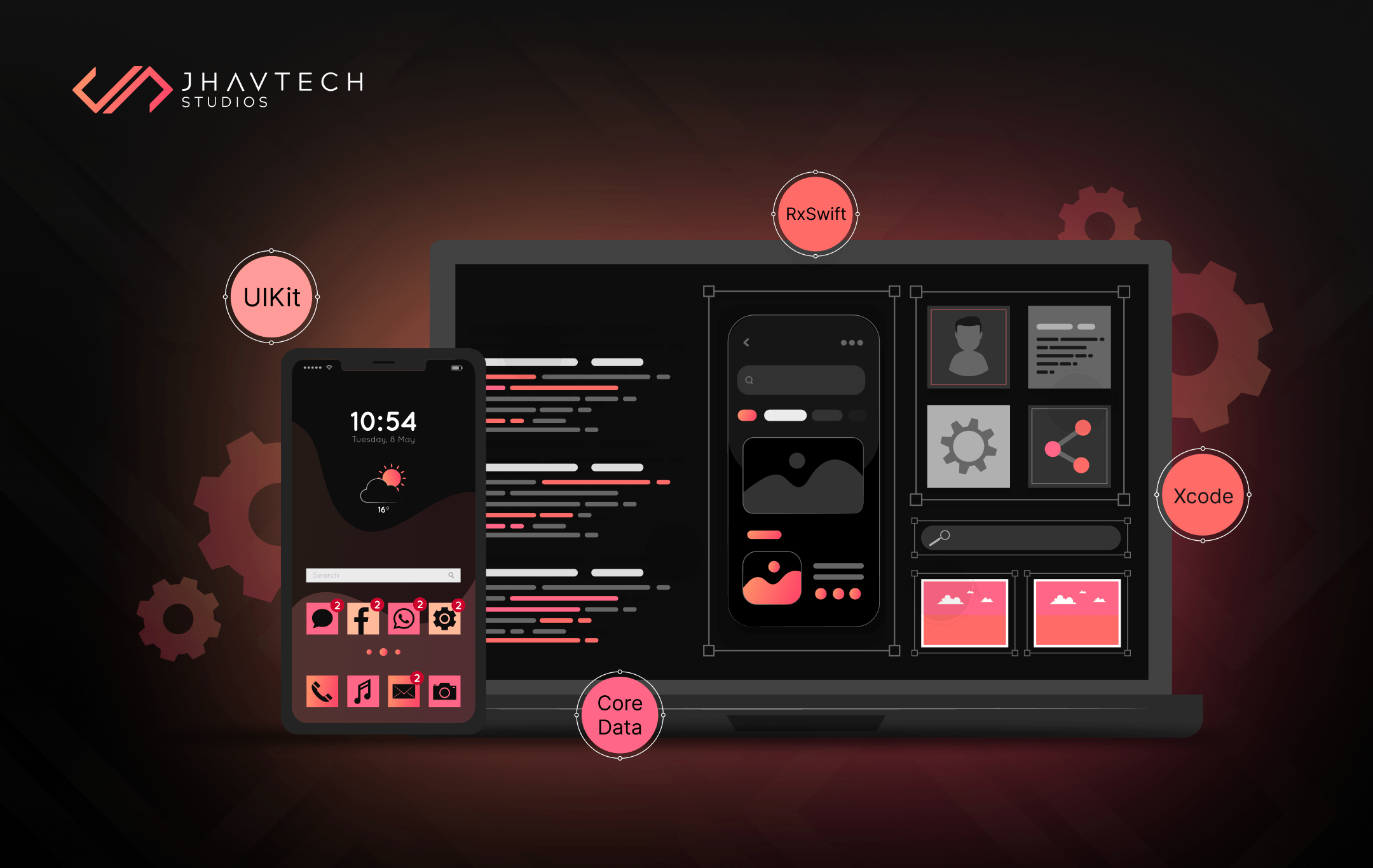
One of the most important tools for iOS app development is Xcode, Apple's integrated development environment (IDE) for creating apps for Apple platforms. Xcode provides a comprehensive suite of tools and features, including a code editor, debugging tools, and an interface builder for designing user interfaces. Xcode is the primary development environment for both Swift and Objective-C, and it is essential for any iOS app development project.
In addition to Xcode, there are a number of other frameworks and libraries that can be used to enhance your iOS app development experience. Some of the most popular and widely-used frameworks include:
UIKit:
The primary framework for building user interfaces on iOS, providing a comprehensive set of UI elements and tools for creating responsive and intuitive app experiences.
Foundation:
A low-level framework that provides a set of core classes and utilities for working with data, networking, and other fundamental app functionality.
Core Data:
A powerful framework for managing data models and persistence in iOS apps, making it easier to work with complex data structures.
CocoaPods:
A dependency management tool that makes it easy to incorporate third-party libraries and frameworks into your iOS app development project.
Alamofire:
A popular networking library that simplifies the process of making HTTP requests and handling responses in your iOS apps.
RxSwift:
A reactive programming framework that can help you write more concise and declarative code for your iOS apps.
These are just a few examples of the many tools and frameworks available for iOS app development. Depending on the specific requirements of your project, you may find that other tools and libraries are also useful for streamlining your development process and creating high-quality apps.
Hiring an iOS App Developer
If you're not an experienced iOS developer yourself, or if you need to scale your development team for a larger project, hiring an iOS app developer can be a critical step in ensuring the success of your app development efforts.
When it comes to hiring an iOS developer, there are a few key factors to consider:
Skill level and Experience:
Look for developers with a strong track record of building successful iOS apps, preferably with experience in the specific programming language (Swift or Objective-C) that you've chosen for your project.
Familiarity with iOS Development Tools and Frameworks:
Ensure that the developer is proficient in using Xcode, as well as other popular iOS development tools and frameworks like UIKit, Core Data, and CocoaPods.
Communication and Collaboration Skills:
iOS app development often involves working closely with designers, product managers, and other stakeholders. Look for developers who have strong communication and collaboration skills to ensure a smooth and efficient development process.
Portfolio and References:
Review the developer's portfolio of previous work to get a sense of their coding style, problem-solving abilities, and overall quality of their work. Additionally, reach out to references to get a better understanding of the developer's work ethic and reliability.
Pricing and availability:
Consider the developer's hourly rate or project-based pricing, as well as their availability and timeline for completing your project.
When it comes to finding and hiring an iOS app developer, there are a few different options to consider:
Freelance Platforms:
Sites like Upwork, Fiverr, and Freelancer.com can be a great way to find experienced iOS developers for short-term or project-based work.
Outsourcing Companies:
Outsourcing development to a specialized iOS app development company can provide you with a team of experienced developers who can work on your project from start to finish.
Local Talent Pools:
If you're located near a major tech hub or university, you may be able to find highly skilled iOS developers in your local area.
Regardless of the approach you choose, it's important to thoroughly vet and interview potential candidates to ensure that you find the right iOS developer for your project. By taking the time to find the right developer, you can ensure that your iOS app development project is a success.
Final Thoughts…
Choosing the right programming language for your iOS app development project is a critical decision that can have a significant impact on the overall success of your app. Whether you opt for the modern and efficient Swift or the more established Objective-C, it's important to carefully consider the unique strengths and weaknesses of each language, as well as how they align with your specific project requirements and development team.
By understanding the key factors to consider, such as performance, ease of use, community support, and long-term maintenance, you can make an informed decision that will set your iOS app up for success. Additionally, by leveraging the wealth of resources and tools available for both Swift and Objective-C, you can ensure that your development team has the skills and knowledge needed to bring your app to life.
Ultimately, the choice of programming language is just one piece of the puzzle when it comes to building a successful iOS app. By combining the right language with a well-designed user experience, robust functionality, and a deep understanding of your target audience, you can create an app that stands out in the crowded and highly competitive iOS app market.
So, whether you're a seasoned iOS developer or just starting out, take the time to carefully evaluate your options and choose the programming language that will best support your iOS app development goals. With the right language and a solid development strategy, you can create an app that truly resonates with your users and drives long-term success for your business.


.png)
.png)
.png)
.png)
.png)
.png)
.png)
.png)
.png)
.png)
.png)

.png)
.png)
.png)
.png)
.png)
.png)
.png)
.png)
.png)
.png)
.png)
.png)
.png)
.png)
.png)
.png)
.png)
.png)
.png)
.png)
.png)
.png)

.png)
.png)
.png)
.png)

.png)
.png)
.png)

.png)
.png)
.png)

.png)


.png)


.png)





.png)



.png)




.png)

.png)
.png)
.png)
.png)
.png)