.svg)
.svg)


Build vs Buy Software in 2026: A Decision Framework for Australian Businesses
.webp)
Deciding whether to build custom software or buy an off-the-shelf product is one of the most expensive calls an Australian founder or SME leader will make. Get it right and you gain a system that fits how you really work. Get it wrong and you either burn cash on a build you cannot maintain, or you pay for SaaS licences nobody opens.
Here is the short version:
- Buy when the problem looks like everyone else's (accounting, email, payroll, basic CRM). Speed and low upfront cost wins.
- Build when the software is how you compete, when off-the-shelf forces you to change how you operate, or when integration and data ownership matter more than convenience.
- Buy-then-extend is the option most teams overlook, and it fits more decisions than either extreme.
- The real cost of buying is rarely the sticker price. Zylo's 2026 index found companies use only 54.4% of the licences they pay for, wasting roughly $21 million a year on shelfware at the average large organisation.
- There is no default-safe path. Both build and buy can quietly waste money. The framework below helps you pick deliberately rather than by habit.
Why the Build vs Buy Software Question Got Harder in 2026
A few years ago, this was a simpler conversation. Building meant hiring engineers, waiting a year, and hoping. Buying meant signing up for a SaaS tool and moving on. The lines have blurred.
AI-assisted development and mature low-code platforms have pulled the cost and timeline of a custom build down. At the same time, SaaS pricing has crept up and quietly turned messy. Australian businesses spent nearly $13 billion on SaaS in 2025 alone, a 15.5 percent jump on the year before, according to Gartner's Australian public cloud forecast. SaaS spend per employee has climbed past $4,830, up almost 22 percent in a single year.
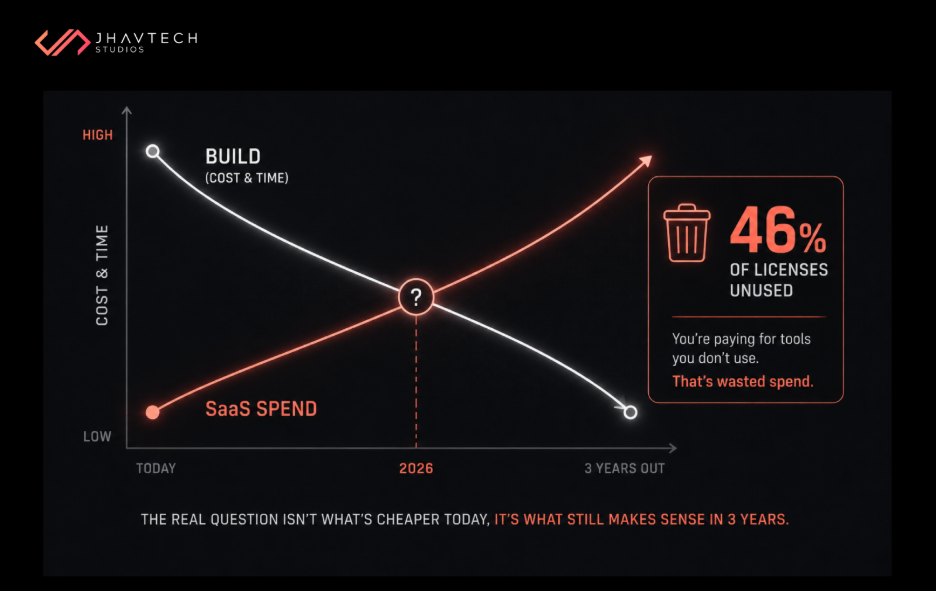
More money going out is not the problem on its own. The problem is how much of it does nothing. Zylo's latest SaaS Management Index reports that only 54.4% of paid licences are actually used, leaving around 46 percent idle. The average large company runs roughly 300 SaaS apps and wastes about $21 million a year on seats nobody opens.
So the custom software vs off-the-shelf question is no longer "which is cheaper today." It is "which one still makes sense in three years, once the real costs surface." That is where most decisions go sideways, and it is exactly what this framework is built to catch.
What "Build," "Buy," and "Buy-Then-Extend" Really Mean
Before you weigh anything, it helps to be precise. The classic build vs buy framing hides a third option that fits a lot of Australian SMEs better than either extreme.
Buy (Off-the-Shelf / SaaS)
You subscribe to a product that already exists. Think Xero, HubSpot, Monday.com, Shopify. Fast to start, low upfront cost, someone else handles maintenance and security patches. You adapt your process to fit the tool, and you pay per seat, usually forever.
You subscribe to a product that already exists. Think Xero, HubSpot, Monday.com, Shopify. Fast to start, low upfront cost, someone else handles maintenance and security patches. You adapt your process to fit the tool, and you pay per seat, usually forever.
Build (Custom Software Development)
You commission software made for your business, either with an in-house team or a development partner. Higher upfront investment and a longer road to launch, typically six to eighteen months for something substantial. In return you get no per-seat fees, full control of the roadmap, and a system that maps to how you operate.
Buy-Then-Extend
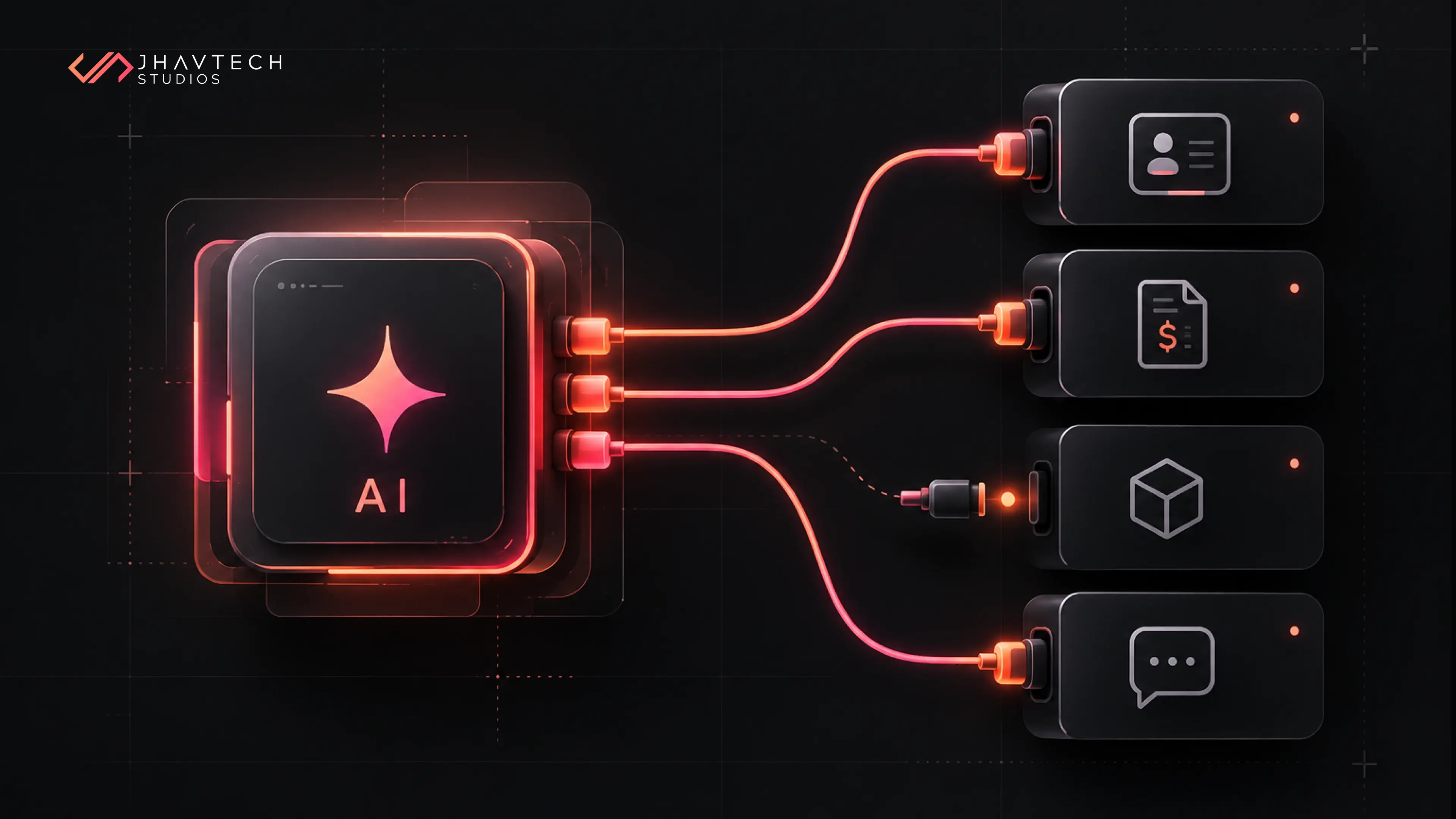
You buy a platform that covers most of what you need, then customise the rest through its extension model, APIs, or a layer of custom code on top. This is the option most teams overlook, and Zylo's analysts argue it fits more enterprise and mid-market decisions than either pure path. You get a proven base and the specific bits that make you different, without building the whole thing from scratch.
Keep all three on the table. Framing it as a binary is how good options get missed.
The Software Build vs Buy Decision, Side by Side
Here is how the two main paths compare across the factors that matter most to a growing Australian business. Read the cells as tendencies, not laws. Your vendor, your team, and your timeline will move them around.
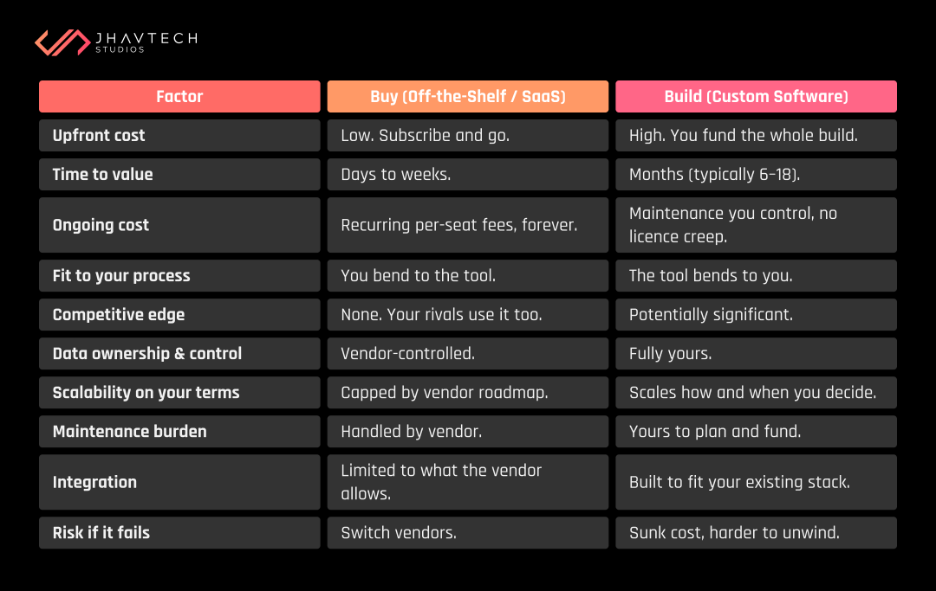
Neither column is the safe one. A build can blow its budget and still miss its target. A purchase can land on budget and still waste nearly half of what you bought. The point of a framework is to make the call on purpose.
A Practical Decision Framework You Can Actually Use
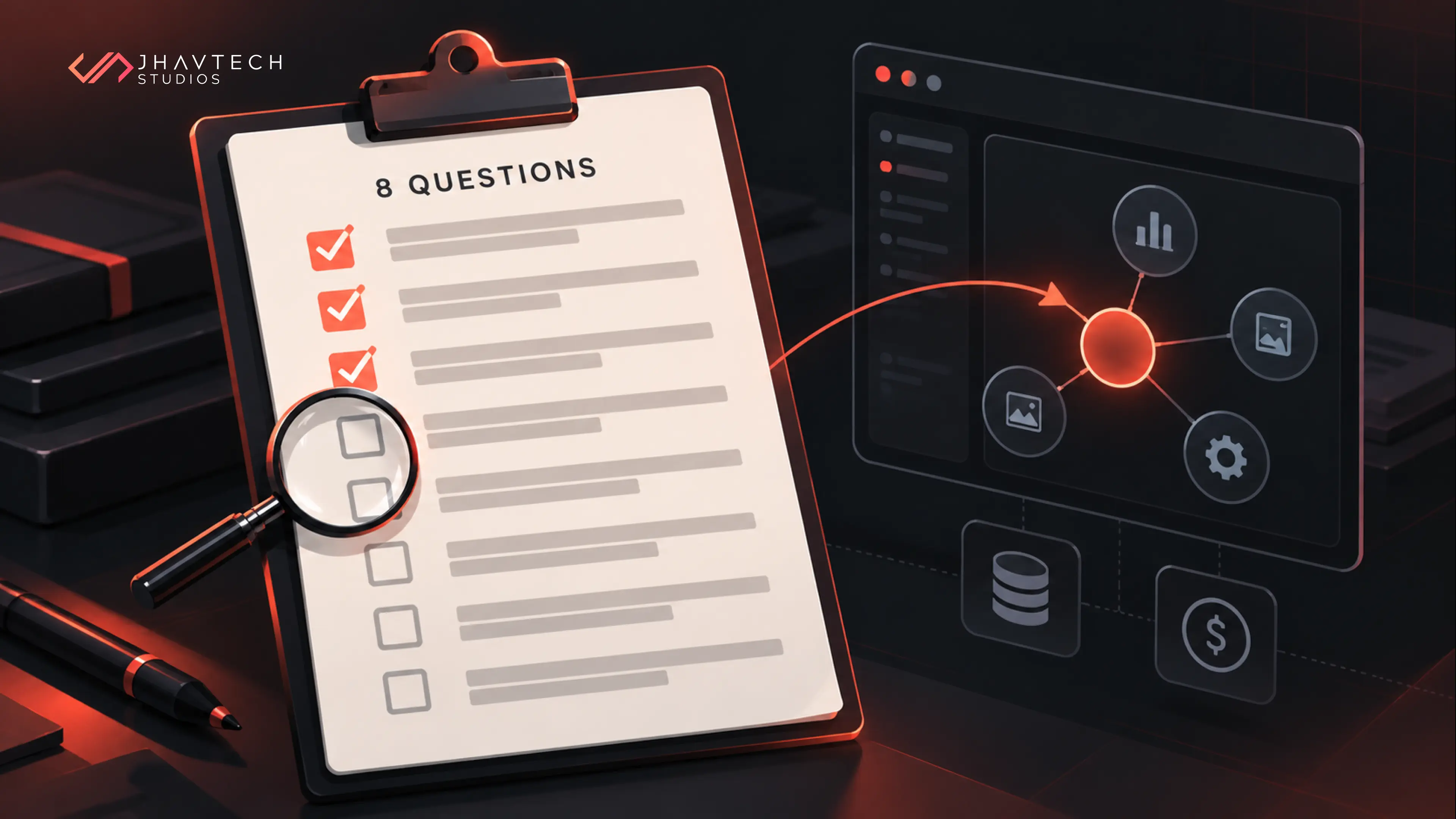
Skip the gut feel. Run your decision through these five questions in order. If you get a clear signal early, you can stop.
1. Is this software how you win, or just something you need?
Here’s a useful test: would you describe this capability in a job listing as "standard for the industry" or "the way we win"? Standard means buy. The way we win usually means build. Payroll is standard. The proprietary logic that makes your logistics faster than everyone else's is not.
2. Does an off-the-shelf product actually fit, or does it force you to change how you operate?
Off-the-shelf software wins when your problem looks like everyone else's. The moment you find yourself redesigning your workflow to satisfy a tool or stringing together three SaaS products with duct tape and manual exports, the "cheap" option is quietly getting expensive.
3. What does this really cost over five years, not five months?
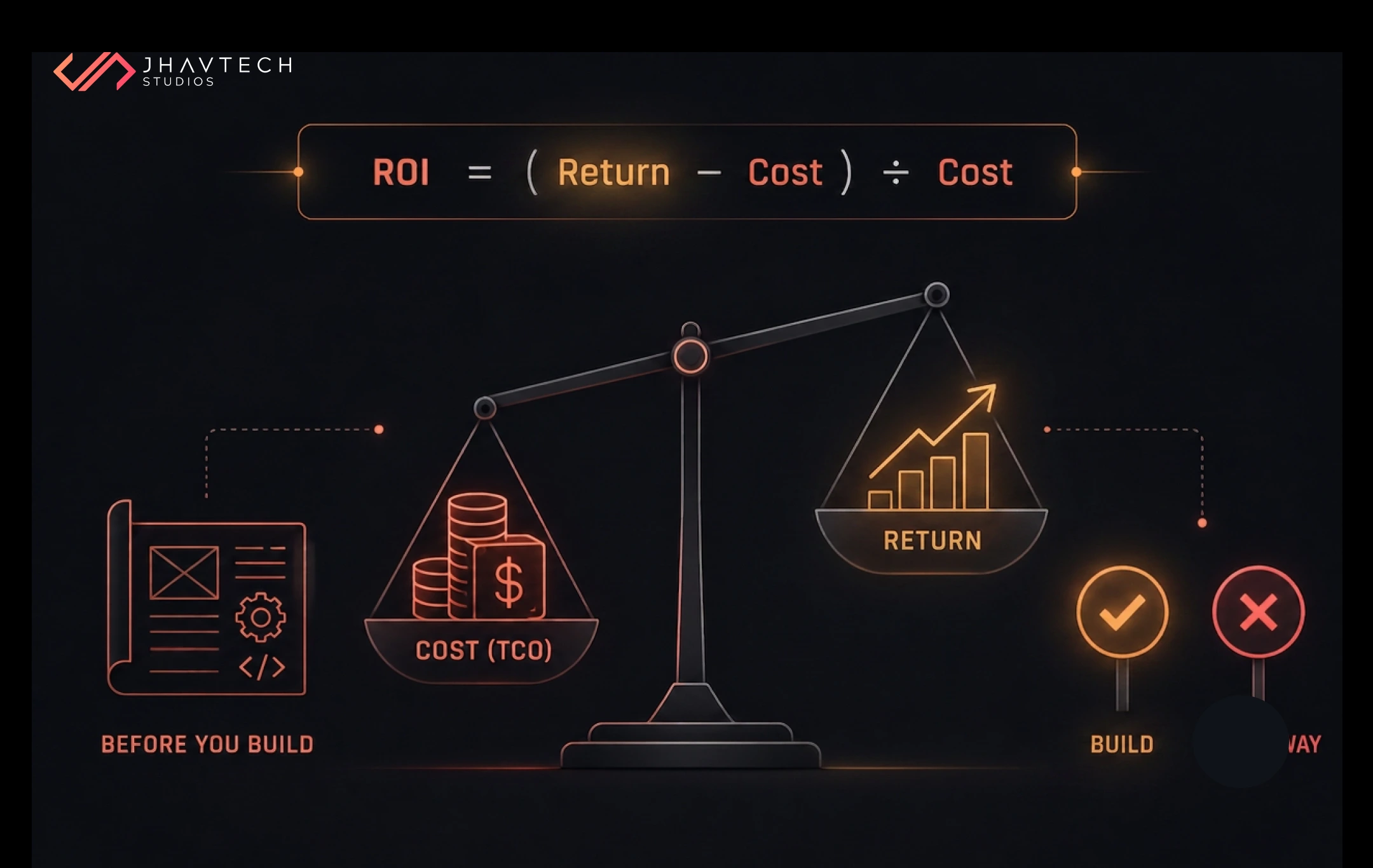
Compare total cost of ownership, not the sticker. SaaS looks cheap on day one and compounds with every new seat and every price rise. Custom has a bigger upfront number and no per-seat tax after. For software central to how you operate, custom often wins on five-year TCO, especially with shelfware waste running around $21 million a year at the average large company.
4. Can you own the maintenance, or will it rot?
This is where custom builds go to die. If you do not fund the maintenance plan up front, custom software degrades into legacy software faster than most teams expect. Buying means the vendor carries that load. Building means you do. Be honest about which you can sustain. If you have inherited a build that is already creaking, a structured audit of your existing codebase will tell you whether it is worth saving before you spend another dollar.
5. Do you have, or can you keep, the team?
Building in-house only works if you can staff and retain senior engineers. In Australia that is not cheap or easy. Senior developer salaries in Sydney and Melbourne run $140,000 to $160,000 AUD a year, and 51 percent of Australian workers already lack at least one digital skill their role needs, per the ACS 2025 Digital Pulse report. This is exactly why partner-build has become the default answer for mid-market Australian companies: the software needs to be yours, but a permanent in-house team is not realistic.
Your Build vs Buy Checklist
Print this. Run it before every major software decision. If you tick more boxes on one side, you have your answer.
Lean toward BUY if:
Lean toward BUILD (or partner-build) if:
If your ticks are split, that is usually the signal to look hard at buy-then-extend.
Two Quick Australian Scenarios
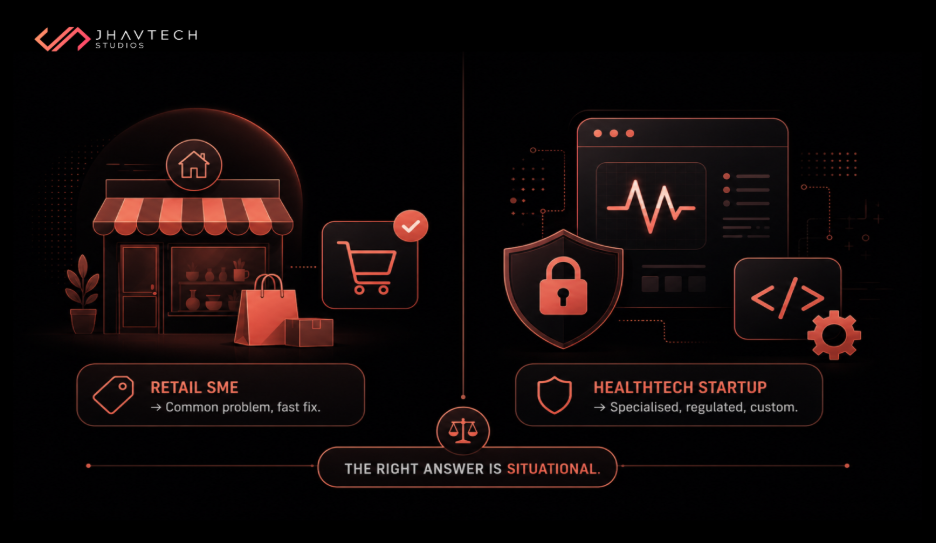
The retail SME that should buy [H3] A 12-person homewares retailer wants better inventory and online sales. This is a solved problem. Shopify plus a stock management add-on gets them live in a fortnight for a predictable monthly fee. Building custom here would be lighting money on fire for zero competitive gain. Clear buy.
The healthtech startup that should build [H3] A Melbourne healthtech founder needs a patient-management platform that handles Australian privacy requirements, integrates with clinic systems, and runs proprietary triage logic no SaaS tool offers. Off-the-shelf forces compromises on data control and the exact feature that makes the product worth funding. Australia's custom software market hit roughly USD 967.5 million in 2024 and is tracking toward USD 3.71 billion by 2030 precisely because founders in regulated, specialised sectors keep landing here. Clear build, almost certainly with a development partner rather than a rushed in-house hire.
The lesson across both: the right answer is situational. The framework, not the trend, is what gets you there.
The Mistake That Costs the Most
If there is one trap to avoid, it is treating this as a one-time decision and never revisiting it. Software choices decay. The SaaS stack that fit you at ten people is a tangle of overlapping subscriptions at fifty. The custom build you shipped and never maintained becomes the thing slowing you down.
The businesses that get this right treat build vs buy as a recurring review, not a founding-day verdict. They kill tools nobody uses. They notice when a workflow has outgrown its off-the-shelf tool. And when they do commit to a build, they plan for maintenance from day one rather than discovering the cost after launch.
For a deeper look at the patterns behind this, our pieces on why software scalability matters from day one and why most businesses ignore technical debt until it is too late are worth your time. If a project has already gone off the rails, our guide on what to check before you launch covers how to stop the bleeding.
Already stuck with a build that has stalled? Here is how we get stalled projects moving again.
Frequently Asked Questions


.png)

.png)
.png)


.png)
.png)
.png)
.png)