.svg)
.svg)


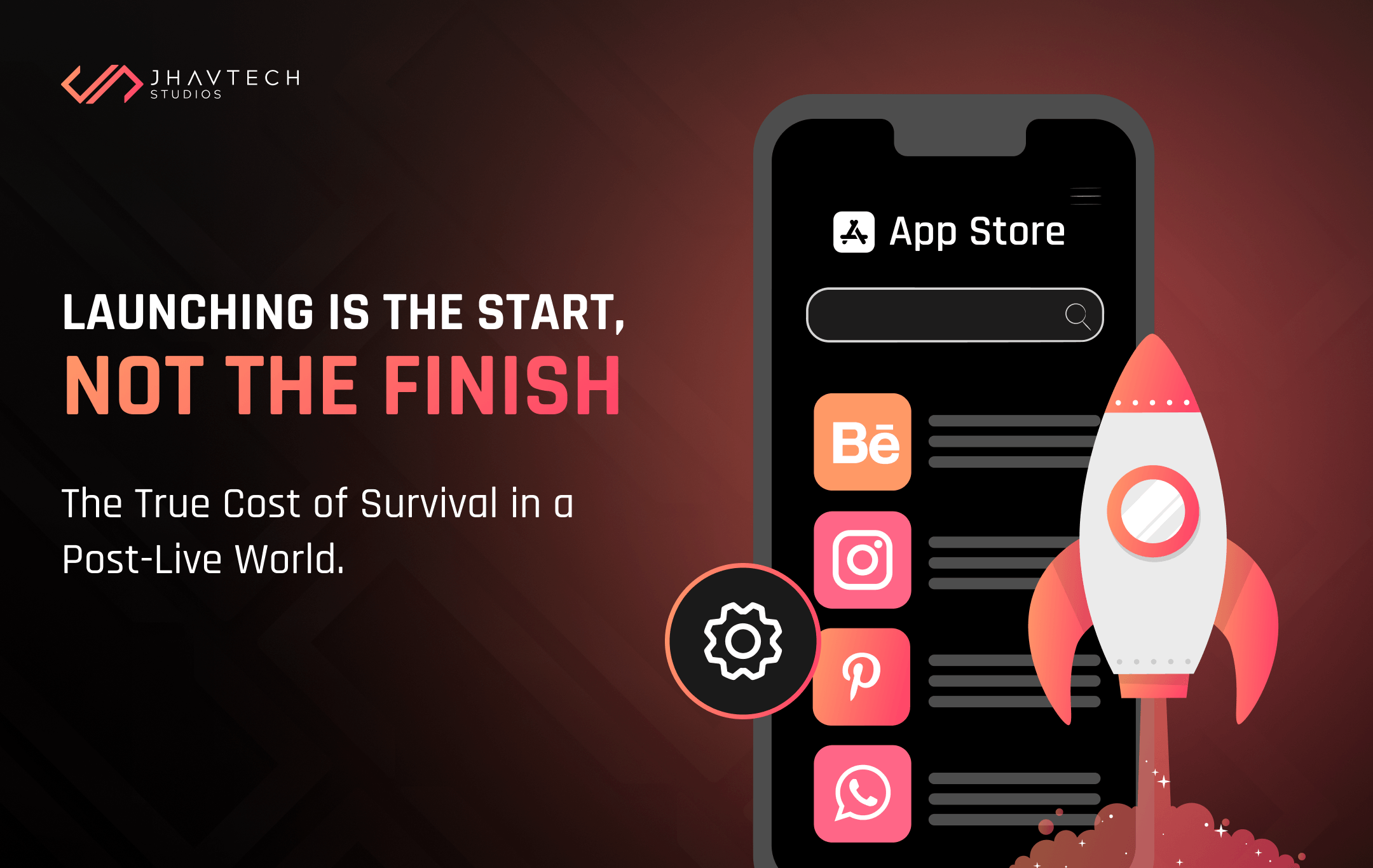
You did it. The code is merged, the App Store has given the green light, and the champagne corks have popped. Your vision is finally in the hands of real users. It feels like the finish line, but ask any seasoned CTO or our team at Jhavtech Studios, and we’ll tell you a different story. In reality, the launch is just the opening act. The moment your software meets the real world, the clock starts ticking on a new set of challenges that can make or break your business.
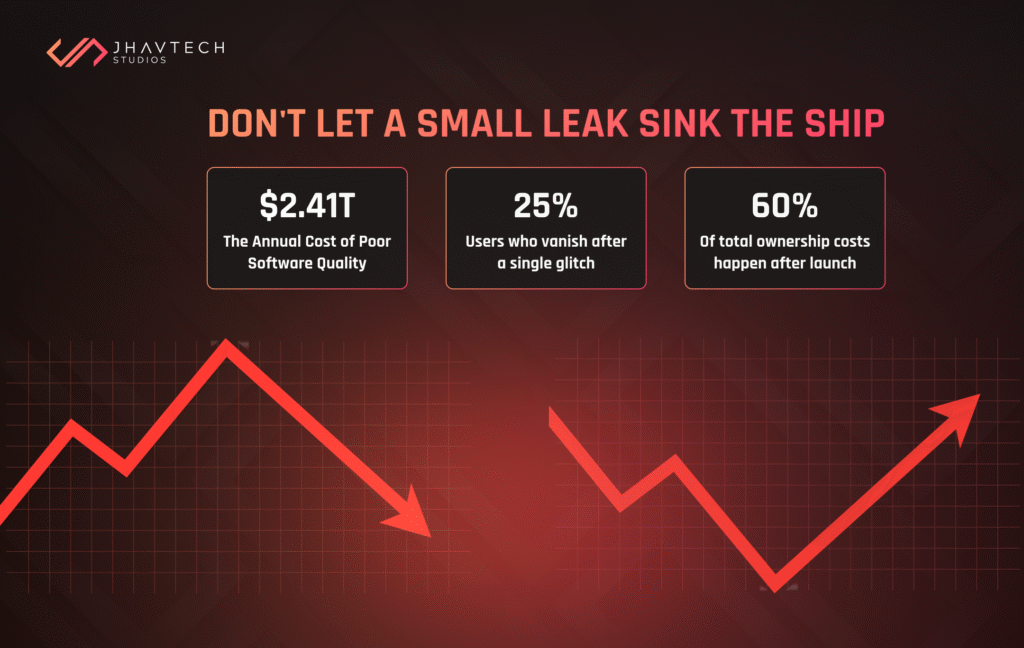
Many founders treat the post-launch phase as a “set it and forget it” period. They assume that if the build was solid, the job is done. However, according to recent industry data, nearly 60% of the total cost of ownership for a software product occurs after the initial release. This is where the concept of software support and maintenance moves from a line item in a budget to the literal lifeblood of your digital product. If you aren’t prepared for what comes next, you aren’t just risking a few bugs; you are risking your entire reputation.
The Invisible Decay of Digital Assets
Software isn’t like a physical building that sits there. It is more like a garden that requires constant weeding. The environment around your app is always changing. Operating systems like iOS and Android update their permissions, third-party APIs change their documentation, and security threats evolve by the hour. This is why the application lifecycle management process is so critical. It ensures that your software remains compatible with the world around it.
If you ignore this evolution, you fall victim to what developers call bit rot. Your app might have worked perfectly on Tuesday, but a global update to a browser engine on Wednesday could render your checkout page useless. Without a dedicated strategy for software support and maintenance, you are essentially driving a car that you never intend to take for an oil change. Eventually, the engine will stall and bog down.
The Hidden Cost of Neglecting Software Maintenance After Launch
Let’s talk about the numbers because the financial risk is often what wakes stakeholders up. A study by the Consortium for Information & Software Quality (CISQ) found that the cost of poor software quality in the US alone reached a staggering $2.41 trillion in recent years. A significant portion of that loss comes from operational failures that could have been prevented through routine checkups.
When you consider the cost of neglecting software maintenance after launch, you have to look beyond the developer’s hourly rate. You have to look at customer churn. In a world where 25% of users abandon an app after just one use, a single broken button can lead to a mass exodus. If your app is down for four hours, what does that cost you in lost transactions? If a security vulnerability is exploited because a patch wasn’t applied, what is the cost of the resulting lawsuit or the loss of consumer trust?
Effective software support and maintenance is actually a cost-saving measure. It is much cheaper to fix a small leak today than it is to replace the entire floor tomorrow because of water damage. This proactive approach is the cornerstone of how we handle projects at Jhavtech Studios, ensuring that our partners aren’t blindsided by preventable disasters.
Technical Debt: The Silent Company Killer
During the heat of a build, teams sometimes take shortcuts to hit a deadline. This is a natural part of app development, but it creates something called technical debt. Like financial debt, it accrues interest. If you don’t pay it down by refining the code after launch, the “interest” becomes so high that you can no longer implement new features because the underlying foundation is too brittle.
Addressing this debt is a core component of software support and maintenance. It involves going back into the codebase to optimise performance and ensure the architecture can scale. If you’ve ever wondered why a once-fast app now feels sluggish, it’s likely because the technical debt has spiraled out of control.
Why Modern Software Requires a Rescue Mindset
Sometimes, companies come to us when they are already in a state of crisis. Their original developers have disappeared, the app is crashing, and the code is a mess. This is where software project rescue comes into play. It is a specialised form of intervention designed to stabilise a failing product.
However, you can avoid needing a rescue mission by committing to software support and maintenance from day one. By having a team that understands your codebase and monitors it constantly, you ensure that small issues never escalate into “save the company” emergencies. It is about being proactive rather than reactive.
The Role of Continuous Software Bug Fixing and Updates
No piece of software is ever perfect. Even the most rigorous testing cannot account for every possible user behavior or device combination. This is why software bug fixing and updates must be an ongoing priority.
When users report an issue, they aren’t just complaining; they are giving you a roadmap to a better product. A quick response to a bug report builds immense brand loyalty. It shows your users that you are listening and that you care about their experience. In the competitive tech landscape, that kind of responsiveness is a major differentiator.
Furthermore, software support and maintenance isn’t just about fixing what is broken. It is also about evolution. Regular updates allow you to introduce small, incremental improvements that keep your app feeling fresh and modern. In an era where “vibe coding” and aesthetic-driven development are gaining traction, keeping your user interface aligned with current trends is essential for retention.
Security in the Age of Constant Threats
In 2023 and 2024, we saw a massive uptick in supply chain attacks targeting software vulnerabilities. For a business, your app is a potential gateway into your customers’ private data. Security is not a one-time setup. It requires constant vigilance.
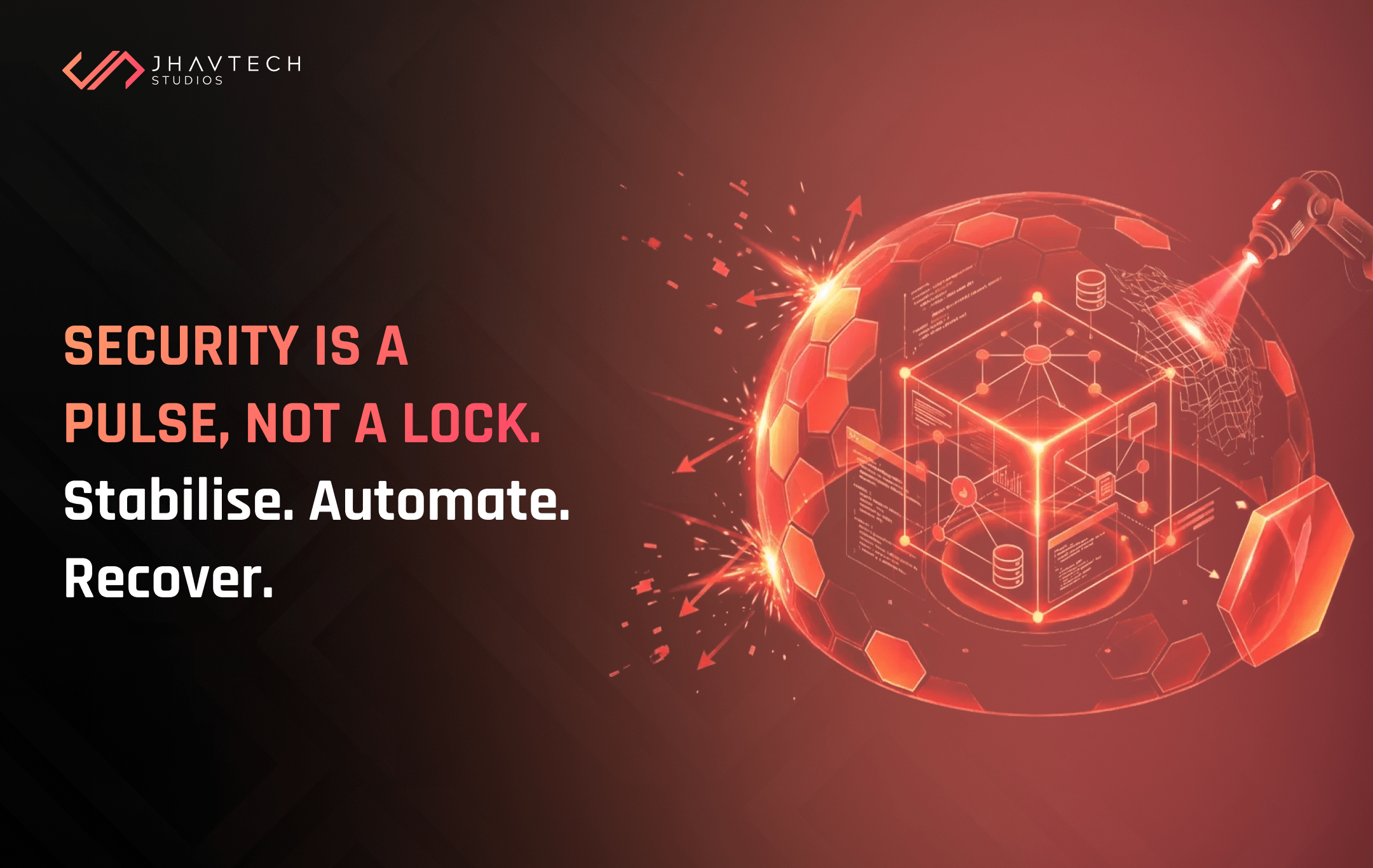
A vital part of software support and maintenance is the regular application of security patches. Hackers are constantly finding new ways to bypass old defenses. If your software library is out of date, you are leaving the front door unlocked. A professional team will monitor for these vulnerabilities and close the holes before anyone even knows they exist. This is a non-negotiable part of modern business operations.
The Importance of a Periodic Code Review
Even when things seem to be running smoothly, it is wise to have a fresh set of eyes look at the system. A periodic code review can identify potential bottlenecks or security risks that were missed during the initial build. It is a health check for your digital infrastructure. This practice ensures that the code remains clean, maintainable, and ready for future developers to work on without needing a manual to understand it.
Bridging the Gap with IT Consulting
Navigating the post-launch world can be overwhelming for founders who aren’t technical. This is where IT consulting becomes invaluable. A consultant doesn’t just look at the code; they look at the business goals. They help you decide which features to prioritise, how to allocate your maintenance budget, and when it is time to pivot your technology stack.
At Jhavtech Studios, we believe that software support and maintenance should be a collaborative effort. We don’t just “fix things”; we act as a strategic partner to ensure your technology is always working toward your business objectives. Whether it’s optimising server costs or preparing for a surge in traffic, having expert advice ensures you aren’t making decisions in a vacuum.
Finding the Right Post-Launch Software Support Services for Startups
For many smaller companies, the biggest hurdle is resources. Startups often pour everything into the initial launch and have nothing left for what comes next. However, looking for post-launch software support services for startups is one of the smartest investments a founder can make.
Outsourcing this work to a dedicated team allows your core team to focus on growth and marketing while the experts handle the technical stability. You get the benefit of a full dev team’s expertise without the overhead of hiring full-time staff for every niche requirement. You can explore the various tiers of support available on our software support and maintenance page to see how we tailor these services to different business needs.
Scaling for the Future
If your app is successful, your user base will grow. Growth is good, but it brings its own set of technical challenges. An architecture that works for 1,000 users might buckle under the weight of 100,000.
Ongoing software support and maintenance includes performance monitoring and scaling. It’s about ensuring that your servers can handle the load and that your database queries remain efficient as they grow. This foresight prevents the dreaded “crash due to popularity” that has killed many promising startups during their big break.
Final Thoughts… The Long Game of Software Success
The “Maintenance Truth” is that software is never truly finished. It is a living, breathing entity that requires care, attention, and investment. By prioritising software support and maintenance, you are protecting your investment, your customers, and your future.
Don’t wait for a crash to realise the importance of a support plan. Whether you are looking for routine software bug fixing and updates or a deep dive into your application lifecycle management, the time to act is now. The risk begins the moment you go live, but with the right partner and a proactive mindset, that risk becomes your greatest opportunity for long-term stability and growth.
At Jhavtech Studios, we pride ourselves on being that partner. We take the stress of the “what ifs” off your plate so you can focus on what you do best: running your business. Your app is live. Contact us today and let’s make sure it stays that way. Remember that every great digital product you use today is the result of thousands of hours of software support and maintenance that happened long after the initial launch date. Commit to the process, and your software will reward you with years of reliable service.