.svg)
.svg)


What Is a Mobile Application Platform and Why It Matters for Your Business?
As businesses continue to embrace digital transformation, mobile apps have evolved from a luxury to a necessity for those aiming to engage customers, streamline operations, and fuel growth. Yet, before you dive into developing an app, there’s one crucial decision that can significantly shape your app's future success: choosing the right mobile application platform.
Selecting the appropriate platform can determine how your app performs, how wide an audience it reaches, and how well it fits your long-term goals. This blog explores the concept of mobile application platforms, their various types, and why this decision is so important for your business.
What Is a Mobile Application Platform?
A mobile application platform refers to the framework and tools that enable the development, deployment, and management of mobile apps. These platforms provide the necessary software tools, libraries, and services that developers use to build apps tailored to specific devices or operating systems.
For businesses, choosing the right platform isn’t just about app performance; it’s about ensuring scalability and meeting user demands. With the mobile app market expected to generate over $935 billion in revenue by 2024 (Statista), the stakes are high, and your platform decision plays a key role in your app's success.
Types of Mobile Application Platforms
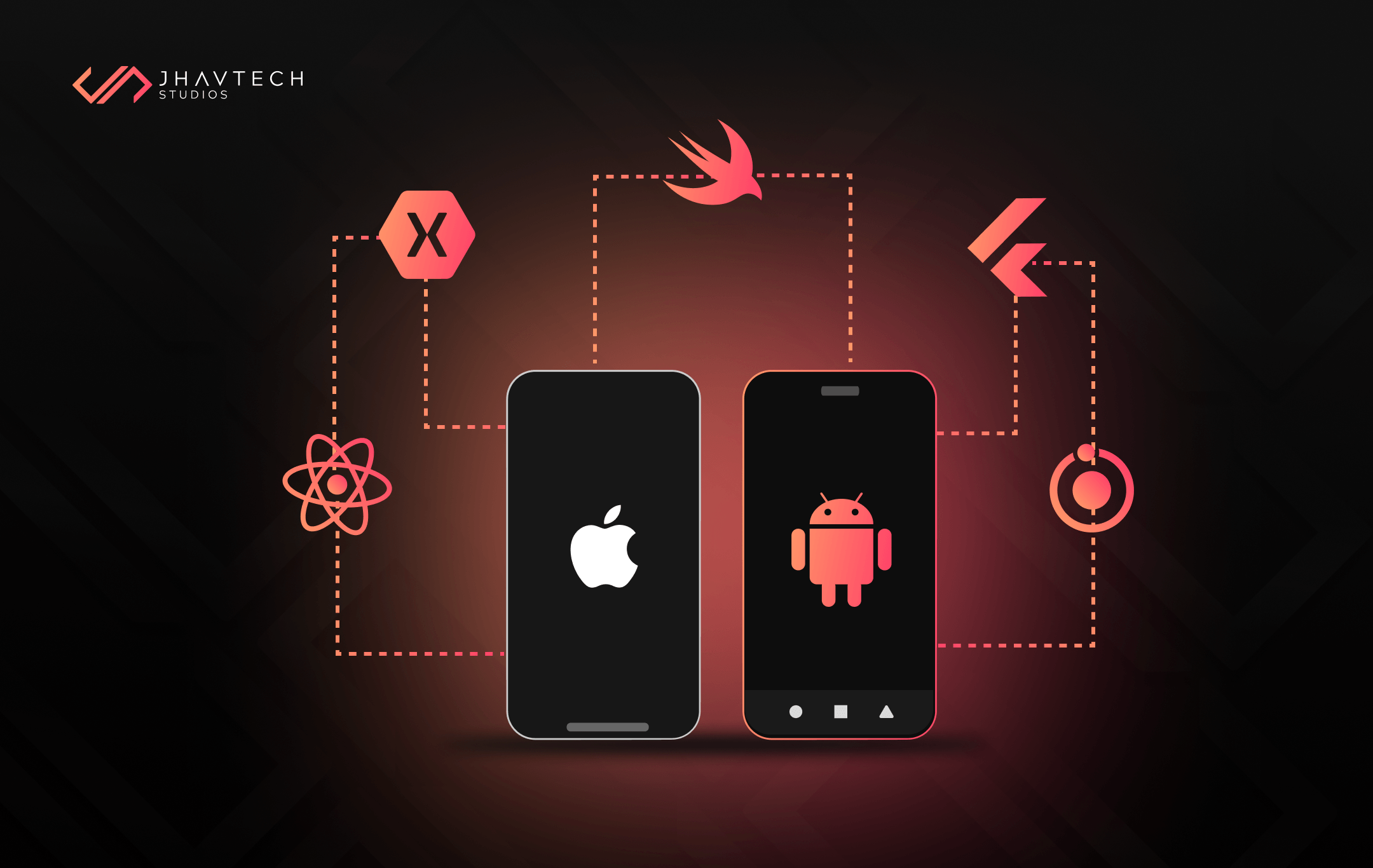
There are three primary types of mobile application platforms, each offering distinct features and advantages. Choosing the right one can significantly impact your app's performance, development cost, and user experience. Understanding the strengths and limitations of each platform will help you align your choice with your business goals and technical requirements.
1. Native Mobile Application Platforms
Native platforms are tailored specifically for a particular operating system (OS), such as iOS or Android. Apps developed on native platforms leverage the full capabilities of the device, offering high performance and seamless user experiences.
iOS Platform
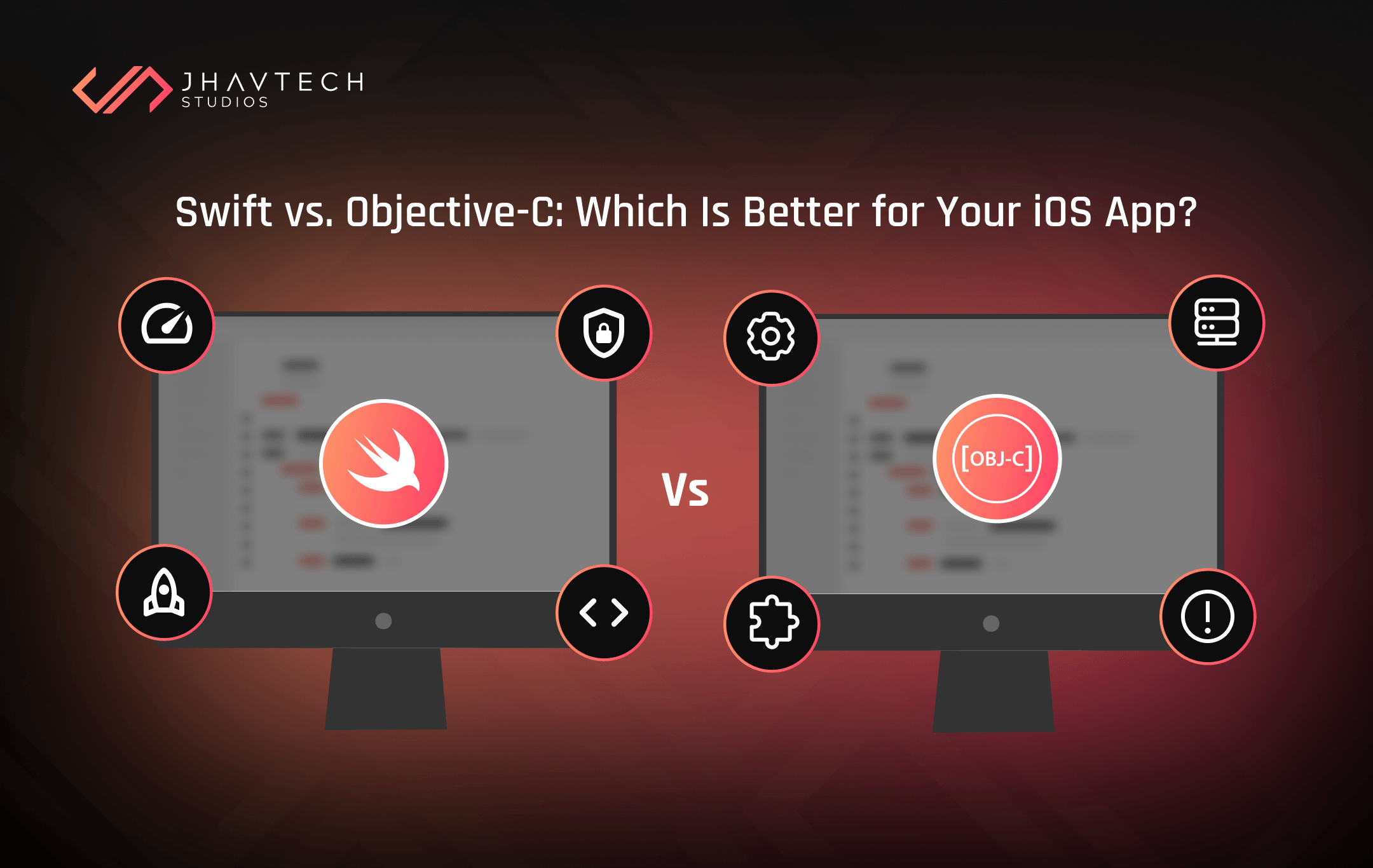
Apps are built using Swift or Objective-C, catering to Apple devices like iPhones and iPads. The iOS platform captures a lucrative, loyal user base, especially in regions like North America and Europe.
Android Platform
Developed using Java or Kotlin, Android apps run on a wide range of devices, giving them broader global reach, particularly in Asia and Latin America, where Android dominates with a 72% market share.
While native apps deliver superior performance, they tend to be more expensive, as separate apps need to be created for each platform.
2. Cross-Platform Mobile Application Platforms
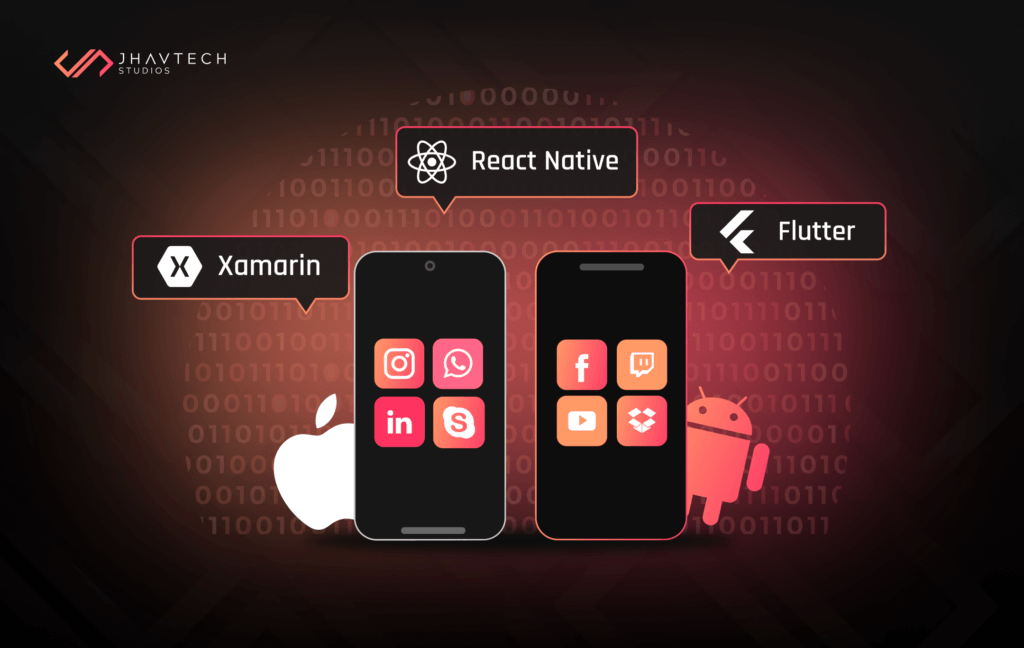
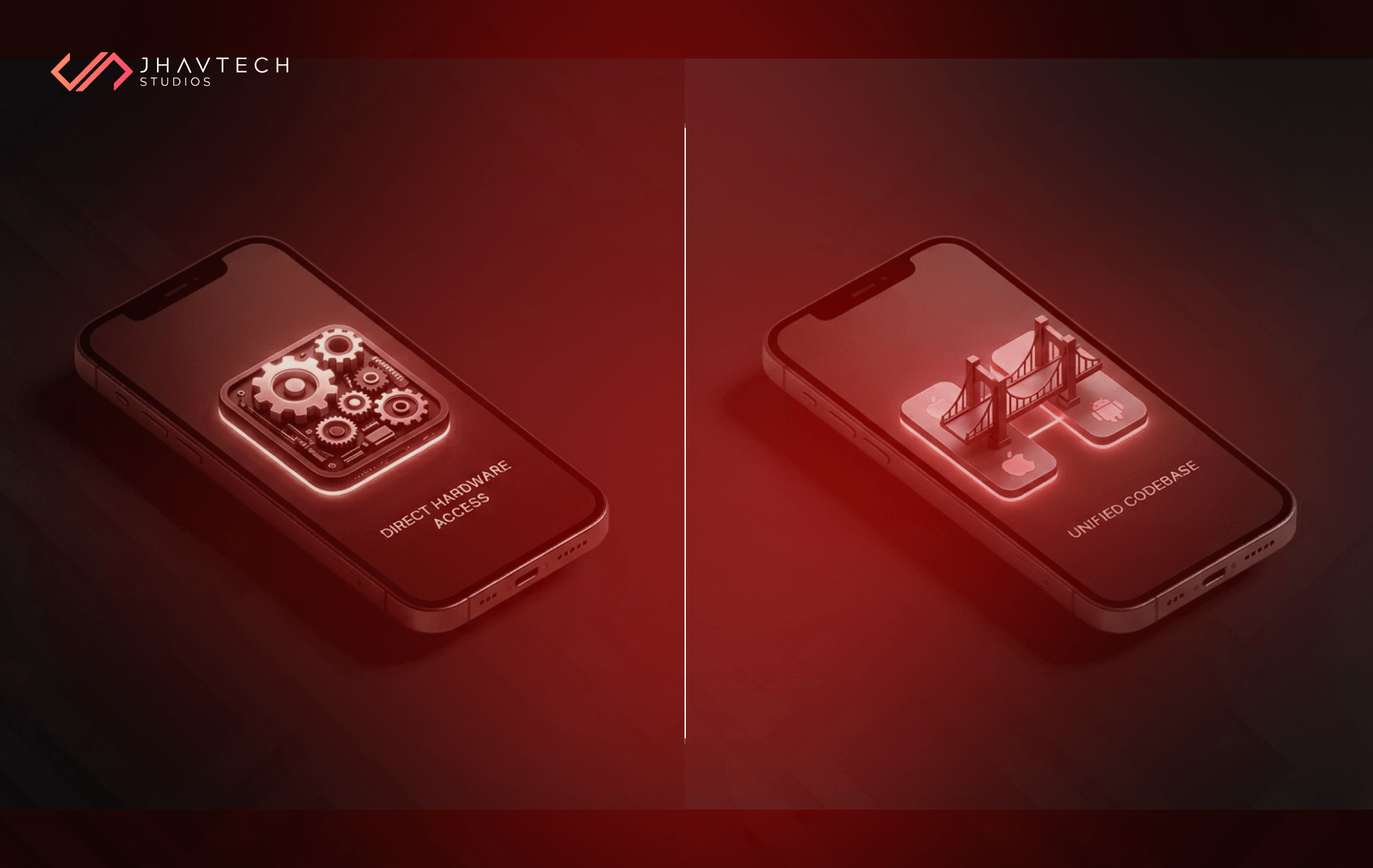
Cross-platform frameworks allow developers to write a single codebase that runs on both iOS and Android. This method significantly reduces development costs and time, making it a popular choice for businesses with tighter budgets.
React Native
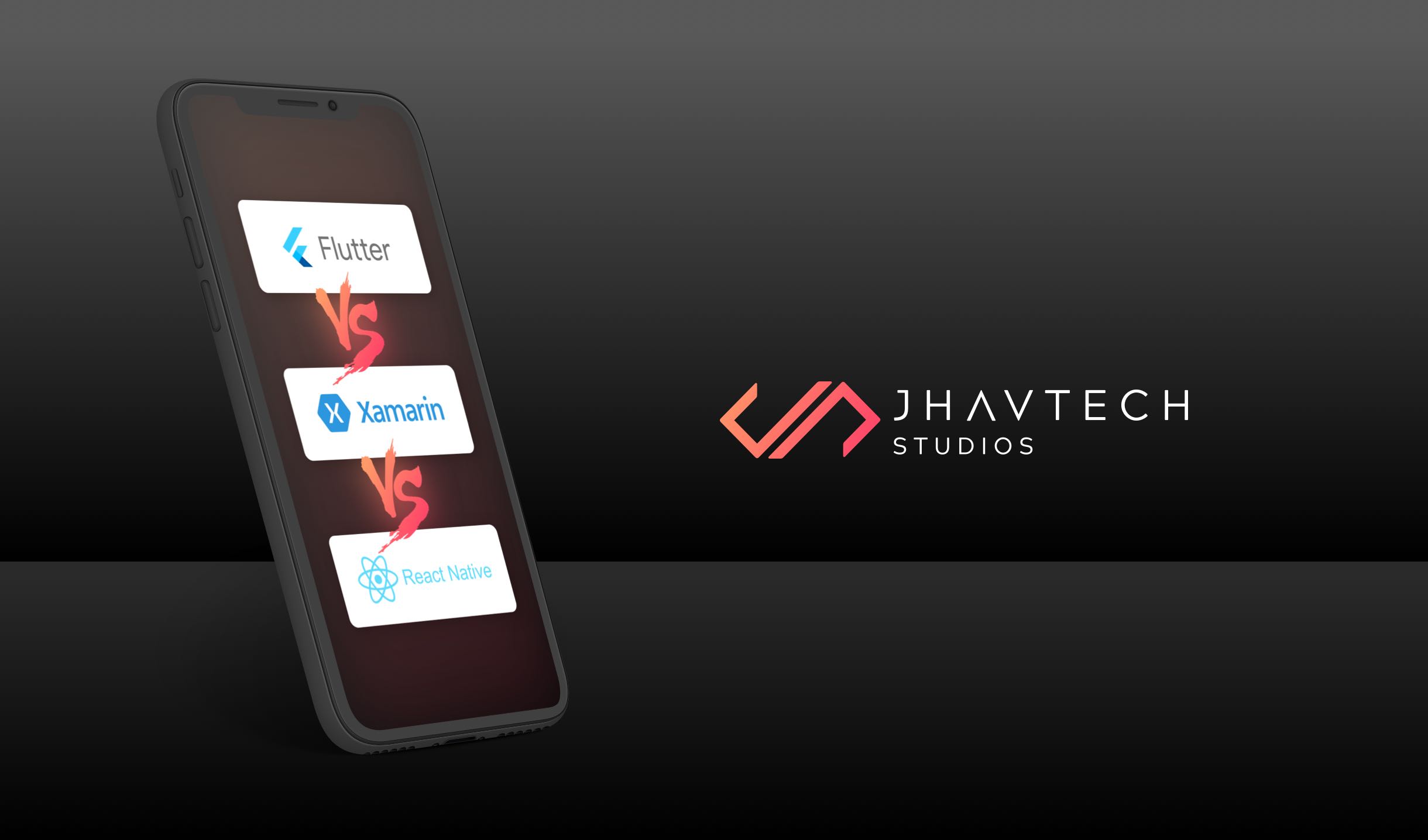
Created by Facebook, React Native allows developers to build mobile apps using JavaScript and React while maintaining near-native performance. It enables code sharing between iOS and Android, reducing development time and costs. With a large community and libraries, it’s a great choice for fast deployment. However, advanced features may still require native code. Companies like Instagram and UberEats use React Native for their apps. performance.
Flutter
Google's Flutter is known for its fast performance and rich UI, thanks to its use of Dart, which compiles to native code. Its "hot reload" feature lets developers see code changes in real time, speeding up development. With customisable UI widgets, it’s ideal for visually stunning apps. Flutter powers apps like Google Ads and Alibaba, but Dart’s learning curve can be a drawback for some developers.
Xamarin
Supported by Microsoft, Xamarin uses C# and .NET to deliver near-native performance across platforms. It integrates well with Microsoft’s ecosystem and allows code sharing between iOS and Android. While it offers great performance, Xamarin apps can have larger file sizes, and complex features may need native libraries. UPS and Alaska Airlines are examples of companies using Xamarin.
Cross-platform apps are increasingly closing the performance gap with native apps. For example, Flutter apps load 50% faster than traditional apps, offering businesses both cost efficiency and quality.
3. Hybrid Mobile Application Platforms
Hybrid platforms combine the elements of both web and native technologies. They use HTML, CSS, and JavaScript for development but are packaged in a native shell, enabling them to run on mobile devices.
PhoneGap
Built on Apache Cordova, PhoneGap allows web developers to create mobile apps using familiar web technologies like HTML, CSS, and JavaScript. It wraps the web code in a native container, enabling it to run as a mobile app across multiple platforms. PhoneGap simplifies the transition for developers with a web development background, making it a popular choice for building hybrid apps quickly. However, while it enables faster development, performance may not match that of fully native apps, especially for resource-intensive features.
Ionic
Ionic is a widely adopted framework that provides powerful tools for building hybrid apps, using technologies like HTML, CSS, and JavaScript along with Apache Cordova or Capacitor to access native device features. It stands out for offering a vast library of pre-built UI components and themes, allowing developers to create visually appealing apps without reinventing the wheel. Ionic’s strong focus on speed and scalability makes it a go-to solution for businesses looking to develop hybrid apps efficiently. Although fast to develop, performance in more complex apps may still lag behind native platforms.
Hybrid apps can be developed quicker than native apps, but they may lack the performance finesse of native or even cross-platform solutions, especially when dealing with complex or high-resource applications.
Why Choosing the Right Platform Matters for Your Business
Your choice of mobile application platform isn’t just a technical decision; it’s a strategic one. Here are some key reasons why the platform you select can make or break your app’s success:
Audience Reach and Market Share
The platform you choose determines how many users you can reach. iOS is the preferred platform in wealthier markets like North America, where 60% of mobile users opt for Apple devices. Meanwhile, Android holds the lion’s share in regions like Asia and Latin America. Understanding your audience’s device preferences can dramatically impact your app’s reach and adoption.
Development Costs and Timeline
Developing native apps can be costly, especially if you’re targeting both iOS and Android users. Cross-platform and hybrid solutions provide cost-effective alternatives by enabling developers to write code once and deploy it across multiple platforms. On average, cross-platform development can save up to 40% in costs, making it an attractive option for startups and small businesses.
Performance and User Experience
Native apps provide the best performance and user experience, thanks to their deep integration with the device’s operating system. Cross-platform and hybrid apps may not offer the same level of responsiveness or visual fluidity, which could be an issue for more complex or resource-intensive apps.
Scalability and Maintenance
If you envision scaling your app to accommodate millions of users, native platforms might offer better long-term flexibility. However, cross-platform solutions simplify maintenance since updates can be pushed universally across operating systems. For businesses focused on rapid iteration, this can be a game-changer.

How Jhavtech Studios Helps You Choose the Right Platform
At Jhavtech Studios, we understand that choosing the right mobile application platform is one of the most critical steps in developing your app. Our experienced team works closely with you to assess your goals, audience, and resources, ensuring the best possible platform fit.
Here’s how we help:
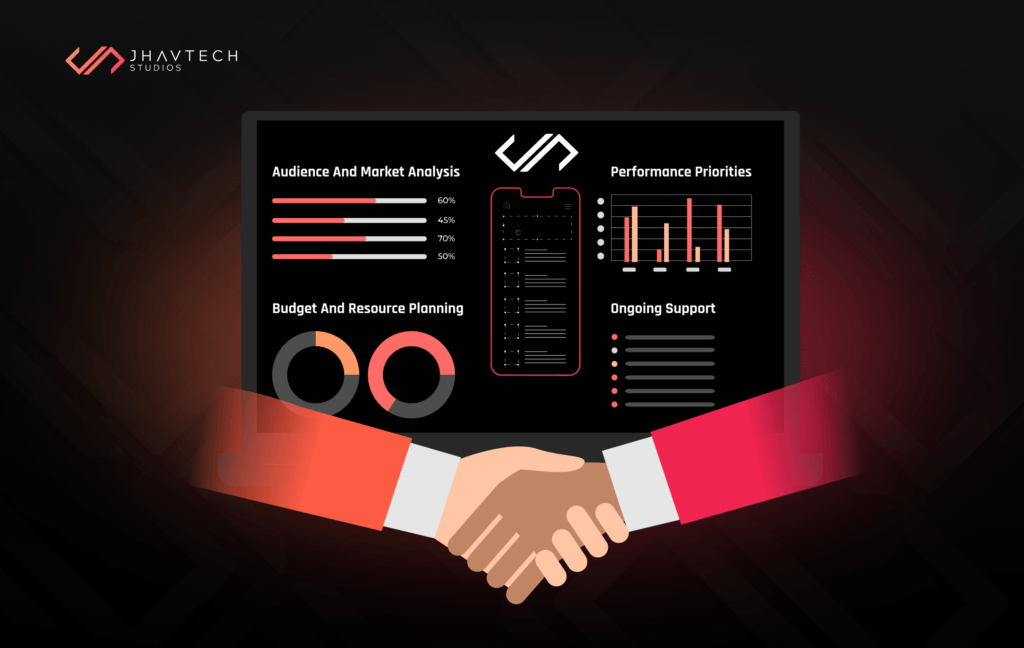
1. Audience and Market Analysis
At Jhavtech Studios, we conduct thorough research to understand your target audience's device and platform preferences. By analysing regional trends and user behavior, we help you select the platform that maximises your app's reach and engagement. Whether your audience leans toward iOS or Android in emerging markets, our insights ensure your app targets the right users for optimal success.
2. Budget and Resource Planning
We guide you through budget and resource planning by evaluating the cost-benefit ratios of native, cross-platform, and hybrid solutions. Our team works closely with you to identify the most efficient development strategy that fits within your budget, without sacrificing quality. Whether you're aiming for top-tier performance with native development or cost-effective cross-platform solutions, we ensure your project stays on track financially.
3. Performance Priorities
Performance and scalability are key to a successful app, and our developers at Jhavtech Studios prioritise these factors when recommending platforms. We consider your app’s technical requirements, such as speed, user experience, and long-term scalability, to ensure that the platform selected can handle your app's growth and complexity. This tailored approach guarantees that your app delivers the best possible experience for your users.
4. Ongoing Support
After your app launches, our partnership doesn’t end. Jhavtech Studios provides ongoing support, ensuring your app remains functional, secure, and compatible with new operating system updates. From regular maintenance to performance optimisation, we are committed to keeping your app up-to-date, allowing your business to focus on growth without worrying about technical issues.
Final Thoughts…
Choosing the right mobile application platform is a pivotal decision that can shape your app’s performance, reach, and scalability. Whether you opt for a high-performance native app or a budget-friendly cross-platform solution, your platform choice will significantly impact your app's success.At Jhavtech Studios, we offer expert guidance to help you navigate the complexities of mobile app development. Our tailored approach ensures that we align the platform choice with your business goals, budget, and technical needs. Contact us today, and let’s explore how we can help your business thrive with the right mobile application platform.
Frequently Asked Questions
1. What is the best platform for mobile app development?
It depends on your goals. Native platforms offer superior performance, while cross-platform solutions balance cost and efficiency.
2. How much does native app development cost?
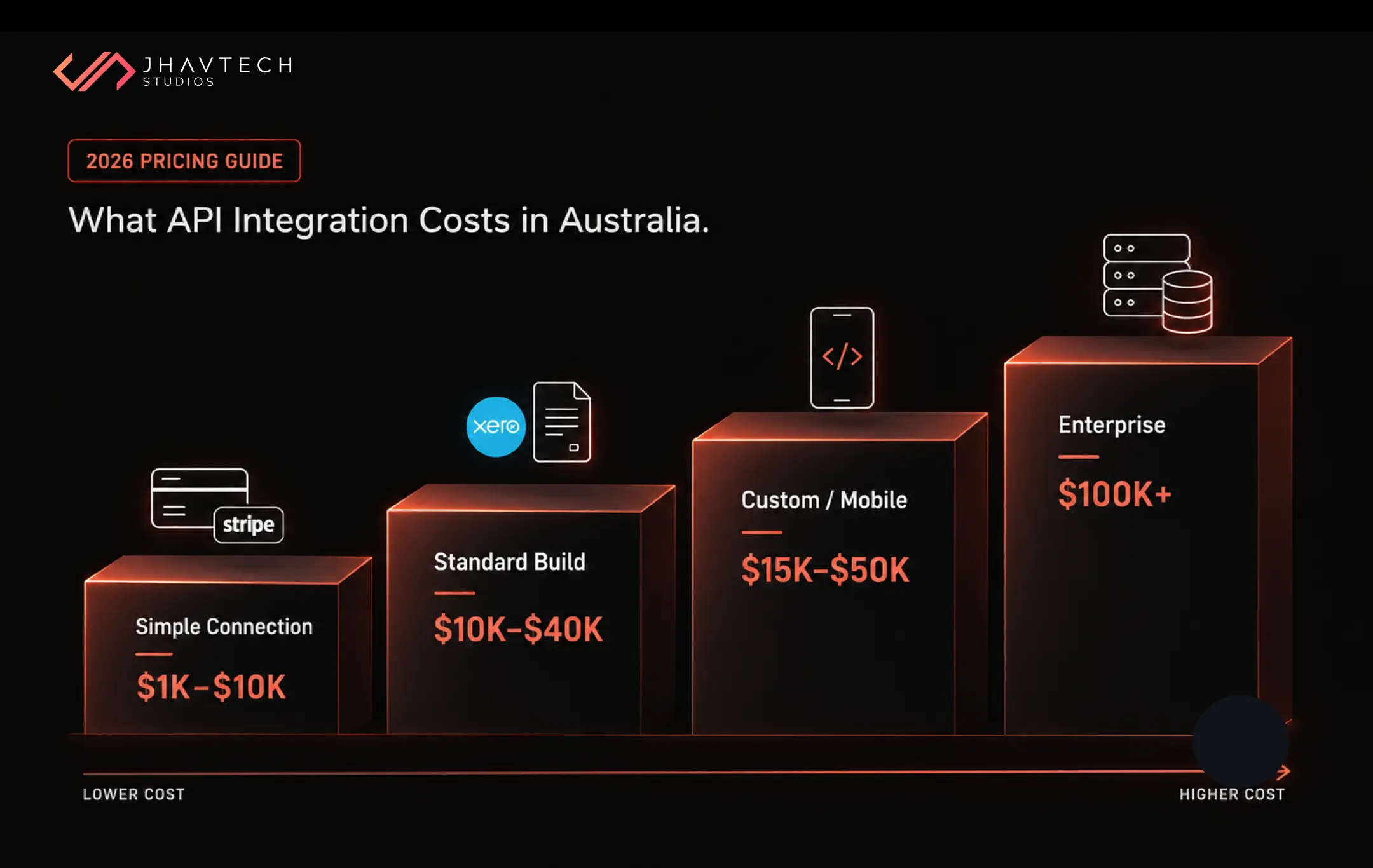
Costs can range from $10,000 to $100,000+ depending on the complexity and features of your app.
3. Are cross-platform apps slower than native apps?
While cross-platform apps may have slightly lower performance, frameworks like Flutter and React Native have closed the gap significantly.
4. Can I switch from a cross-platform to native later?
Yes, but it requires significant redevelopment. Careful planning from the start can help avoid this.
5. What does Jhavtech Studios recommend for small businesses?
We often recommend cross-platform development using React Native or Flutter, as they provide an excellent balance of performance and cost-efficiency.

.png)
.png)
.png)
.png)
.png)
.png)
.png)
.png)
.png)
.png)
.png)
.png)
.png)
.png)
.png)
.png)
.png)
.png)
.png)
.png)
.png)
.png)
.png)
.png)
.png)
.png)
.png)
.png)
.png)
.png)
.png)
.png)
.png)
.png)
.png)
.png)
.png)

.png)
.png)
.png)

.png)
.png)
.png)
.png)

.png)


.png)

.png)



.png)




.png)




.png)

.png)
.png)

.png)
.png)
.png)