How Long Does It Take to Build an App? Real Timelines from 200+ Builds
"Our investor meeting is in nine weeks. Can the app be ready?" We hear some version of that question almost every month, and the answer is usually yes. There is a catch, though. The big decisions need to be made in week one. Leave them until week five and the date starts to slide, however quick the developers are.
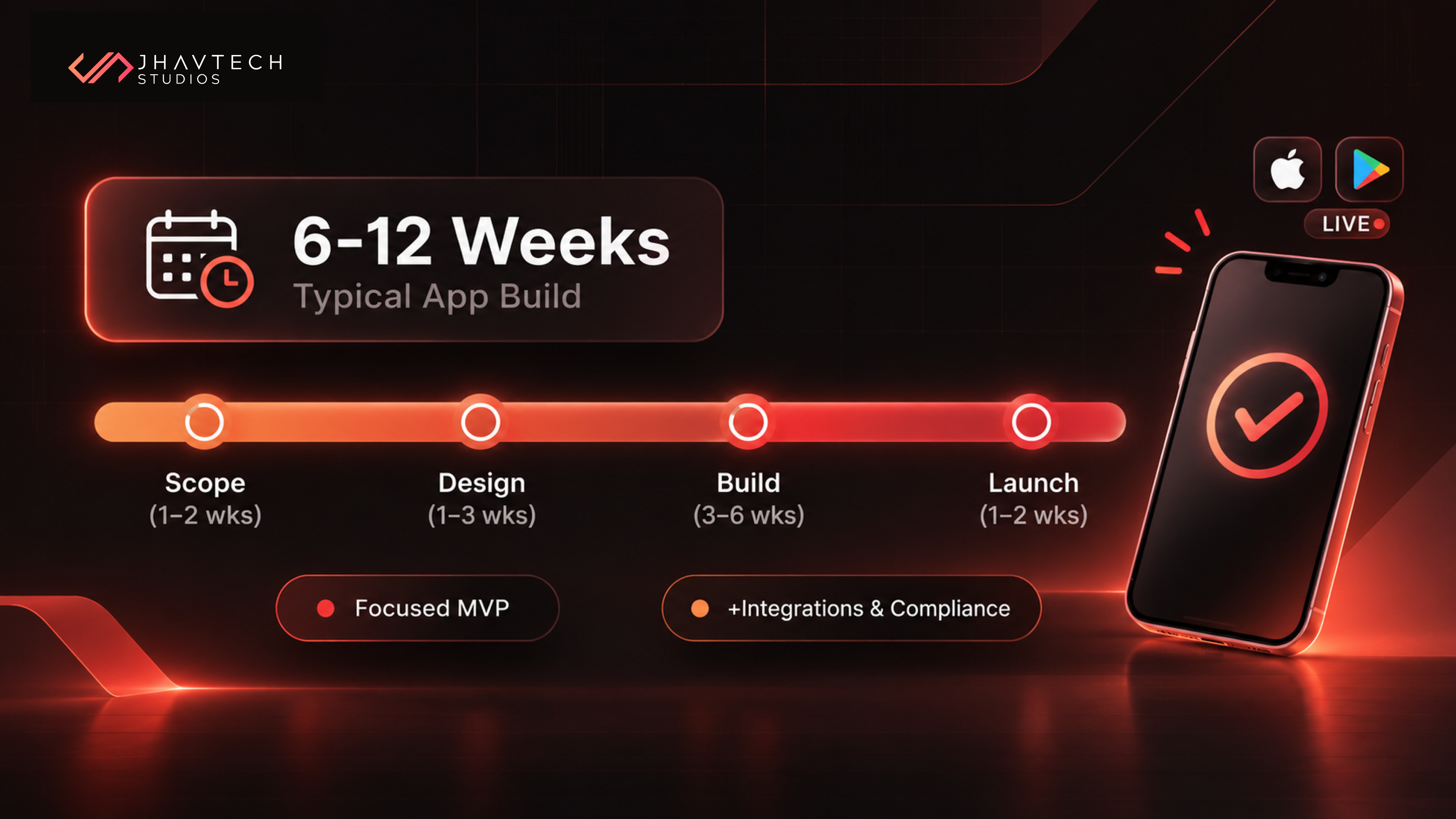
Most mobile apps take 6 to 12 weeks to build, running from agreed scope to live on the App Store and Google Play. Focused first versions (MVPs) sit near the 6-week mark, while apps with heavy third-party integrations, sensitive compliance rules, or shifting scope take 12 weeks or longer.
At Jhavtech Studios, our Melbourne-led team has built more than 200 apps since 2013 for Australian and overseas clients, from founder MVPs and cross-platform iOS and Android apps in Flutter and React Native to internal tools for established businesses.
Below is where those weeks go, and the handful of things that pull a launch date earlier or push it out.
Summary: The Short Answer
- Most apps take 6 to 12 weeks. That runs from agreed scope to live on the App Store and Google Play.
- A focused first version sits at the shorter end. One core job, one type of user, few integrations.
- Integrations, sensitive data and growing scope push a build past 12 weeks. Each one adds work that is hard to see at the start.
- Slow decisions cause more delay than technical problems. A feature still being debated in week five is one of the most common reasons a date moves.
- Store approval is quick for a business account. A new personal Google Play account adds at least two weeks of testing.
How Long Does Each Stage of App Development Take?
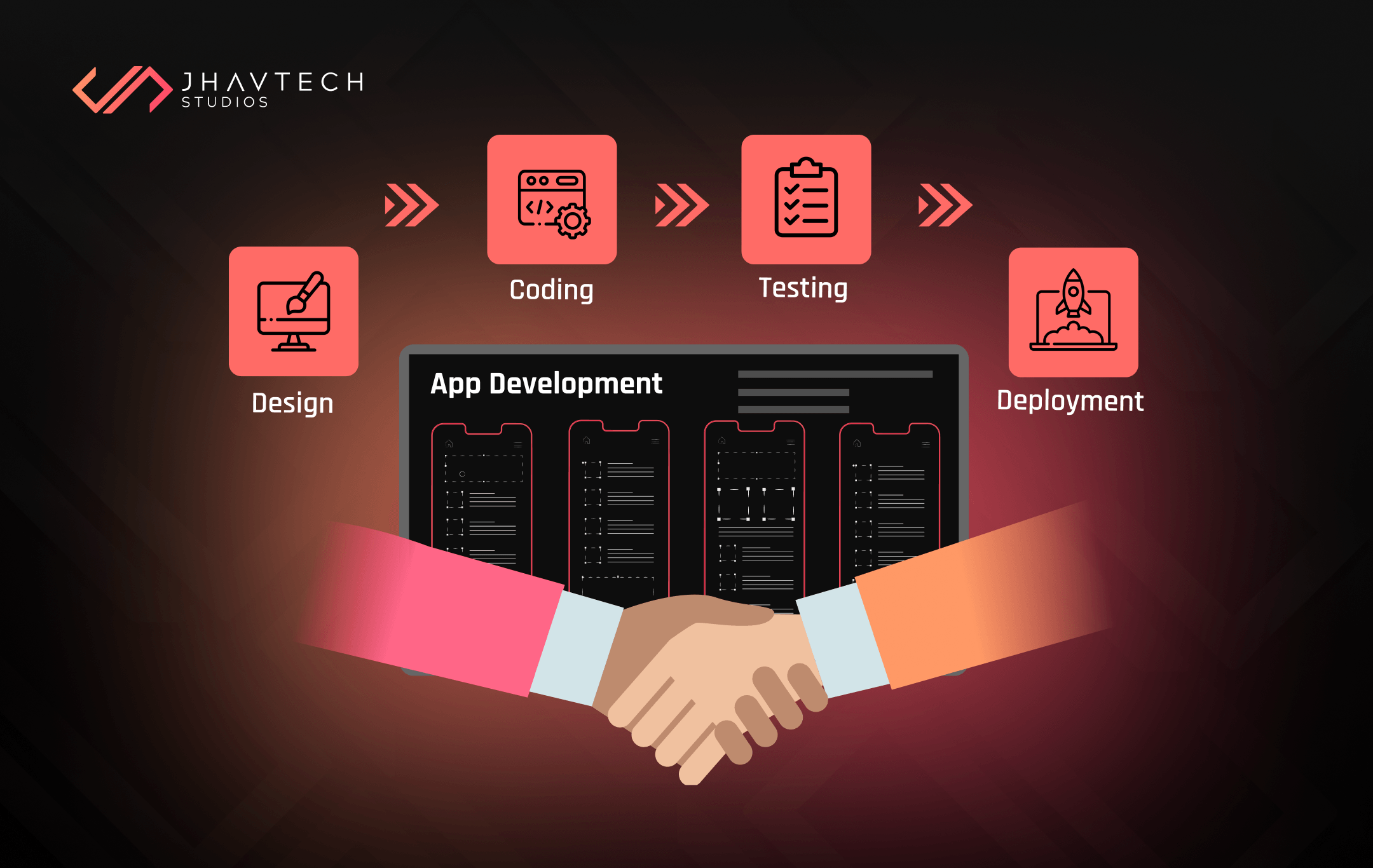
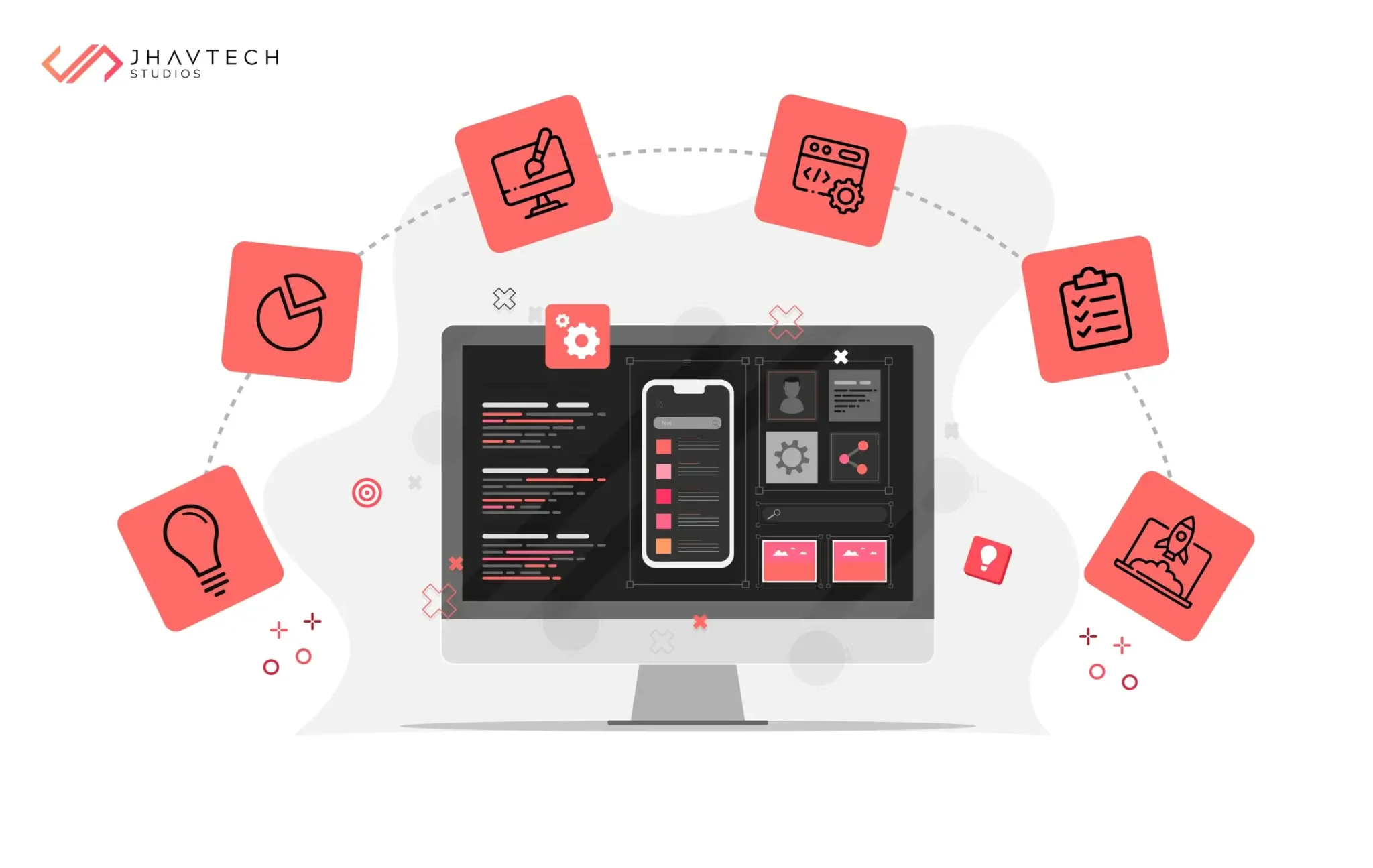
Short answer: about 1 to 2 weeks for scope, 1 to 3 weeks for design, 3 to 6 weeks for development and 1 to 2 weeks for testing and launch. On paper that can add up to more than 12 weeks. It fits because the stages overlap. Design gets going while scope is being finalised, and testing runs alongside each development sprint.
| Stage | Typical Duration | Key Deliverable | Common Bottleneck |
|---|---|---|---|
| Discovery and scope | 1 to 2 weeks | A written scope for version one: users, must-have features and what waits for version two | Agreeing what waits for version two |
| UX and UI design | 1 to 3 weeks | Screen designs, user flows and a clickable prototype to test with real users | Feedback that takes a week to come back |
| Development | 3 to 6 weeks | A working build to try at the end of each short sprint | Access to third-party systems and test accounts |
| Testing and launch | 1 to 2 weeks | A tested app submitted to the App Store and Google Play | Copy, pricing and privacy policy arriving late |
Most of the time is won or lost in those first two stages. Our post on the technical discovery phase explains why a week spent there saves several later.
What Makes an App Quicker to Build?
- A narrow first version. Pick the one job the app has to do well and park everything else for version two. That is the whole idea behind a minimum viable product, and it has more effect on your timeline than anything else on this list.
- Decisions in writing, early. If a feature is still "under discussion" in week four, expect it to be built twice.
- One person who can say yes. Projects move noticeably faster when a single decision-maker on the client side can approve designs within a day or two. Committees slow everything down.
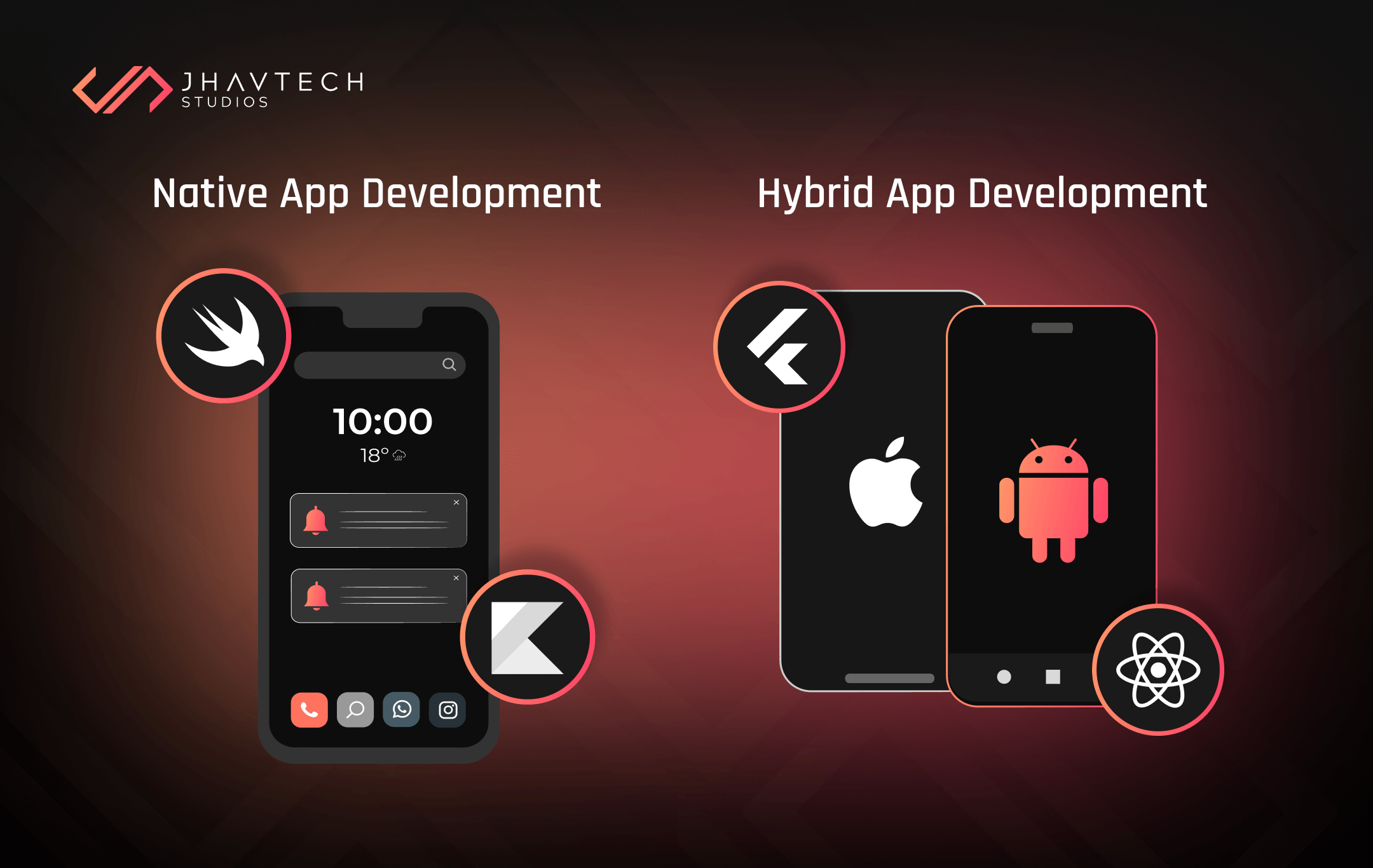
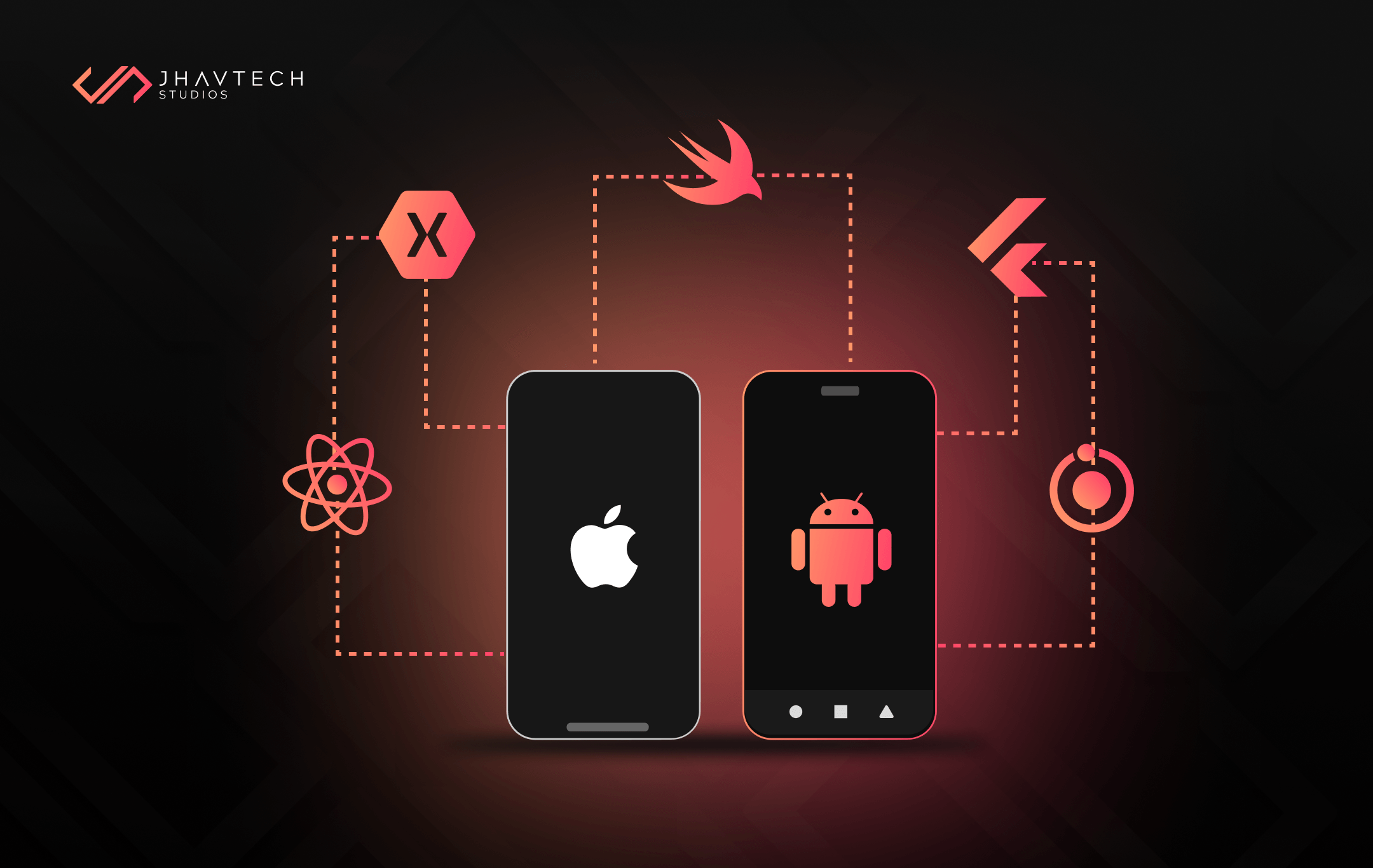
- Cross-platform tools. Flutter and React Native let us build the iOS and Android apps from one codebase, so the same work isn't done twice.
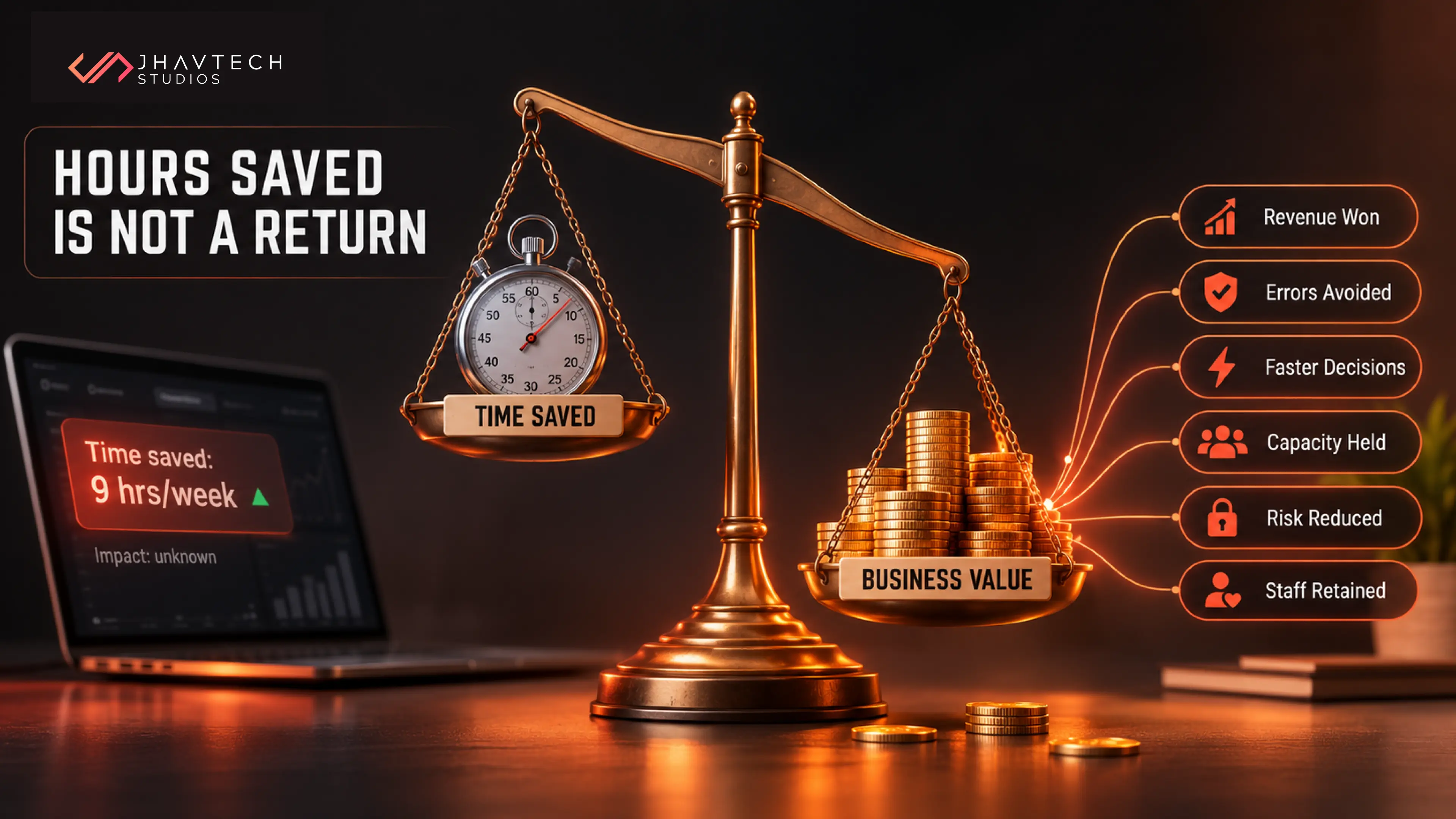
- AI-assisted development. We use AI tools for boilerplate code, unit tests and documentation. On those parts of a build it can cut cost by up to 50%, depending on complexity and how much custom design is involved. Bespoke design, integration work and client decisions take about as long as they always did, which is why we also looked at whether AI savings ever actually reach the business.
What Makes an App Take Longer Than 12 Weeks?
- Lots of integrations. Payment gateways, booking systems, government APIs, an old internal database. Each one has its own quirks and needs its own round of testing.
- Health, finance or personal data. Australia's Privacy Act 1988 covers organisations with an annual turnover above $3 million, and health service providers whatever their turnover. Founders often assume they're under the threshold, then find the health rule catches them anyway. Apps covered by the Act, by My Health Record rules or by financial regulations need extra security work and a review before launch. Users in Europe bring GDPR with them, and US health data brings HIPAA.
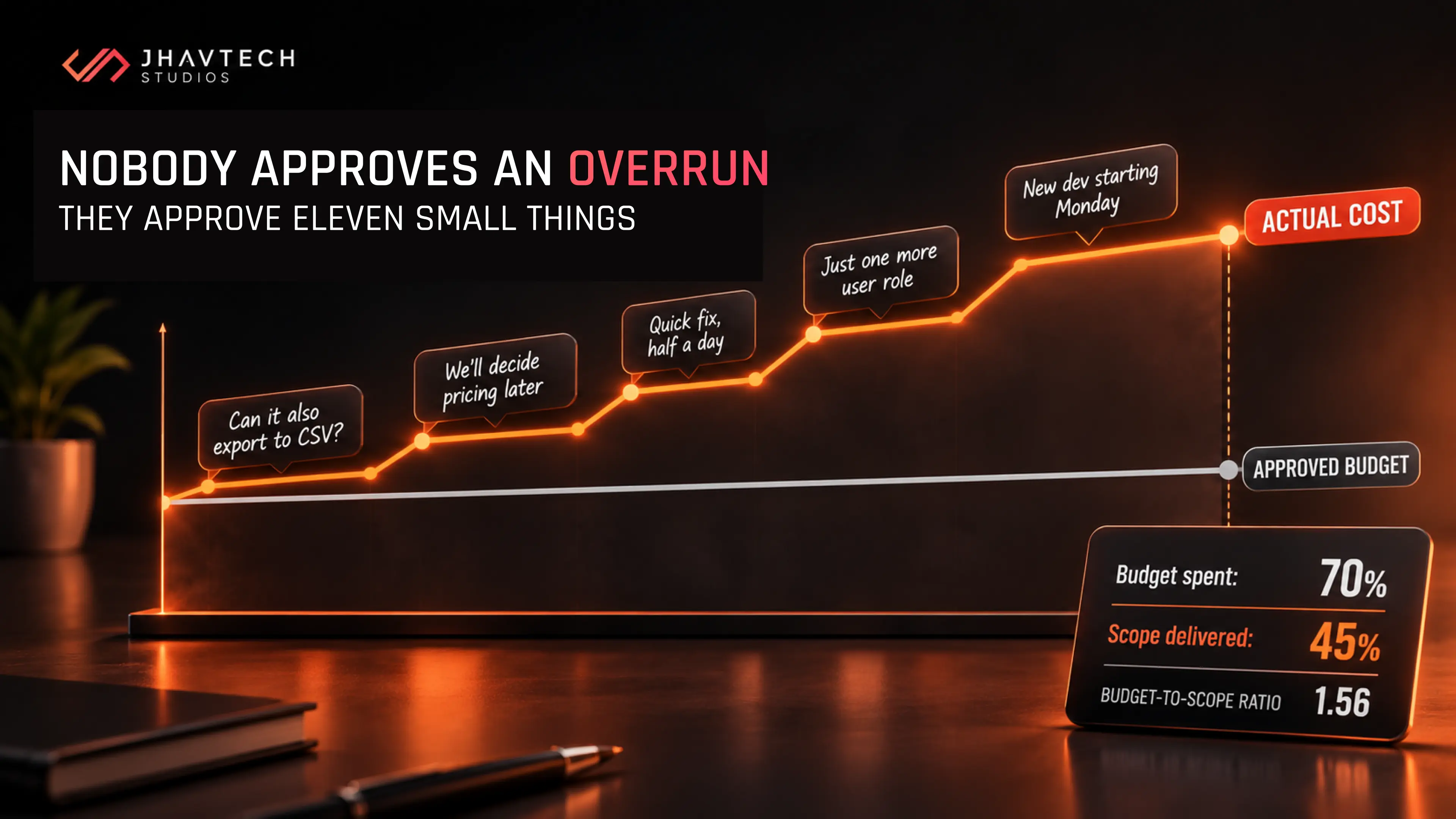
- Scope that keeps growing. It rarely happens in one big jump. A small extra here, another there, each agreed on a quick call, and a few weeks later the schedule has quietly slipped. We have written about the small changes that quietly outgrow a budget.
- Content that isn't ready. Copy, images, pricing and legal text tend to turn up last. The app can be finished and still sit waiting for them.
- Someone else's code. Taking over a half-built app means reviewing it before anything else. A free code review tells you quickly whether to fix it or rebuild, and getting a stalled build back on track is work we do often.
Have a Launch Date in Mind?
Tell us the date and the idea. We will tell you straight what fits in that time, and what should wait.
How Long Do Apple and Google Take to Approve an App?
Apple publishes a target: 90% of submissions reviewed in under 24 hours. That matches what we see. When a launch does get held up, it's usually a rejection: missing privacy details, a login the reviewer can't get past, or placeholder content left in by mistake. Each round of fixes adds a few days.
Google Play depends on the type of developer account you have, and this catches people out.
- Organisation accounts, the usual choice for a business, register with a D-U-N-S number and can publish to production without a set testing period. If you don't have a D-U-N-S number yet, allow time to get one.
- Personal accounts created after 13 November 2023 must first run a closed test with at least 12 testers, opted in for 14 days in a row, before they can apply for production access. Google also checks whether those testers actually used the app, so signing up exactly 12 names is risky.
Most of our business clients aren't affected. Most solo founders publishing their first app are. Either way, setting up both store accounts in week one avoids a last-minute wait.
Is an MVP Faster Than a Full App?
Yes, usually by several weeks. A minimum viable product focuses on the one feature that proves the idea works, so it tends to land at the 6 week end of the range. Add user accounts, payments, an admin dashboard and a few integrations, and you are closer to 12. Our post on MVP mistakes that burn startup budgets covers what to leave out.
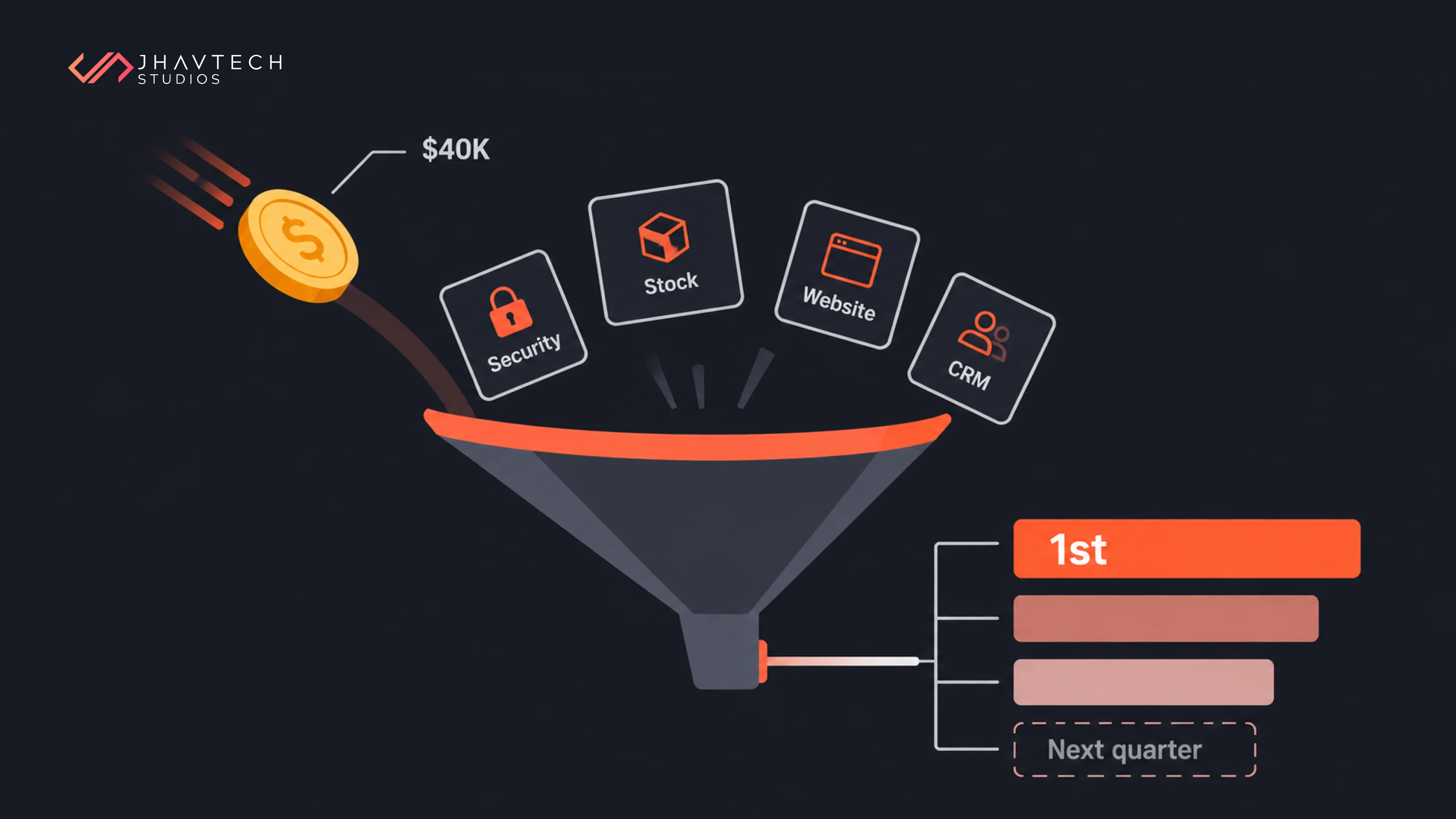
Cost follows the same curve, so it's worth knowing before you pick a date. If you're still deciding what goes in the first release, now is the time to work out which features actually deserve your budget. Week five is too late.
The 8-Point Launch Date Checklist
Before you commit to a launch date, run through this list. If you can't say yes to all eight, treat the date as a hope for now.
- The one problem the app solves is written down in a sentence.
- Must-have features are separated from version-two features.
- One person on your side can approve design and scope decisions within two days.
- Every outside system the app connects to is listed, with someone who can grant access.
- Apple and Google developer accounts are set up, and you know whether yours is a personal or organisation account.
- Copy, images, pricing and privacy policy have an owner and a due date.
- You know whether the app handles health, financial or other sensitive personal data.
- You have planned at least a week of buffer before any fixed event, such as an investor meeting or trade show.
So, How Long Will Your App Take?
For most businesses, 6 to 12 weeks is a realistic plan, as long as scope is agreed early and decisions keep moving.
When projects do run long, the cause is usually something nobody looked at closely enough at the start. An integration nobody priced. A data rule nobody checked. A run of small features, each added as a favour. None of these are hard to catch in week one if someone goes looking.
If you already have a date in mind, a short conversation is the quickest way to find out what has to be true to hit it. You can also see how we take an app from the first scope meeting to a live store listing.
Got a Launch Date to Hit?
Tell us the date and the idea. Our Melbourne-led team will tell you straight what fits in that time, and what should wait.
Frequently Asked Questions