.svg)
.svg)


App Development Best Practices: From Concept to Launch
In today’s digital age, app development is no longer a luxury but a necessity for businesses aiming to thrive in a highly competitive market. With millions of apps vying for user attention in the app stores, only a fraction manage to make a mark. The secret to achieving success lies in following app development best practices from the initial concept stage through to the launch and beyond.
This comprehensive guide will walk you through the critical stages of app development, including ideation, market research, design, development, testing, and app store optimisation (ASO). Along the way, we'll discuss essential strategies to ensure a seamless user experience (UX), optimise app performance, and build a secure and scalable product. By adhering to these best practices, you can increase your chances of creating an app that stands out, attracts users, and drives long-term growth.
The App Development Process: A High-Level Overview
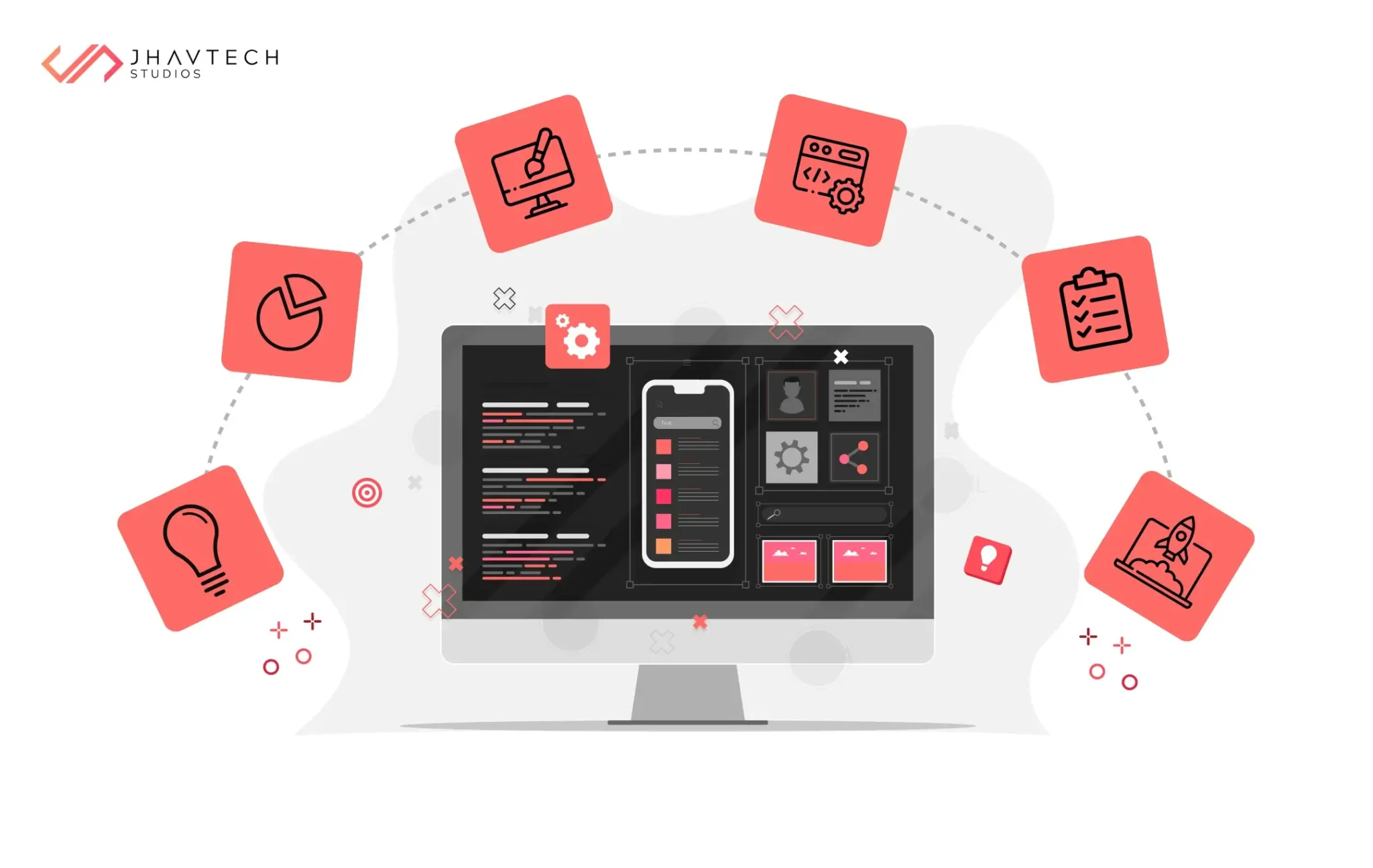
The app development process can be divided into several key phases, each contributing to the overall success of your project. These phases include:
Concept and Ideation
Define the problem your app aims to solve and identify its unique value proposition.
Market Research
Analyse your target audience, competitors, and market trends to validate your app idea.
UI & UX Design
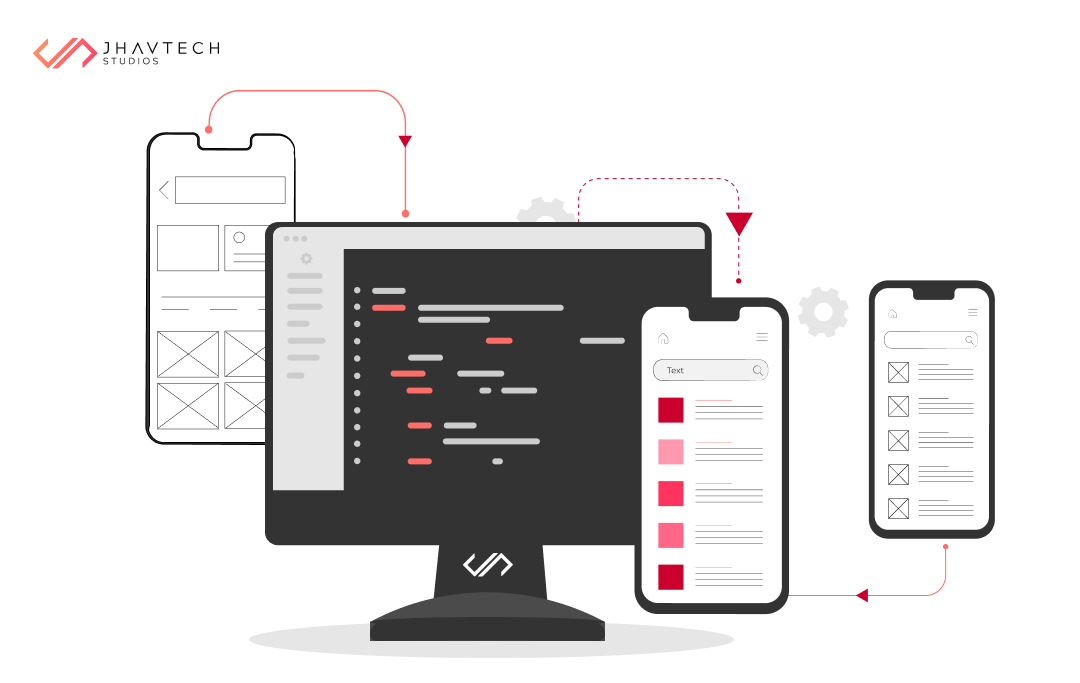
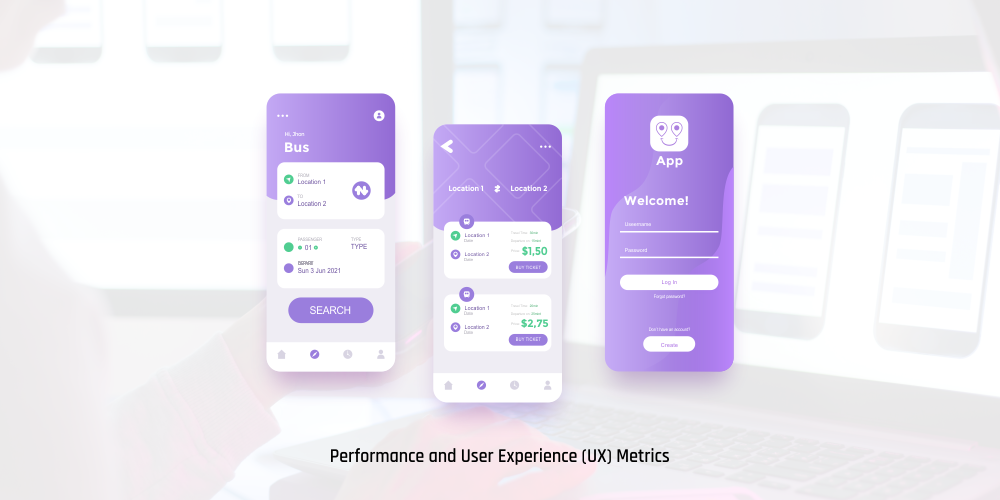
Create an intuitive user interface (UI) and design a seamless user experience (UX) to engage users.
Choosing the Right Technology Stack
Select the optimal technology stack for your app's requirements, considering performance, scalability, and target platforms.
Implementing Agile Methodology
Use Agile development practices to ensure flexibility, collaboration, and iterative progress throughout the development process.
Testing and Quality Assurance
Conduct comprehensive testing and quality assurance to identify and resolve bugs, usability issues, and security vulnerabilities before launch.
Optimising for App Store Success
Implement app store optimisation (ASO) strategies to enhance visibility, search rankings, and user acquisition.
Launch and Post-Launch Strategies
Develop a strong marketing plan for launch and employ continuous optimisation based on user feedback and analytics to sustain growth.
Understanding these phases and executing them with precision is essential for a successful app development process. Now, let's dive deeper into each stage.
1. Defining Your App's Concept and Objectives
The foundation of any successful app development project lies in a well-defined concept. Start by clearly articulating the problem your app will solve and the unique value it will offer to users. For example, apps like Evernote and Notion identified the need for a versatile digital workspace that integrates note-taking, task management, and collaboration tools, offering users a comprehensive productivity solution.
Once you have a clear problem statement, consider the core features your app will need to solve this problem. Focus on simplicity and utility—avoid adding unnecessary features that may dilute the app's purpose or confuse users. It's essential to prioritise features that directly address user pain points and provide clear benefits.
After defining your concept, set specific goals for your app. These goals should be SMART—Specific, Measurable, Achievable, Relevant, and Time-bound. For instance, a goal might be to achieve 100,000 downloads within the first three months or maintain a 60% user retention rate over six months. These objectives will guide your app development process and help measure your app’s success.

2. Conducting Comprehensive Market Research
Market research is a critical phase in the app development process that helps validate your app idea and align it with user needs and market demands. Without proper research, you risk building an app that lacks market appeal or fails to differentiate itself from competitors.
Begin by identifying your target audience. Consider factors like age, gender, location, preferences, behaviors, and pain points. Surveys, interviews, focus groups, and data analytics can provide valuable insights into user needs and preferences. For example, TikTok targeted a younger audience looking for quick, entertaining content and designed an app experience around this insight.
Competitor analysis is another key aspect of market research. Evaluate apps in the same category as yours, assess their strengths and weaknesses, and identify opportunities for differentiation. Analyse their user reviews to understand what users like and dislike. For example, Slack entered a crowded messaging app market by focusing on team collaboration features and integrations, creating a unique position for itself.
To further validate your app idea, consider developing a minimum viable product (MVP). An MVP is a simplified version of your app that includes only the core features. It allows you to test your app concept with real users and gather feedback. This process can help identify potential issues early on, saving time and money before full-scale app development begins.
3. Designing an Engaging User Interface and User Experience
Design is a critical element of app development that can make or break your app's success. A great user interface (UI) and user experience (UX) are essential for attracting and retaining users.
Start with a user-centric design approach. Conduct user research to understand their needs, preferences, and pain points. Create user personas representing different segments of your target audience, and develop user journey maps to visualise how users will interact with your app at various stages.
When designing the UI, focus on simplicity and consistency. A clean, minimalist design with a well-organised layout can help users navigate your app effortlessly. Use intuitive icons, clear typography, and consistent color schemes to enhance visual appeal and brand identity. For example, Instagram’s clean and consistent design has played a significant role in its widespread popularity.
For UX design, prioritise ease of use and accessibility. Optimise the app's flow to reduce the number of steps required to complete a task, and ensure that users can easily find what they are looking for. Conduct usability testing by observing how real users interact with your app and identify areas for improvement. This iterative design process helps create a more intuitive and engaging app experience.
4. Choosing the Right Technology Stack for Your App
Selecting the appropriate technology stack is crucial for mobile or web app development in terms of performance, scalability, and maintainability. The choice depends on several factors, including the app’s features, target platforms, and the expertise of your development team.
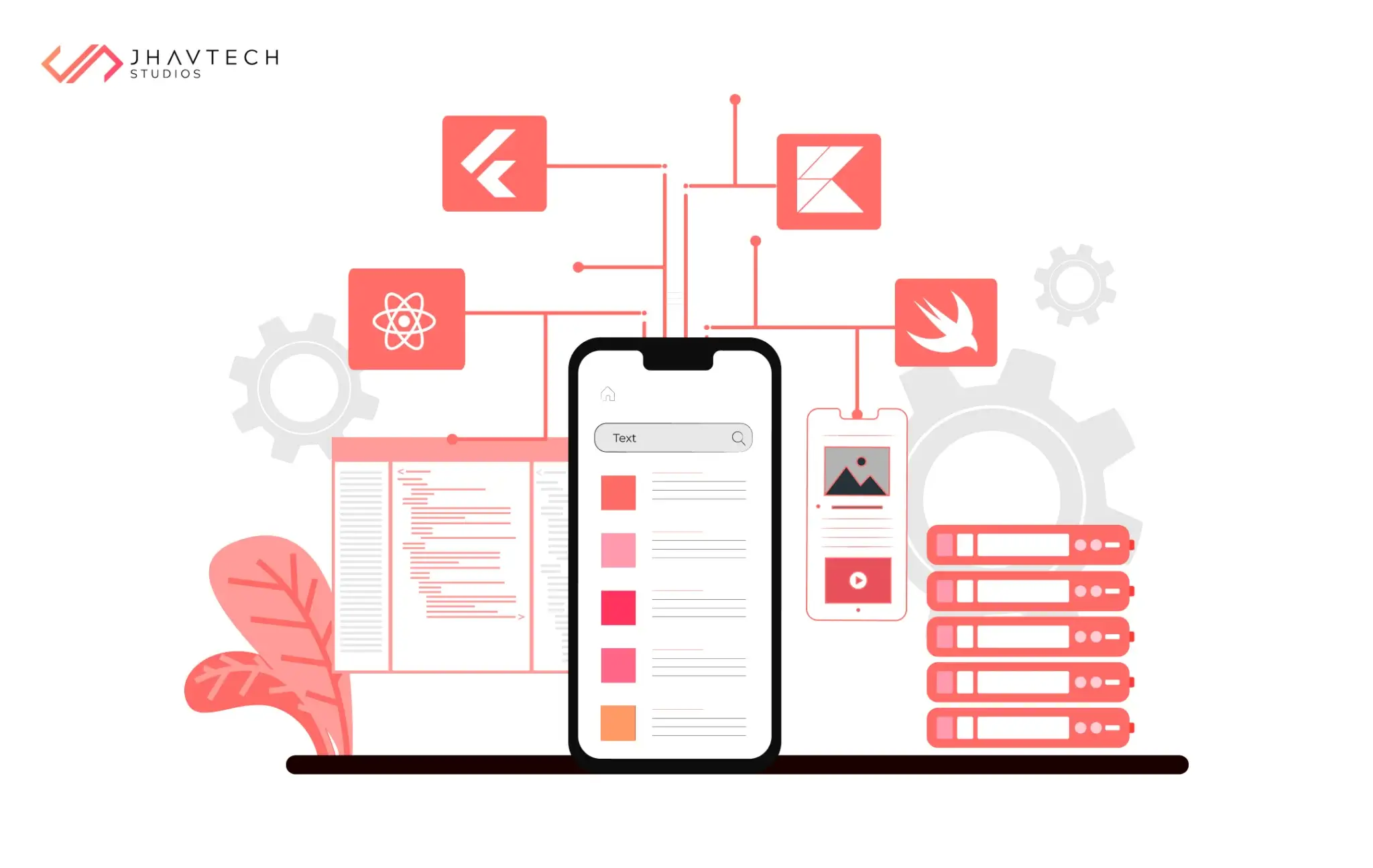
Decide whether to build a native app, a cross-platform app, or a hybrid app. Native apps are developed specifically for a platform (iOS or Android) using platform-specific languages like Swift or Kotlin, providing optimal performance and access to native features. Cross-platform apps, developed using frameworks like React Native or Flutter, allow you to build once and deploy on multiple platforms, reducing development time and cost. Hybrid apps combine elements of native and web apps, offering a balance between performance and flexibility.
Backend technology choices also play a vital role in app development. Depending on your app’s requirements, you may choose between popular backend solutions like Node.js, Ruby on Rails, or Django. Cloud services like AWS, Google Cloud, or Microsoft Azure provide scalable infrastructure for managing data, user authentication, and app performance.
Selecting the right technology stack ensures your app is robust, scalable, and capable of delivering a seamless user experience.
5. Implementing Agile Methodology for Efficient Development
The Agile development methodology is highly effective for app development projects. Agile emphasises flexibility, collaboration, and iterative progress, allowing teams to adapt quickly to changes and deliver high-quality products.
Agile divides the development process into short, time-boxed iterations called sprints. Each sprint focuses on a set of prioritised tasks, enabling rapid feedback and continuous improvement. This iterative approach allows developers to identify and resolve issues early, reducing risks and improving overall app quality.
Project management tools like Jira, ClickUp, Trello, or Asana are helpful in managing sprints and tracking progress. Regular communication through daily stand-ups, sprint planning meetings, and retrospectives fosters collaboration and keeps the team aligned.
By adopting Agile, you can ensure that your development process remains efficient, flexible, and focused on delivering value to users.
6. Testing and Quality Assurance: Ensuring a Flawless App Experience
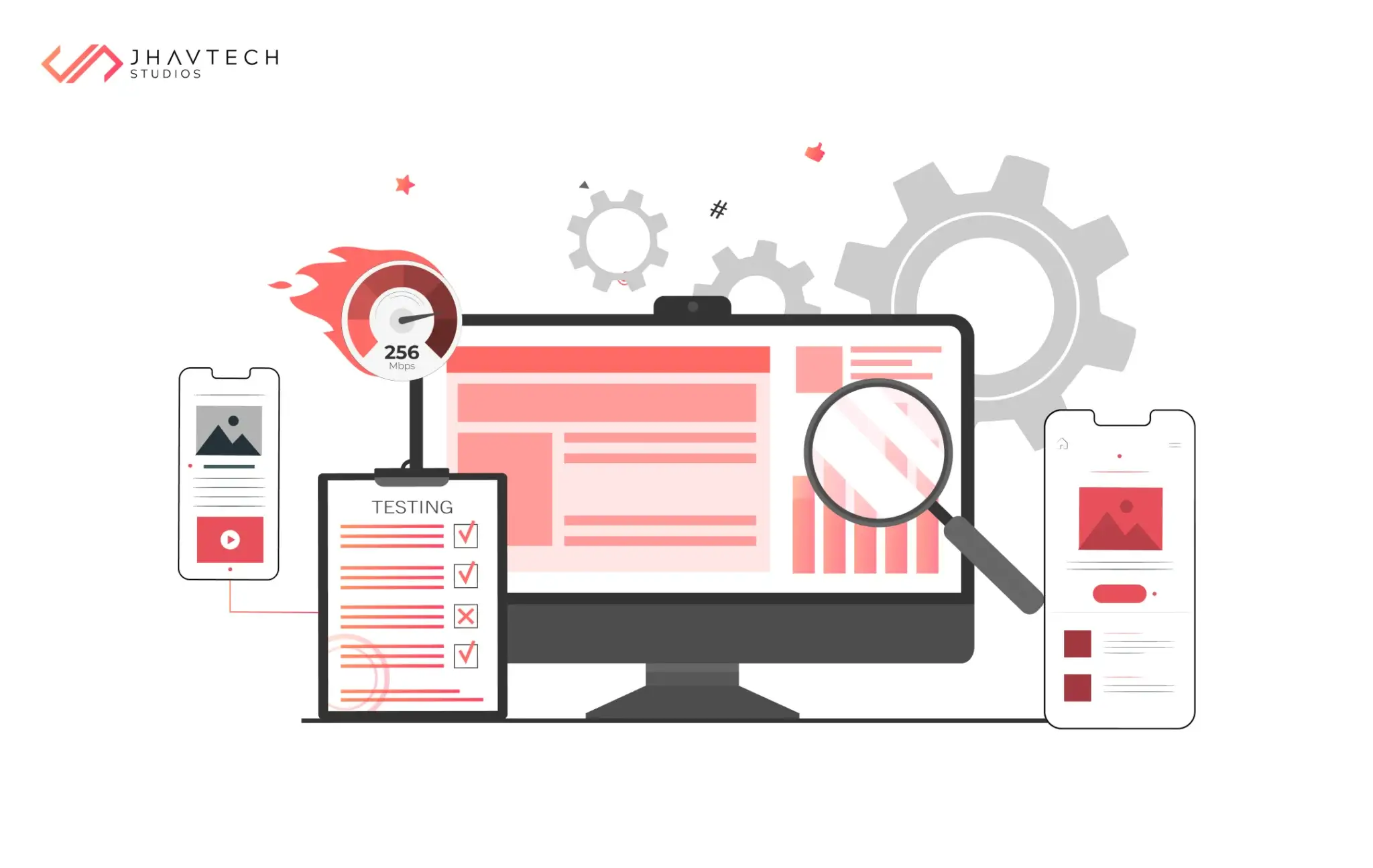
Thorough testing and quality assurance (QA) are essential to ensure that your app performs optimally and meets user expectations. Comprehensive testing helps identify and resolve issues related to functionality, usability, performance, and security before launch.
Begin with unit testing, which focuses on verifying the functionality of individual components. Progress to integration testing to ensure that different components work together seamlessly. Conduct functional testing to validate that your app's features work as intended under various scenarios.
Usability testing is crucial for optimising the user experience. Observe real users as they interact with your app to identify areas for improvement. Performance testing, such as load and stress testing, ensures that your app can handle varying traffic levels and performs smoothly under different conditions.
Security testing is another critical aspect of app development. With increasing concerns about data breaches and cyber-attacks, ensuring your app’s security is paramount. Conduct vulnerability assessments, penetration testing, and implement security best practices like encryption and two-factor authentication (2FA) to protect user data.
By implementing a rigorous QA process, you can deliver a high-quality app that meets user expectations and performs well across different devices and platforms.
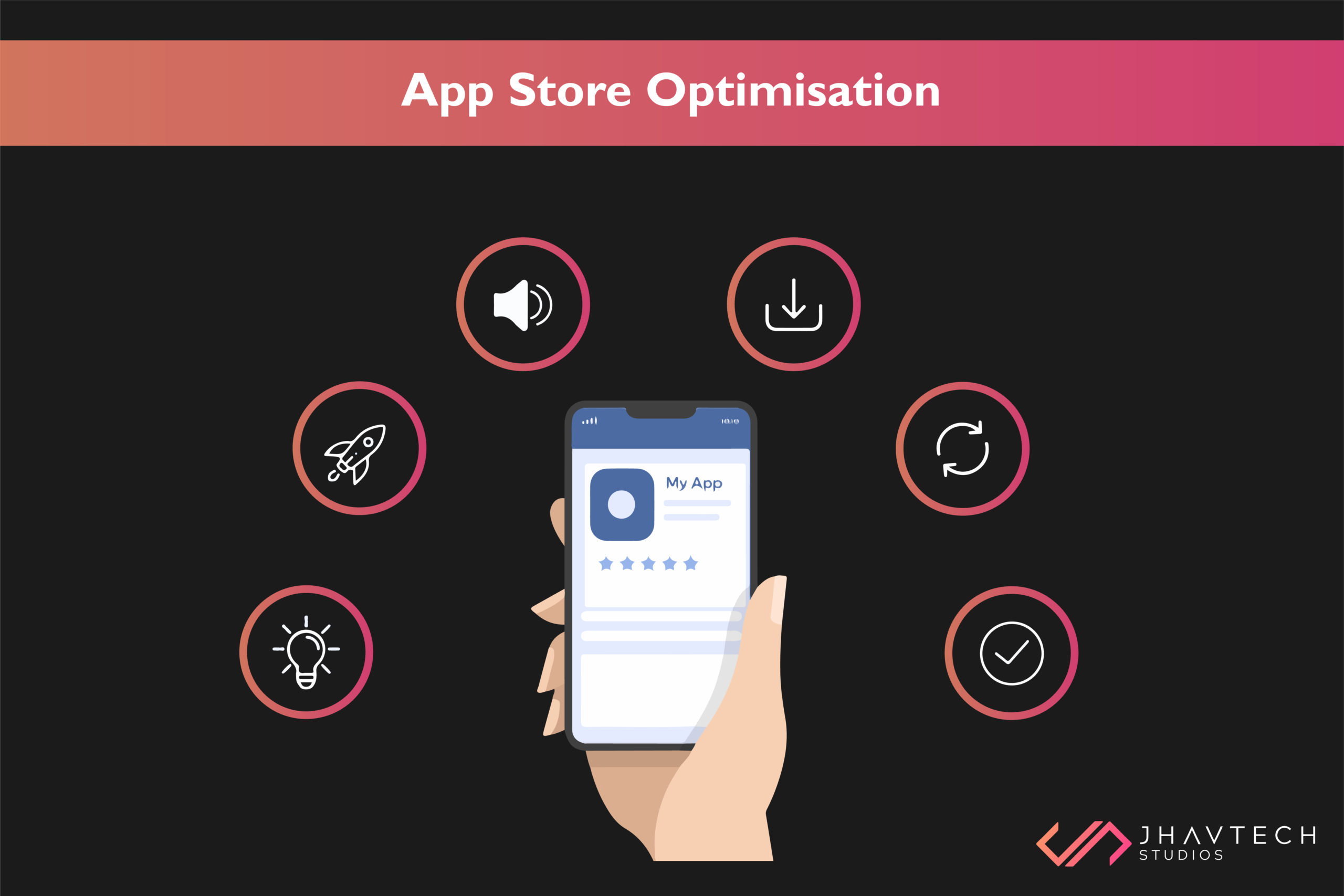
7. Optimising Your App for App Store Success
App Store Optimisation (ASO) is essential for ensuring your app’s visibility and success in app stores like Google Play and the Apple App Store. ASO involves optimising various elements of your app listing, such as the title, description, keywords, and visuals, to improve search rankings and conversion rates.
Start by crafting a compelling app title that clearly conveys your app's purpose and value proposition. Use relevant keywords that potential users are likely to search for, but avoid keyword stuffing, which can negatively impact your app's ranking. Write a concise and engaging description that highlights the key features and benefits of your app.
Visual elements like screenshots, app previews, and icons play a crucial role in attracting users. Use high-quality images and videos that showcase your app’s unique features and user experience. A well-designed app icon can also significantly impact click-through rates.
Encourage positive reviews and ratings by prompting users to leave feedback after they have experienced value from your app. Responding to user reviews shows that you value their input, which can positively influence your app's reputation. Regular updates that fix bugs, add new features, and improve performance can also contribute to better app store rankings.
8. Launch and Post-Launch Strategies for Long-Term Success
Launching your app is just the beginning. A successful launch involves promoting your app effectively and continuously optimising it based on user feedback and analytics.
Develop a comprehensive marketing plan to promote your app across various channels, including social media, email marketing, influencer partnerships, and app store ads. Create a compelling landing page that highlights your app’s key features and benefits, and use engaging content like blog posts, videos, and infographics to attract potential users.
Post-launch, it’s essential to monitor your app’s performance closely. Use analytics tools like Google Analytics, Firebase, or Mixpanel to track key metrics such as downloads, user engagement, retention rates, and revenue. Analysing these metrics helps identify areas for improvement and informs future updates.
Gather and act on user feedback to enhance your app’s features and functionality. Regular updates based on user suggestions and pain points can significantly improve user satisfaction and retention. Additionally, consider implementing A/B testing to experiment with different app elements and optimise them for better performance.
Building a community around your app can also contribute to long-term success. Encourage users to engage with your brand through social media, forums, or in-app communities.
Responding to user feedback and maintaining an open line of communication can build user loyalty and foster a sense of belonging.
Final Thoughts…
App development is a complex and dynamic process that requires a strategic approach and adherence to best practices. From thorough market research and a well-defined concept to user-centric design, agile development, rigorous testing, and effective post-launch strategies, every step plays a vital role in ensuring your app’s success.
By following these best practices, you can create a high-quality app that stands out in today’s competitive market, delivers exceptional user experiences, and achieves sustainable growth.
Ready to Turn Your App Idea into Reality?
At Jhavtech Studios, we specialise in bringing innovative app ideas to life with a focus on quality, performance, and user experience. Whether you're just starting out with a concept or looking to optimise an existing app, our team of experienced developers and designers is here to help you every step of the way.
Don't leave your app's success to chance. Contact us today to discuss your project and discover how we can turn your vision into a standout app that drives growth and engagement. Let's build something amazing together!





.png)
.png)
.png)
.png)
.png)
.png)
.png)
.png)
.png)
.png)
.png)


.png)
.png)
.png)
.png)
.png)
.png)
.png)
.png)
.png)

.png)
.png)
.png)
.png)
.png)
.png)
.png)
.png)
.png)
.png)
.png)
.png)
.png)

.png)
.png)
.png)
.png)

.png)
.png)
.png)


.png)
.png)
.png)
.png)

.png)


.png)

.png)




.png)



.png)






.png)

.png)


.png)

.png)

.png)
.png)