.svg)
.svg)


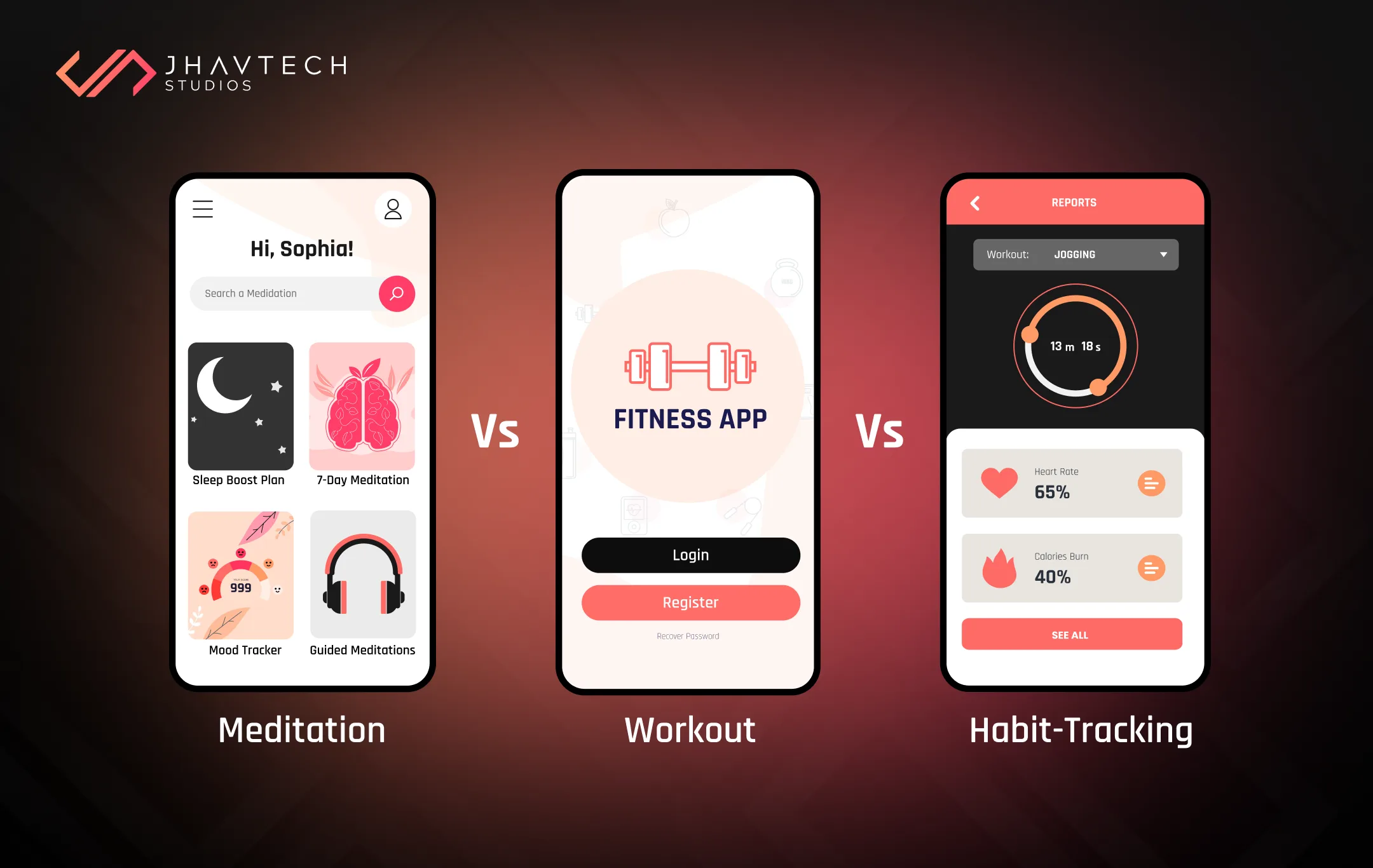
The wellness and fitness industry isn’t just booming—it’s transforming the way people live, work, and relax. From meditation breaks between Zoom calls to at-home workouts guided by AI trainers, mobile apps have become indispensable companions in modern life.
In 2025, people don’t just download apps—they look for personalised digital ecosystems that align with their health, mental wellness, and lifestyle goals, making health and wellness app development a priority for businesses. For entrepreneurs and startups across Australia, the golden question remains:
👉 Which type of wellness app should you build?
Do you invest in a meditation app, a workout app, or a habit-tracking app? Each niche comes with unique opportunities, target audiences, and features that can drive engagement and revenue.
This blog will break down the core features, innovations, and audience fit for each type of app, while also comparing them side by side. Whether you’re an ambitious startup founder or a business exploring health and wellness app development, this guide will help you choose your niche wisely.
Why Wellness Apps Are Thriving in 2025
Before diving into niches, let’s look at why wellness apps are exploding in popularity worldwide—and especially in Australia.
Post-pandemic priorities
Australians are more conscious of their physical and mental health. A survey by the Australian Bureau of Statistics (2024) revealed that 68% of adults actively use digital tools to track health and fitness goals. This shift has created a fertile market for apps that support holistic wellbeing, from stress management to sleep improvement.
Wearables integration
Fitness trackers and smartwatches are no longer optional. By 2025, nearly 40% of Australians own a wearable device, and apps that sync with them have a clear competitive edge. The ability to provide real-time feedback and personalised insights makes wearable-friendly apps far more engaging and sticky.
Subscription-based growth
The global wellness app market is projected to exceed $10 billion by 2027 (Statista). With recurring subscription models, businesses can generate long-term revenue streams. For startups, this means building apps that prioritise value-added features users are willing to pay for month after month.
Hybrid lifestyles
As more Australians embrace hybrid work, wellness apps fill the gaps by offering flexible, on-demand wellness routines—whether it’s meditating during lunch breaks or squeezing in a quick home workout. This flexibility positions wellness apps as essential daily companions rather than optional extras.
At Jhavtech Studios, we’ve helped clients build apps that go beyond aesthetics. Our Wellness & Fitness Application Development Service focuses on creating scalable, user-focused products that deliver measurable results, from meditation platforms to hybrid fitness tools.
Core Features of Meditation Apps
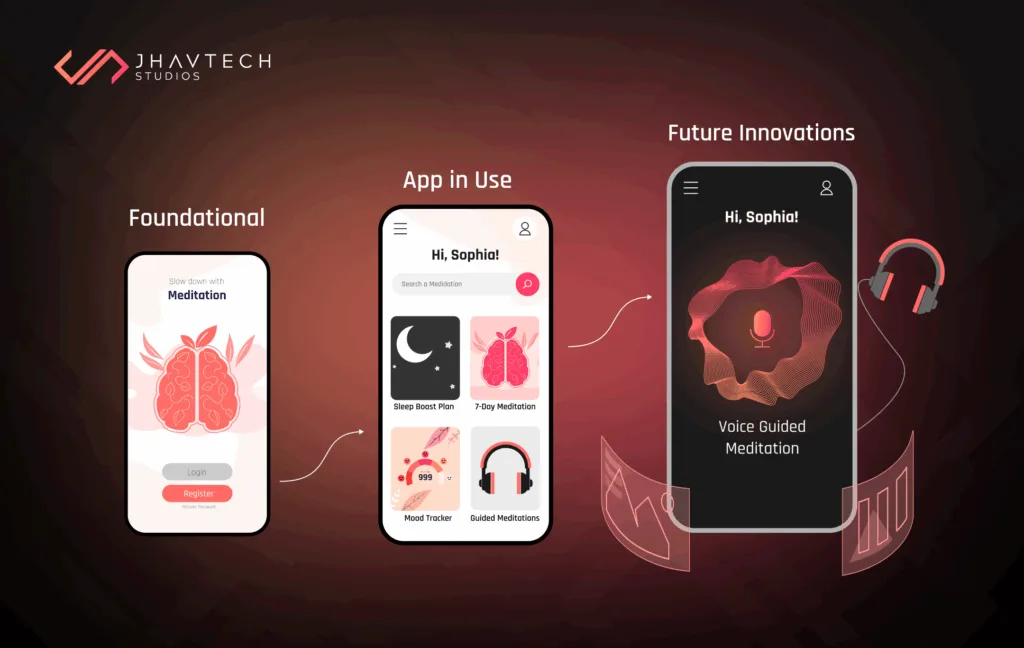
Meditation apps cater to mental health and mindfulness, helping users reduce stress, sleep better, and cultivate focus. With increasing awareness of burnout and anxiety, these apps are among the most downloaded in the app development for mental health space.
Must-Have Meditation App Features
- Guided meditations (audio + video)
- Sleep stories and calming soundscapes
- Mood tracking and journaling tools
- Personalised meditation plans
- Daily reminders for mindfulness
Innovative Additions in 2025
- AI-driven voice guides that adapt based on user mood or stress levels.
- Augmented Reality (AR) meditations—imagine sitting in a virtual forest for a 10-minute break.
- Wearable integration for real-time stress and heart-rate monitoring.
Best Audience
Busy professionals, students, and individuals who want to manage stress, improve sleep, or integrate mindfulness into daily life represent a prime audience for businesses investing in health and wellness app development.
💡 Did you know? A 2024 report by Deloitte highlighted that 1 in 4 Australians actively use a meditation or mental health app, showing strong demand in this niche.
Core Features of Workout Apps
Workout apps dominate the fitness segment by focusing on physical training, exercise tracking, and performance monitoring. With fitness demand evolving in 2025, app developers are creating smarter, more interactive solutions that cater to both at-home users and gym-goers, making these apps a staple in the wellness industry.
Must-Have Features for a Workout App
- Exercise libraries with instructional videos
- Personalised workout plans (strength, cardio, HIIT, yoga, etc.)
- Real-time progress tracking (steps, calories, heart rate)
- Wearables integration (Apple Watch, Fitbit, Garmin, etc.)
- Social sharing to build motivation and community
Innovative Additions in 2025
- AI-powered fitness coaches correcting form via smartphone cameras.
- Gamified challenges—leaderboards, competitions, and points systems.
- Hybrid programs that cater to both gym-goers and home workout enthusiasts.
Best Audience
Fitness enthusiasts, athletes, gym-goers, and even beginners wanting to build a fitness app routine at home.
📊 Example: The Australian fitness app market alone is projected to grow 11% annually through 2028 (IBISWorld), making this a highly lucrative space for those considering health and wellness app development in the fitness niche.
Core Features of Habit-Tracking Apps
Habit-tracking apps aim to help people build consistency and long-term lifestyle changes. They’re not about short-term goals like finishing a workout, but rather about ingraining positive habits—from staying hydrated to reading every night. With the rise of mobile app development, these tools have become smarter, more accessible, and seamlessly integrated into daily routines.
Must-Have Habit Tracker Features
- Custom habit creation and tracking
- Goal setting, streaks, and milestones
- Visual progress charts and dashboards
- Reminders and push notifications
- Social accountability (share goals with peers)
Innovative Additions in 2025
- Behavioral psychology integration like nudges and habit stacking.
- AI-powered suggestions that adapt based on lifestyle data.
- Calendar syncing for automated reminders.
Best Audience
Students, professionals, entrepreneurs, and productivity seekers who want to cultivate better daily habits.
✨ Quick insight: Habit-tracking apps often appeal to the same audience as productivity tools (like Notion or Trello), giving startups a crossover opportunity to expand their health and wellness app development strategy into productivity-focused markets.
Side-by-Side Feature Comparison
Choosing between meditation, workout, and habit-tracking apps isn’t always straightforward—each category serves different goals and audiences. A side-by-side look at their strengths and limitations makes it easier to see which aligns best with your vision for health and wellness app development.
Here’s a clear breakdown of meditation app features vs workout app vs habit tracker capabilities:
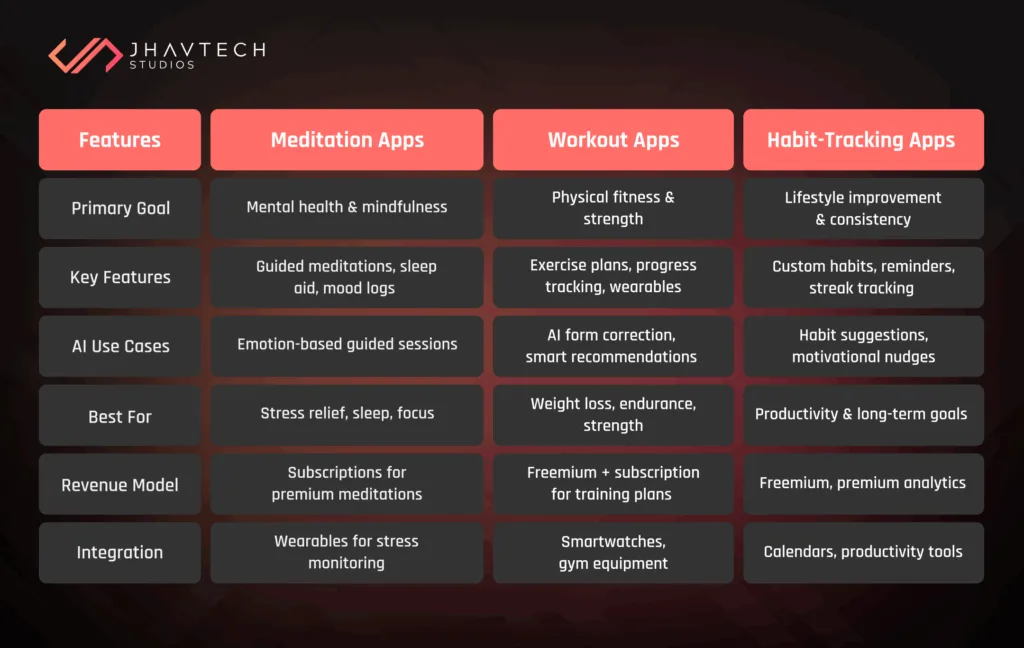
Each app type shines in its own way: meditation apps excel at mental health support, workout apps drive physical transformation, and habit trackers build consistency. The right choice ultimately depends on your audience and business model, or you may even consider blending features to create a more comprehensive wellness solution.
Which Niche Should You Choose in 2025?
When considering health and wellness app development, here’s a quick guide:
Choose Meditation Apps
Choose meditation apps if you want to target mental health and mindfulness. This niche has high subscription loyalty and is growing fast, especially in urban Australia.
Choose Workout Apps
Choose workout apps if you want broad appeal and integration with wearables. The fitness market is mainstream and ripe with revenue opportunities.
Choose Habit-Tracking Apps
Choose habit-tracking apps if you’re drawn to the productivity and lifestyle improvement space, which is especially popular among students and young professionals.
💡 Pro Tip: Many startups are now combining features—building a “super-app” that blends meditation, workouts, and habit tracking into one seamless platform. While more complex, this strategy can capture multiple audience segments at once.
Future Trends in Wellness & Fitness Apps
The future of health and wellness app development will be defined by innovation and deeper user engagement. Here’s what’s on the horizon:
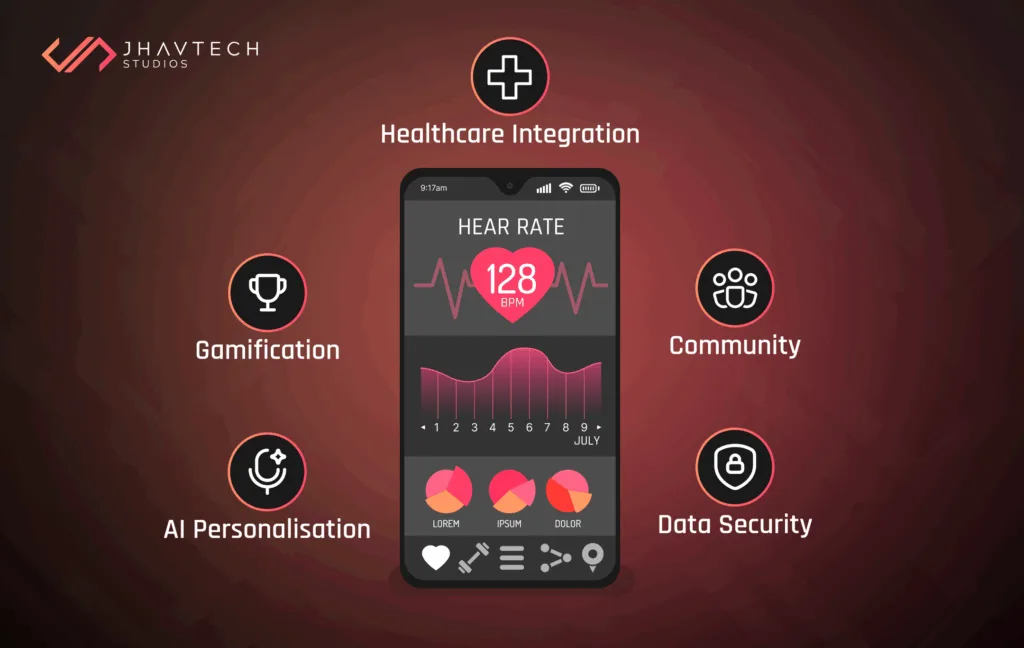
Gamification
Gamification is no longer just about earning badges—it’s about creating a sense of achievement that keeps users coming back. Features like competitions, streaks, and progress milestones help sustain long-term engagement. In Australia, fitness and wellness apps that use gamified challenges see 30% higher retention rates compared to those without them.
AI Personalisation
Artificial intelligence is taking personalisation to a whole new level. Instead of generic plans, apps can now offer recommendations that adapt to each user’s mood, performance, and even biometric data. For example, a meditation app could adjust session length based on stress levels detected by a smartwatch.
Community-driven features
Users increasingly want a sense of belonging in their wellness journey. Community forums, group challenges, and team workouts encourage accountability and make the experience more social. This approach also helps businesses build brand loyalty as users form connections within the app.
Healthcare integration
Wellness apps are moving closer to healthcare by syncing with medical-grade devices and electronic health records. This means users can share accurate wellness data with doctors or nutritionists for better outcomes. For Australian businesses, this opens opportunities to partner with healthcare providers in delivering trusted, compliant digital solutions.
Data Security and Compliance
As apps handle more sensitive health data, compliance is becoming critical. Regulations like GDPR and Australia’s Privacy Act require businesses to secure personal information and provide transparent data practices. For startups in health and wellness app development, prioritising privacy isn’t just about legal protection—it’s a way to build user trust.
Final Thoughts…
The wellness app market in 2025 is booming with opportunities, but success depends on choosing the right niche in health and wellness app development and executing it with precision. Whether you want to:
- Create a meditation app with advanced mindfulness features,
- Build a fitness app that leverages AI and wearables, or
- Launch a habit-tracking app to empower lifestyle changes—
…the key lies in offering personalisation, smart integrations, and engaging features of a wellness app that keep users coming back.
At Jhavtech Studios, we’ve proven expertise in health and wellness app development, working with clients across Australia to turn app ideas into scalable, user-focused products. If you’re ready to explore this exciting space, get in touch and our team can guide you through every step of the journey.
Frequently Asked Questions
1. Which type of wellness app is most profitable in 2025?
Meditation apps with subscription models and workout apps with premium training plans typically generate the highest recurring revenue.
2. Are habit-tracking apps still popular?
Absolutely. Habit apps remain highly relevant, especially among productivity-focused professionals and students.
3. Can I combine meditation, fitness, and habit tracking in one app?
Yes. “All-in-one” apps are trending, but they require strong UX design to avoid overwhelming users.
4. How important is wearable integration in wellness apps?
Extremely important. Apps that sync with smartwatches and health trackers see 30–40% higher engagement rates compared to those that don’t.
5. Which technology is best for building wellness apps?
Frameworks like Flutter (for cross-platform) and Python (for AI-driven personalisation) are excellent choices, depending on your goals.