.svg)
.svg)


Even in a digital landscape dominated by mobile and cloud-first experiences, desktop app development continues to thrive in 2026. Businesses and users alike still depend on desktop apps for performance-heavy tasks, complex workflows, and offline capabilities that the web alone can’t deliver. This guide walks you through the latest trends, frameworks, best practices, and strategies shaping desktop application development in 2026, with a focus on Australian businesses adopting these innovations.
Why Desktop Apps Still Matter in 2026
While web and mobile apps continue to grow, desktop apps remain irreplaceable for many use cases. Here’s why:
- Performance and efficiency – Desktop apps can directly access system resources like CPU and GPU, enabling high performance for demanding applications.
- Offline capabilities – Many industries need apps that work seamlessly without internet access, especially in secure or remote environments.
- Complex workflows – From 3D design and CAD to video editing and scientific computing, desktops remain the preferred platform for power users.
- Deep OS integration – Desktop apps can offer tighter integration with system features such as file management, notifications, and native APIs.
Desktop apps also offer long-term stability for enterprises that require consistent, secure, and customisable solutions for business-critical operations.
Key Trends in Desktop App Development for 2026
AI-Powered Experiences
AI is no longer an optional feature. It’s becoming a core part of desktop applications. In 2026, desktop apps will increasingly embed generative AI and large language models directly into workflows, offering intelligent automation, contextual recommendations, and natural language interfaces. Businesses in Australia are already adopting AI-powered desktop software to boost productivity across industries like finance, healthcare, and logistics.
Lightweight Alternatives to Electron
Electron is still popular, but its resource-heavy nature has led developers to embrace more efficient frameworks like Tauri, which combines Rust with a lightweight web frontend. Tauri apps are smaller, faster, and more secure, making them a top choice in modern desktop applications.
Cross-Platform Development on the Rise
Businesses demand apps that run on Windows, macOS, and Linux without major redevelopment. Frameworks like .NET MAUI, Flutter, and Kotlin Multiplatform have matured, while Rust-based UI frameworks and lightweight options like Fyne are gaining traction. This shift highlights the importance of building cross-platform desktop apps to reduce costs and accelerate time-to-market.
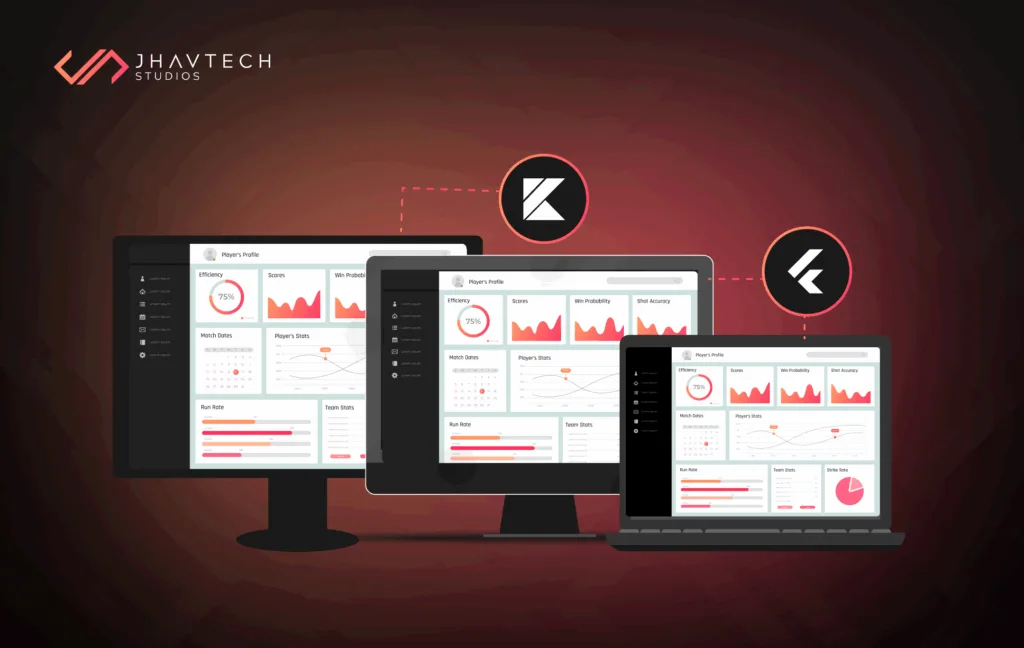
Hybrid Cloud + Desktop Solutions
Today’s desktop apps are rarely standalone. Many now integrate with cloud backends for sync, collaboration, and heavy computation. This hybrid model ensures that apps are lightweight locally while offering scalable cloud-powered features, showing how desktop app is evolving to meet modern demands.
Security-First Development
With cyber threats rising, DevSecOps is standard practice. Desktop applications in 2026 are expected to have built-in security scanning, code signing, sandboxing, and compliance with global data protection laws. For Australian businesses handling sensitive data, secure application development has become a critical priority.
Low-Code and No-Code Integration
Desktop apps are increasingly extensible through low-code or no-code modules, enabling non-technical users to tailor workflows. Combined with AI-assisted design, this makes apps more flexible and user-driven. This trend is reshaping desktop apps for both enterprises and end users.
Sustainable Development
Green coding is gaining momentum. Developers are optimising apps to reduce memory usage, CPU cycles, and power consumption. This marks an important consideration for both performance and environmental impact. Sustainability is now part of best practices in desktop app development.
Choosing the Right Framework in 2026
Selecting the right framework is one of the most critical decisions in developing a desktop application, as it impacts performance, scalability, user experience, and long-term maintenance. In 2026, with the rise of cross-platform solutions and AI-driven workflows, the choice of framework can define how competitive and future-ready your application will be.
Here are the top frameworks and toolkits powering desktop application development today:

When choosing a framework, consider factors like performance requirements, target audience, budget, and future scalability. For example, tech companies investing in desktop app development services in Australia often look for cross-platform options to maximise user reach.
Designing Desktop Apps for Modern Users
In 2026, user expectations for desktop applications are higher than ever. With Australians spending more time on powerful desktops and laptops for work, study, and creativity, businesses must deliver experiences that feel intuitive, personalised, and seamlessly connected. Keep these best practices in mind:
- Adaptive UIs – Ensure apps work across screen sizes, resolutions, and accessibility settings.
- AI-enhanced workflows – Build features like natural language queries, smart automation, and predictive recommendations.
- Collaboration-first – Integrate real-time collaboration and syncing where relevant.
- Accessibility and inclusivity – Prioritise keyboard navigation, screen reader support, and customisable themes.
- System-native theming – Respect OS-level dark mode, high contrast, and personalisation preferences.
These practices show how user-centered UI/UX design and desktop app development go hand in hand. By embracing these principles, businesses can create desktop experiences that not only meet but exceed user expectations in 2026, ensuring long-term loyalty and competitive advantage.
Performance and Security Considerations
In 2026, desktop app development isn’t just about rich features and beautiful design—it’s also about ensuring apps run efficiently and remain secure in an increasingly complex digital landscape. With Australian businesses relying heavily on software to drive productivity and customer engagement, even minor performance hiccups or security lapses can have major consequences.
Performance Best Practices:
- Use lazy loading and modular architecture
- Optimise memory and CPU usage
- Leverage GPU acceleration where possible
- Profile regularly to catch bottlenecks
Security Best Practices:
- Sign and verify all code and updates
- Encrypt data in transit and at rest
- Implement sandboxing and permissions management
- Integrate vulnerability scanning into CI/CD pipelines
- Ensure compliance with standards like GDPR, HIPAA, and PCI DSS
By combining performance and secure application development, you ensure that your desktop apps will deliver stable, reliable, and top-notch performance.
Real-World Examples
Some of the world’s most widely used applications prove that desktops remain essential for performance-heavy and productivity-driven tasks. From creative industries to technical fields, these examples highlight how powerful tools can be when designed with modern users in mind.
- VS Code – A lightweight yet powerful code editor built with Electron.
- Notion and Obsidian – Knowledge management tools that combine desktop speed with cloud sync.
- Blender – A resource-intensive 3D modeling app that demonstrates why desktop power still matters.
- Ableton Live – A professional DAW (Digital Audio Workstation) built for speed, precision, and offline reliability.
Each of these showcases how innovative desktop app can produce solutions tailored to specific industries and audiences. In Australia, industries like mining, healthcare, and education continue to benefit from purpose-built apps designed for their unique environments.
What’s Next Beyond 2026?
The desktop landscape is far from static. As technology continues to evolve, we’re on the brink of innovations that will fundamentally reshape how businesses and users interact with desktop software. From smarter interfaces to entirely new computing paradigms, the next wave of advancements will push beyond productivity into immersive, intelligent, and highly secure experiences.
Looking ahead, we expect to see:
- LLM-driven user interfaces – Conversational UIs where natural language replaces traditional menus.
- WebAssembly-powered runtimes – Blurring the line between web and desktop apps.
- AR/VR integration – Desktop apps extending into mixed-reality environments.
- Quantum and edge computing – Specialised workflows powered by emerging computer models.
- Deeper zero-trust security models – Privacy-first, resilient apps as a standard.
For companies considering the cost of desktop app development, long-term ROI will come from adopting these emerging technologies early and aligning them with business goals.
Final Thoughts
Desktop app development in 2026 is no longer about choosing between performance and usability. It’s about delivering both while staying ahead of rapid technological change. For Australian businesses, the opportunity lies in leveraging powerful frameworks, integrating AI-driven features, and ensuring that security and accessibility remain top priorities.
By keeping an eye on performance, security, and user experience—and by embracing emerging trends—businesses can ensure their desktop solutions stay competitive and future-ready in 2026 and beyond. Regular code review also plays a key role in maintaining quality and scalability, helping apps evolve smoothly as business needs change.
Partner with Jhavtech Studios for Your Next Desktop App
At Jhavtech Studios, we specialise in desktop app that drives results for businesses across various industries. Our team of experienced developers leverages the latest technologies, including cross-platform frameworks, AI, and cloud integration, to deliver custom solutions that meet your specific needs.
Whether you’re looking to build a high-performance desktop app or optimise an existing one, we can help. Contact us today to learn more about how we can bring your desktop app vision to life and support your business’s growth in 2026 and beyond!