.svg)
.svg)


Rebuild vs Rescue: The Costly App Mistake 68% of Founders Make
.png)
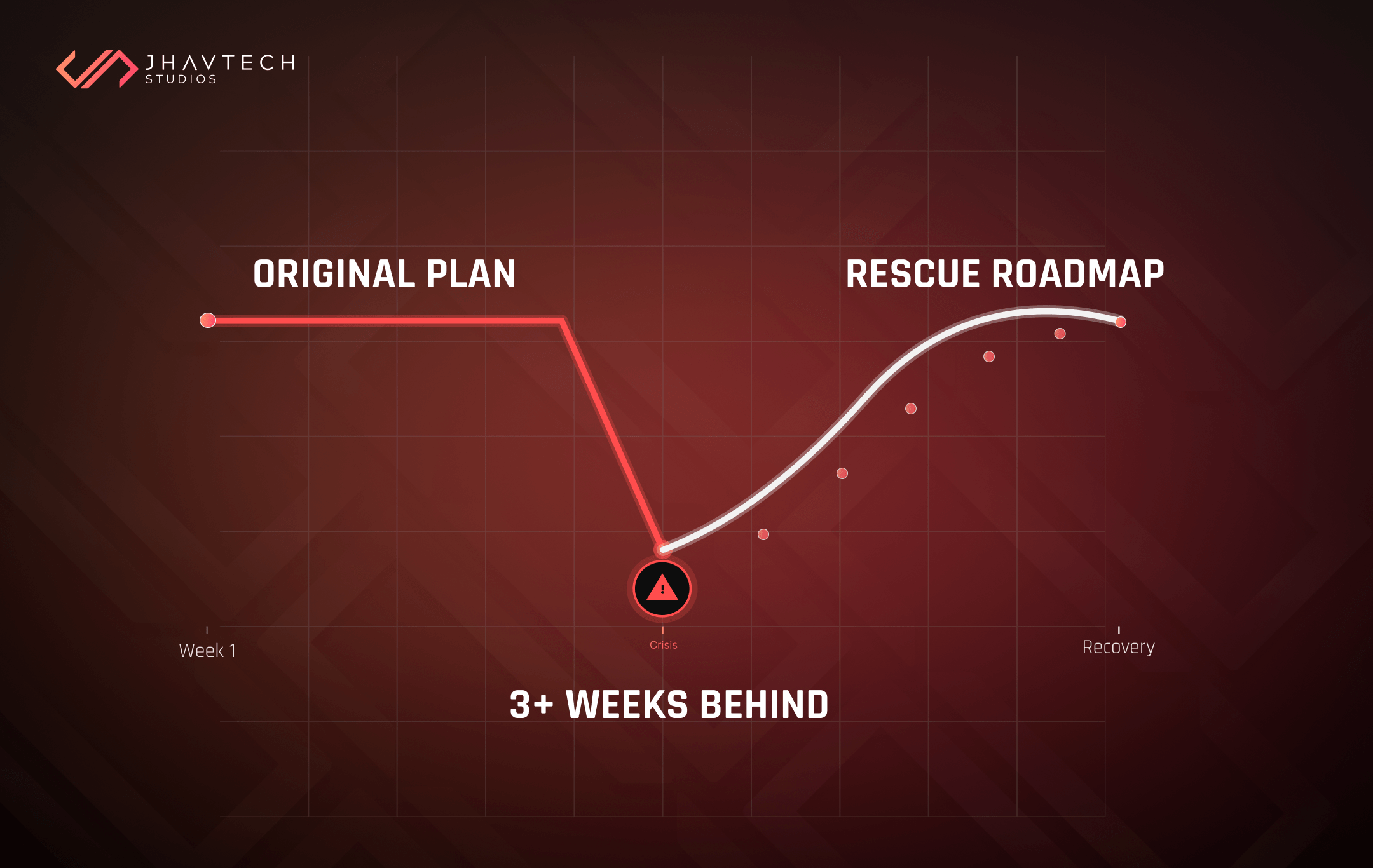
The tech world is littered with the skeletons of promising startups that shared a common, heartbreaking trajectory. It starts with a vision, a significant seed investment, and a flurry of excitement. But six months later, the founder is staring at a buggy, crashing prototype that looks nothing like the roadmap. The original development team is unresponsive, the budget is 80 percent depleted, and the launch date has slipped for the third time.
At this crossroads, most founders fall victim to the "Sunk Cost Fallacy." They believe that because they have already invested so much time and money, they must keep pouring resources into the current failing structure. Research suggests that roughly 68 percent of software projects fail to meet their original goals due to poor requirements, shifting objectives, or technical mismanagement. When a project hits this wall, the instinct is often to burn it all down and start over. However, a total rebuild is a massive financial gamble that many startups cannot survive.
The smarter, more surgical alternative is a professional software project rescue service. Rather than discarding every line of code, this approach focuses on salvaging the intellectual property that works and fixing the foundational cracks that don't.
The High Cost of the "Start Over" Mentality
Why do so many founders choose to rebuild? Usually, it is a result of frustration. When you are dealing with constant crashes, it is easy to assume the entire codebase is "trash." However, the Standish Group’s CHAOS report has historically shown that a staggering number of software features are rarely or never used. If you rebuild from scratch, you risk spending another six figures rebuilding features that your users didn't even want in the first place.
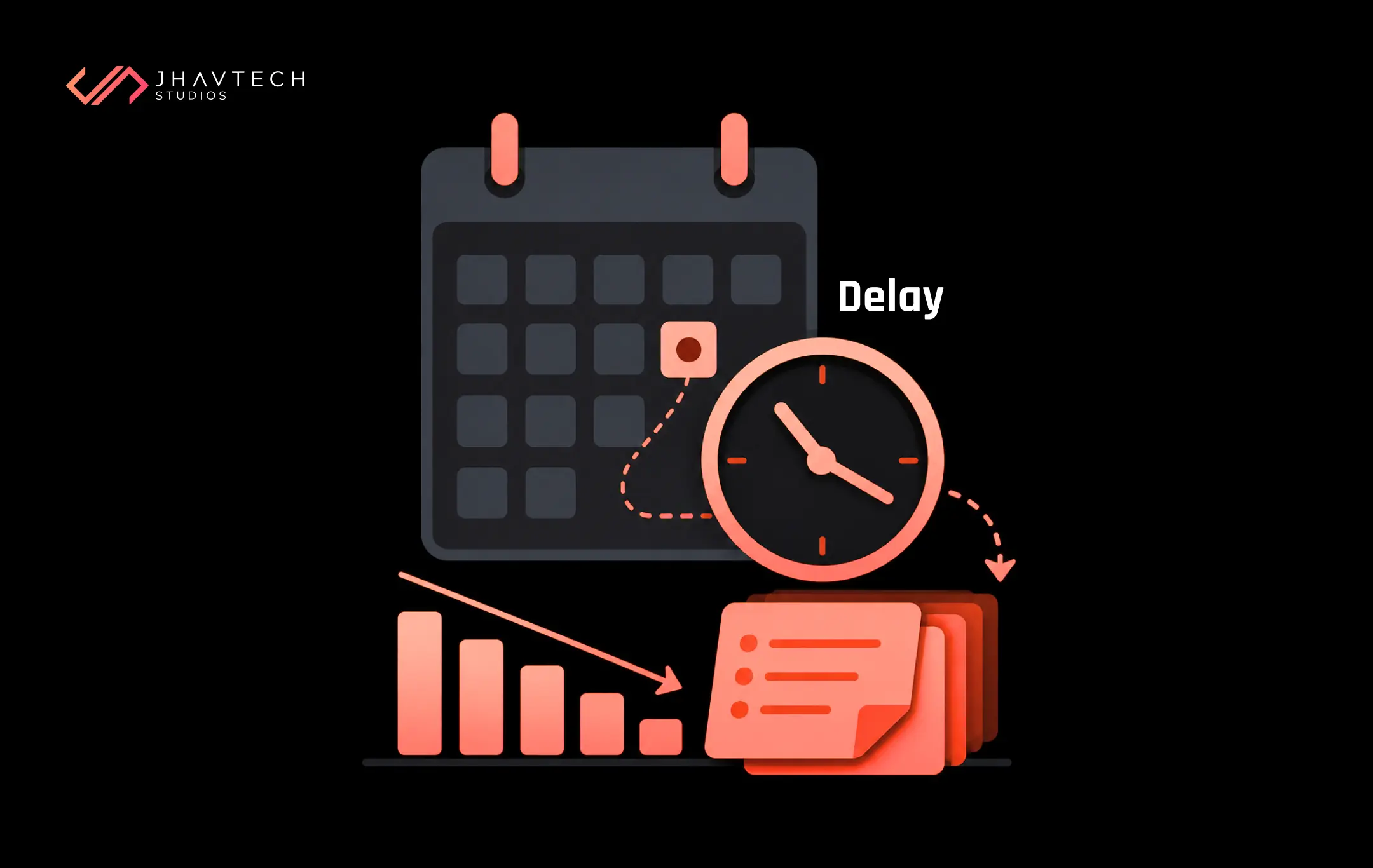
Choosing a software project rescue service allows you to pivot without losing your momentum entirely. It is the difference between demolishing a house because the plumbing is backed up versus hiring a specialist to repipe the building. A rebuild adds at least six to twelve months to your time to market. In a world where speed is the ultimate competitive advantage, that delay is often more expensive than the development costs themselves.
Identifying the Signs Your Outsourced Software Development Project Needs a Rescue
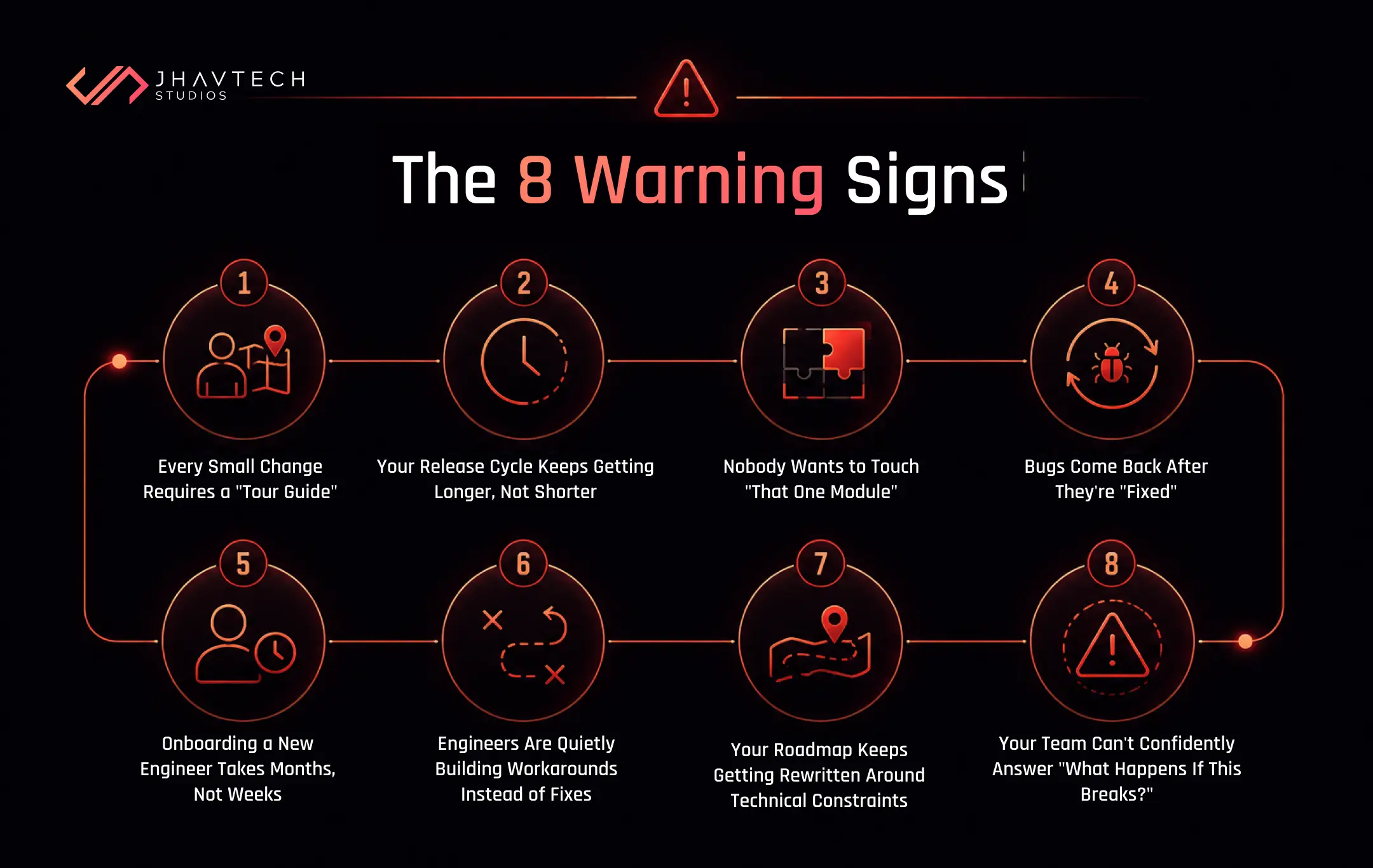
Many founders realise too late that their project is off the rails. They mistake "development friction" for standard industry challenges. However, there are specific symptoms that indicate your project is no longer just "in a rough patch" but is actually failing.
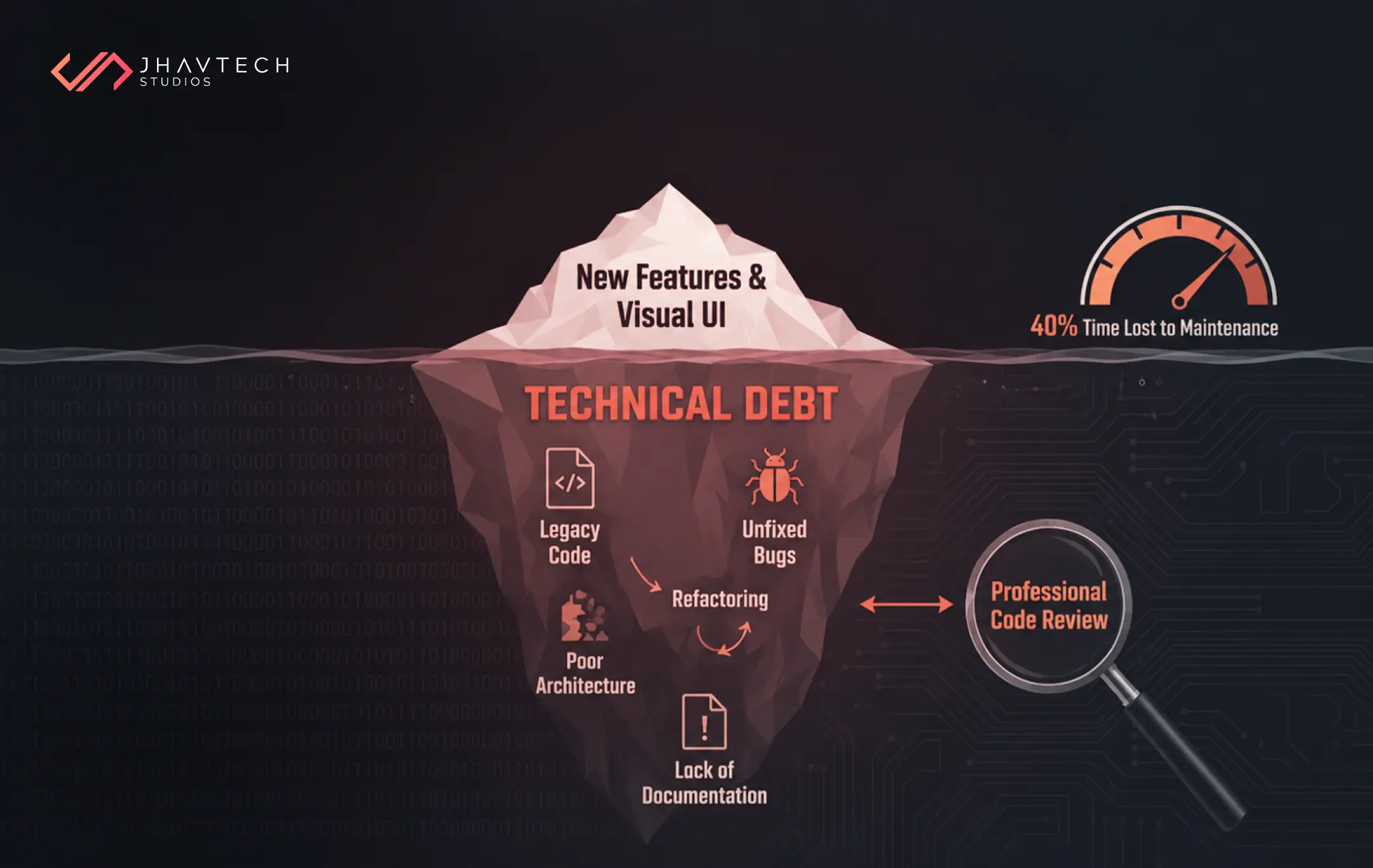
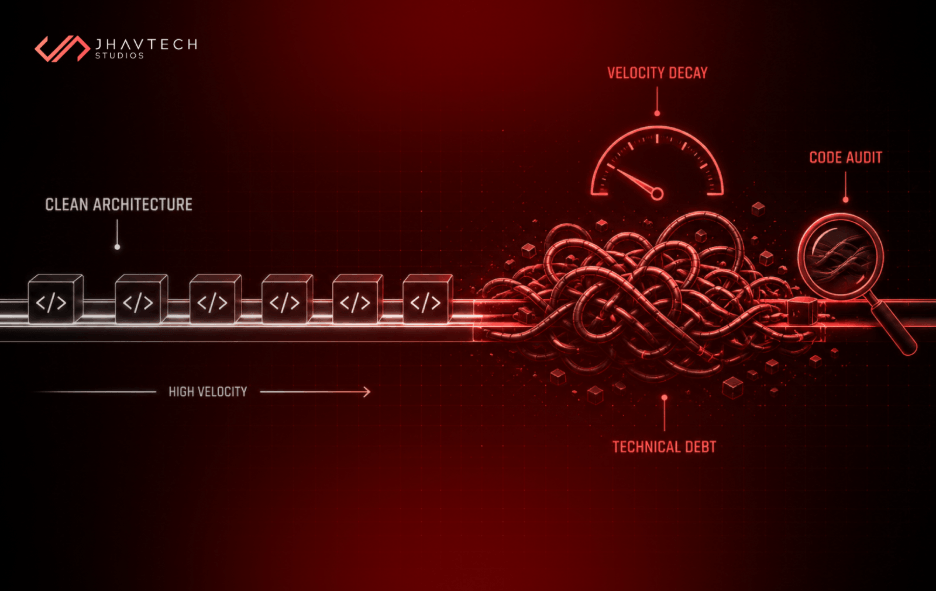
If you find that every time your developers fix one bug, two more appear in unrelated parts of the app, you are likely dealing with massive technical debt. This occurs when code is written quickly and sloppily to meet a deadline, creating a fragile architecture that cannot support new features.
Another major red flag is the "Black Box" syndrome. If your development team cannot explain the logic behind their architectural choices, or if they refuse to provide regular access to the source code, your project is at risk. This is one of the most common signs your outsourced software development project needs a rescue. Without transparency, you aren't just paying for code; you are paying for a mystery that will eventually become unmaintainable.

The Power of a Professional Software Audit and Recovery
Before making the high stakes decision to rebuild or rescue, you need an objective perspective. This is where a software audit and recovery process becomes invaluable. Think of this as a forensic investigation of your digital assets.
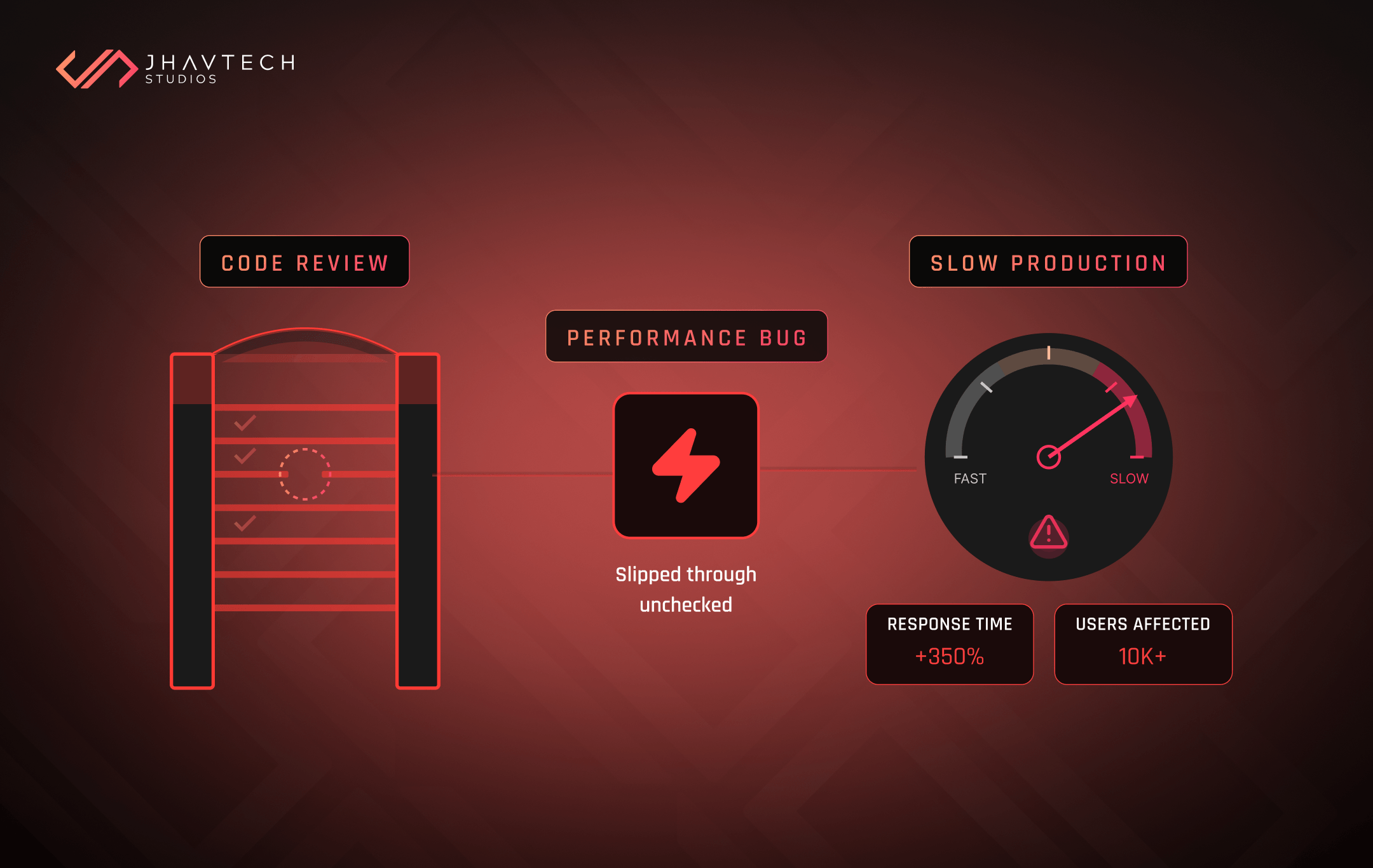
A seasoned team will dive into your repository to perform a comprehensive code review. They aren't just looking for bugs; they are looking for "code smells," security vulnerabilities, and scalability bottlenecks. At Jhavtech Studios, this audit serves as the diagnostic phase. We look at the documentation, the third-party integrations, and the database schema to determine if the heart of the application is healthy.
If the audit reveals that the core logic is sound, but the execution is messy, the project is a prime candidate for a software project rescue service. This saves the founder from the "68 percent mistake" by providing a data driven reason to stay in the course rather than hitting the reset button.
Tackling Technical Debt and Legacy Code Modernisation
One of the most common reasons projects stall is because they were built on foundations that became obsolete before the project even launched. This is particularly true in the fast moving world of mobile app development, where operating system updates can render six-month-old code unstable.
When a project is rescued, the focus often shifts toward legacy code modernisation. This doesn't mean rewriting everything. It means systematically replacing outdated libraries and refactoring "spaghetti code" into modular, reusable components. By modernising the legacy aspects of the app, you improve performance and make it significantly easier for future developers to step in and add features without breaking the system. This incremental approach is the hallmark of a high-quality software project rescue service.
How to Fix a Failing Software Project Without Rebuilding
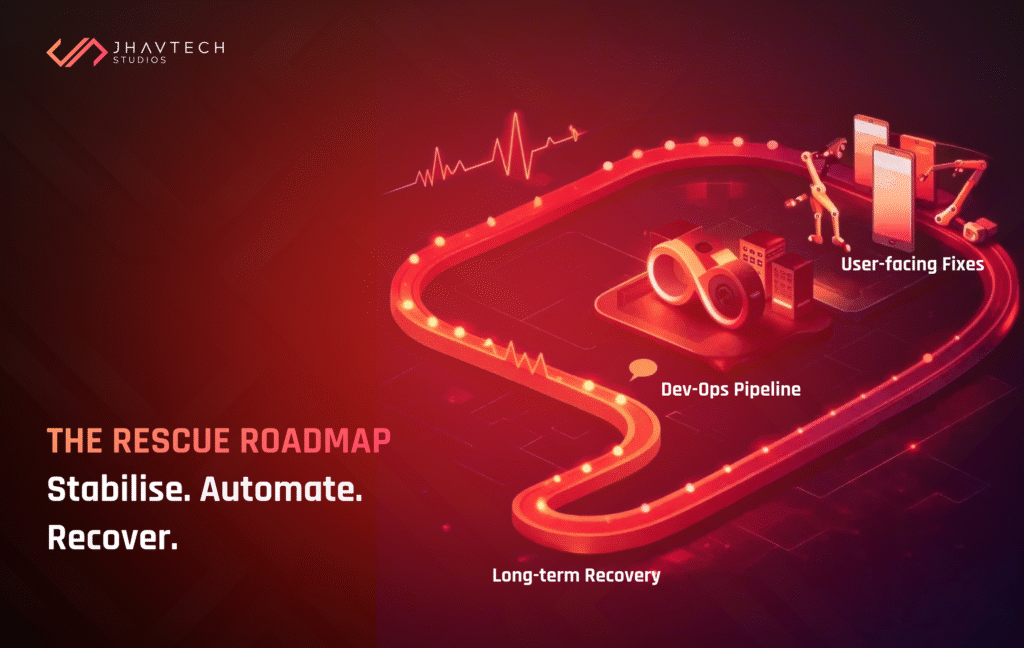
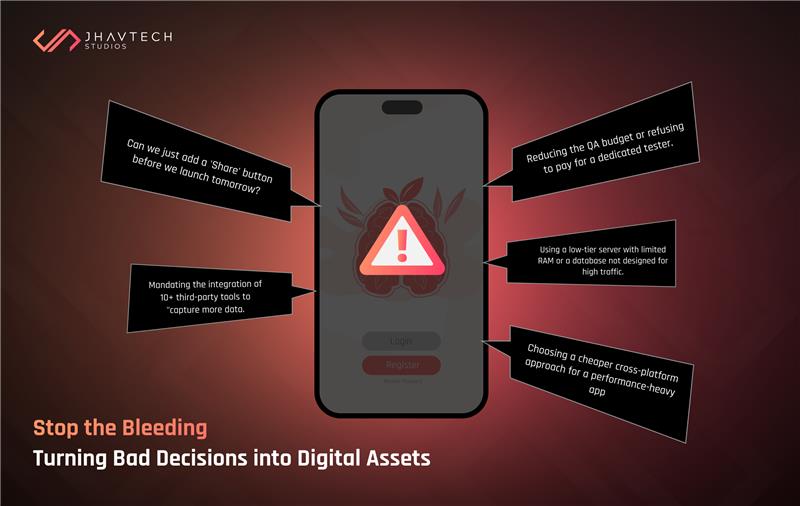
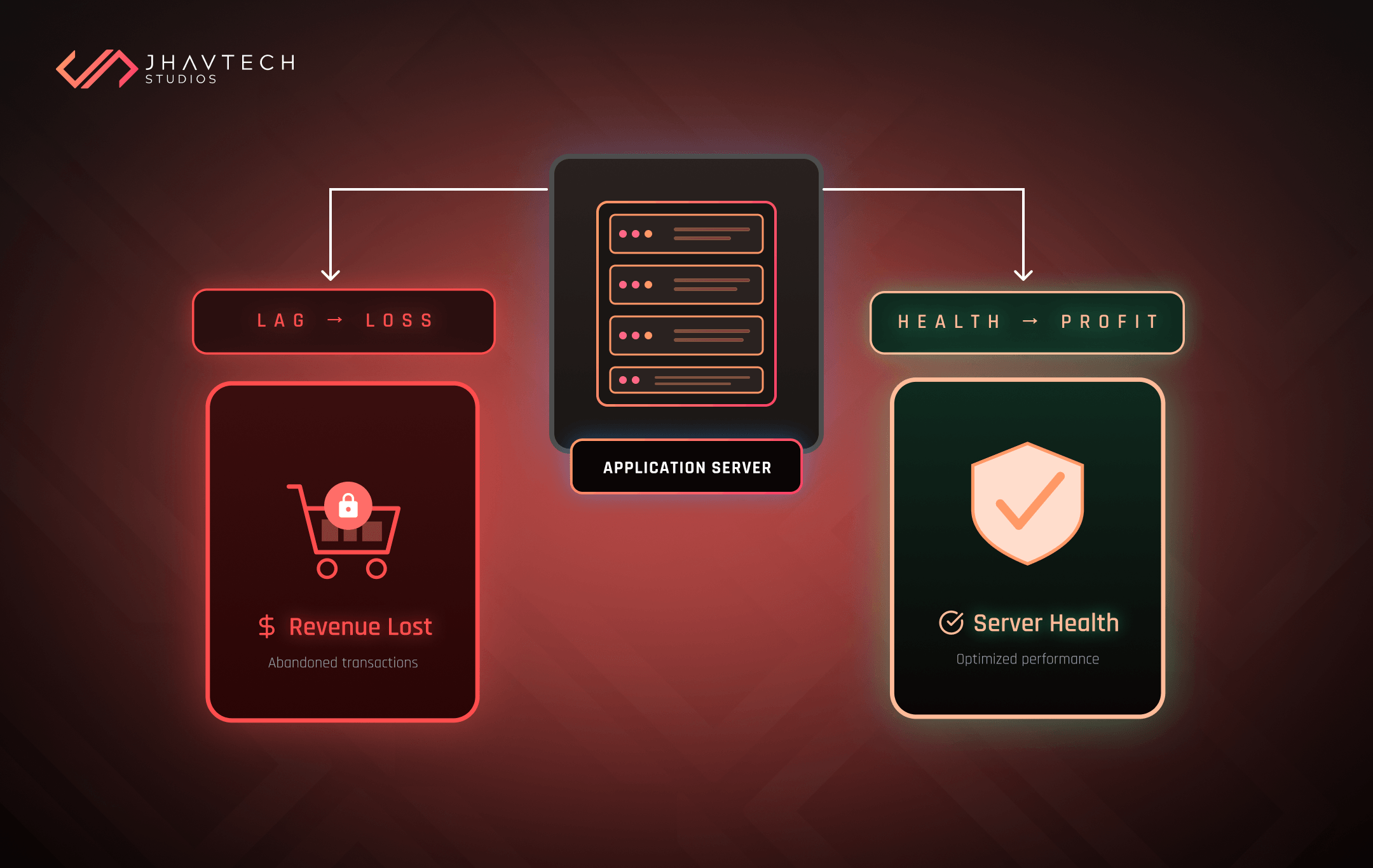
The secret to a successful rescue lies in triage. You cannot fix everything at once. A professional software project rescue service will prioritise the "bleeding" points first. This usually starts with the server environment and the deployment pipeline.
Often, projects fail because the "DevOps" side of things is ignored. If it takes three days to deploy a simple update, the project will naturally fall behind. By implementing modern DevOps solutions, a rescue team can automate the testing and deployment process. This immediately increases the velocity of the project and builds confidence for the founder.
Once the environment is stable, the rescue team moves to the user facing issues. By fixing the most visible bugs first, you can maintain your user base or satisfy investors while the deeper, structural work happens in the background. This is how to fix a failing software project without rebuilding: you stabilise the patient, stop the bleeding, and then begin the long-term recovery.
Strategic IT Consulting: The Path Forward
Sometimes the failure isn't in the code, but in the strategy. This is where IT consulting plays a pivotal role in a rescue operation. A founder might be pushing for features that the current architecture simply cannot support. A rescue team acts as a fractional CTO, helping the founder align their business goals with technical reality.
During a software project rescue service engagement, the consultants will often look at the product roadmap. They might suggest stripping away non-essential features to get a "Minimum Viable Product" (MVP) back into the market as quickly as possible. This strategic oversight ensures that the money being spent on the rescue is actually moving the needle for the business.
Maintaining the Momentum with Support and Maintenance
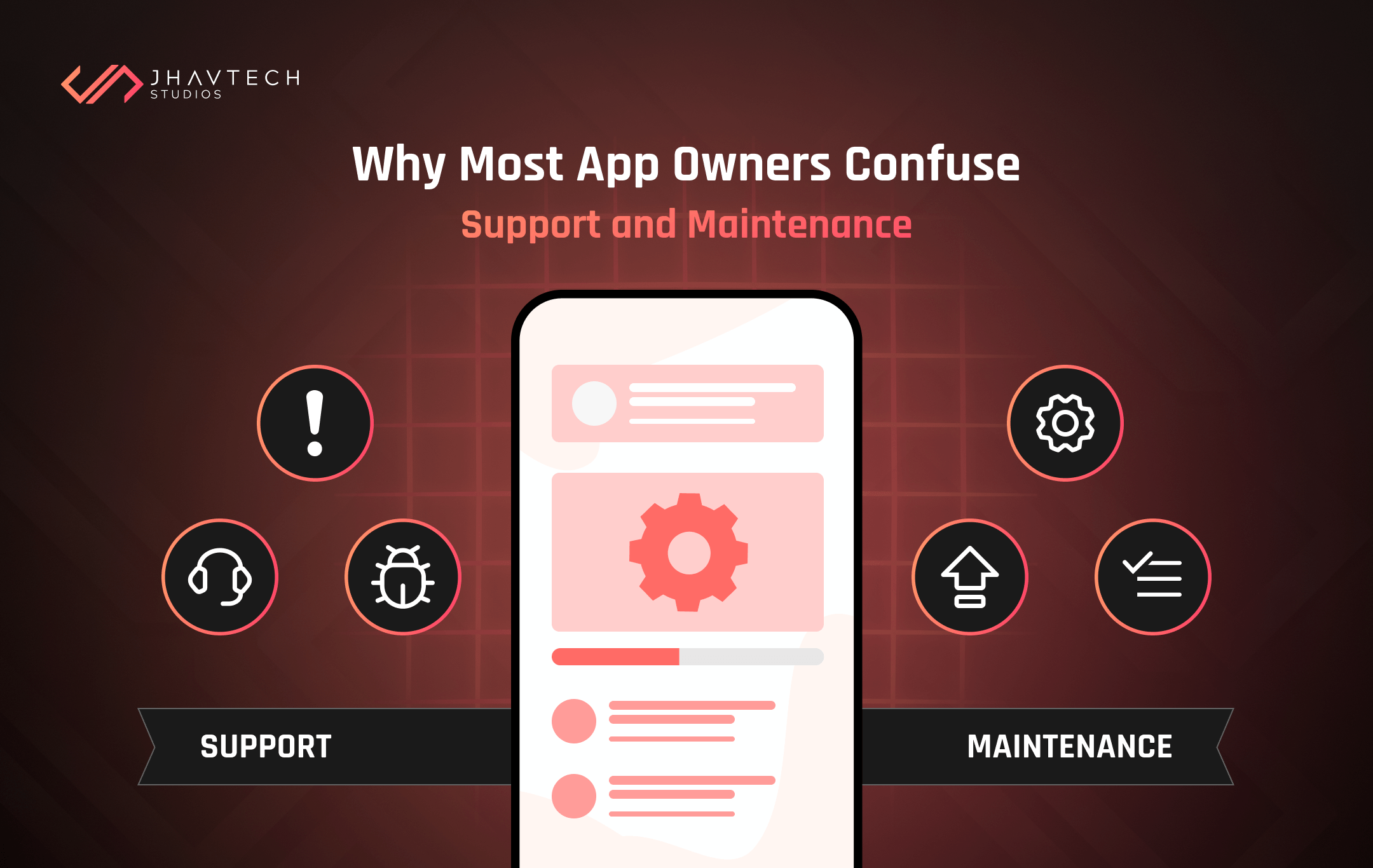
A rescue is not a one time event; it is a transition into a healthier development lifecycle. Once the "rescue" phase is complete, the project moves into a phase of ongoing support and maintenance. This is where many founders previously failed. They treated software like a finished product rather than a living organism.
A software project rescue service should culminate in a handover where the new team provides clear documentation and a roadmap for future updates. This ensures that the technical debt does not begin to accumulate again the moment the rescue team finishes their initial work. Consistent maintenance is the only way to protect the investment you have just fought so hard to save.
Why Jhavtech Studios is the Choice for Software Project Rescue
At Jhavtech Studios, we have seen the "68 percent mistake" play out dozens of times. We understand the emotional and financial toll of a failing project. Our software project rescue service is designed to be a lifeline for founders who are tired of excuses and want results.
We don't just write code; we solve business problems. Whether it is a web platform that keeps crashing under load or a mobile app that was built with shortcuts, our team has the technical expertise to step in and turn the tide. We believe that every failing project is an opportunity for a spectacular comeback.
Final Thoughts: Rescue is a Strategic Advantage
Choosing to rescue a project rather than rebuilding it is a sign of a mature, data-driven founder. It shows that you value your time, your capital, and the work that has already been done. While the "Rebuild" option feels like a fresh start, it often leads back to the same problems if the underlying issues of management and architecture aren't addressed.
By engaging a professional software project rescue service, you are choosing a path of precision. You are deciding to audit your assets, modernise your code, and implement the professional standards required for long-term success. Don't let your project become another statistic in the failure column. The transition from a failing app to a market-leading product is often just one "rescue" away. If you feel your project is slipping, the time to act is now, before the "rescue" becomes an "autopsy." With the right partner, you can reclaim your vision and finally launch the product your customers are waiting for.
Stop the bleeding today. Not sure if your project is a "Rescue" or a "Rebuild"? Get a FREE code review from Jhavtech Studios. We’ll look under the hood, identify the bottlenecks, and give you a straight answer on how to move forward.
.webp)
.webp)





.png)
.png)
.png)
.png)
.png)
.png)

.png)
.png)
.png)
.png)
.png)
.png)
.png)

.png)

.png)

.png)


.png)
.png)
.png)
.png)
.png)
.png)
.png)
.png)
.png)
.png)

.png)
.png)

.png)
.png)
.png)
.png)
.png)
.png)
.png)


.png)
.png)
.png)
.png)
.png)
.png)
.png)
.png)
.png)
.png)
.png)
.png)
.png)

.png)
.png)
.png)
.png)
.png)
.png)
.png)
.png)
.png)
.png)
.png)
.png)

.png)

.png)
.png)
.png)