



Fleet Management, Rebuilt for the People Actually Driving
A cross-platform fleet and vehicle management platform — automatic ATO-ready logbooks, live tracking, AI document scanning and a voice assistant — shipped to iOS, Android and web from a single codebase.




Introduction
Axlerun is a fleet and vehicle management platform built for Australian tradies, owner-operators and small fleet businesses — the people who own a handful of utes and vans, and who lose real money to paperwork they never signed up for.
Jhavtech Studios designed and built the whole product: native iOS and Android apps, a full web application, the in-car and lock-screen experiences, and the subscription and analytics infrastructure behind them — all from a single TypeScript codebase.

What The Build Had to Deliver
The ATO needs a twelve-week logbook for vehicle deductions and FBT. Telematics offers hardware, contracts, and dashboards. Spreadsheets fail as trips are recalled at tax time, receipts vanish, and renewals are missed.
A logbook that fills itself in
Background trips, accurate enough to survive an audit, no hardware.
Compliance the user doesn't have to remember
Rego, insurance and service surfaced before they lapse.
Real cross-platform parity
iOS, Android and web as first-class targets.
Data entry reduced to a photo
Receipts, fines and odometer readings captured by camera.
GPS that survives the real world
Phone locked, app killed, low battery, days-long shifts.
Hands-free operation while driving
Safe, legal interaction from the driver's seat.
A free tier that isn't a trap
The core logbook genuinely free.


Solutions Provided

One codebase, three platforms
A single TypeScript and React Native codebase compiles to native iOS, native Android and a production web app. Every feature ships to all three — desktop web is a full workstation experience, not a cut-down mirror.

Automatic trip logging that holds up
Background GPS tuned against the failure modes that break every tracking app: the OS killing the process, force-quits, aggressive battery optimisation, multi-day shifts. Trips upload resiliently, so a tunnel doesn't cost the day's log.

Native experiences beyond the app icon
The platform-native layers most cross-platform apps skip — home-screen widgets, a live drive card on the iOS lock screen and Android Live Updates, plus CarPlay and Android Auto apps for finding fuel and chargers without touching the phone.

AI where it removes work
On-device speech recognition turns spoken requests into confirmable action cards. Document scanning turns a photo of a receipt, fine or odometer into a filled-in form. Both scoped by one rule: does this delete a step the user resents?

The Design Process
Designed for a phone that lives in a work van - glare, gloves, and one free hand.
Empathize
Time with tradies and owner-operators revealed they avoid software that assumes a back office, not compliance.
Define
The product's job named in one line — make the logbook fill itself in — and every feature measured against it.
Ideate
Concepts explored across all three platforms at once, including in-car and lock-screen surfaces, so nothing was retrofitted later.
Prototype
Interactive prototypes for the flows carrying the most weight — onboarding, trip classification, the vehicle record hub.
Test
Validated on real devices in real vehicles — read in daylight, one-handed, mid-shift.
Development Process

Discovery & Architecture
Platform strategy, cross-platform architecture, and the monorepo structure that lets shared feature packages serve multiple apps.
UI/UX Design
A design system and component library shared across mobile and web, with dark mode and responsive desktop layouts specified up front.
API Contract & Integration
Contract-first against a REST API defined in OpenAPI, with a typed client layer and schema drift checked continuously.
Core App Development
Auth, vehicle and record modules, logbook, jobs, alerts and reporting, each built once and shipped to all three platforms.
Native Module Development
Custom Swift and Kotlin modules for the surfaces React Native doesn't reach: CarPlay, Android Auto, Live Activities, widgets, on-device OCR.
Testing & Field QA
Type checking and linting in CI, plus multi-day real-world drives to validate tracking accuracy, battery behaviour and background reliability.
Release & Continuous Delivery
Automated pipelines to the App Store, Google Play and web, with separate sandbox and production environments and staged rollouts.
Tool Stack
Mobile & Web
Backend
Location & Mapping
Native
Infrastructure
Monitoring
Commerce
Key Features
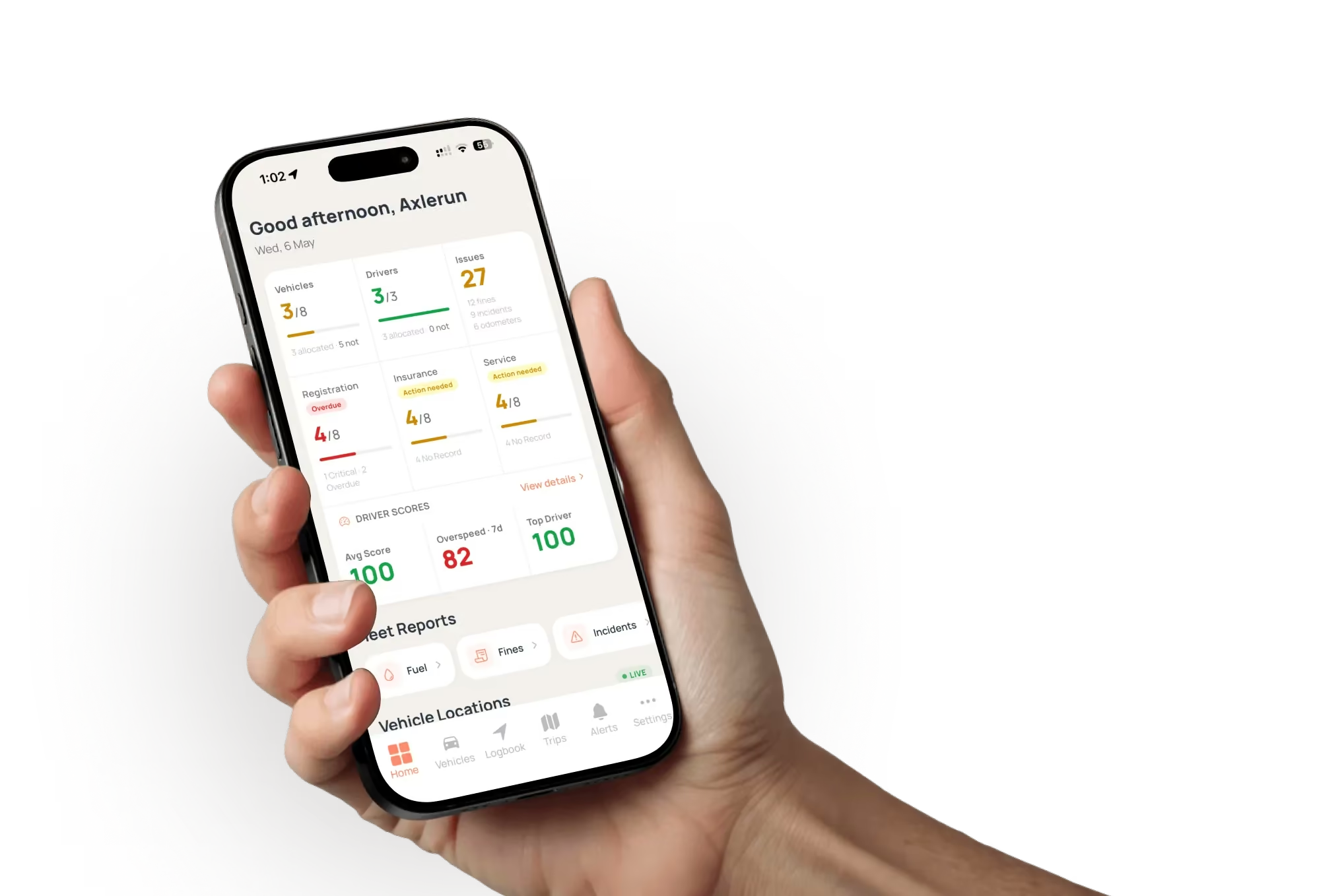
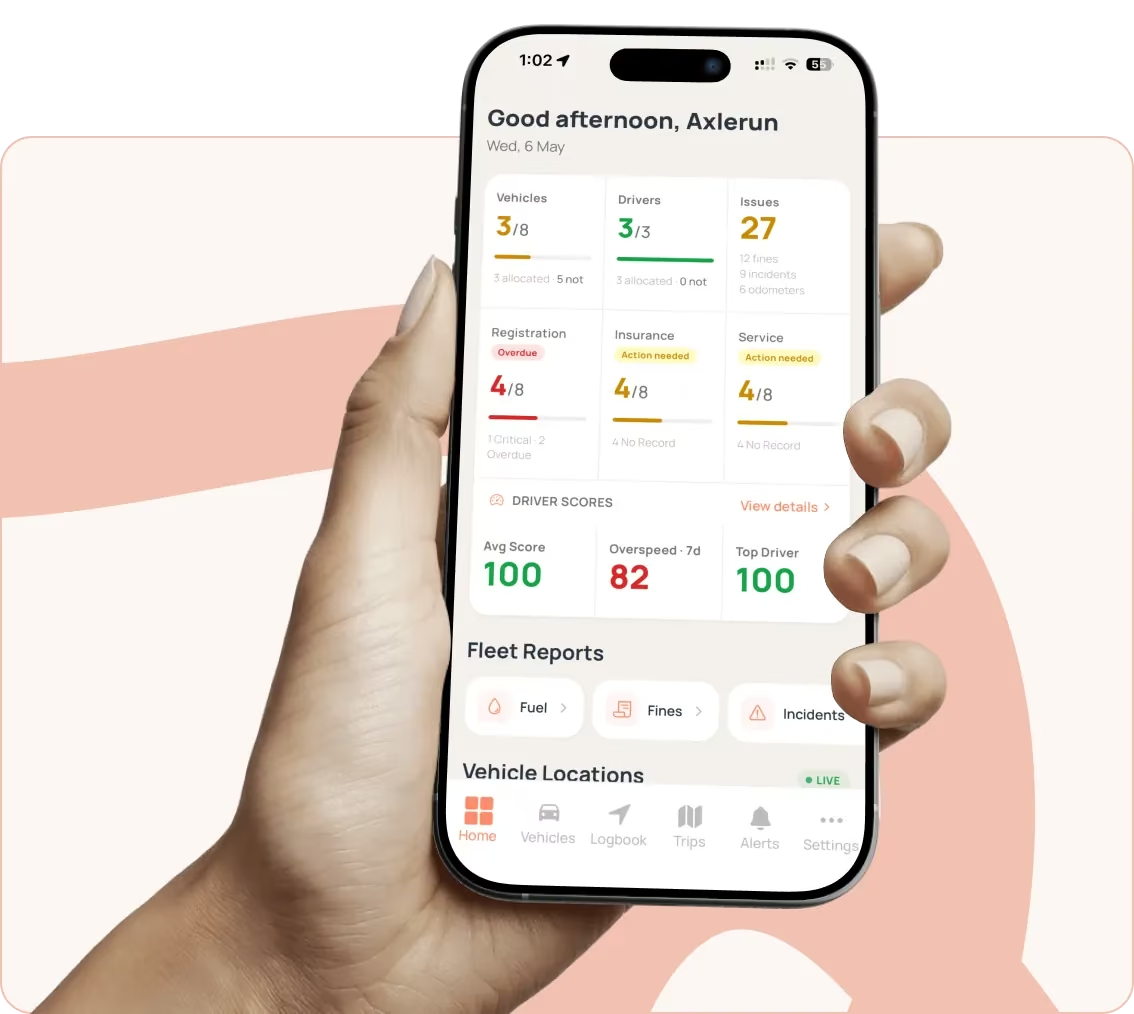
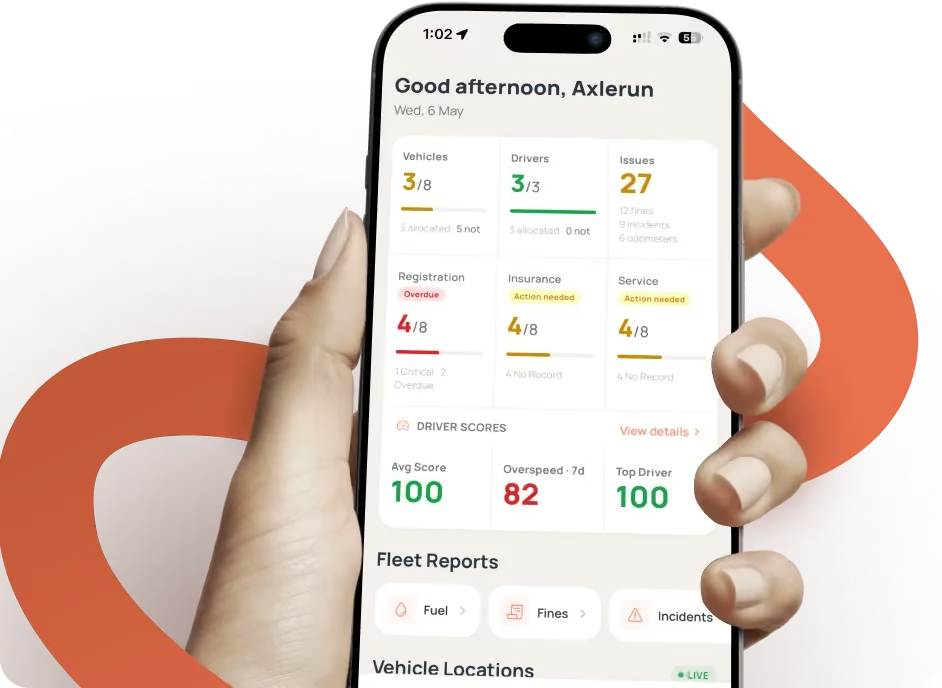
Fleet Dashboard
Everything at a glance: vehicle and driver counts, open issues, rego, insurance and service rollups, driver scores, and a live map of vehicle locations.
Automatic GPS Logbook
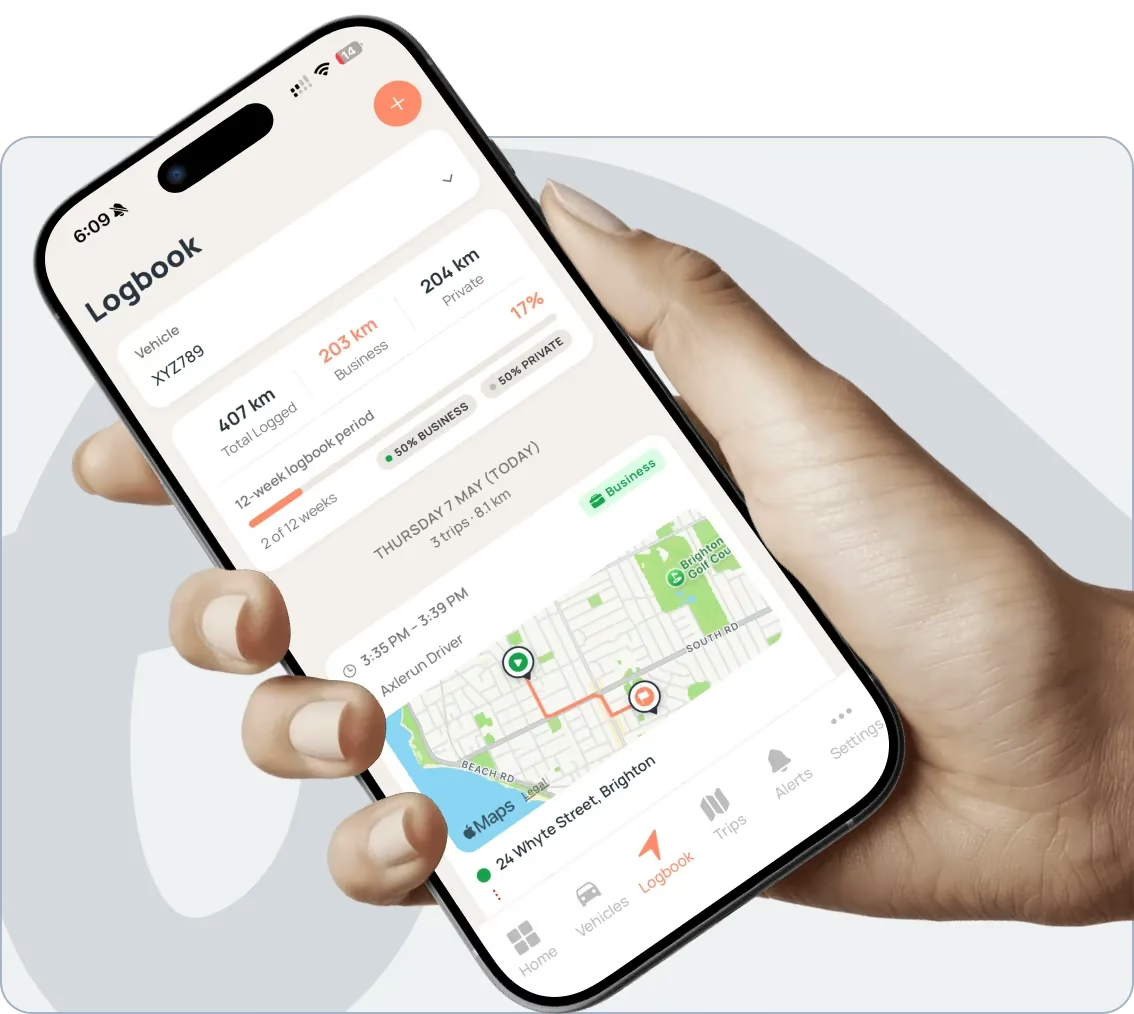
Trips record themselves. Classify business or private in a swipe, and export an ATO-ready FBT logbook to Excel whenever it's needed.
AI Document Scanning
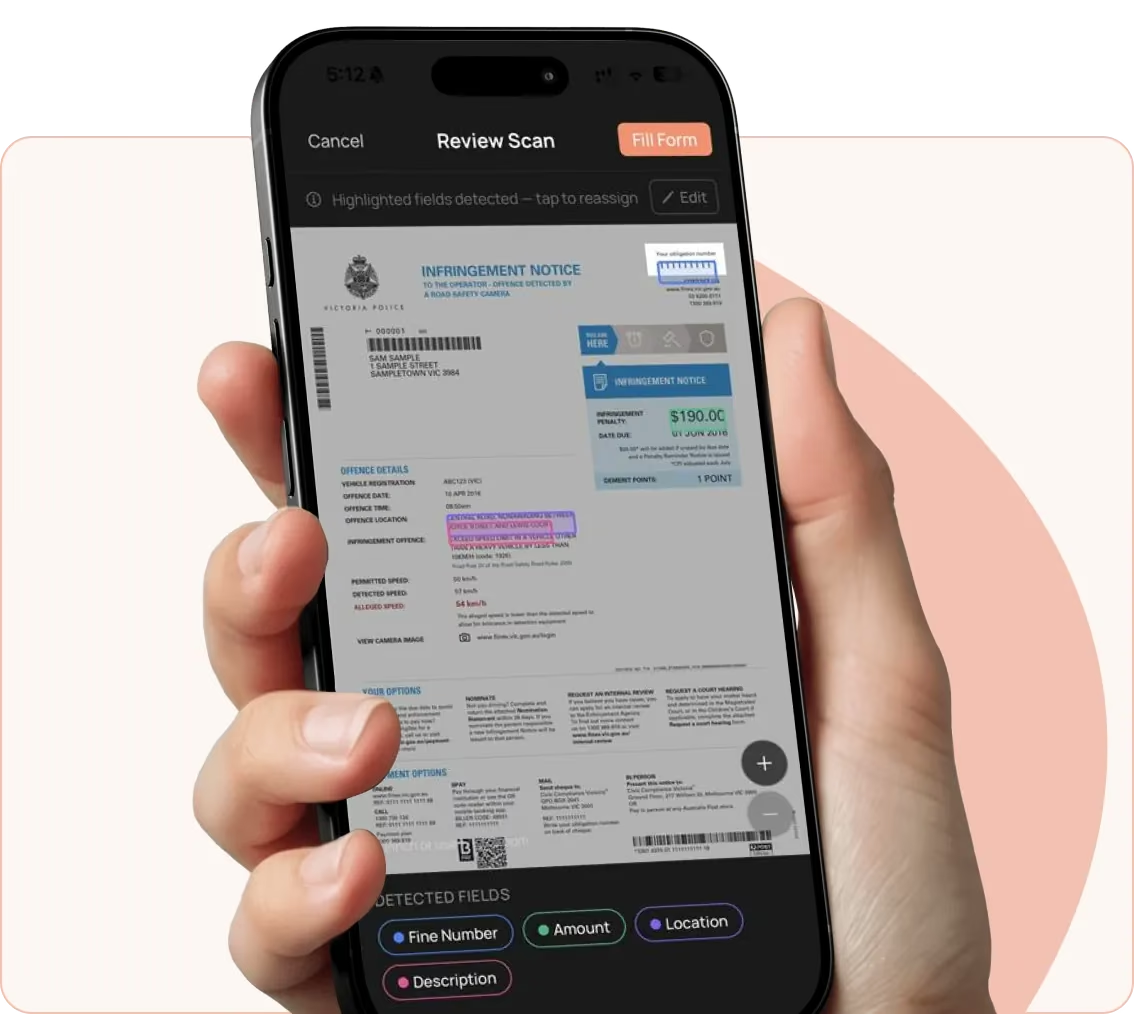
Photograph a fuel receipt, fine or odometer and the form fills itself in. Processed on-device, so nothing leaves the phone to be read.
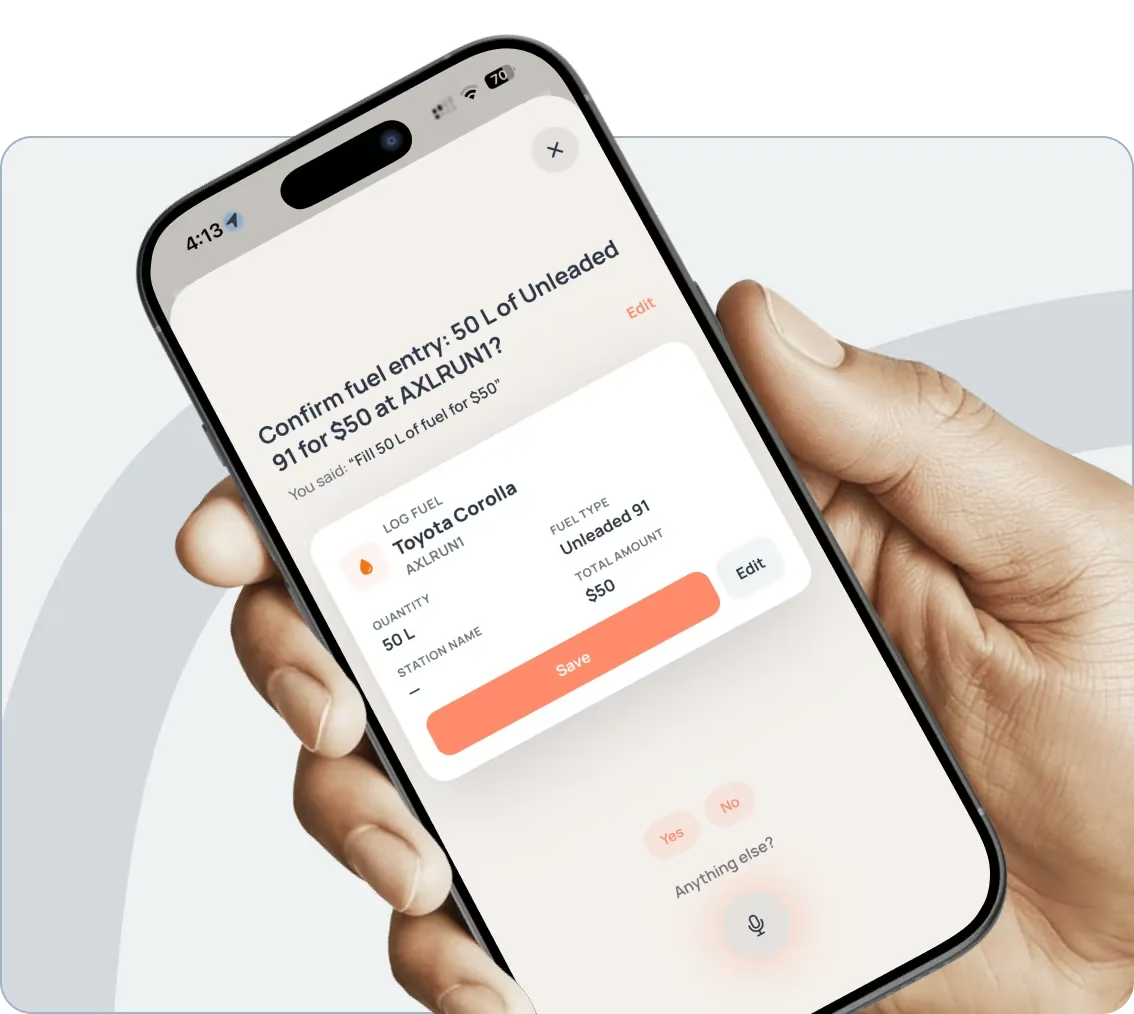
AI Voice Assistant
Speak a request and it becomes a structured action card to confirm before anything is written. Speech transcribed on-device by design.

Conclusion
It removes the work instead of organising it.
Most fleet tools give the user a better place to enter data. Axlerun's promise is that the logbook fills itself in — the tracking, scanning and voice assistant all exist to delete steps.
It goes where the driver already is.
The features that matter while driving live on the lock screen, the home screen and the car's own display.
It's built for a business without a fleet manager.
Free for up to three vehicles, no hardware, no contract, no training. The paid tiers earn their price by automating work, not by unlocking basics.
For Jhavtech Studios, Axlerun demonstrates the full range: product strategy and UX research, shared cross-platform architecture, native Swift and Kotlin development, privacy-first AI integration, subscription infrastructure and automated release pipelines across three platforms.
Download the App Now!


